Full Article
about Malanquilla
Hide article Read full article
A village at the end of the road
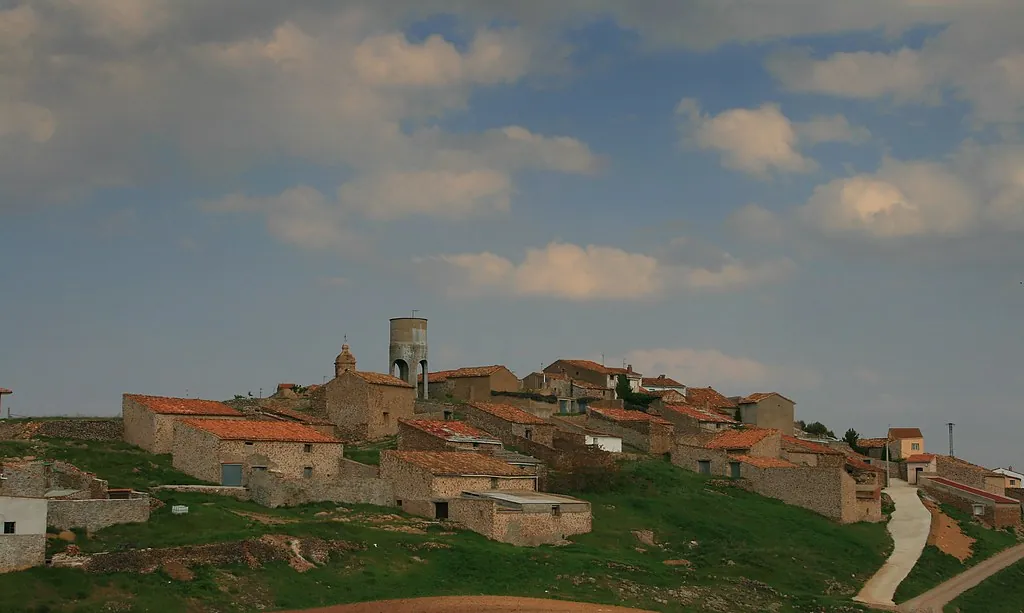
Some places you reach because someone insists you should go. Others appear when the map simply runs out of road. Malanquilla belongs to the latter. The drive across the comarca of Calatayud grows quieter as you go, with less traffic and fewer signs of hurry, until the cluster of houses comes into view. Small, subdued, and moving at its own rhythm.
Around seventy people live here. That fact shapes everything. What you see is, more or less, the whole place. Strangely enough, that is part of the appeal.
The village, as it is
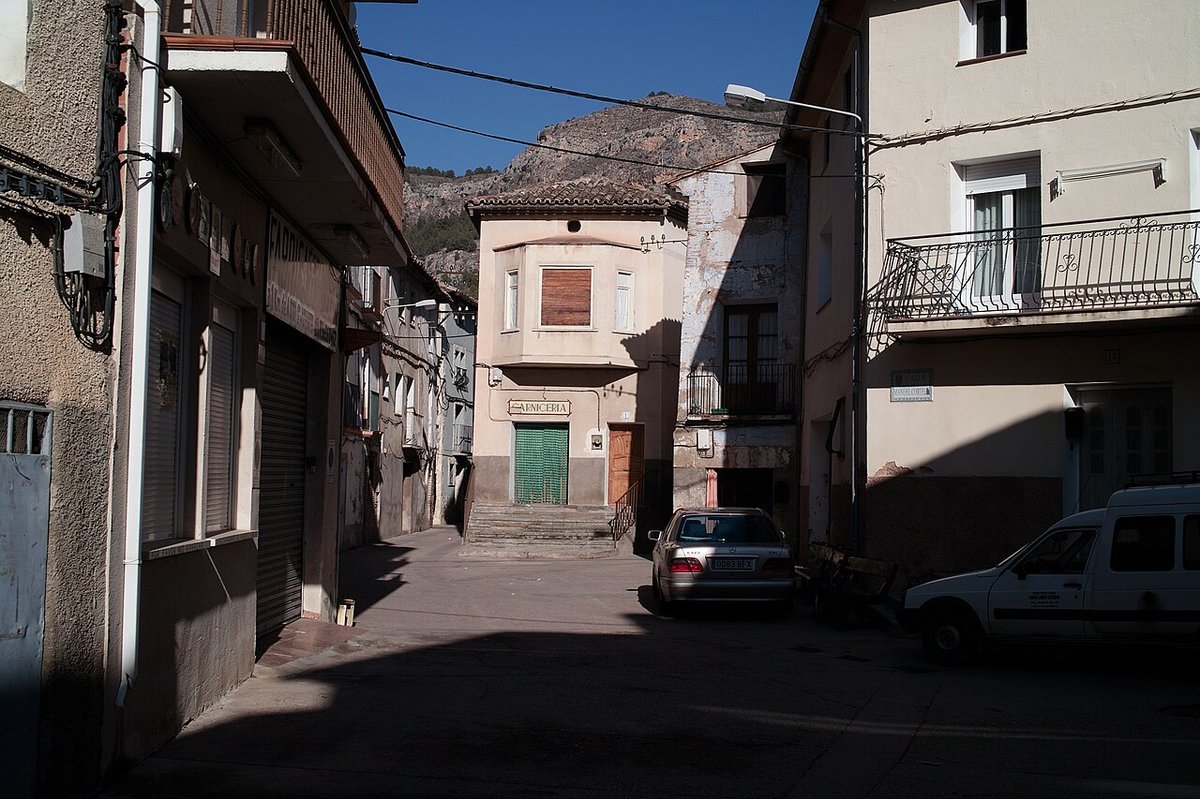
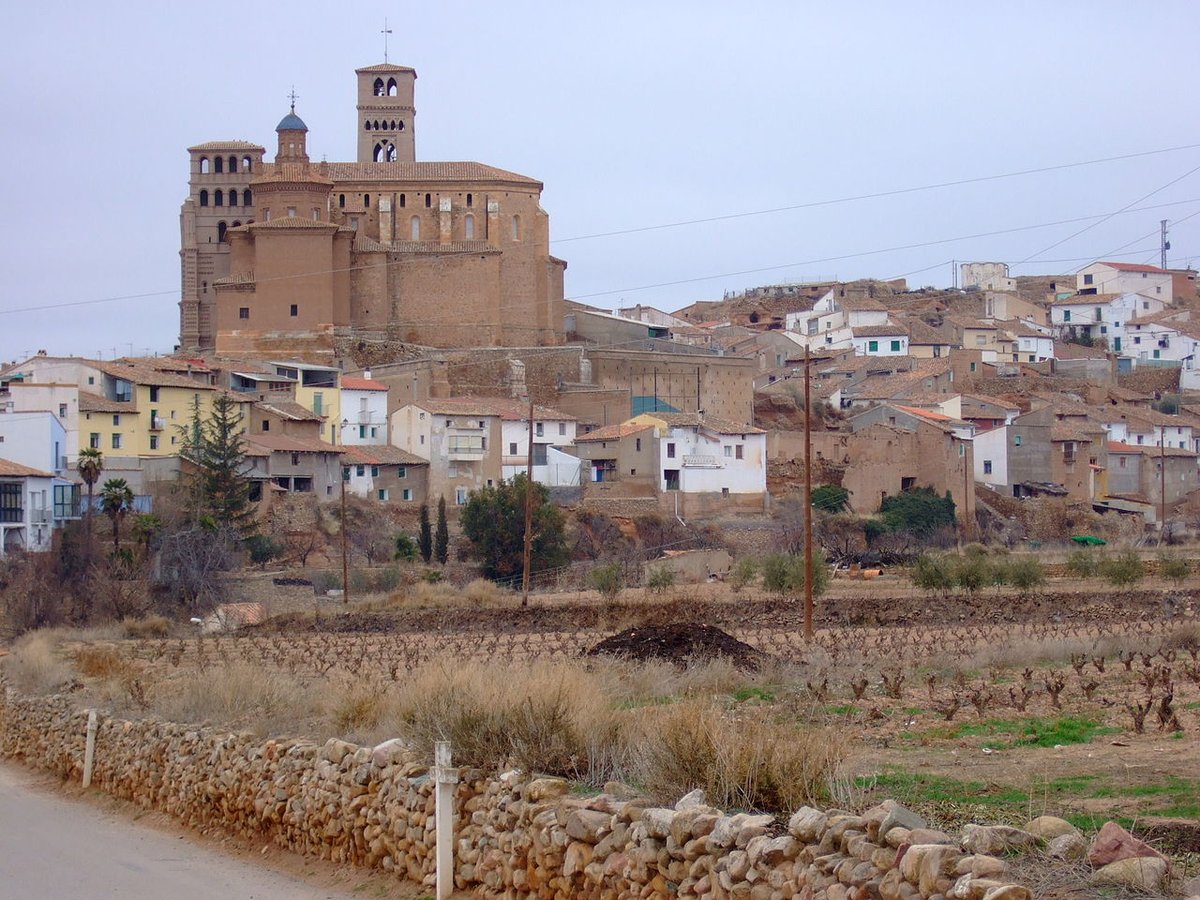
Malanquilla does not take long to walk through. A couple of streets rise and fall across the slope, lined with stone houses and roofs tiled in the traditional curved style. Large doorways hint at former stables or storage spaces, reminders of how closely work and home were once linked.
The parish church, built in the 16th century, acts as a quiet reference point. It is not imposing, but it anchors the layout of the village. Walk without a plan and you will end up back in the square sooner or later.
Details matter here. Old washhouses can still be recognised. Wine cellars lie dug beneath homes. Animal pens sit against the rock. Each element points to how life was organised, especially in winter when the cold tightened its grip and the cierzo wind, a dry and often relentless wind in this part of Aragón, offered little relief.
The landscape around Malanquilla
Malanquilla sits close to 1,000 metres above sea level, and the altitude makes itself felt. The air tends to be drier, and the views open up quickly once you climb a little beyond the houses.
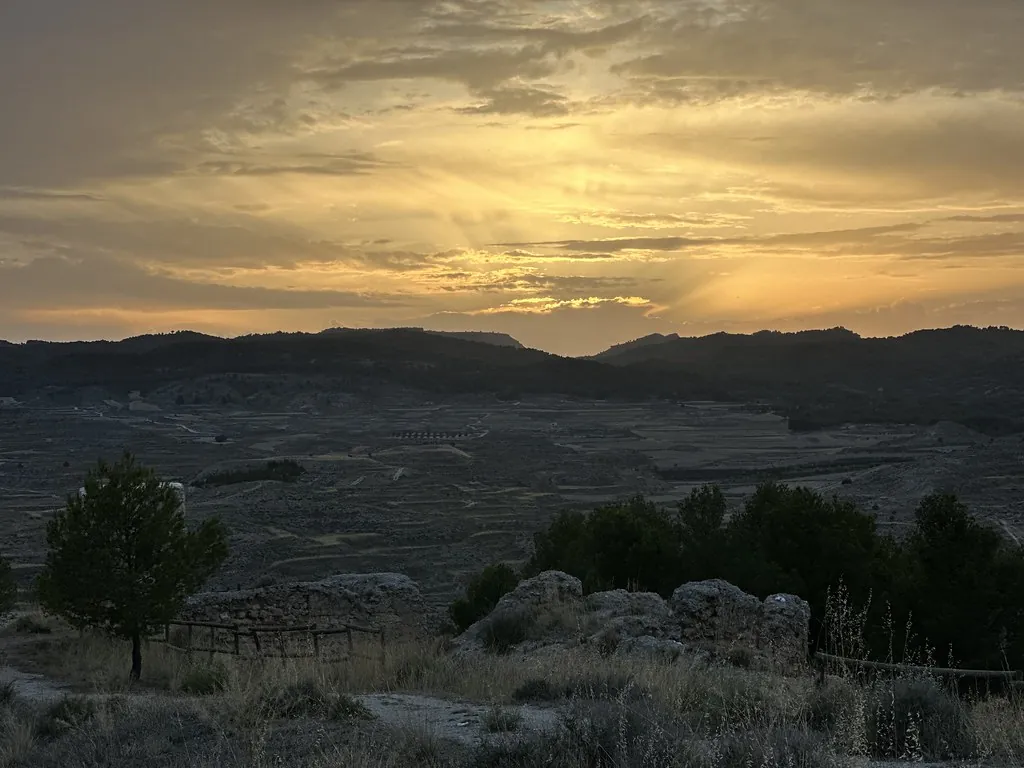
There is no need to search for viewpoints or marked lookouts. A short walk towards the outskirts is enough. From there, much of the Jalón valley comes into view, along with the slopes that shape this part of the region. Holm oaks are scattered across the terrain, with the occasional oak tree breaking the pattern.
Light changes the scene more than anything else. At sunrise or in the final stretch of the afternoon, the fields take on a warm, golden tone that is often associated with Aragón. Shadows lengthen and trace the contours of the land, as if the hills had been lightly sketched.
Quiet paths through open ground
Several agricultural tracks lead out from Malanquilla, stretching into fields and patches of low scrub. They are not signposted routes in the way you might expect in a protected park, but they are easy enough to follow if you are comfortable walking without a fixed plan.
The ground alternates between sandy sections and stonier stretches. Nothing especially difficult, though conditions change with the seasons. After rain or during winter, it is wise to take things slowly. Mud and ice can appear without much warning.
When in doubt, asking a local resident is often the most reliable option. In places like this, practical knowledge still travels by word of mouth more effectively than through any map.
Food shaped by the surroundings
Cooking in Malanquilla remains closely tied to what is raised or grown nearby. Pork is used for a range of cured meats, while local legumes form the base of many dishes. When temperatures drop, meals become more substantial and warming.
Autumn brings another seasonal activity. People head into the nearby holm oak woods in search of mushrooms. Níscalos, known in English as saffron milk caps, and other varieties can appear in good numbers in certain years. Caution is important here. If identification is uncertain, it is better not to guess.
The same landscape also suits birdwatching. Air currents along the slopes attract various birds of prey. With a bit of patience, they can be seen gliding above the fields.
When things come back to life
For much of the year, Malanquilla is very quiet. Then summer arrives and the atmosphere shifts. Those who left years ago return, if only for a short time, and the village regains noise and movement.
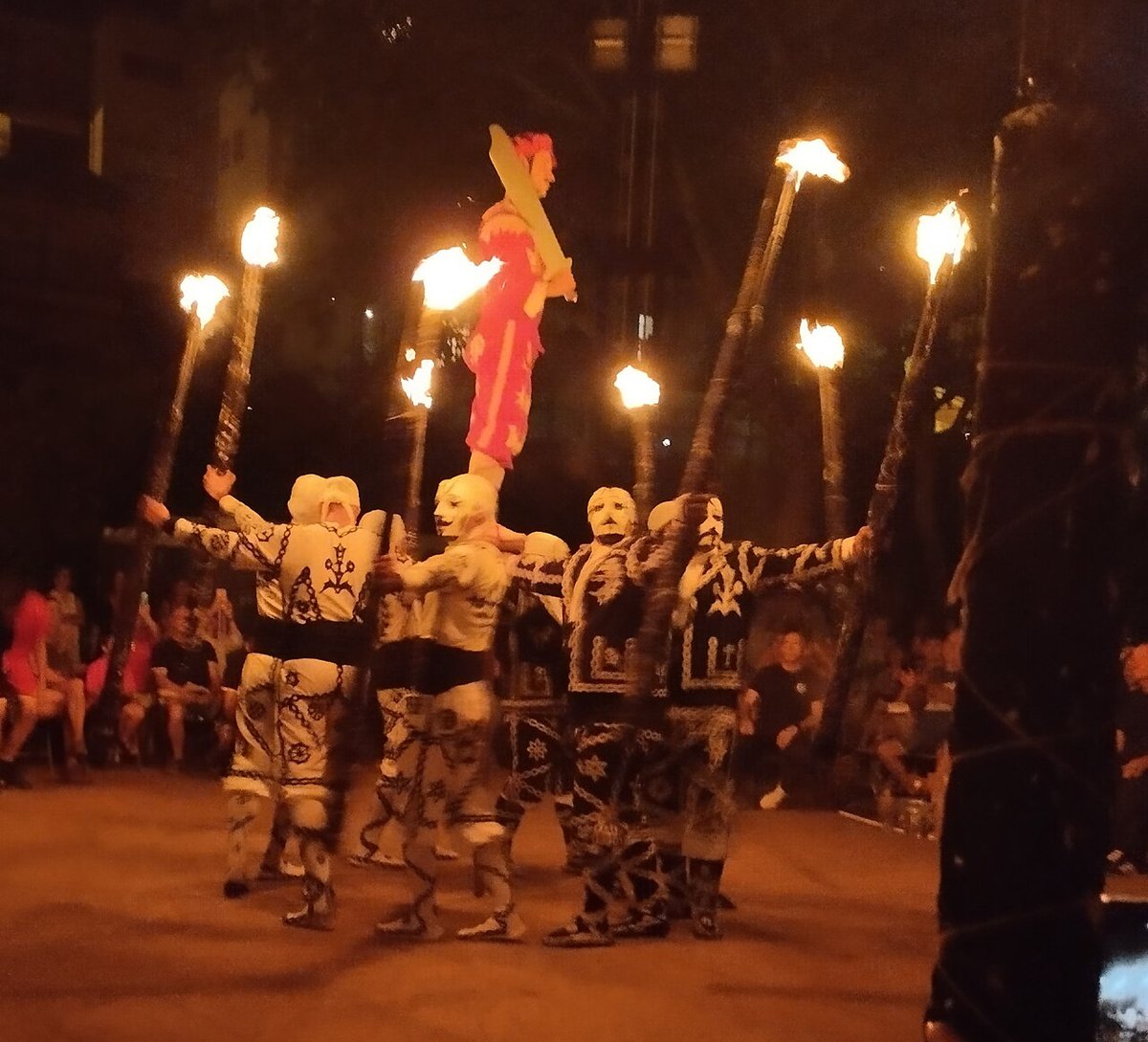
Festivities follow the traditional calendar. There are processions, popular music, and gatherings that bring together long-time residents and families who come back for a few days. One of the most rooted events is the pilgrimage to the hermitage of Santa Ana, a shared moment that continues to hold meaning for the area.
This is not something staged for visitors. It is simply the village continuing its own cycle.
Getting there and knowing what to expect
The journey from Zaragoza takes roughly an hour and a half by road. The route passes through Calatayud before continuing along smaller roads. The final stretch winds more noticeably as it enters the comarca.
Winter travel calls for a quick check of the weather beforehand. At this altitude, ice forms easily and some mornings begin with snow.
Is Malanquilla worth the detour? That depends on expectations. Anyone looking for major monuments or a constant stream of activity may find it too limited. Those drawn to places that carry on in their own way, with quiet streets and open landscape, will find a reason to come. Even a short walk is enough to get a sense of how this part of the Comunidad de Calatayud feels when nothing in particular is happening.