Full Article
about Villarroya de la Sierra
Hide article Read full article
A small settlement shaped by its past
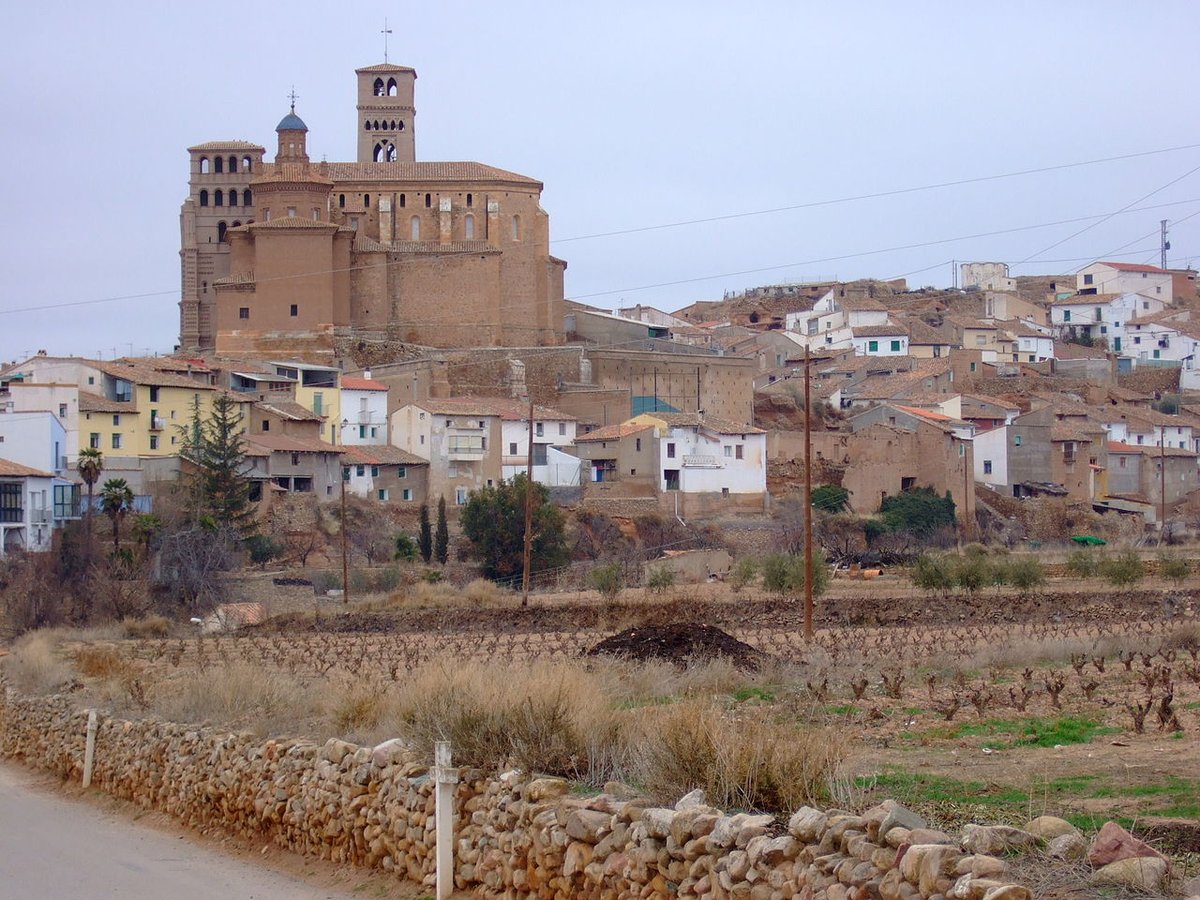
Villarroya de la Sierra appears in medieval records shortly after the Christian conquest of the Jalón valley in the 12th century. The area became part of the Comunidad de Calatayud, a territorial system created to organise the villages dependent on the nearby city. That origin still helps explain the village today: small in scale, closely tied to agriculture and set within a natural corridor between low hills.
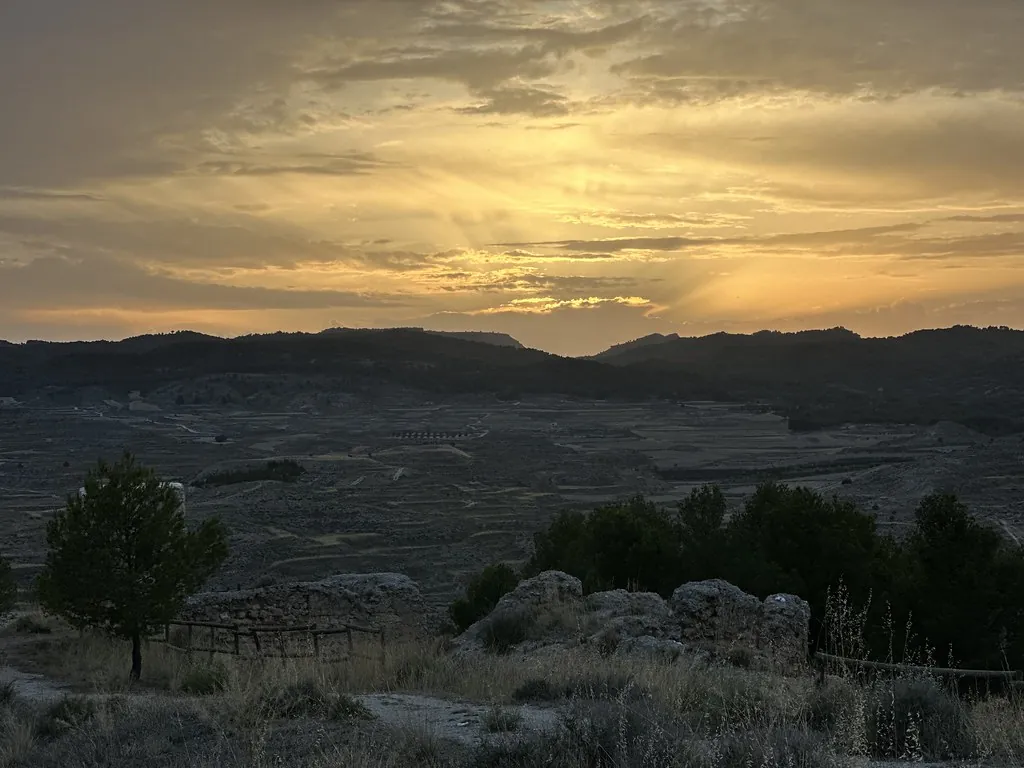
Around four hundred people live here. The village stands at roughly 730 metres above sea level, surrounded by dry slopes where cereal crops dominate, alongside some vineyards and almond groves. This is a landscape shaped over generations. The reddish tone of the soil, visible along paths and field edges, is part of the identity of the place.
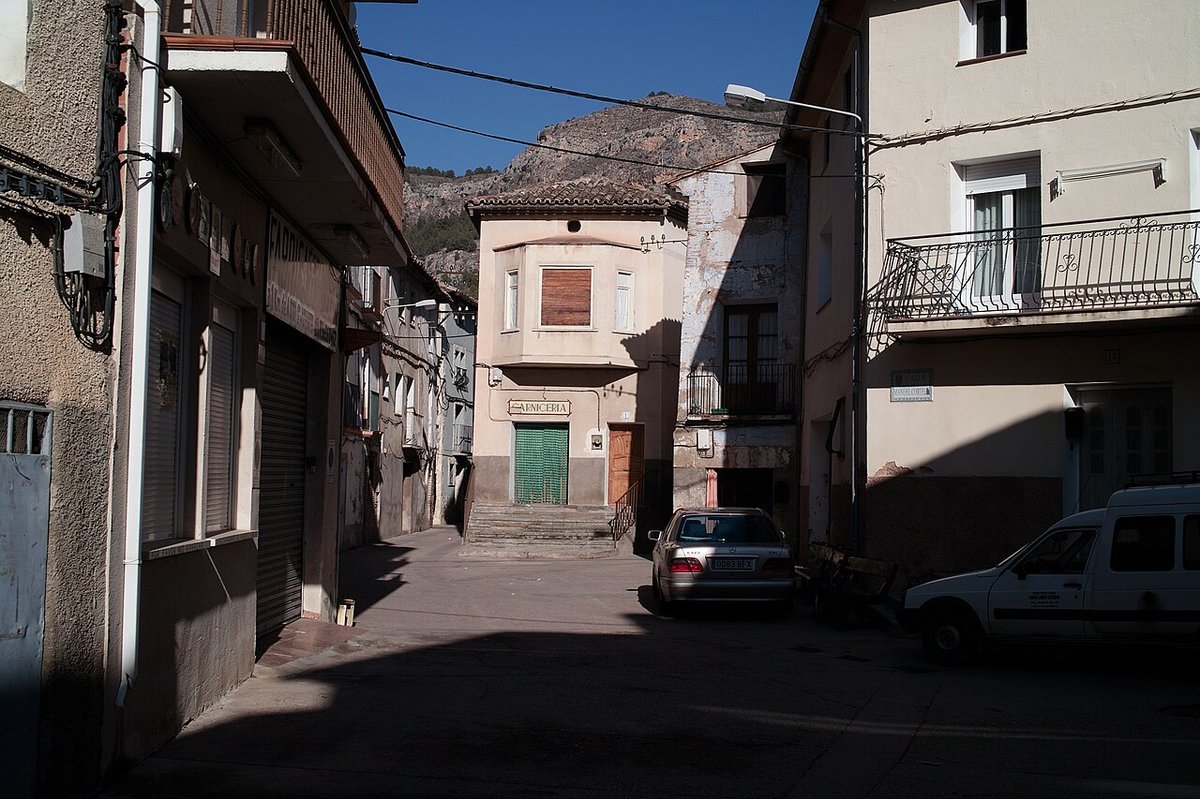
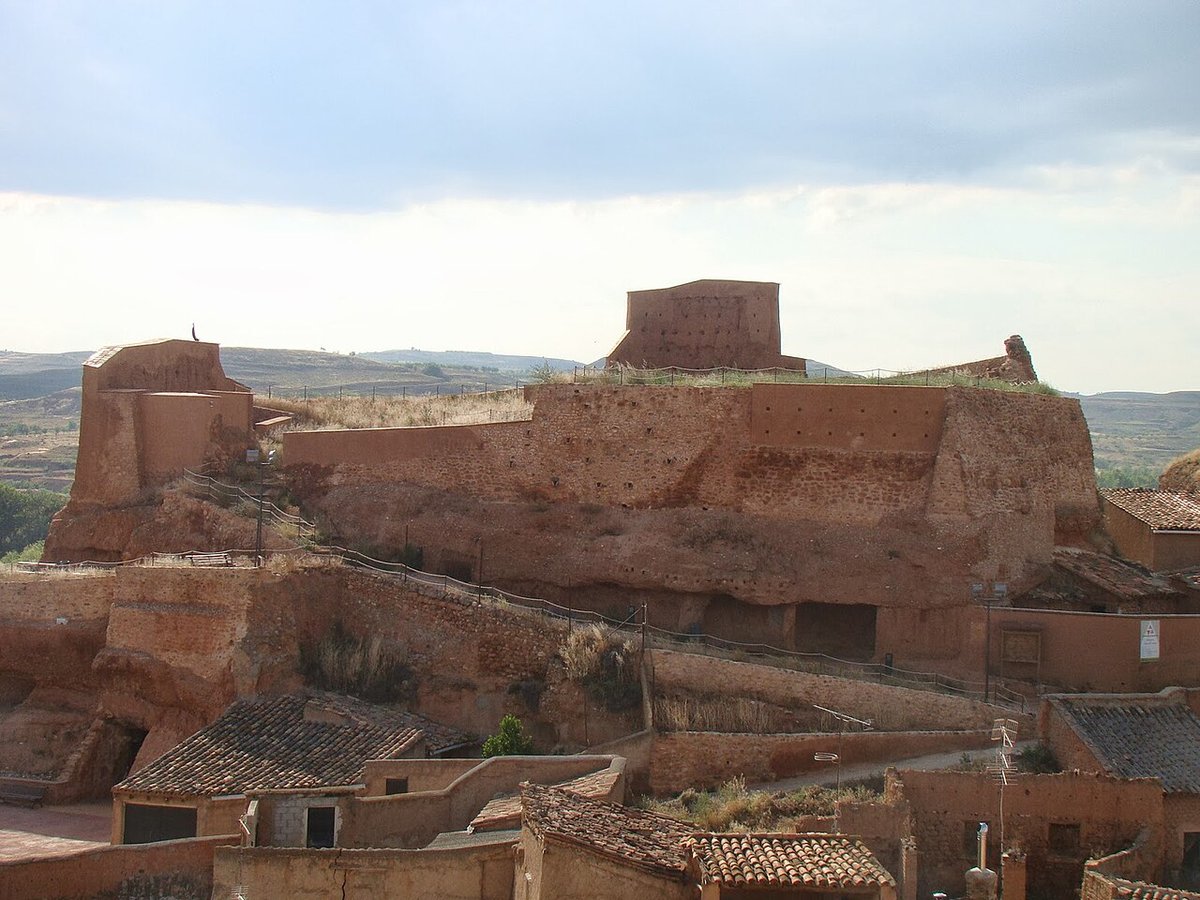
Arrival does not revolve around standout landmarks. Villarroya is better understood as a whole: short streets, houses built from stone and rammed earth, yards at the back of plots and kitchen gardens in the lower areas.
Architecture and traces of earlier times
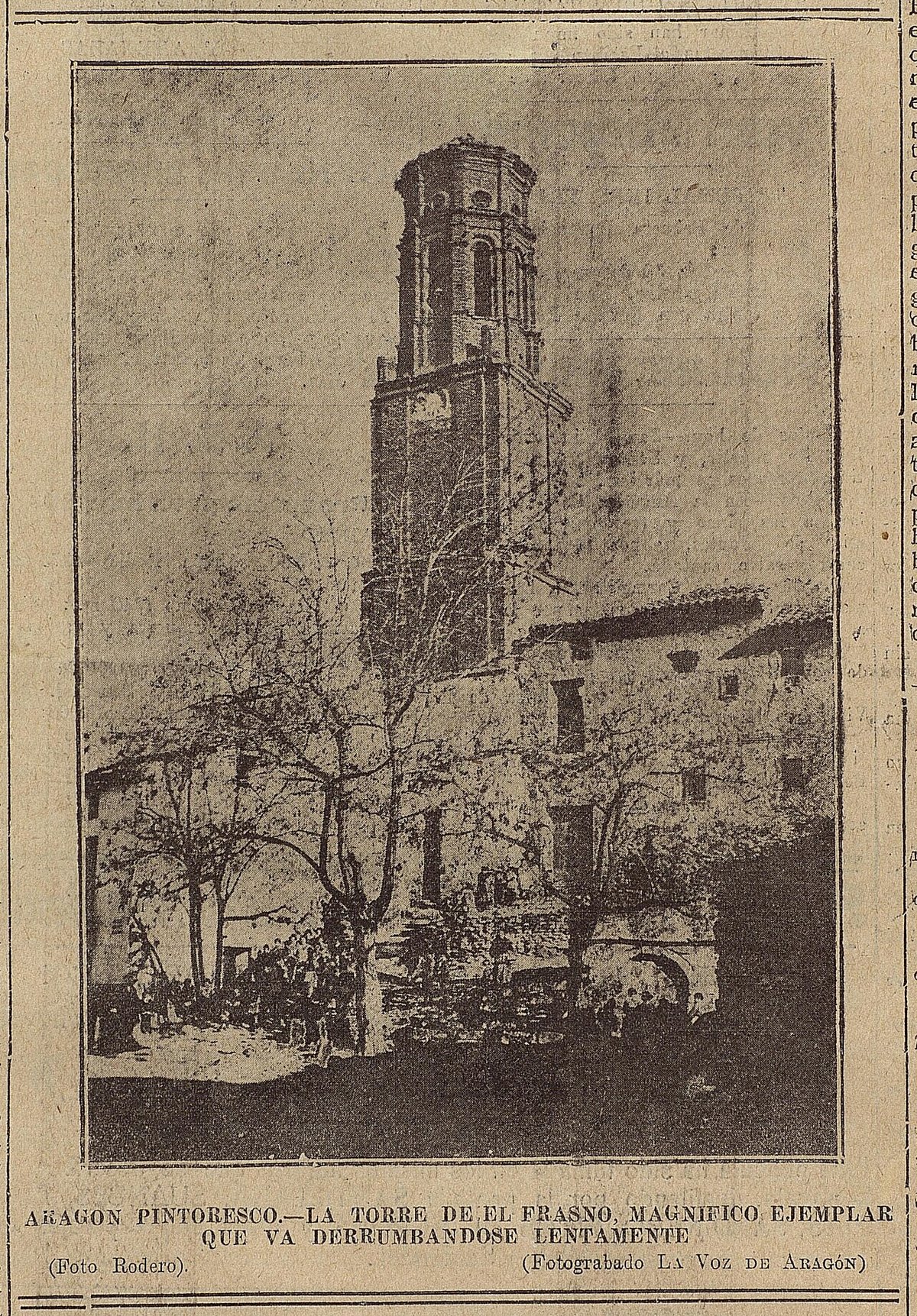
The parish church of San Pedro gathers much of the local history. Its origins are medieval, though it has been altered over different periods. This is common across Aragón, where rural churches were expanded when finances allowed. In the Calatayud area, many buildings combine Gothic features with Mudéjar tradition, reflecting the work of Muslim craftsmen who remained in the region for centuries.
Walking through the village, carefully carved stone doorways and wrought iron window grilles come into view. They point to a time when the population was larger than it is now. During the 18th and 19th centuries, many settlements in the area grew thanks to dry farming and trade with Calatayud.
On the outskirts, some circular stone threshing floors can still be recognised. These were used to separate grain before mechanisation transformed agricultural work. They are simple spaces, yet they offer a clear sense of how farming was organised well into the 20th century.
Reading the landscape
The hills around Villarroya are not high, though they provide a useful vantage point for understanding the land. From above, the typical pattern of Aragonese dryland farming becomes visible: wide plots, agricultural tracks and ravines that only carry water at certain times of year.
Among the cultivated fields grow holm oaks, junipers and Mediterranean scrub. Spring brings noticeable change, with almond blossom and the brief green of young cereal crops. By summer, the colours return to ochre tones.
The paths leading out of the village often follow older routes. For centuries, many were used to move livestock or connect nearby settlements within the Comunidad de Calatayud. These tracks still shape how the surrounding area is experienced today.
Everyday life and local cooking
Local cooking reflects what the land provides. Winter calls for hearty spoon dishes, alongside lamb and recipes where garlic and olive oil play a central role. Dishes such as migas, made from fried breadcrumbs, and bacalao al ajoarriero, a cod dish with garlic, remain part of everyday cooking in many homes.
Vegetable gardens near the village supply seasonal produce, although cereals and vines have traditionally formed the economic base. The grape harvest continues to mark the end of summer across much of the region.
Some domestic practices are still present. Wood-fired ovens are used in certain households for baking bread and pastries, and preserving vegetables is common when the season arrives. These routines connect daily life to long-standing habits.
Festivities and seasonal customs
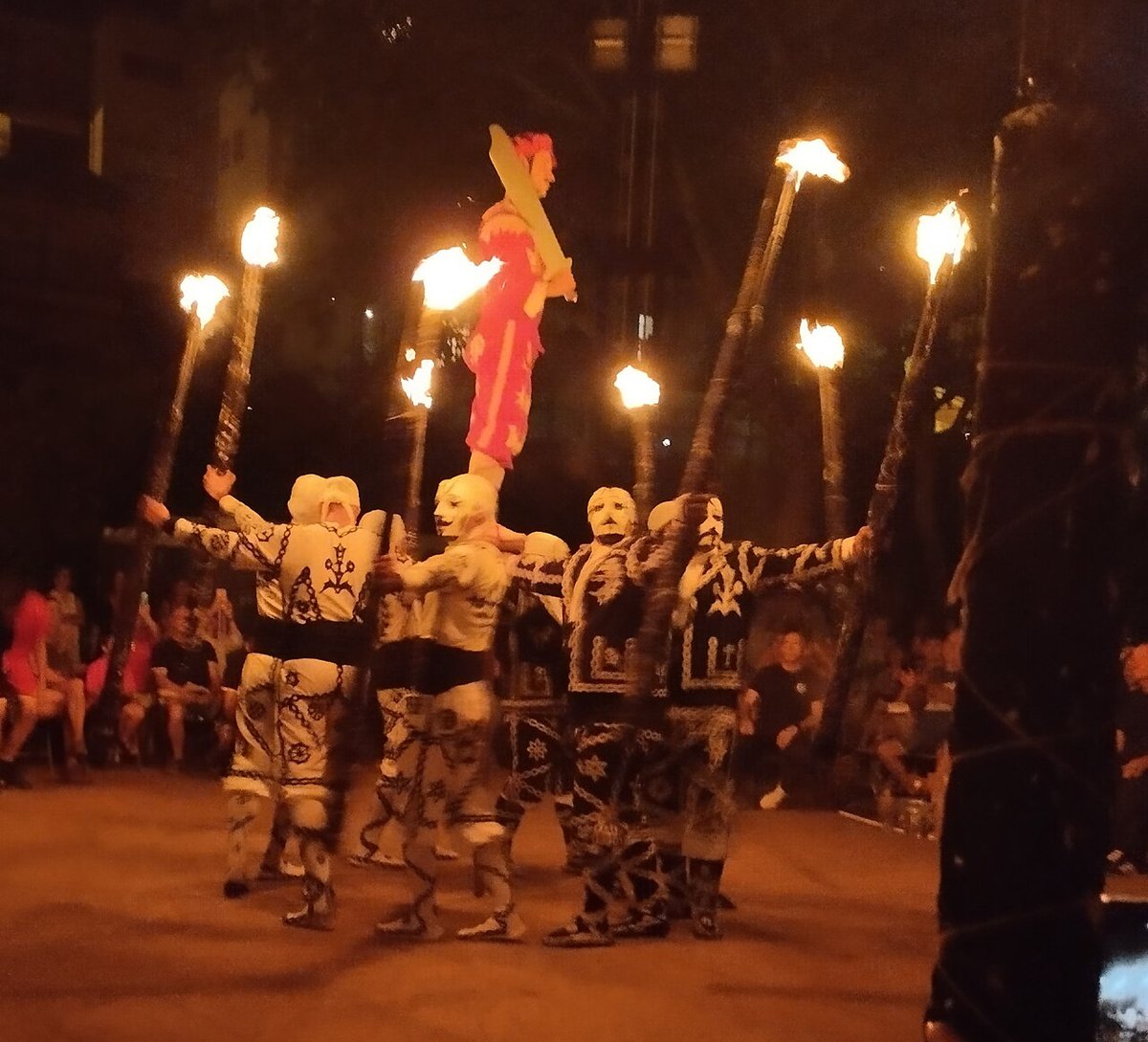
The festive calendar centres on San Pedro, the village’s patron saint. Celebrations take place at the end of June, combining religious events with gatherings in the streets.
During summer, there is also a climb to the hill of San Cristóbal, a romería that mixes devotion with social meeting. This type of outing is common in many Aragonese villages, involving a walk to a hermitage or nearby hill to spend the day together.
In winter, traditions linked to the domestic cycle continue. One example is the preparation of cured meats following the slaughter of the pig, a practice that for centuries ensured a supply of meat throughout the year.
Getting there and moving around
Villarroya de la Sierra lies within the Comunidad de Calatayud, in the province of Zaragoza. From the city of Zaragoza, the journey usually follows the A‑2 towards Calatayud and then continues along a regional road.
The village itself can be explored easily on foot. To understand it properly, it helps to spend time beyond the centre, following the agricultural paths that extend into the surrounding land. It is there that the relationship between the village and the territory that sustains it becomes most apparent.