Full Article
about Alobras
Hide article Read full article
A detour that becomes the destination
Some places are reached almost by accident, the kind you find after leaving the main road for a short break and ending up somewhere that seems to run at a different pace. That often happens with tourism in Alobras. It does not feature on many lists or quick routes through Teruel, and that helps shape the first impression: life here continues calmly, without much urgency.
Alobras is a very small municipality in the province of Teruel, with only a few dozen residents throughout the year. Getting there means travelling along secondary roads and crossing wide stretches of countryside. This is not somewhere you pass through on the way to somewhere else. People come because they want to see what these inland villages are like, where rural life is still clearly present.
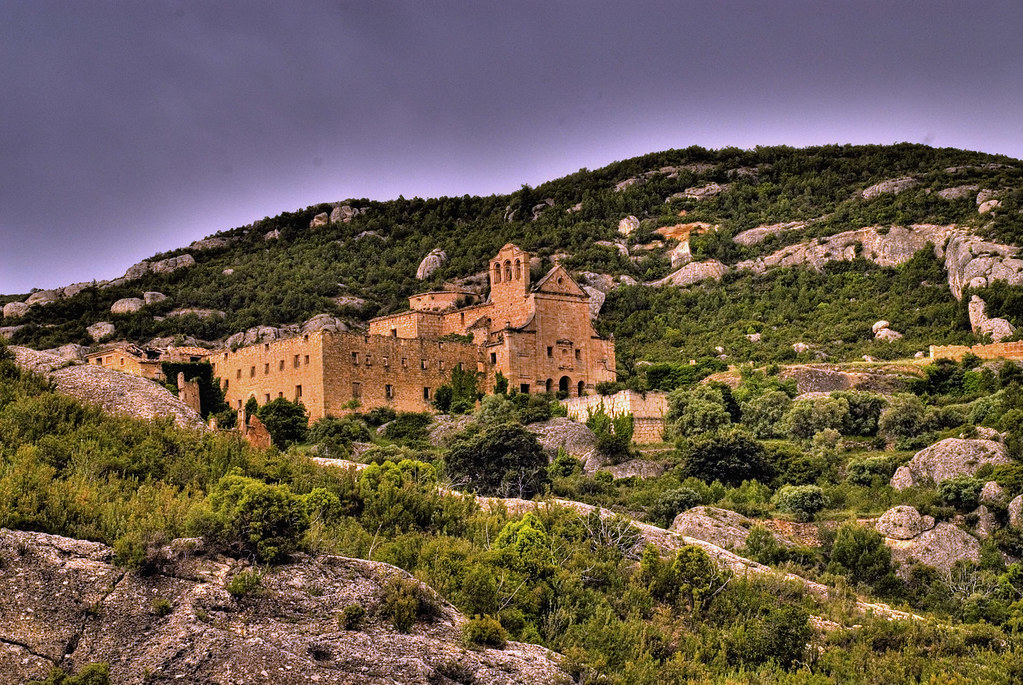
The houses follow the pattern found across this part of Aragón: stone construction, thick walls, and streets that rise and fall without any obvious plan. A walk through the centre brings the feeling of a place built gradually, as new homes were needed rather than according to a neat design. Large doorways stand beside restored façades, while others show the wear of many winters without trying to hide it.
The heart of the village
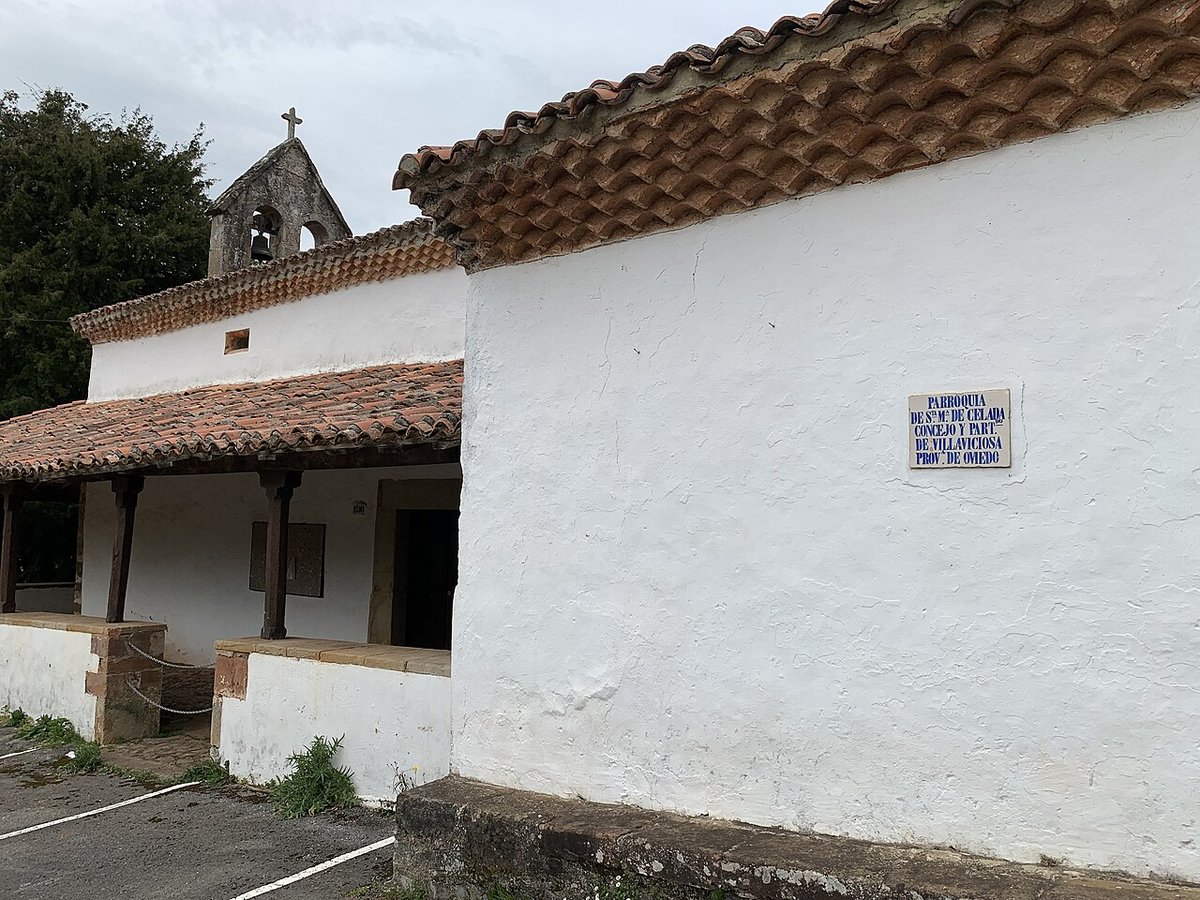
As in many small municipalities, daily life in Alobras centres on the church and the small square nearby. The parish church dedicated to San Pedro is the most recognisable building in the village. It is not monumental in scale. It fits the size of the place and serves its purpose as a meeting point during festivities, religious celebrations and everyday encounters among neighbours.
Summer brings a modest increase in activity. Families who still have homes here return for a time, and simple celebrations take place. There may be masses, a small procession, or gatherings in the square that stretch into the evening. It is the kind of setting where everyone knows each other, and conversations tend to last longer than planned.
The landscape around Alobras
The surroundings define much of Alobras’ character. The landscape combines scrubland, cultivated fields and areas of pine forest. There are no dramatic peaks or famous viewpoints. Instead, the terrain unfolds through a sequence of hills and ravines that shift in appearance with the seasons.
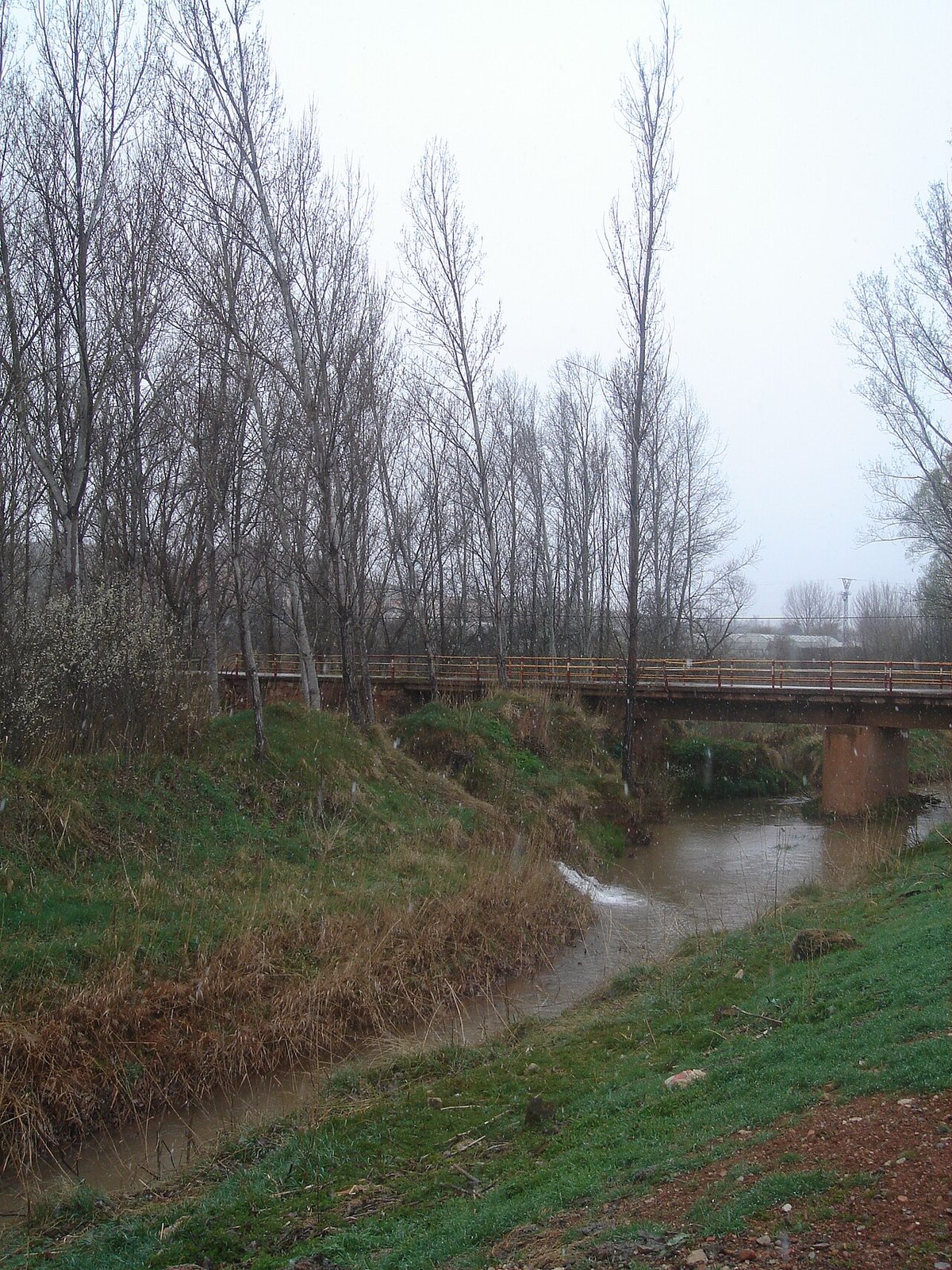
Spring brings more colour to the countryside, with greens that contrast against the pale soil. Summer changes the palette, with ochre tones and dusty paths becoming more dominant. Winter can alter the atmosphere completely. Snow falls here in some years, and when it does the village grows quiet, as though the volume of everything has been turned down.
Walking the old paths
The area around Alobras suits those who enjoy walking. There are many rural paths that have been used for generations, linking fields or guiding livestock across the land. Not all of them are signposted, but many can be followed without difficulty by simply leaving the village and heading along agricultural tracks.
This is a landscape where wildlife still appears without much effort. Birds of prey often circle above the ravines. With some luck, roe deer or deer can be seen at a distance, especially early in the day or towards evening.
These walks are not about famous long-distance routes. They are quieter outings, where the main sounds are the wind and the crunch of gravel underfoot.
Food rooted in tradition
The cooking associated with this part of Teruel follows long-standing habits. Dishes are substantial, designed for long working days outdoors and for the cold of winter. Stews with potatoes, pork, and cured sausages are typical, along with recipes that move from one household to another.
Seasonal produce also plays a role. Preserved fruit, dried figs and wild mushrooms appear when conditions allow. There is no developed food scene built around tourism. What exists is home cooking, the kind that has been prepared in the same way for generations.
When to go
Spring and autumn are usually the most comfortable times to explore the area. The weather tends to suit walking, and the landscape shows more contrast in colour.
Summer brings strong heat at midday, which is typical of inland Teruel. Earlier starts in the day make it easier to move around, leaving the hottest hours for shade.
Winter offers a very different experience. Cold days, little activity in the streets, and a noticeable stillness define the season. Some visitors may find it too quiet. Others will find exactly what they were looking for.
A place without spectacle
Alobras does not depend on tourism, and there is no sign that it is trying to reshape itself for visitors. That is part of its appeal. There are no signposted routes every few metres and no panels explaining each detail.
It is a place to arrive, take a slow walk, look at the surrounding landscape and gain a clearer idea of daily life in this part of Teruel. The visit ends with the feeling of having seen somewhere real, rather than a setting arranged for display.