Full Article
about Cella
Hide article Read full article
A hole that refuses to be ignored
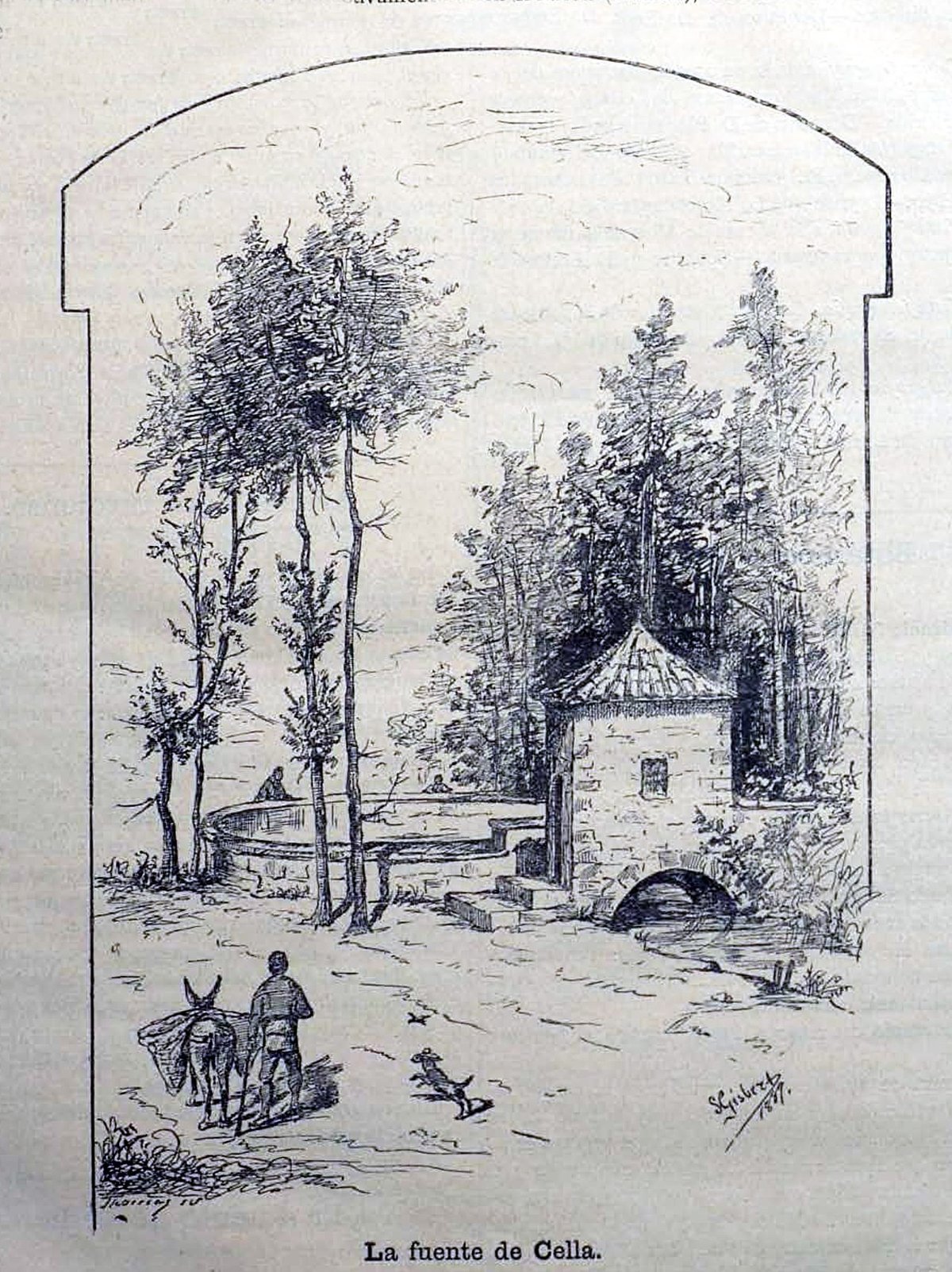
Cella has something unusual at its centre: a vast opening in the ground where water flows constantly. This is not an exaggeration. The cavity measures around 35 metres across and more than ten metres deep, with water rising steadily from below. It is known as the pozo artesiano de Cella, often described as the largest of its kind in Europe.
The first encounter tends to slow people down. There is no spectacle in the usual sense, no dramatic bursts or changes. Just water, endlessly emerging. Yet it holds attention in the same way a fountain in a town square can do. Nothing much seems to happen, and still it is difficult to walk away.
The well that keeps you longer than planned
The idea might be to pass through quickly, take a look, then move on. That plan rarely works out as expected.
There is a hypnotic quality to the pozo. Water rises day and night without interruption. Around it stands a structure completed in the 18th century by the architect Domingo Ferrari. It frames the spring with steps, railings, and a distinctly baroque feel. The design goes beyond pure function. It invites people to stop, lean in, and watch.
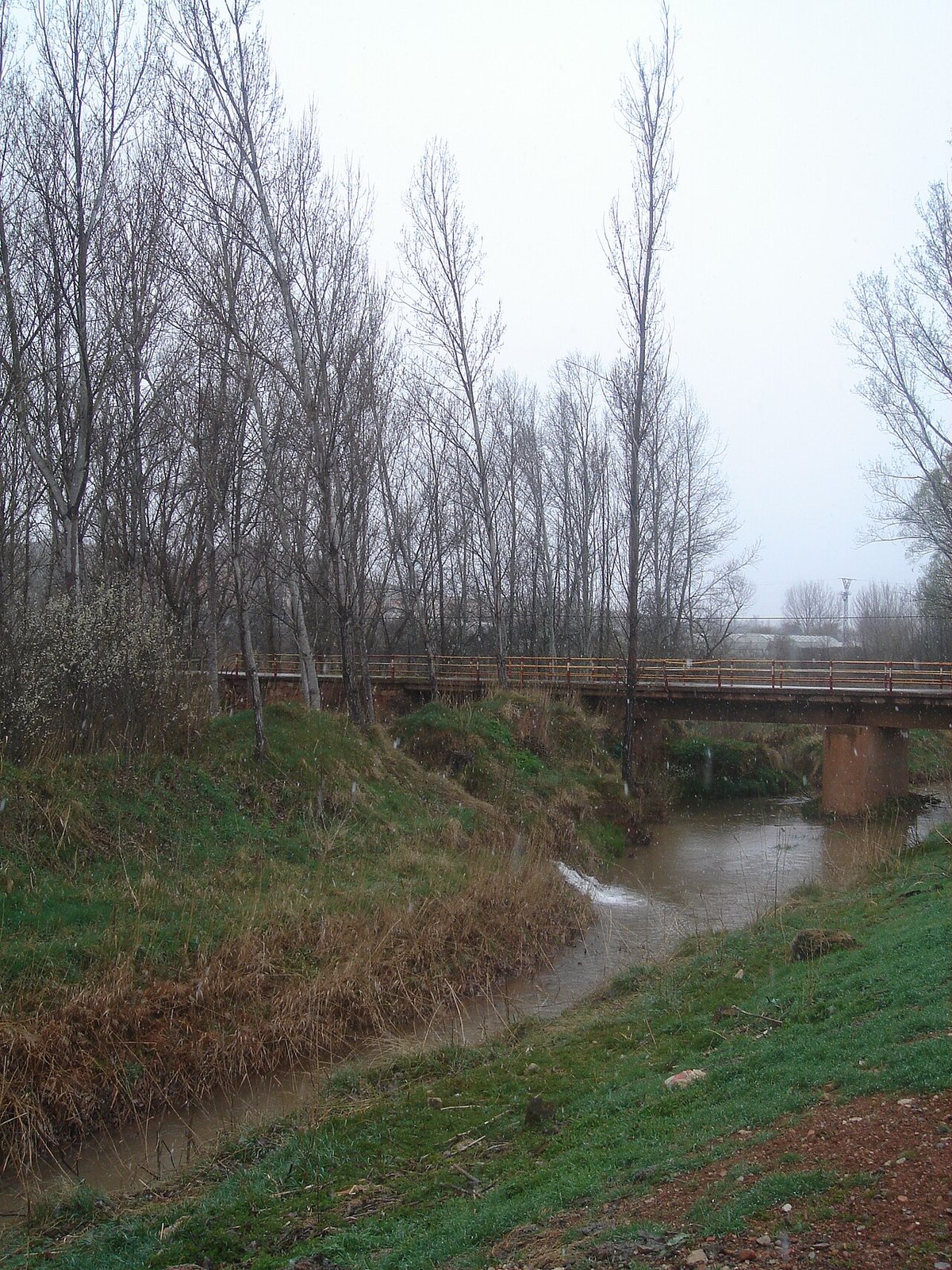
From this point, the river Jiloca officially begins. As it leaves the well, it moves gently through the first houses of the town. There is no rush to it here. The flow seems almost hesitant, as if the river is waking up before committing to its journey.
Traces of a walled past
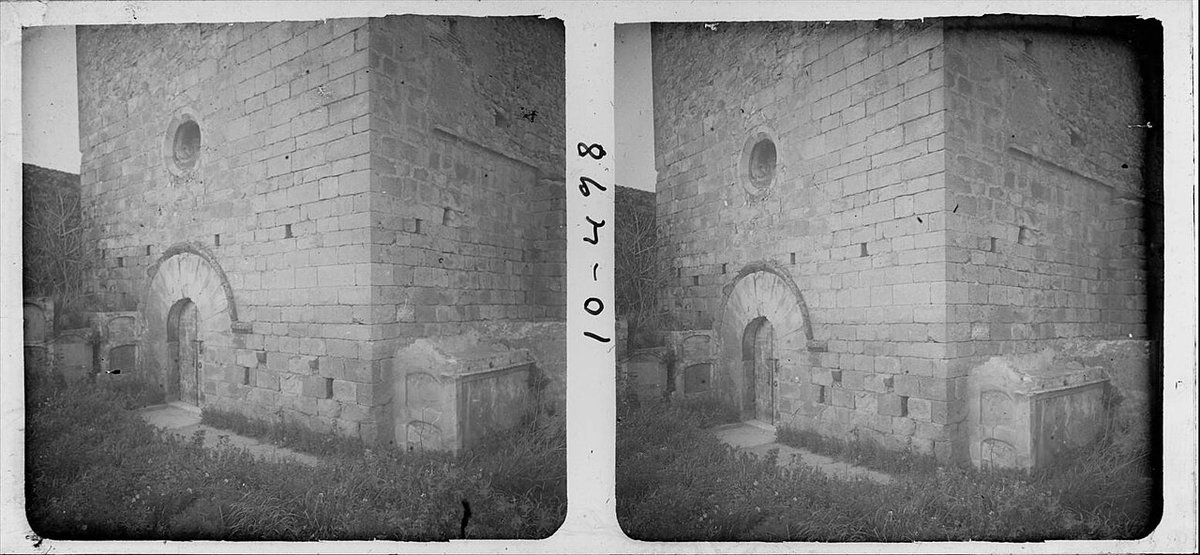
Cella held importance in the area during the Middle Ages. It once had defensive walls, usually dated to the 14th century. Today, only fragments remain, scattered between streets and buildings. They are easy to miss without a careful eye.
Control of the area shifted several times during the Reconquista before becoming definitively part of Christian territory under Alfonso II. Afterwards came repopulation, with settlers arriving from other parts of Aragon. Military orders and the Church also played a significant role in shaping life here over the centuries.
One detail stands out in the historical record. In the 15th century, the tribunal of the Inquisition was present in the town for a period. It did not last long, yet it left a mark in documents and local memory.
Food shaped by the land
Local cooking reflects the surrounding countryside and its rhythms.
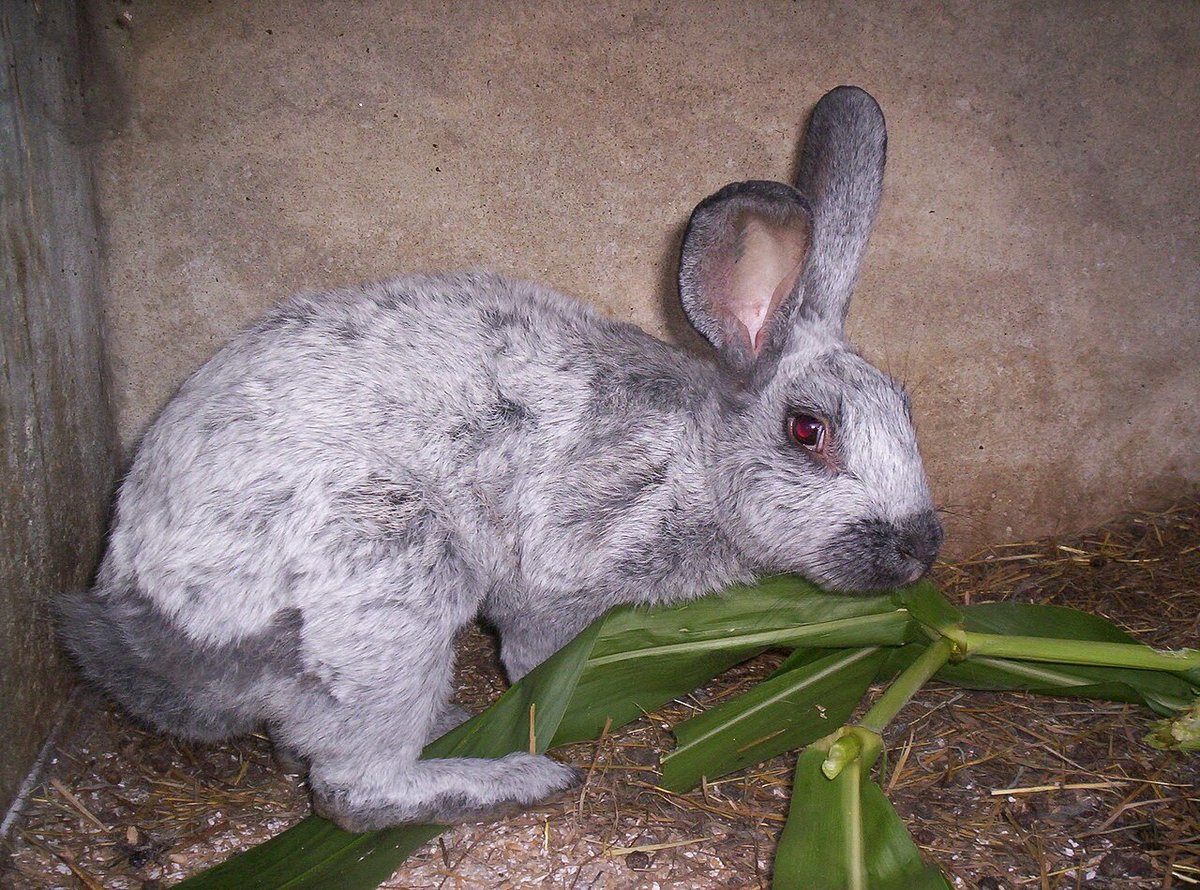
One dish associated with the area is “conejo al Jiloca”. Despite the name, it is sometimes made with hare rather than rabbit. The meat is stewed with wine, herbs from the region, and a noticeable touch of spice. It is the kind of dish that calls for bread alongside it.
Another staple is gachas. Made from flour, garlic, oil, and water, it has humble origins. On paper it reads like food from leaner times, yet when prepared well it delivers a straightforward, comforting flavour that feels closely tied to home cooking.
A short climb above the valley
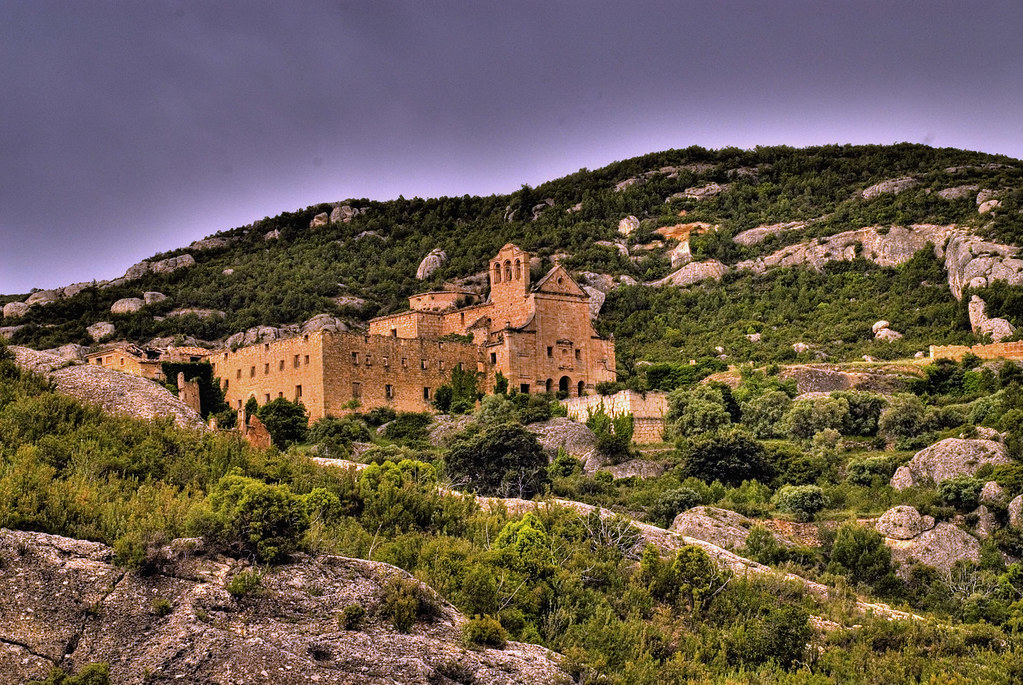
On one of the nearby hills are the remains of old fortifications. What survives today is limited, mostly ruins and the outline of what once stood, but the walk up is worthwhile.
The climb is brief, though it has a steady incline. At the top, the view opens out across the Jiloca valley. Fields stretch into the distance, with lines of poplars marking the course of the water. The landscape is largely agricultural and defines much of the surrounding comarca. From this vantage point, it becomes easier to understand how the river shapes both land use and settlement.
A name linked to the sky
Among the figures connected to Cella is Francisco Martínez Zarzoso, an astronomer from the 15th century. He worked with instruments designed to calculate the positions of planets. One of these devices, known as an ecuatorio, ended up preserved outside Spain and is now part of a historical collection in Oxford.
It is the kind of story that towns hold onto. Someone who began here, looking upwards, and contributed to the scientific knowledge of his time.
A place defined by water and everyday life
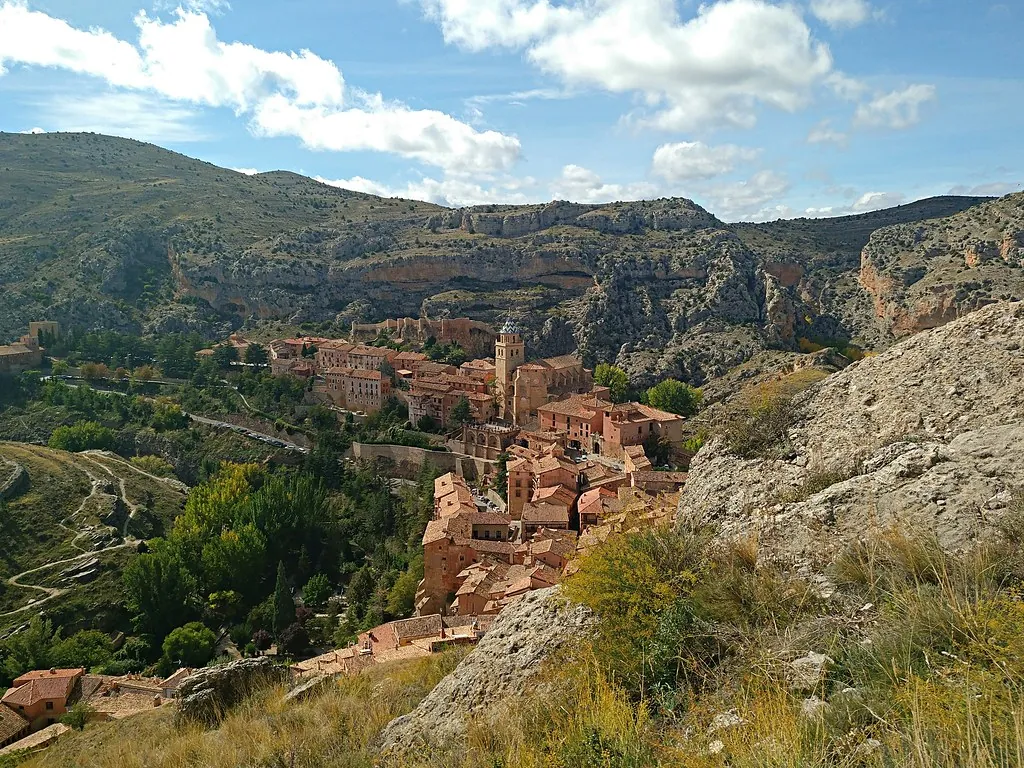
Cella does not compete visually with places like Albarracín or Valderrobres. The setting is more practical than dramatic: open fields, grain silos, tractors parked near houses. This is a town shaped by agricultural work, and it does not attempt to disguise that identity.
What sets it apart is that unusual feature at its heart. A large river source, right in the middle of the urban area, is not something encountered every day.
A visit does not need to be long to make sense. Spend some time by the pozo, walk through the central streets, and head up to the hill if there is time. In a short span, the essentials come into focus. Cella reveals itself quickly: water at its origin, layers of history, and the steady rhythm of rural life.