Full Article
about Cubla
Hide article Read full article
A Slow Start in the Morning Light
Morning arrives slowly along the main street. At that hour there is barely a sound: a door opening somewhere, the dry tap of boots on stone, the wind nudging a loose sheet of metal in a yard. Tourism in Cubla begins like this, with silence and a cold, clear light. This small village in the province of Teruel sits more than a thousand metres above sea level, and that height is noticeable in the sharpness of the early air.
Cubla has around fifty residents today. Its scale becomes clear quickly. In half an hour, the entire village can be walked at an easy pace. Streets rise and fall between houses built of stone and wood, designed to withstand long winters. Windows are small, eaves extend well out, and thick walls hold on to warmth when the temperature drops.
Around the Church of San Pedro
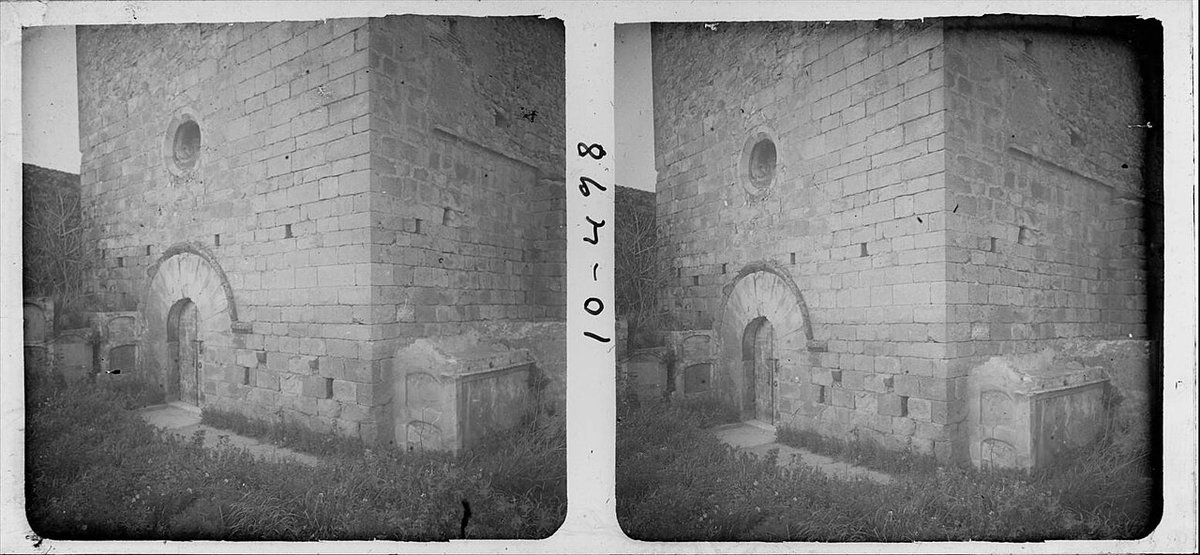
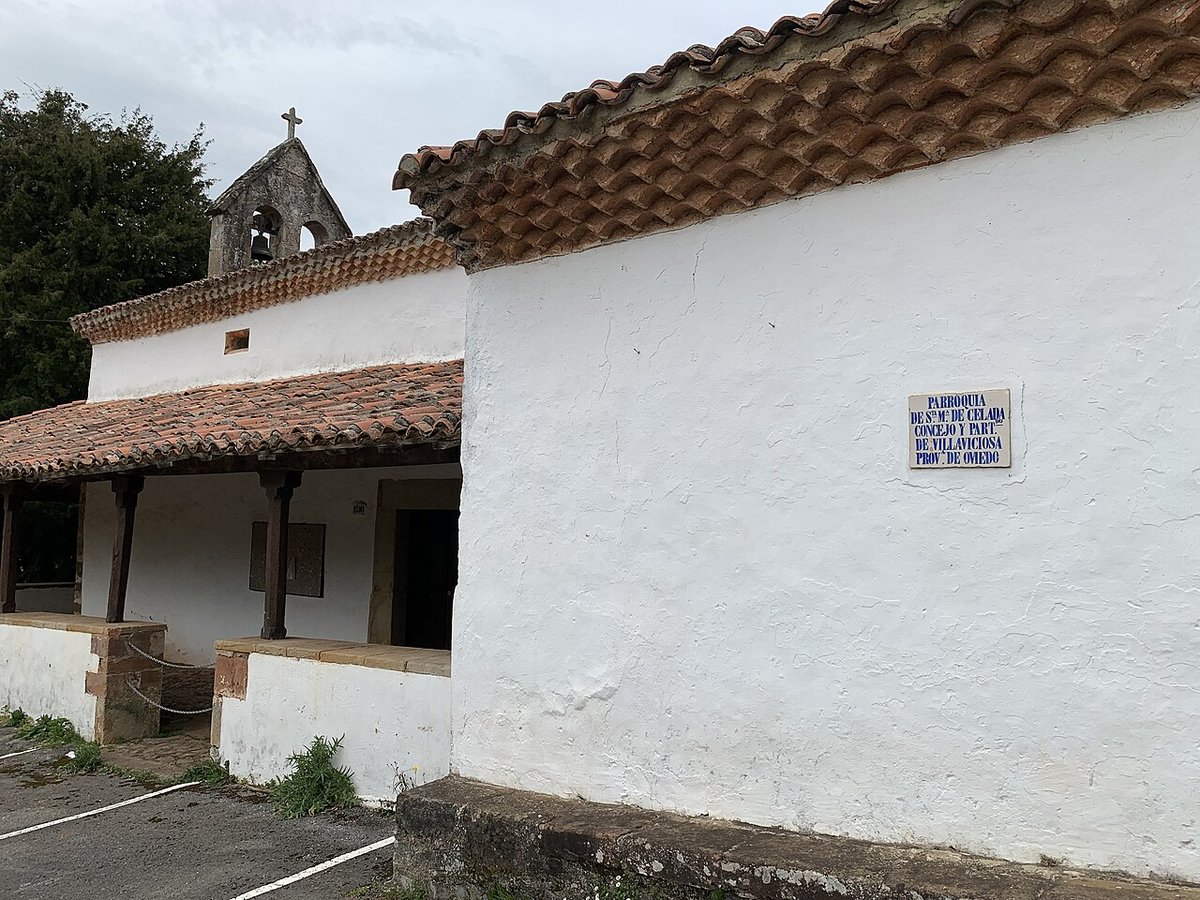
The tower of the Iglesia de San Pedro can be seen from almost anywhere in the village. It is not a monumental structure, yet it sets the rhythm of daily life. By mid-morning the bell often breaks the stillness of the valley, its sound bouncing gently off the nearby slopes.
The oldest houses cluster around it. Some still have large wooden doors, the kind once used for storing tools or sheltering animals. On certain walls, time has left its marks: stones darkened by damp, beams slightly warped after decades of snow and wind.
There is a small square with a stone bench facing open countryside. In summer, pots or hardy plants appear there, able to withstand the strong sun. In winter, if frost has settled overnight, the ground turns pale and slippery by morning.
Fields, Slopes and Changing Colours
A few steps beyond the last houses, the countryside begins. First come small kitchen gardens and old terraces. Then the land opens out into fields of cereal and patches of low scrub. The colours shift noticeably with the seasons. Summer brings ochre tones, spring introduces muted greens, and winter leans towards greys when the cold sets in.
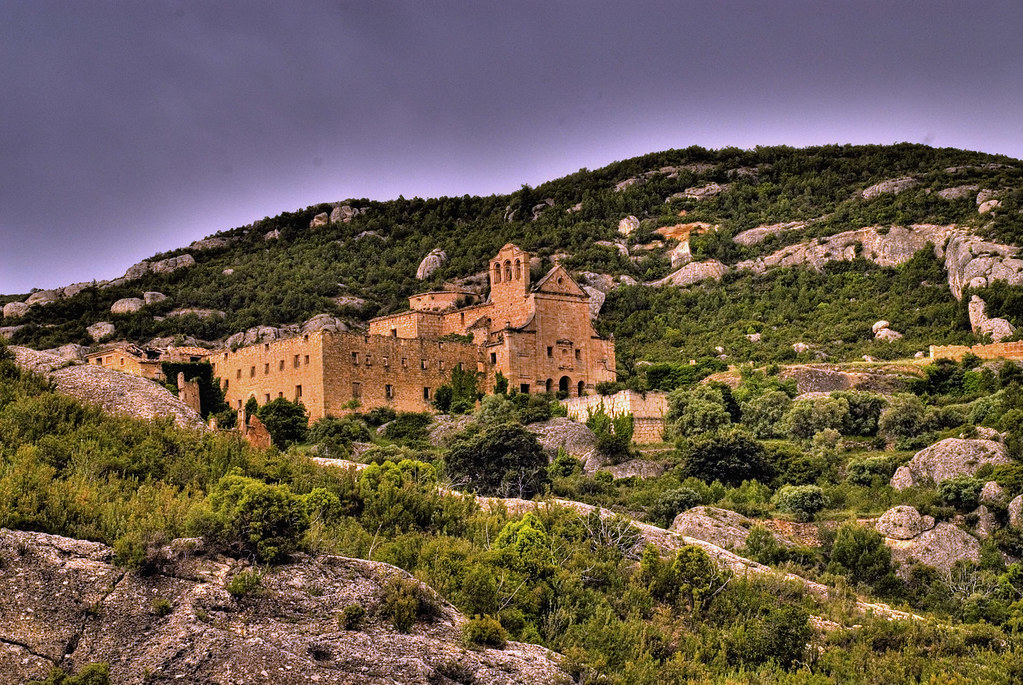
The nearby slopes are made of pale rock. As the sun drops in the late afternoon, the stone takes on a soft orange tint. It is a brief moment, but it alters the whole feel of the landscape.
Along the dirt tracks, birds of prey can sometimes be seen gliding above the fields. Smaller flocks move between the nearby pine woods. There is little in the way of signposting, so anyone heading out for a longer walk needs to have a clear idea of their route.
Walking at an Unhurried Pace
Several agricultural tracks leave the village and run into areas of young pine forest and shallow ravines. These are quiet paths, mainly used by locals working the land or checking their plots.
In the early afternoon, the scent of pine resin mixes with that of dry soil. In autumn, after rain, the ground releases a darker, damp smell that lingers on clothes.
For walking, the middle hours of summer are best avoided. Shade is uneven, and some stretches are very exposed.
Two Very Different Seasons
The climate shapes daily life here. Summer days can be warm, but once the sun sets the temperature drops quickly. Even in August, a jacket is often needed after dark.
Winter is another matter entirely. Frost is common, and in some years snow covers roofs and paths. When that happens, the village becomes almost still. The sounds change: footsteps on compacted snow, the occasional chimney in use, very little else.
Travelling during the colder months calls for checking the weather before taking the secondary roads in the area.
Reaching Cubla
Cubla lies a few kilometres from the city of Teruel, reached by quiet roads that cross open fields and pass scattered settlements. The journey is not long, though the final stretches are local roads where it makes sense to drive without haste.
There are no large services and no constant flow of visitors. For that reason, the village keeps a very recognisable rhythm: slow mornings, afternoons tied to the land, and nights where the sky fills with stars, with barely any surrounding light.
Cubla is not a place of continuous activity. It feels more like a pause on the high plateau of Teruel, a setting where what matters unfolds slowly and almost always outdoors.