Full Article
about Jorcas
Hide article Read full article
Arriving Without Expectation
Some places appear almost by accident. Jorcas is one of them. The road winds through bend after bend, traffic fades away, and pine forest closes in on both sides. Then, without much warning, the village comes into view. First impressions of tourism in Jorcas feel a bit like stepping into an elderly relative’s mountain house: silence, stone everywhere, and the sense that time moves differently here.
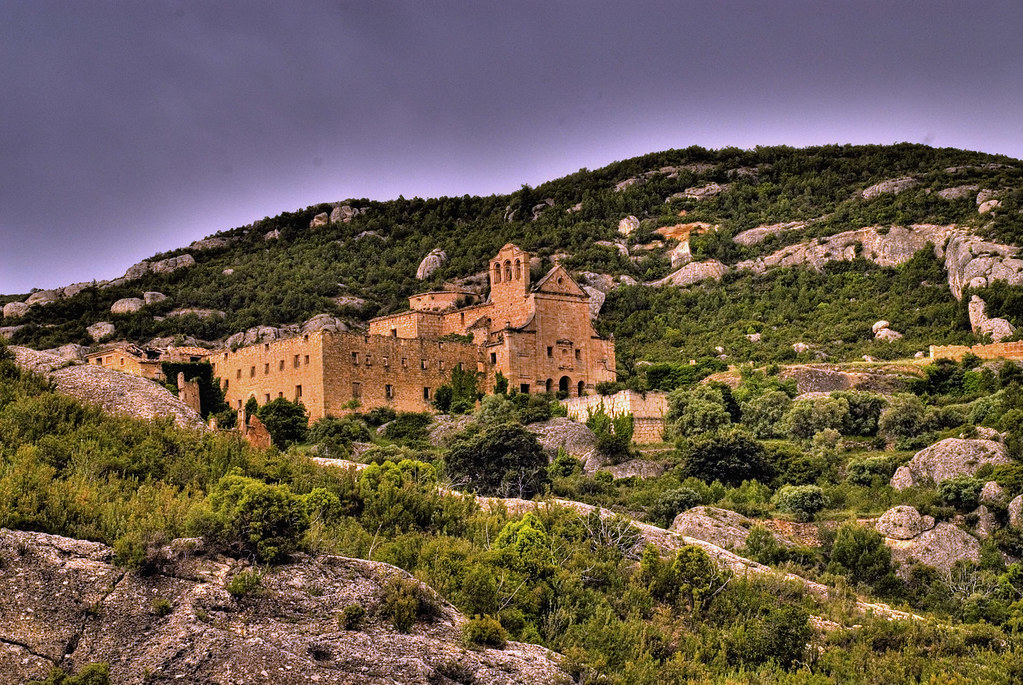
Jorcas is very small, with only a few dozen residents, set high in the province of Teruel and surrounded by woodland. It is not a destination built around attractions or steady visitor activity. What defines it instead is its setting: forest, ravines, and a handful of houses that have stood here far longer than any passing visitor.
A Village Built for Winter
The centre can be covered in minutes. Narrow streets run between stone buildings designed to endure long, harsh winters. There are no carefully restored façades aimed at visitors. Many houses still look purely practical, with large doors, thick walls and small windows.
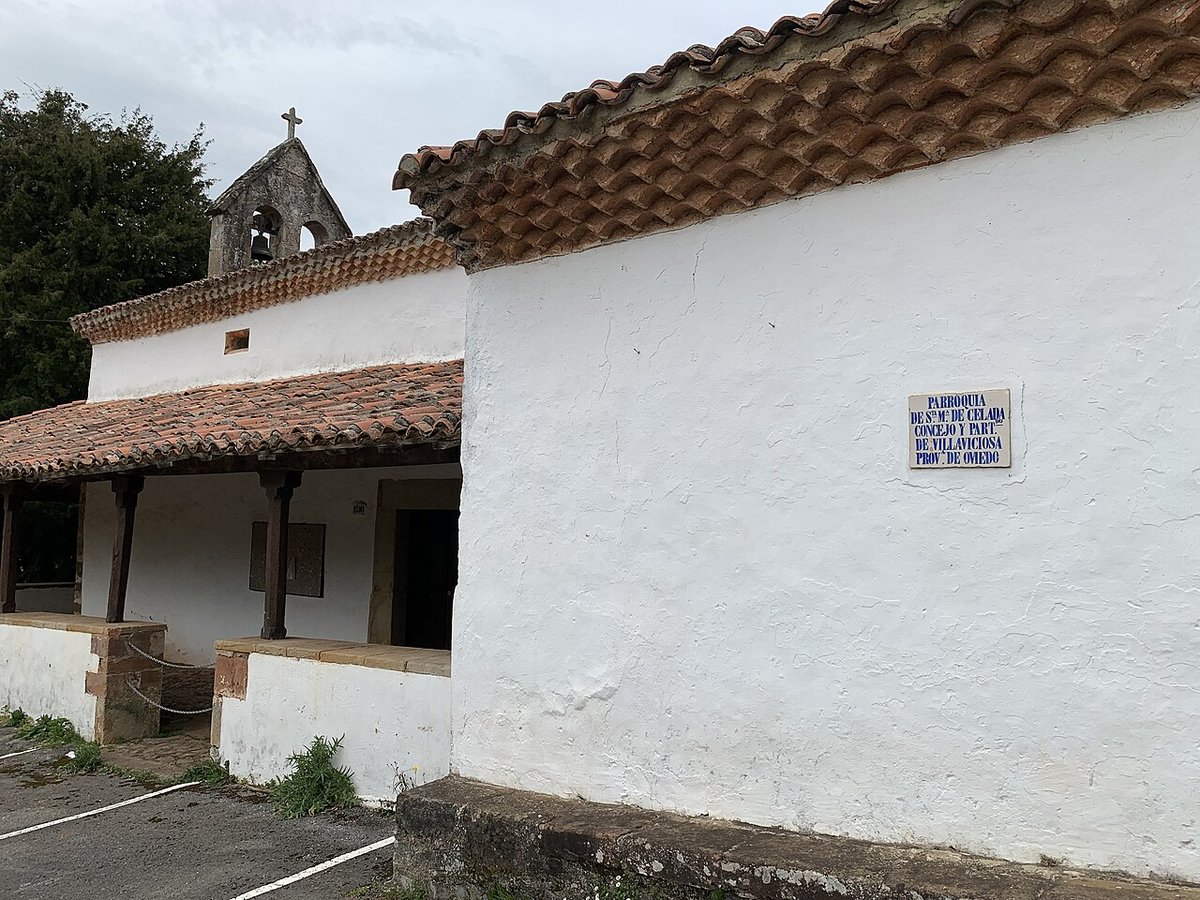
The church of San Andrés stands out as the most recognisable building. It is not grand or imposing. It has the character of a mountain parish church, constructed with the materials available at the time. A closer look at some façades reveals lintels carved with dates or old markings, small details that hint at centuries of winters passing by these same walls.
Silence is what lingers most. At certain times of day, it is entirely possible to walk across the village without encountering anyone.
Where the Forest Begins
The edge of Jorcas is not really an edge at all. Paths lead out from the last houses, and within minutes the pine forest takes over. There are no official routes to follow, no interpretive panels guiding the way. Walking here is simple: choose a track and see where it leads.
The landscape is typical of this part of Teruel. Low hills are covered in forest, with occasional open patches where juniper or holm oak appear in scattered clusters. Rocky outcrops emerge unexpectedly in places. It suits those who prefer walking without much signposting, where time can be spent following forest tracks rather than fixed routes.
A bit of preparation helps before setting out. There are many paths, and after a while they begin to look much the same.
Wildlife does not present itself easily, but there are signs if you pay attention. Birds of prey can be seen circling above the ravines, and small traces of animals appear among the undergrowth. The experience is more about noticing than spotting.
Rural Life Without Decoration
Jorcas has no shops, no constant movement, and nothing arranged with weekend visitors in mind. That absence is part of its character.
Life here has long revolved around the land, the forest and livestock. Many of the traditions that remain are tied to that rural calendar: shared work, family gatherings, and seasonal returns. Summer is when the village fills out a little, as people with roots here come back.
The patron saint festivals usually take place in August. During those days, the rhythm of the village changes as more people arrive and activity briefly increases.
Winter brings a very different atmosphere. Few lights show at night, and the quiet deepens.
Eating as It Has Always Been Done
Jorcas is not a gastronomic destination in the usual sense. There is no offering designed for travellers passing through.
What exists instead is traditional cooking: hearty stews, lamb dishes, products from the annual pig slaughter, and wild mushrooms when the season allows. These meals tend to appear in family settings or when people return to the village, rather than as something organised for visitors.
In simple terms, food here reflects the way people have always eaten in the mountains.
The Road In and the Reality
Reaching Jorcas requires patience. The approach follows mountain roads, and the final stretch is usually along smaller routes with plenty of bends and forest on either side.
Winter conditions can be demanding. Cold temperatures are common, and ice on the road is not unusual during the harshest days, so checking conditions before travelling is sensible.
Anyone planning to stay longer than a short visit will usually base themselves in nearby villages and drive in.
What You Will Find, and What You Will Not
Jorcas does not have famous monuments or museums. There is no historic centre prepared for hours of sightseeing.
What it does offer is something quieter: a very small village in the middle of the mountains, with few inhabited houses and a wide landscape all around. It is the kind of place where the most meaningful thing can be as simple as sitting for a while, looking out over the valley and listening to the wind move through the pines.
Not everyone connects with places like this. For those who do, Jorcas leaves a lasting impression. It shares something with those roadside stops where expectations are low, yet the pause ends up lasting longer than planned.