Full Article
about Libros
Hide article Read full article
A quiet start in Libros
Early in the morning, as the sun begins to lift the low mist from the Turia, the air in Libros carries the scent of turned earth and dry cereal. A shutter opens with that familiar metallic rattle of a small village, and for a few minutes the only sound is a tractor fading away along a track. That is how many days begin here. Tourism in Libros does not revolve around monuments or a packed calendar. It is shaped by the landscape around the village and the unhurried pace of the fertile plain.
The houses cluster along narrow streets where the stone is worn smooth at the edges. Walls mix fresh whitewash with older stretches of adobe. Not everything has been restored, and there is no real sense that it should be. Some façades show gradual repairs, the kind that happen over time in places that are lived in all year round.
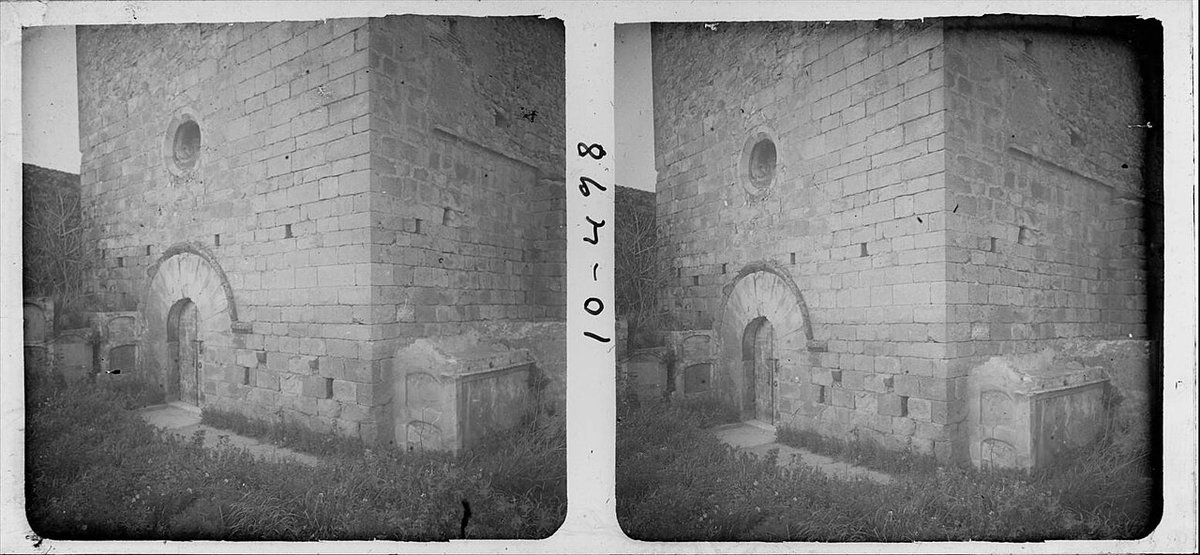
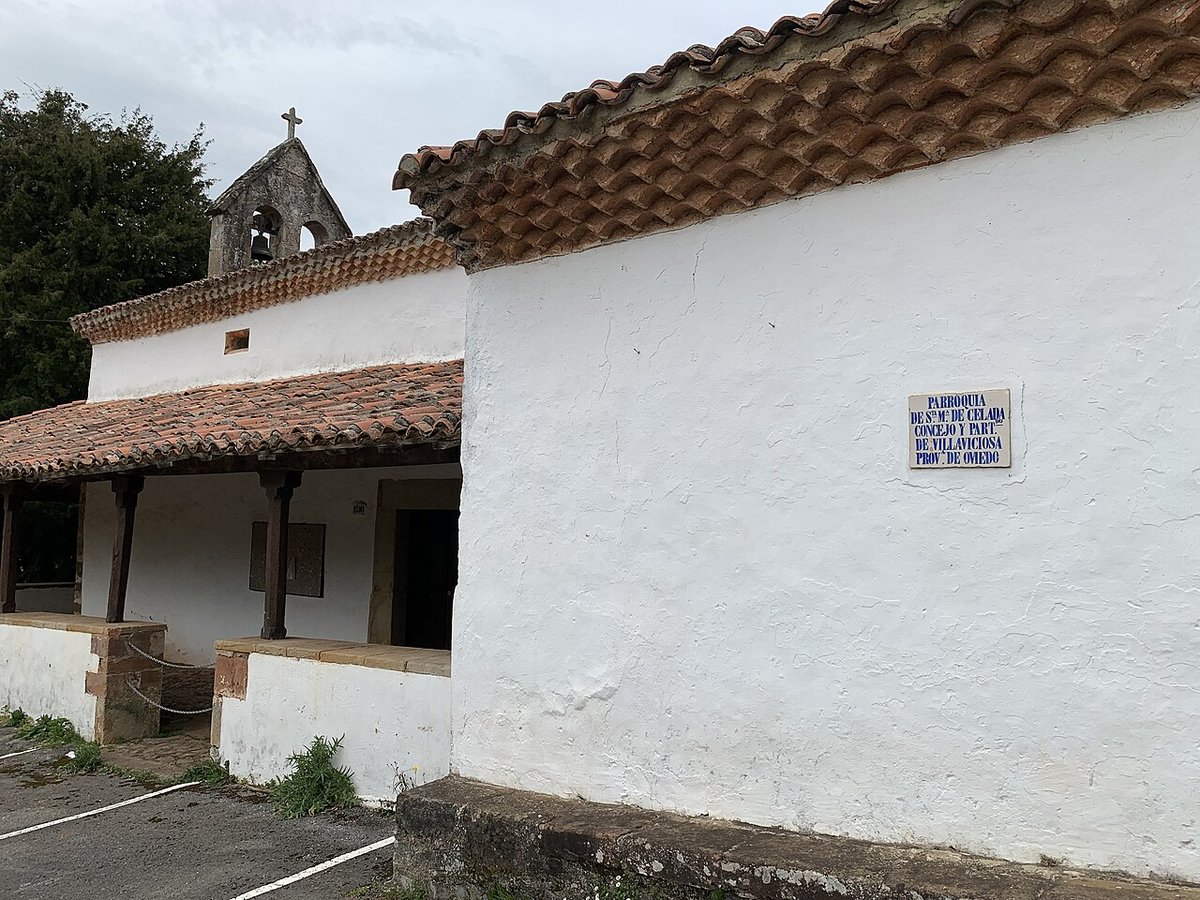
The parish church of San Pedro stands on a slight rise within the village. The current building appears to date from the 16th and 17th centuries, though it has been altered later on. Its tower, with little decoration, works as a clear point of reference, whether arriving by road or heading back after a walk in the surrounding fields.
The Turia plain and the surrounding hills
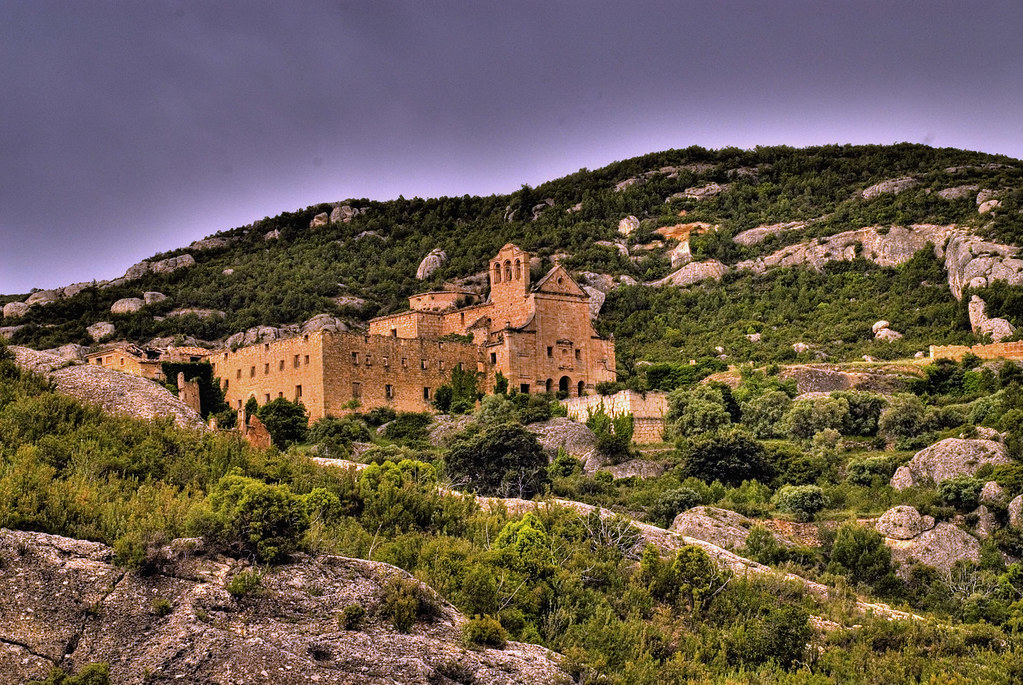
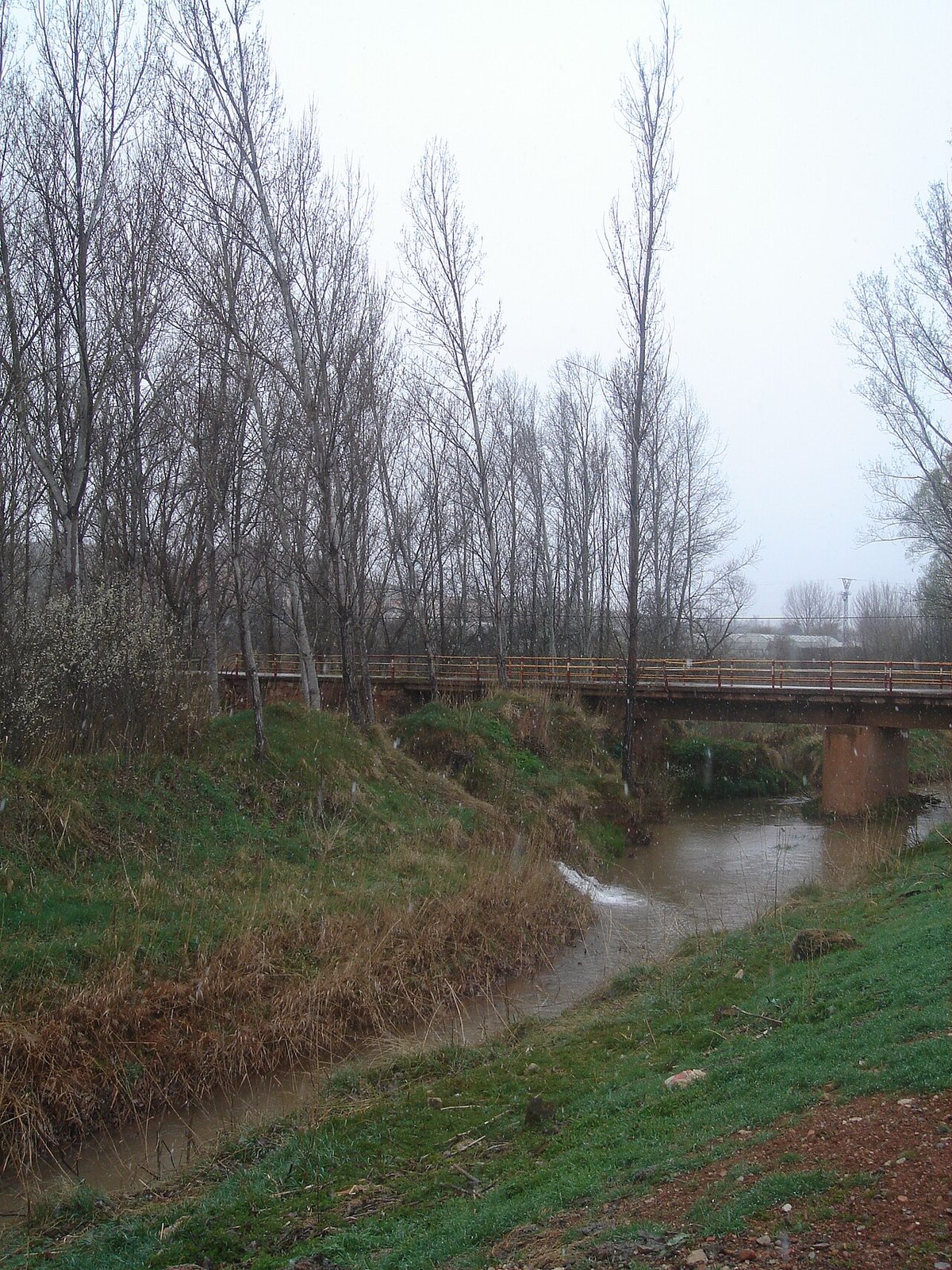
Leaving Libros towards the river, the view opens quickly. The vega del Turia forms a more fertile strip between soft, dry hills. The colours shift with the seasons. In spring the fields turn a strong green, then move to yellows and ochres as the cereal dries, and finally to dusty browns during the harsher summer months.
Standing still on one of the farm tracks, the contrast becomes clear between the quiet flow of the river and the stillness of the surrounding countryside. It is especially noticeable in the late afternoon, when the sun drops towards the west and the light picks out rows of olive trees and the dry stone walls that still divide some of the plots.
With binoculars, it is quite common to spot small birds of prey gliding above the fields. Kestrels and kites tend to appear once the wind begins to pick up by mid-morning.
Walking at an easy pace
From the village itself, agricultural tracks follow the course of the Turia or climb gently into the nearby hills. They are not marked as official routes, but they are used daily by local people and can be explored on foot or by bicycle when the ground is dry.
Along these paths, small details appear: the remains of stone animal pens partly covered by grass, old irrigation channels, and the occasional well protected by slabs. They are easy to miss if you rush through.
After heavy rain, it is worth thinking twice before setting out along some of these tracks. The mud here sticks firmly to both shoes and bicycle wheels, making progress slow and messy.
A village shaped by agriculture
Life in Libros is still closely tied to the land. Around the village there are cereal fields, scattered olive trees and small vegetable plots near the river. During harvest season, the usual calm of the streets is broken by the movement of machinery.
Home cooking reflects what has long been available in the area. Lamb, cured sausages prepared at home, and slow-cooked stews are central to the local diet. This is not a place with a food scene designed for visitors. Meals follow longstanding habits rather than trends.
Local celebrations gather around San Pedro, the village’s patron saint. Traditionally there are religious events along with gatherings in the square, where residents who live elsewhere return for a few days in summer.
During these days, the atmosphere changes noticeably. There are more voices in the streets, more parked cars, and long conversations that stretch into the evening as the heat begins to ease.
Getting there and when to go
Libros lies around 30 kilometres from the city of Teruel, following the N‑330 southwards. This road runs alongside the Turia valley for several stretches, and access by car is straightforward.
At first light and again at dusk, it is best to drive carefully. Wildlife often moves towards the river at these times, and encounters on the road are not unusual.
There is no regular public transport linking the village easily, so travelling by car is the usual way to explore nearby places in the valley, such as Villel or the villages further downstream towards the Rincón de Ademuz.
Spring and autumn are generally the most pleasant seasons for walking in the area. The countryside shows more colour, and temperatures allow for time outdoors without the sun becoming too strong by mid-morning.
Summer brings noticeable heat around midday. It is more comfortable to head out early or wait until late afternoon, when the light softens and air begins to move again across the hills.
Winter is cold and the days are much shorter. In years when it snows, the rural tracks can become difficult to use, although the landscape changes completely and the valley takes on a different character.