Full Article
about Peralejos
Hide article Read full article
Light slips sideways into the streets at eight in the morning, bouncing off pale stone. The air is cold and carries the scent of woodsmoke from a single chimney. A car starts somewhere, slowly, and from the distance comes the dry sound of a corral gate opening. This is how time begins here, in a place still half-asleep.
You can walk Calle Mayor in just a few minutes. The uneven paving forces you to slow down, your eyes moving between the ground and the buildings above. Iron balconies hold geraniums gone woody with age, and worn wooden doors sit flush with the street. Fewer than a hundred people live here. There is no steady traffic, no shopfronts competing for attention, just a row of houses and the occasional corner where the street narrows more than you expect.
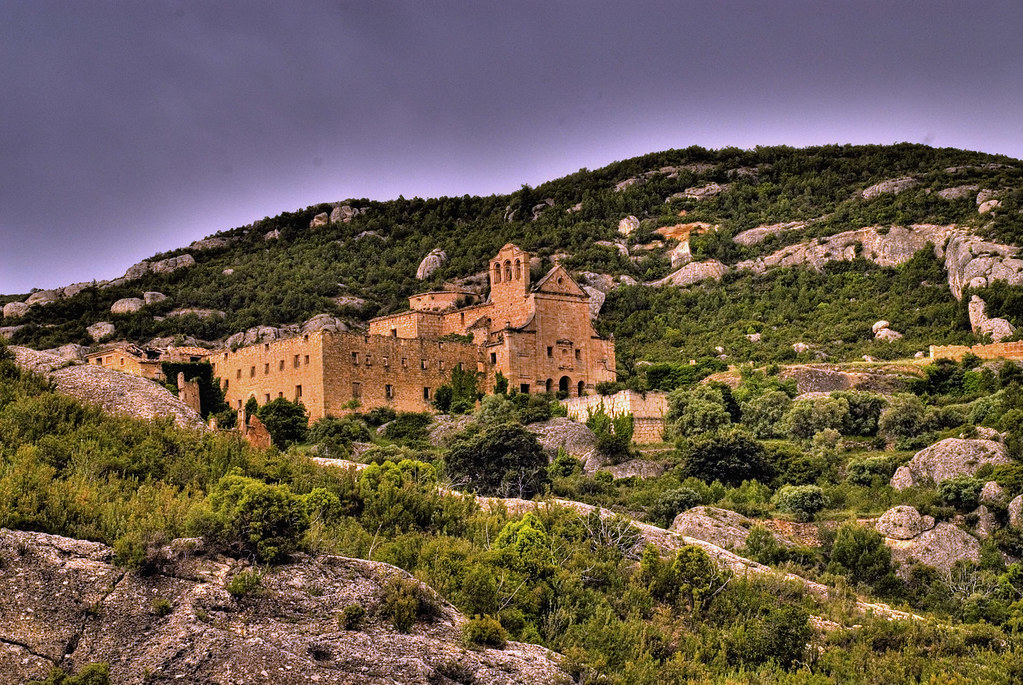
Peralejos sits in Teruel, at close to a thousand metres. Around it stretch dry farmland and patches of pine, with oak trees breaking up the low scrub. The wind moves freely here. Even on clear days, you hear it passing through cables and over rooftops, a constant low whistle.
The parish church of San Juan Bautista stands at the centre. It is a solid building with thick walls and a square bell tower, much like others in this part of Aragón. The oldest streets are arranged around it, their stone doorways carrying traces of alterations made over centuries.
Short streets and a square where the afternoon slows
Climb towards the upper part and the village square comes into view. It is not large. A few benches sit around a fountain with a steady drip. A small kiosk, closed for most of the year, becomes a meeting point in summer. When the sun drops later in the day, neighbours gather here. They sit and talk without hurry. Their conversations blend with the sound of water and the scrape of a chair shifting across the ground.
The houses keep their original appearance: stone walls, narrow balconies, wide doorways meant for carts or livestock. Some have updated windows or roofs, yet the overall feel remains consistent. The village seems to have grown gradually, without any grand plan guiding it.
Paths that lead outwards
From the edges of Peralejos, several dirt tracks branch out into the countryside. They are not always signposted, but their purpose is clear. These were agricultural routes. They cross old terraces, pass by corrals made of grey stone, and reach the occasional isolated masada, its roof often caved in.
In certain spots, you can still see dry-stone structures: corrals, small shelters, storage spaces for tools. Many are partly overtaken by brambles or have walls bowing outward. They mark how rural life was organised here, a geometry now softening back into the land.
The terrain is gentle, without steep inclines. Walking is straightforward if you carry water and something warm. Even on bright days, the air turns cool when the wind picks up across the sierra.
Spring changes the landscape quickly. Green shoots appear across fallow fields after rain. Autumn brings ochre tones to the ground, covered in leaves and dry pinecones. In moments of quiet, look up; birds of prey often glide over the open land.
A village still tied to the land
Livestock farming remains part of daily life, though on a smaller scale than before. You might come across sheep or horses grazing in stubbled fields near the village. Early in the day, the sound of bells still forms part of the background.
In many homes, traditional food preparation continues when colder weather arrives. Longaniza, chorizo and morcilla are made as part of a domestic routine passed down through generations. During certain seasons, people also gather fruit from abandoned trees to turn into preserves.
The village festivities usually take place in summer when former residents return. The square fills again with music and shared meals that stretch late into the night. In winter, the atmosphere shifts completely; you notice the silence.
Getting there and when to go
You reach Peralejos via secondary roads that cross the sierra from different points in Teruel. The final stretch is narrow and winding; travel during daylight if the route is unfamiliar.
Spring and autumn are generally the most pleasant times to visit. Summer brings more activity, especially in August when families return. Winter announces itself with frequent frosts; some years, snow complicates the surrounding paths.
One practical detail matters here: services in villages this small are not always available every day. If you plan to spend several hours walking in the area, carry water and some food with you. Distances can be deceptive; the next inhabited place is often farther away than it appears on a map