Full Article
about Rillo
Hide article Read full article
Turning the Volume Down
Some places feel like turning down the radio after a long drive. The noise fades and everything settles. That is what happens with tourism in Rillo. You leave Teruel, follow a sequence of bends in the road, and by the time you arrive the rhythm has already shifted.
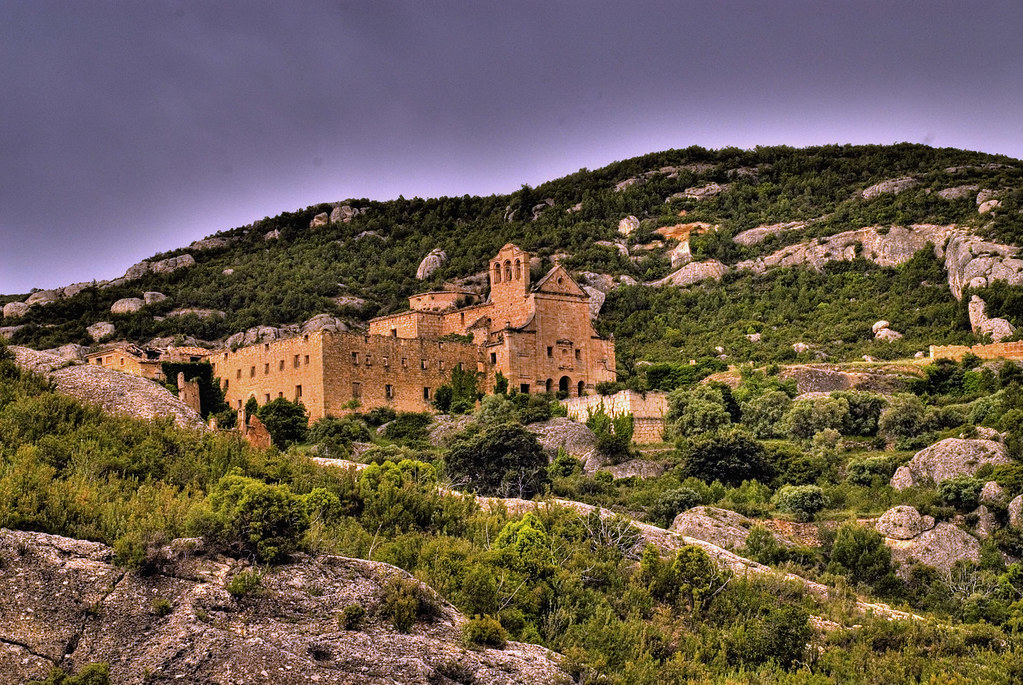
Rillo sits at about 1,269 metres above sea level and has roughly a hundred residents. It feels closer to a small block of neighbours than a town, the kind where everyone recognises each other. The stone houses are well kept without trying to impress. Nothing looks staged or arranged for visitors. It quickly becomes clear who lives here year round and who appears at the weekend.
The streets are short, and the quiet is real. Walk alone and you hear your own footsteps. In summer the sky fills with stars, like switching off every light at home and leaving just a window open to the countryside. In winter snow reshapes the view and the village looks clean, almost like a blank page.
Built for Weather, Not for Show
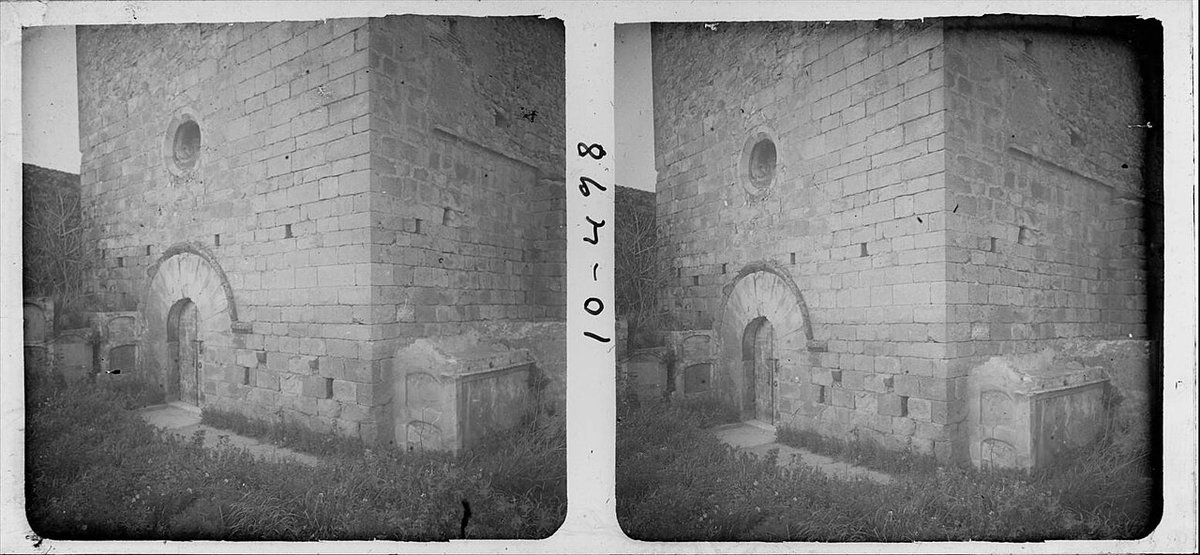
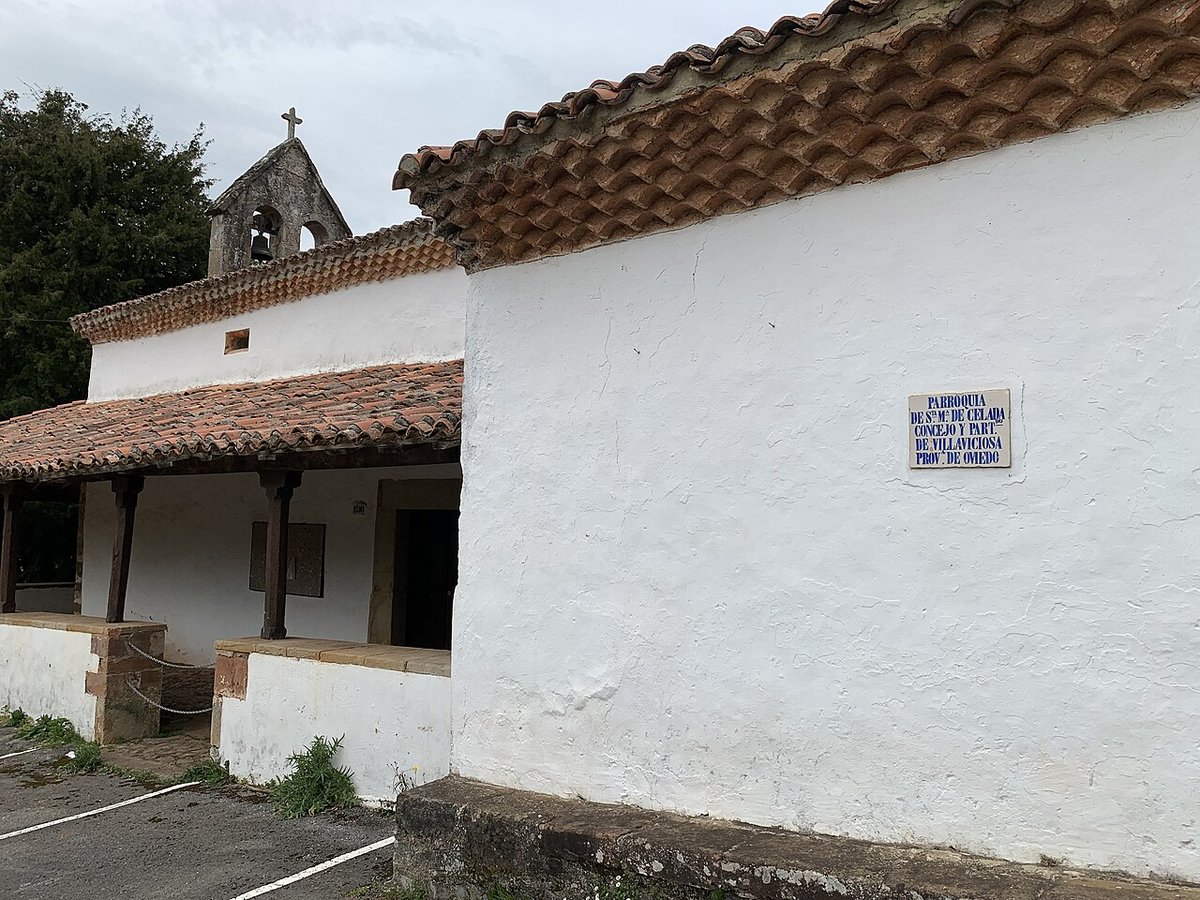
The centre of Rillo revolves around the church of San Pedro. It is built from local stone and is notably plain. There is no emphasis on decoration. The square bell tower feels placed with practical thinking in mind, more functional than ornamental.
The parish has seen generations pass through for baptisms, weddings and farewells. Inside, there are still remains of old altarpieces and a small space dedicated to the Virgen del Rosario, traditionally regarded as the patron.
The houses around the church follow the logic of a place with a harsh climate. Thick walls, small windows and roofs covered with traditional curved tiles known as teja árabe. It is architecture that says the cold stays outside. That idea makes immediate sense to anyone who has experienced a winter in the hills.
Along Calle Mayor, which runs parallel to the road, there are still stone enclosures and large gateways. They resemble garages from another era. Animals once passed through them. Now many serve as storage spaces, or simply remain in place as reminders of how the village made a living.
Beyond the houses stretch dry farmland and a few small vegetable plots. Nothing dramatic, but the land carries the scent of thyme and rosemary, like opening a jar of herbs in the kitchen. The wind spreads that smell across the valley.
Paths That Ignore the Clock
Rillo has several walking paths known mainly to locals, and not always marked in guides. They begin at the square or at the edges of the village, then slip into small ravines and low hills.
One route heads north. It follows the edges of shallow gullies, passing through scrubland and patches with a little more tree cover. The landscape is open, the kind where you can see a change in weather approaching from a distance. After rain, the smell of damp earth lingers in the air, similar to turning over soil in a large plant pot.
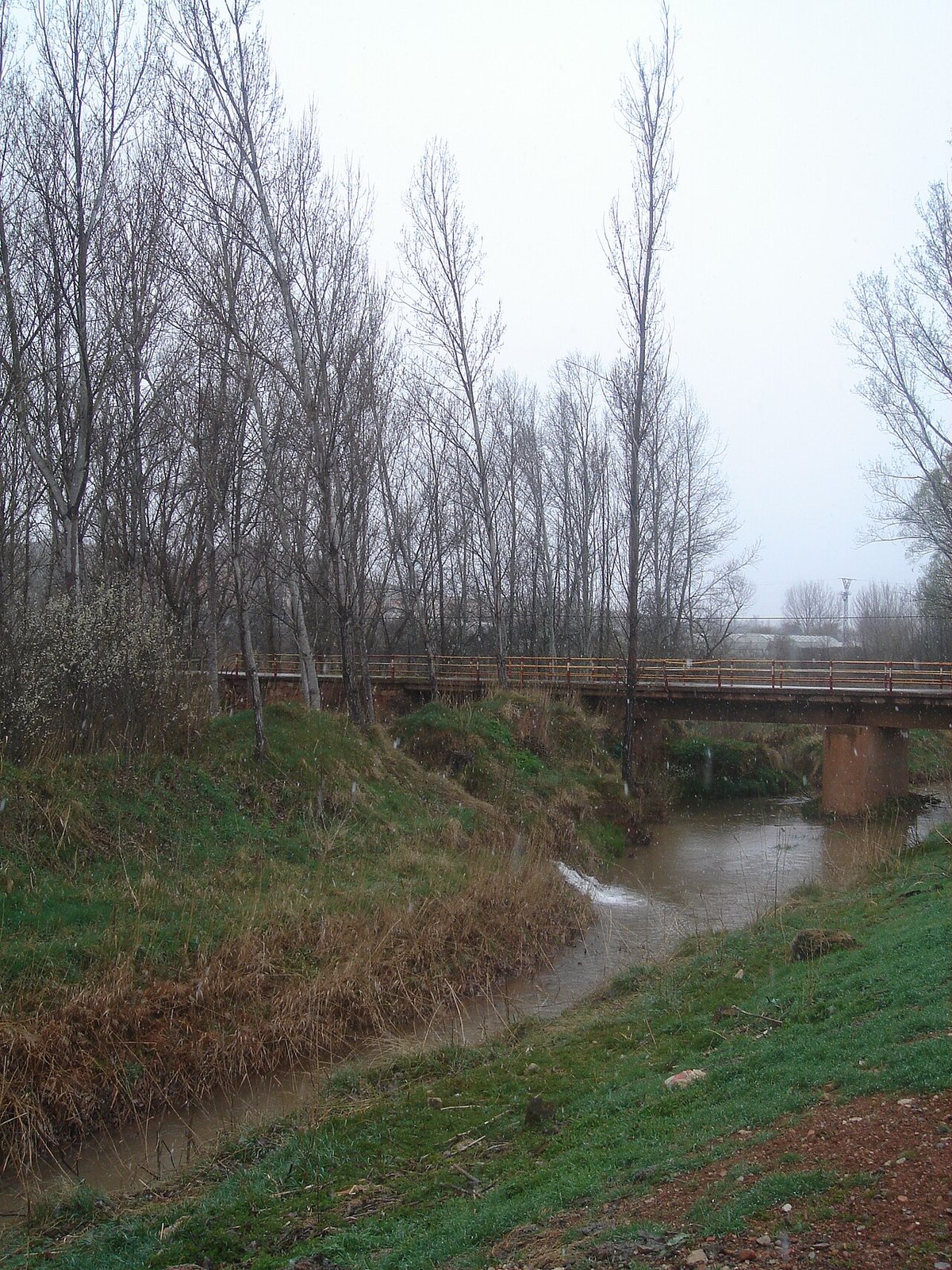
Another path descends towards areas of water near the barranco de Villalba. Along the way there are old खेती terraces and remains of small hydraulic mills. These traces point to a time when every metre of land needed to produce something. Some residents connect them with earlier uses of the streams in the area.
These are not long or technical routes. They are the sort of paths you take without rushing. Like going out for a short walk after lunch and finding yourself still walking much later than planned.
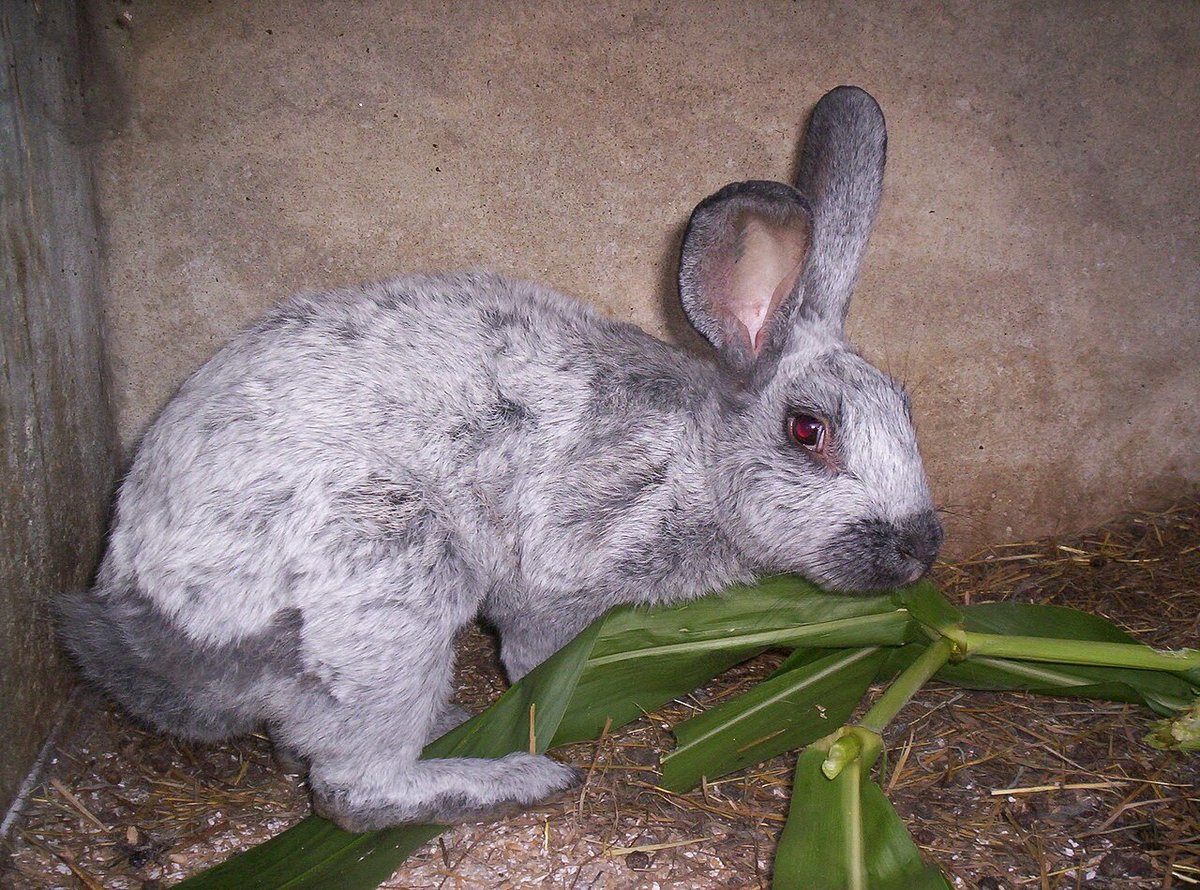
For those interested in wildlife, early morning or late afternoon tends to be the best time. Among the scrub, plants such as cantueso, a type of wild lavender, and rosemary attract plenty of small birds in the milder months. Rabbits and lizards are easy to spot, often resting on sunlit stones. Larger birds of prey are less common here, as the landscape is lower and more open.
Local Celebrations and Everyday Food
The main celebrations revolve around San Pedro, traditionally marked towards the end of June. These are small-scale events. More gathering than spectacle.
There are also customs tied to the agricultural calendar. In September there is usually the collection of wild fruits and informal meetings between neighbours. During Semana Santa, or Holy Week, simple processions take place.
Food follows the same straightforward approach as the village itself. Hearty dishes eaten with a spoon, cured sausages prepared at home, and slow stews made with potatoes, garlic and olive oil. It is the kind of food that fits naturally after walking in the hills on a cold day, like returning home in winter and reaching for something warm.
Getting There and Choosing the Moment
From the city of Teruel, the journey takes about an hour along regional roads. They are not in bad condition, though some stretches are narrow. In icy or snowy weather it is best to drive carefully, the way you would when easing onto an unfamiliar track without knowing what lies beyond the next bend.
Spring and early autumn are usually pleasant times to visit. The climate is milder and the paths are easier to enjoy.
Rillo is not a place for big plans. It feels closer to sitting on a park bench and staying there a while, simply looking around. Dry stone walls, open fields and a night sky that rewards anyone who pauses long enough to notice it.