Full Article
about Santa Eulalia
Hide article Read full article
A village that moves at its own pace
By mid-morning, the square in Santa Eulalia already carries the smell of freshly baked bread, mixed with the fine dust that lifts as cars pass slowly through. A neighbour crosses with a bag in hand, offers a quick greeting without stopping, then disappears down a narrow street. Tourism in Santa Eulalia begins in this understated way, with the sense of a place that continues at its own rhythm, without hurry and without trying to attract attention.
Santa Eulalia, in the province of Teruel, maintains a close connection with the surrounding countryside. Streets in the centre combine stone and brick, with wooden doorways darkened by years of use. There is no dense cluster of monuments here. Instead, there is a quiet continuity between houses, nearby kitchen gardens and the tracks that lead out towards the fields.
Quiet streets and the church tower
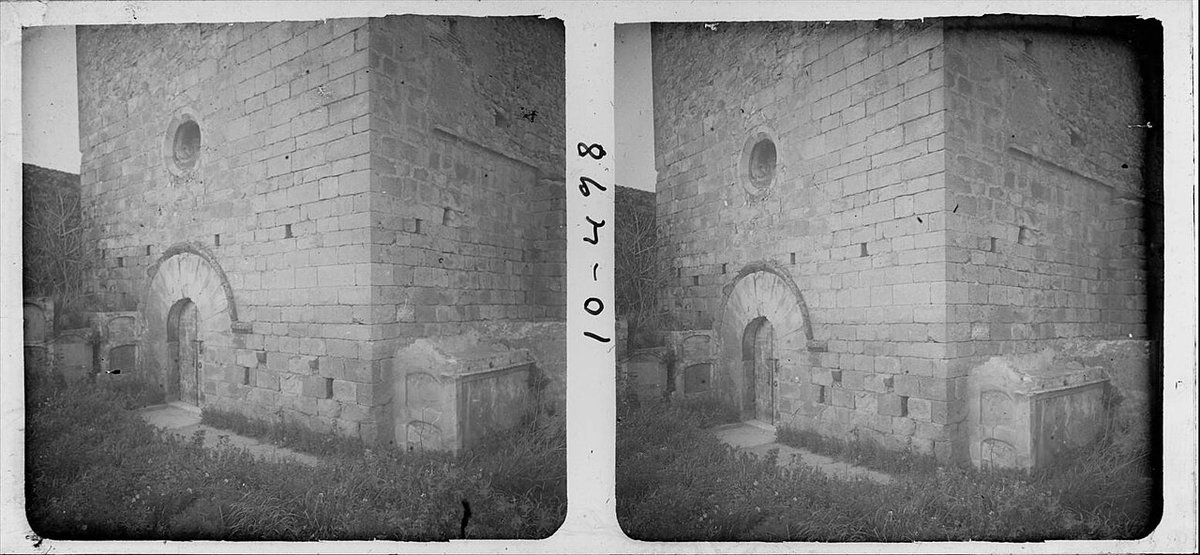
The town centre can be covered quickly on foot. Calle Mayor links a series of small squares where the creak of swings can be heard, along with low conversations on benches as evening approaches. From several points, the tower of the parish church rises above the rooftops and works almost like a guide for orientation.
At certain times of day, especially early morning or late afternoon, the light falls low between the façades. It brings out the iron window grilles and the worn surfaces of old doorways. During these moments, the village becomes even quieter and it is easy to walk around without encountering many people.
Summer changes the rhythm of that walk. Early hours suit it best, as the midday sun falls hard and some streets offer very little shade.
The agricultural landscape beyond the houses
A short walk beyond the last houses leads straight into the open landscape of the Comunidad de Teruel. Cereal fields dominate the surroundings and shift noticeably with the seasons. In spring, the green is still fresh and the wind moves through the crops like a soft wave. By summer, the colours turn towards gold and dry tones, and the air often feels noticeably drier.
Between the fields, there are dirt tracks, low dry-stone walls and small clusters of holm oaks. Gentle ravines cut across the terrain and hint at how water appears and disappears depending on the year.
These are not demanding routes. Many of the tracks serve agricultural work, so walking along them often means seeing tractors moving slowly or trailers loaded with straw during harvest periods.
Walking the rural tracks
Several paths and farm tracks extend out from Santa Eulalia. They are not always marked as official walking routes, yet they are easy to follow because they connect plots of land and scattered farmhouses.
There is something repetitive and calming about walking here. The wind moves through the cereal, a dog barks in the distance, and in warmer months there is a constant hum of insects. Water is essential in summer if you plan to walk, as shade is scarce and distances can feel longer than they appear in such an open landscape.
Seasonal cooking and a steady rhythm
Food in the village follows the agricultural calendar. The dishes are substantial, based on legumes, rice and meat, often cooked slowly. Meals reflect the slower pace of small-town life, where conversations stretch out and daily schedules revolve largely around the midday meal.
Arriving late can mean finding kitchens already closed, something that is common in many places in the area.
Festivals and moments of change
At certain points in the year, the atmosphere shifts noticeably. In August, Santa Eulalia celebrates its local festivities in honour of Santa Eulalia. During those days, the village fills with music, social groups known as peñas, and activities in the streets. The usual quiet fades, and the square becomes the centre of everything.
There are also celebrations linked to the agricultural cycle and religious traditions. These bring together local residents and people who return to the village for a few days.
Anyone seeking calm should avoid those festive weekends. Those same dates, however, reveal a different side of Santa Eulalia, with more movement and a stronger sense of gathering.
Getting there and moving around
Santa Eulalia sits within the Comunidad de Teruel and is reached via regional roads that cross a very open landscape. Arriving by car is straightforward, and parking is usually possible on the wider streets around the edges of the village.
Once inside, walking is the best way to get around. Distances are short, and the interest lies in taking time to notice details: tall chimneys rising above the rooftops, small kitchen gardens beside houses, and the reddish light of sunset settling over the fields as the air begins to cool.
Santa Eulalia does not try to impress. It simply remains there, between cereal fields and wind, with the feeling that time moves a little more slowly than elsewhere.