Full Article
about Maicas
Hide article Read full article
A village where time eases off
You know that moment on a minor road in Teruel when a handful of houses appears among dry hills and pine woods? Maicas is exactly that kind of place. It is a tiny village in the Cuencas Mineras area, with only a few dozen residents and sitting at around 950 metres above sea level. The feeling here is that the clock moves a little more slowly than elsewhere.
Arrive without expectations of major sights or a packed schedule. What you find instead is a place that still works as a village in the traditional sense. Stone houses with reddish roofs line quiet streets. There are small yards, vegetable plots, and a kind of silence that only breaks when a car passes or a dog barks at someone new.
Walking through Maicas
You can cover Maicas very quickly, almost without noticing. A short walk is enough to see it all.
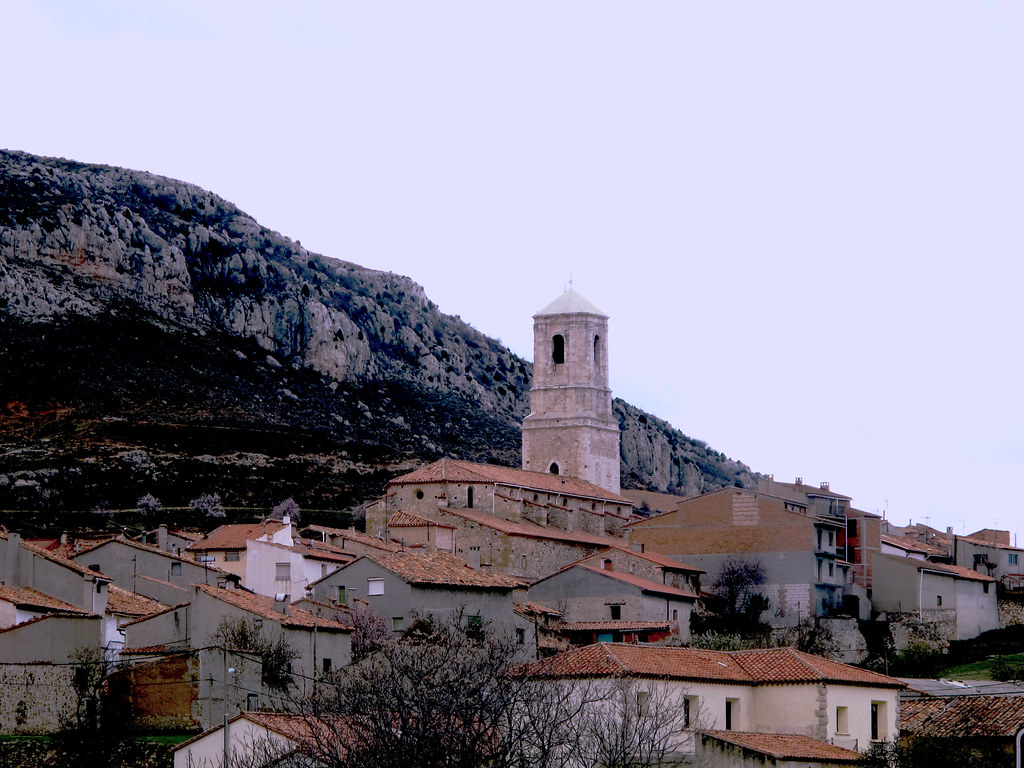
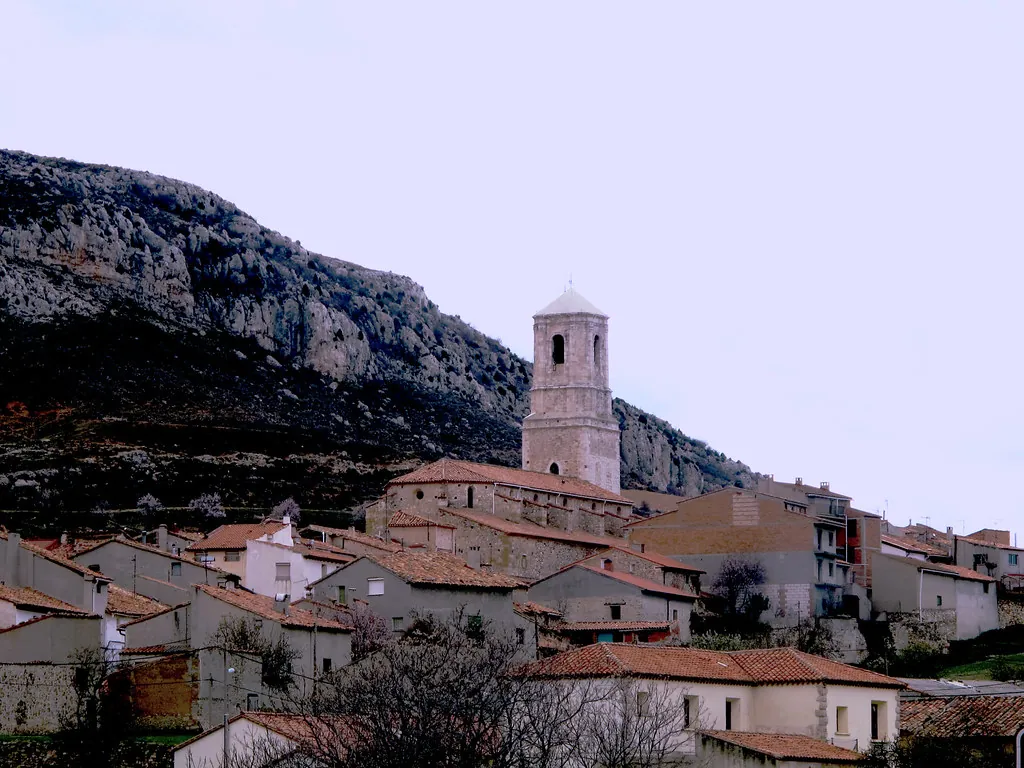
At the highest point stands the parish church of San Miguel Arcángel, which shapes the village skyline. It is a simple stone building, the sort that sits naturally in this landscape of low mountains. There is no elaborate decoration. It feels like a place built for gathering rather than for display.
Around it, masonry houses with thick walls and narrow doorways form the rest of the village. Some are well maintained, others show their age without trying to hide it. This contrast is common in small places like this. Some homes are still lived in, while others wait for better times or simply endure as they can.
One thing stands out quickly: the visual consistency. There are no new developments or modern villas that disrupt the scene. The whole village keeps that recognisable look of rural Aragonese architecture, which remains easy to identify here.
The surrounding landscape
The setting defines Maicas as much as the village itself. Gentle hills stretch out in all directions, dotted with scattered pine woods and marked by small ravines. This is not a dramatic landscape of towering cliffs or famous viewpoints. It is more typical of inland Teruel: ochre tones, muted greens, and a strong sense of open space.
Rural tracks lead out from the village and into the surrounding countryside. They are not signposted in the way you might expect in a natural park, so it makes sense to bring a map or use a route app if you want to explore without getting lost.
Take a slow walk and you may notice movement in the scrub. Roe deer sometimes appear early in the day. Birds of prey circle above the slopes. Near the paths, there are often signs of wild boar. None of this feels extraordinary, yet it is enough to remind you that this is still a working countryside where nature carries on quietly.
What to actually do in Maicas
It is only fair to be clear: Maicas is not a place that fills a whole weekend with activities. That is precisely where its appeal lies.
A typical visit involves a few unhurried hours. Walk through the village, head out along a dirt track, then sit for a while and take in the landscape. Listen to the quiet. The sort of plan that might seem dull in a city works surprisingly well here.
Some visitors bring their own food and prepare something simple. Cooking on the spot fits the rhythm of the place. The local food tradition in this area has always been straightforward and practical. Think of stews, game when available, or vegetables from the garden. These are dishes designed to sustain rather than to impress.
San Miguel festivities
The liveliest moment in Maicas usually comes around San Miguel, at the end of September. At that time the village becomes more animated. Residents return, simple events take place, and there is a procession along with time spent together in the square.
This is not a festival designed to attract large numbers of visitors. It is more of an annual reunion for the people of the village. If a visit coincides with these dates, you will see a different side of Maicas.
For the rest of the year, life here is calm. Very calm.
Getting there and when to go
Reaching Maicas forms part of the experience. The usual route from Teruel heads towards the Cuencas Mineras area, and the final stretch follows secondary roads with bends and wide views of the landscape.
The journey is not difficult, but it is best approached without hurry. Winter can bring low temperatures, and icy patches sometimes appear on shaded sections of road.
Spring and autumn are generally the most comfortable seasons to visit. Temperatures are mild and the landscape shows more colour than in the height of summer. Summer days are long and bright, though the sun can be strong, while nights cool down noticeably. Winter changes the atmosphere completely, with real cold, deeper silence, and occasionally some snow on the nearby hills.
In the end, visiting Maicas is more about pace than timing. It suits travellers who want to pause, walk for a while, and see how one of these very small villages continues to exist in inland Teruel. Anyone looking for a place packed with things to do should consider combining it with other villages in the area. Here, everything moves slowly, and that is very much the point.