Full Article
about Linares de Mora
Hide article Read full article
A hillside village at first light
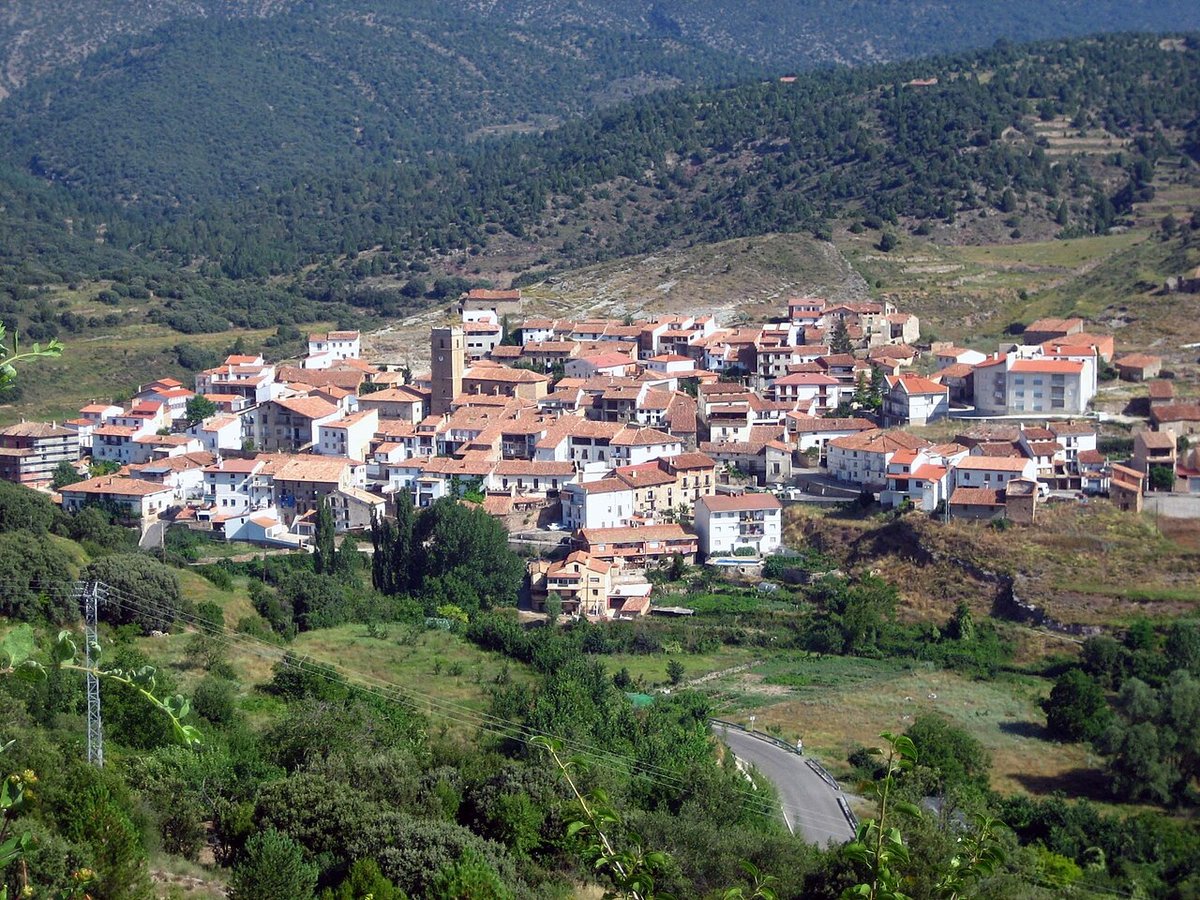
Early in the morning, when the sun comes in low across the slope, Linares de Mora is almost silent. A door opens somewhere, a shutter snaps up, footsteps echo briefly on stone. The houses, pressed tightly together, climb the incline with dark roofs and thick walls. From the main street, the tower of the church of the Inmaculada Concepción comes into view, its rectangular bell tower watching over the rooftops.
The layout reveals itself quickly. The village is small, made up of a handful of narrow streets, flights of steps, and paths leading out towards the surrounding hills.
Linares de Mora sits in the comarca of Gúdar‑Javalambre, in the province of Teruel, at just over 1,300 metres above sea level. It rests on a south-facing slope, surrounded by pine forest and juniper. In autumn, the edges of the woodland shift into yellows and ochres. In winter, snow tends to linger for days in the shaded spots, clinging to walls and terraced plots.
Stone streets and a compact centre
The historic centre is modest and easy to walk, though it rewards a slower pace. Cobbled streets rise and fall with a steady gradient. Many of the houses reach three storeys, with wooden or iron balconies and relatively small windows, built to withstand the cold winters typical of this part of Teruel.
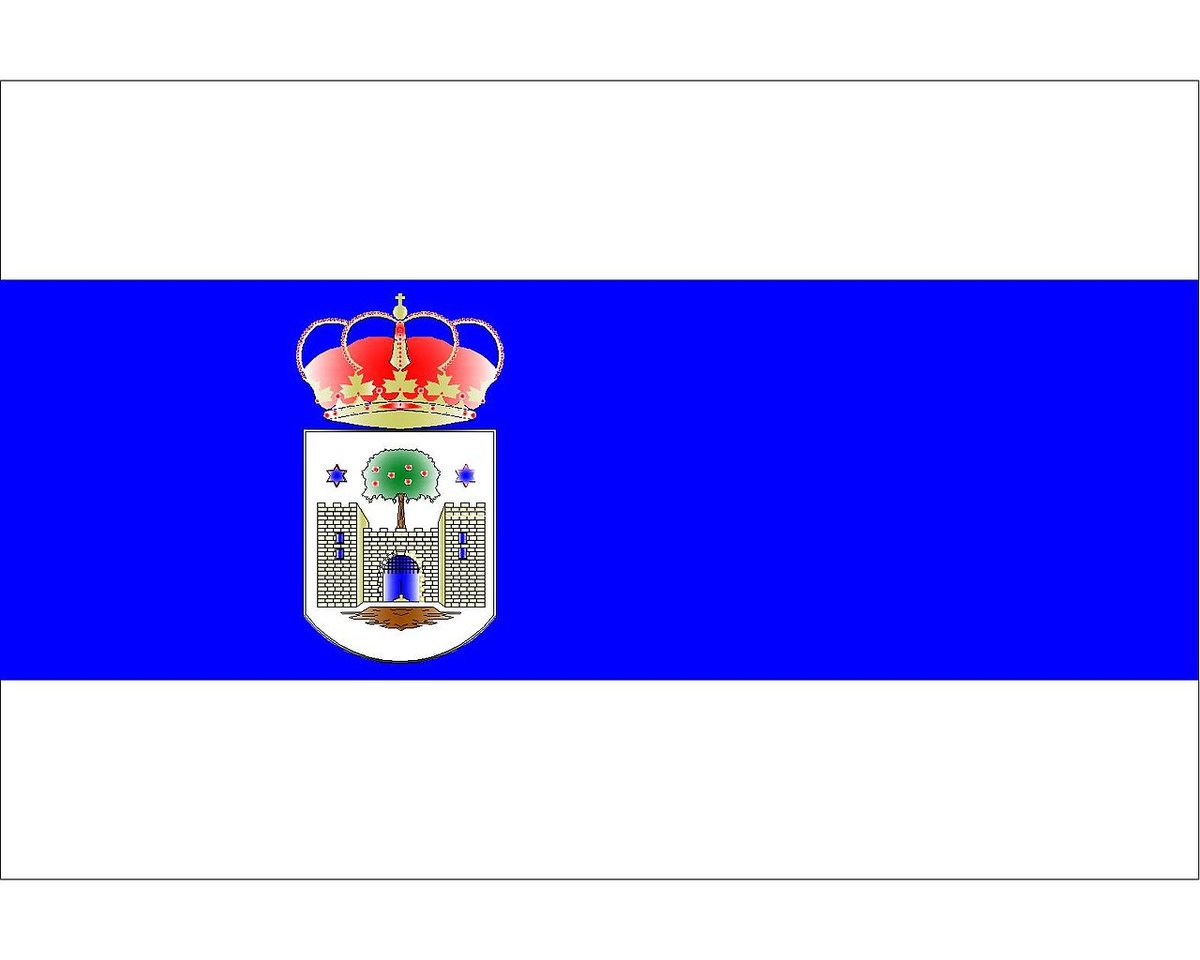
At one of the central points stands the parish church of the Inmaculada Concepción. Its origins go back to the 16th century. The main entrance still shows Gothic features, while the interior was later reshaped with Baroque elements. Nearby are several older buildings, including the town hall. On its façade, a coat of arms remains visible, recalling the village’s past within the former Kingdom of Aragon.
A short distance away is the old washhouse. It is a simple stone structure where water once ran through a channel beneath the basins. For years it served as a place for daily conversation as much as for washing. Today it has been restored and functions more as a reminder of that domestic routine than as a working space.
Paths through pine and terraces
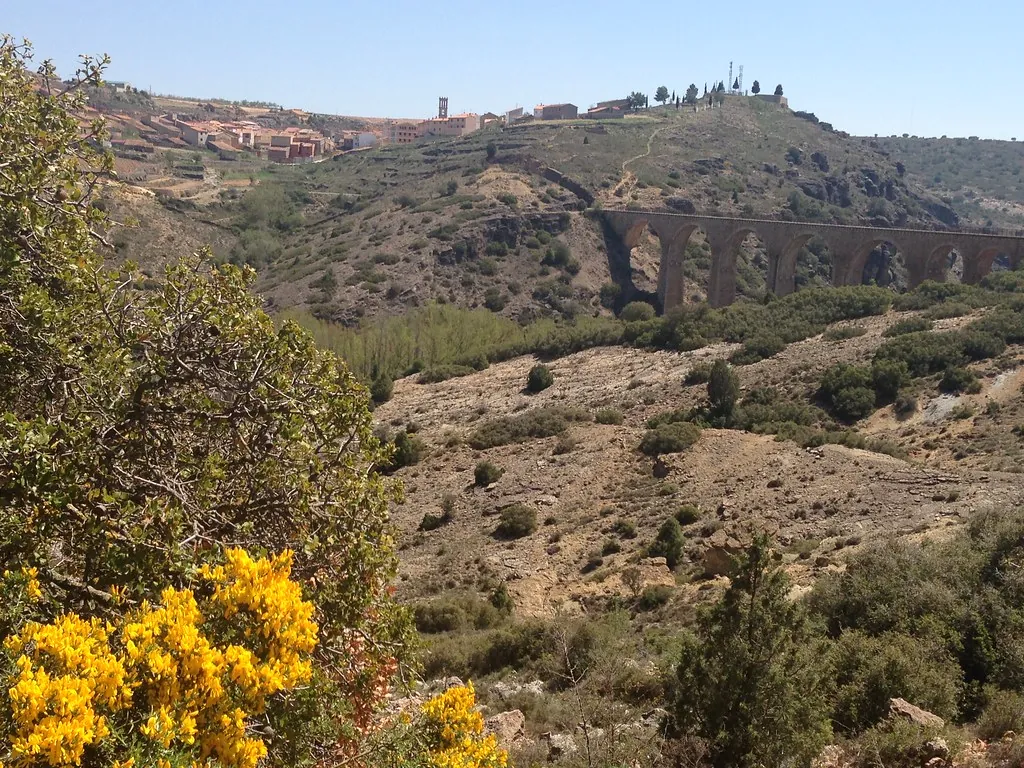
The transition from village to countryside happens quickly. Just beyond the last houses, paths begin. Some follow traditional routes that once linked kitchen gardens, animal enclosures and small cultivated plots. Scots pine dominates the landscape, though there are clearings with meadows and traces of old terraces.
There are no dramatic peaks immediately next to the village, but the terrain moves gently through shallow ravines and rounded hills. In the evening, the wind passes through the tops of the pines with a steady, continuous sound, a kind of low murmur that can be heard even from the outer streets.
Anyone heading out on foot should take a map or have a route loaded onto a phone or GPS. Signposting exists along certain stretches, but it is not always obvious at junctions.
Wildlife appears quietly at the edges of the day. Roe deer cross quickly between trees, wild boar root through the ground in search of food. During daylight hours, forest birds provide a constant background of sound.
Light across the rooftops
Linares de Mora suits those who are content to pause and look. The most rewarding moments tend to come early in the day or towards evening, when the light arrives at an angle and brings out the texture of the stone.
From almost any elevated corner, the stepped pattern of rooftops comes into view, beyond them the broader shapes of the surrounding sierra. There is no need to seek out a specific viewpoint. Walking up a steep street and stopping where the village opens towards the valley is often enough.
Food shaped by the land
The local cooking reflects what has been raised and grown here over generations. Lamb appears frequently, as does game when in season. Migas aragonesas, made with bread, garlic and olive oil, remain a familiar dish in many households, often served with cured meats or vegetables.
Honey produced in the area is used in simple desserts. As for wine, it typically comes from different wine-producing regions across Aragon.
Seasons and everyday rhythm
Winter in Linares de Mora can be harsh. Snow and ice are common, and some streets become slippery, so footwear with a good grip is advisable. In return, those months bring a particular stillness to the village.
Summer brings a shift in atmosphere. More people arrive, including those who spend their holidays here, and the streets feel livelier. Around mid-August, local fiestas usually take place, with activities that combine agricultural traditions and community gatherings.
During the rest of the year, the pace changes again. Life in Linares de Mora moves slowly. The wind in the pine forest, the occasional car climbing the road, little else. It is a small place where time seems to follow a different measure.