Full Article
about Mosqueruela
Hide article Read full article
Mosqueruela, a pueblo that doesn't need your attention
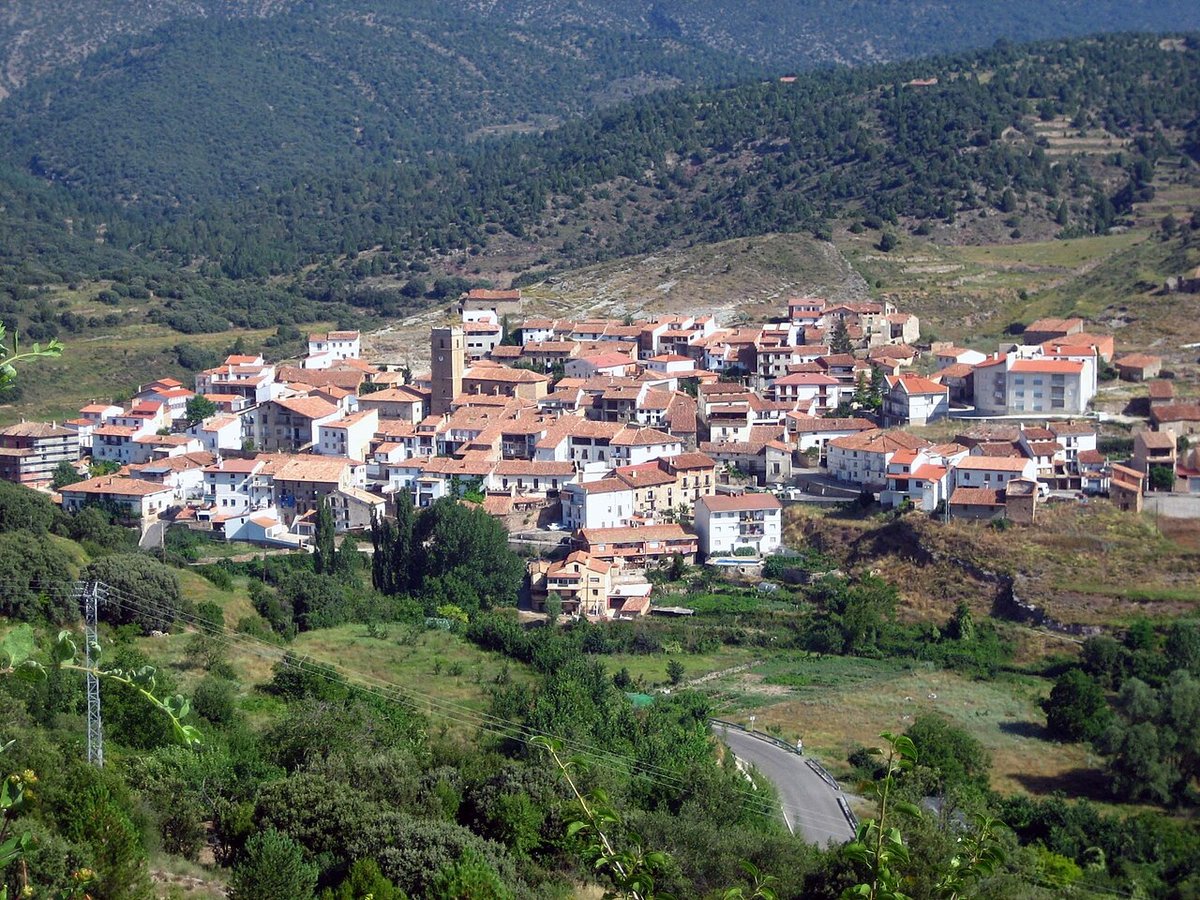
You know those places that seem perfectly content without you? Mosqueruela is one of them. It’s perched at 1,500 metres in the Teruel mountains, and it has the vibe of a spot that got its business sorted centuries ago and sees no reason to change the routine. Coming here feels less like discovering something and more like being granted a bit of temporary access.
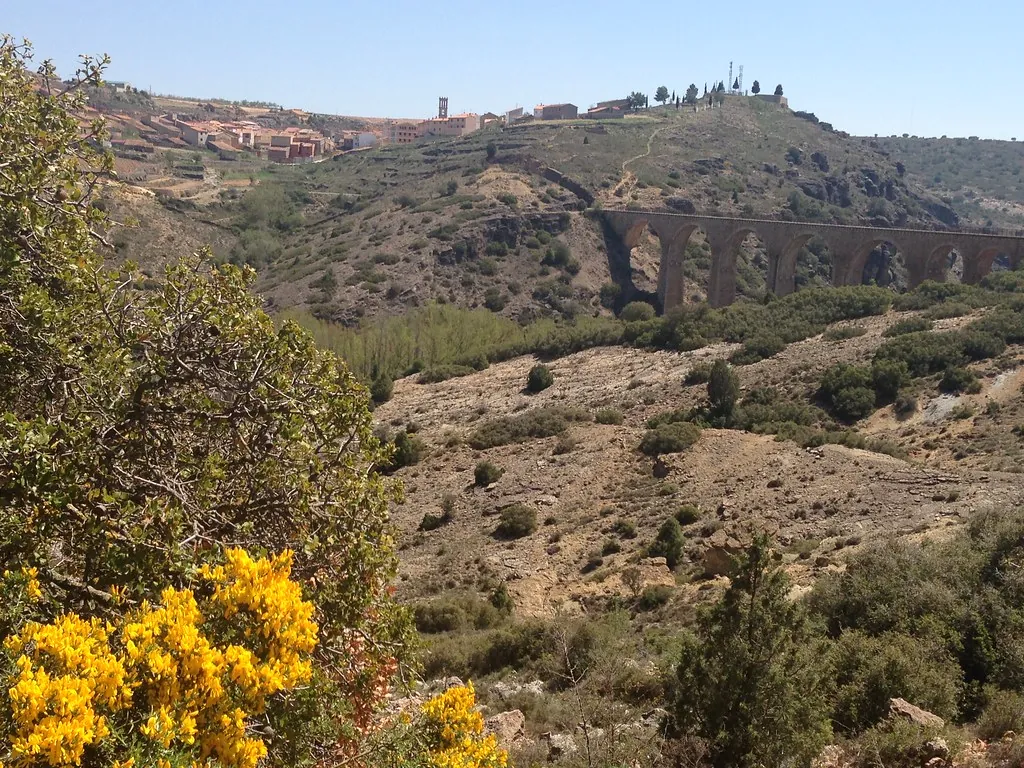
The drive up sets the tone. You navigate a series of bends through pine forest, with moments where you wonder if the satnav has given up. Then the stone walls and tile roofs materialise, stacked against the hillside. It doesn’t announce itself dramatically. It just appears.
The old wall is your welcome committee. It’s not overly tall or intimidating, but it’s serious enough to make you think winters here were no joke back in the day. You walk through one of the gates and the noise from the road just drops away. The streets are narrow, paved with worn stone, and the houses huddle together like they’re sharing warmth. Two turns in, and you’re in a silence so thick you can hear your own footsteps.
The Plaza Mayor feels functional, not decorative. The 17th-century town hall sits there with a kind of stubborn dignity—a building that knows it will outlast everyone currently having a coffee outside it. A short stroll away is the church of La Asunción. It started Gothic and collected architectural additions over time like layers of paint. The result is less “masterpiece” and more a physical ledger of what each century decided to contribute.
Between history and hunting tales
Locals will tell you about a palace linked to King Jaime I. The story goes he hunted around here while crossing the Maestrazgo. The building still stands, though today it looks more like a very old, substantial house than anything from a storybook. It doesn’t wow you, but it makes you stop for a minute. You look at the stonework and think, “Okay, maybe.”
Then there are the ruins of the Castillo del Mallo on the village outskirts. Don’t expect towering walls. You go for the position, not the masonry. What’s left hints at an outline, but the real point is the view it commands over the ravines and endless pines. It also sparks a practical thought: how did they even get the materials up here to build anything?
Where they keep the paperwork
Here’s something you don’t find in every small pueblo: a historical archive with medieval documents in good shape. It’s not a flashy museum you visit; it’s more of a known fact among researchers and history types. For a village of around 500 people, maintaining centuries of parish records and property deeds feels significant. It suggests a community that quietly files its past away instead of letting it blow off in the mountain wind.
When the calendar pages turn
Most days, Mosqueruela operates on low volume. That’s its default setting. But a few times a year, it remembers how to make noise.
Late April brings the fiestas de San Pedro, when people who moved away often return to family homes. In spring, there's a romería to the Virgen de la Estrella—a proper local pilgrimage. Come September, they hold a livestock fair that pulls in folks from other villages in the sierra. These aren't spectacles built for outsiders. They feel like community reset buttons, where you see how these mountain towns sustain themselves through kinship and shared calendars.
Living on mountain time
Mosqueruela isn't selling you an experience. It's just being itself—a high-altitude village shaped by hard winters and neighbours who know each other's business.
You can walk every street in its historic core in under two hours without breaking a sweat. The path up to Castillo del Mallo is clear and manageable if you want to stretch your legs. And this part of Gúdar-Javalambre connects easily with other pueblos like Nogueruelas or Puertomingalvo. You can make a lazy day of just driving between them with no real plan.
Autumn might be its best season. The pine scent sharpens, the light turns clear and thin, and everything slows down another notch. You find yourself parked on a bench in the square, just watching as afternoon fades toward evening.
Time works differently here. You might only stay for three hours, but on the drive back down through those same pine forests, a question sticks with you: What's it actually like here when January hits, the snow piles up against that old wall, and everyone just gets on with it?