Full Article
about San Agustín
Hide article Read full article
Early in the morning, along one of the dirt streets linking the handful of houses, the silence still lingers. Light falls sideways across pale stone walls, and the faint smell of extinguished firewood hangs in the air, something often noticed in mountain villages. San Agustín, in the comarca of Gúdar-Javalambre, sits well away from busy travel routes. With around 132 residents, daily life here continues to follow the pace of the land, shaped by cold winters and short summers.
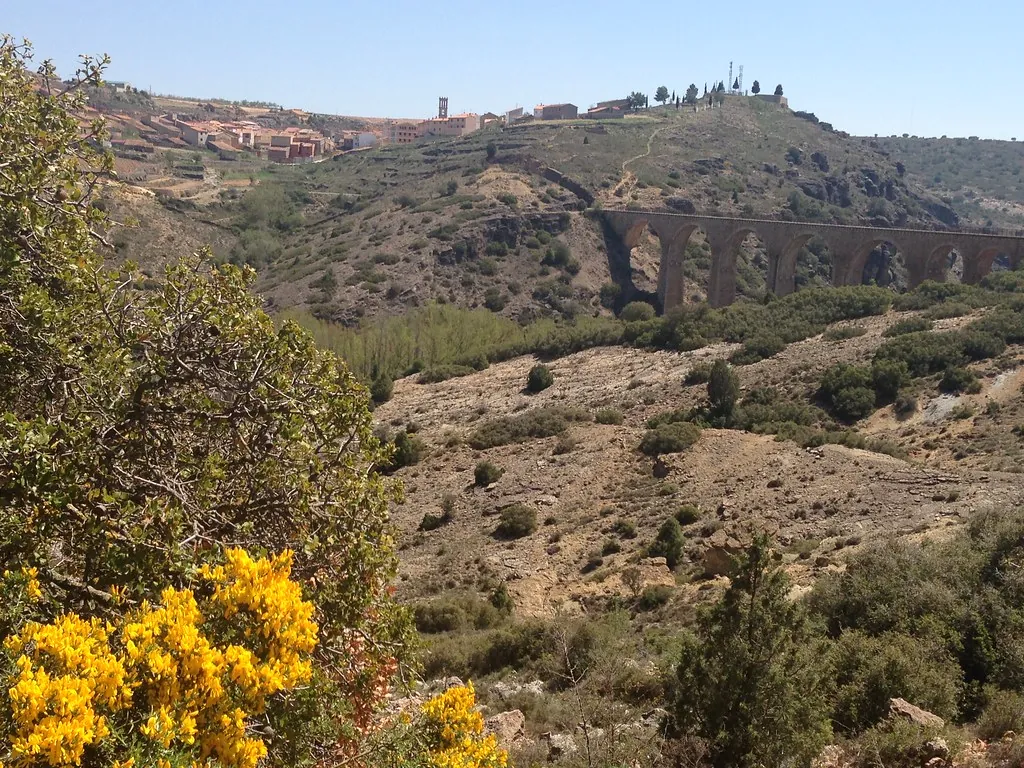
The village stands close to 1,000 metres above sea level, surrounded by gentle hills and limestone ground that sometimes breaks through the pine forest. To the north lies the outline of the Sierra de Gúdar, and on clear days the view stretches further than expected for such a small place. Houses cluster around the parish church, a simple building with its bell tower, and a square where neighbours still gather to talk towards the end of the day.
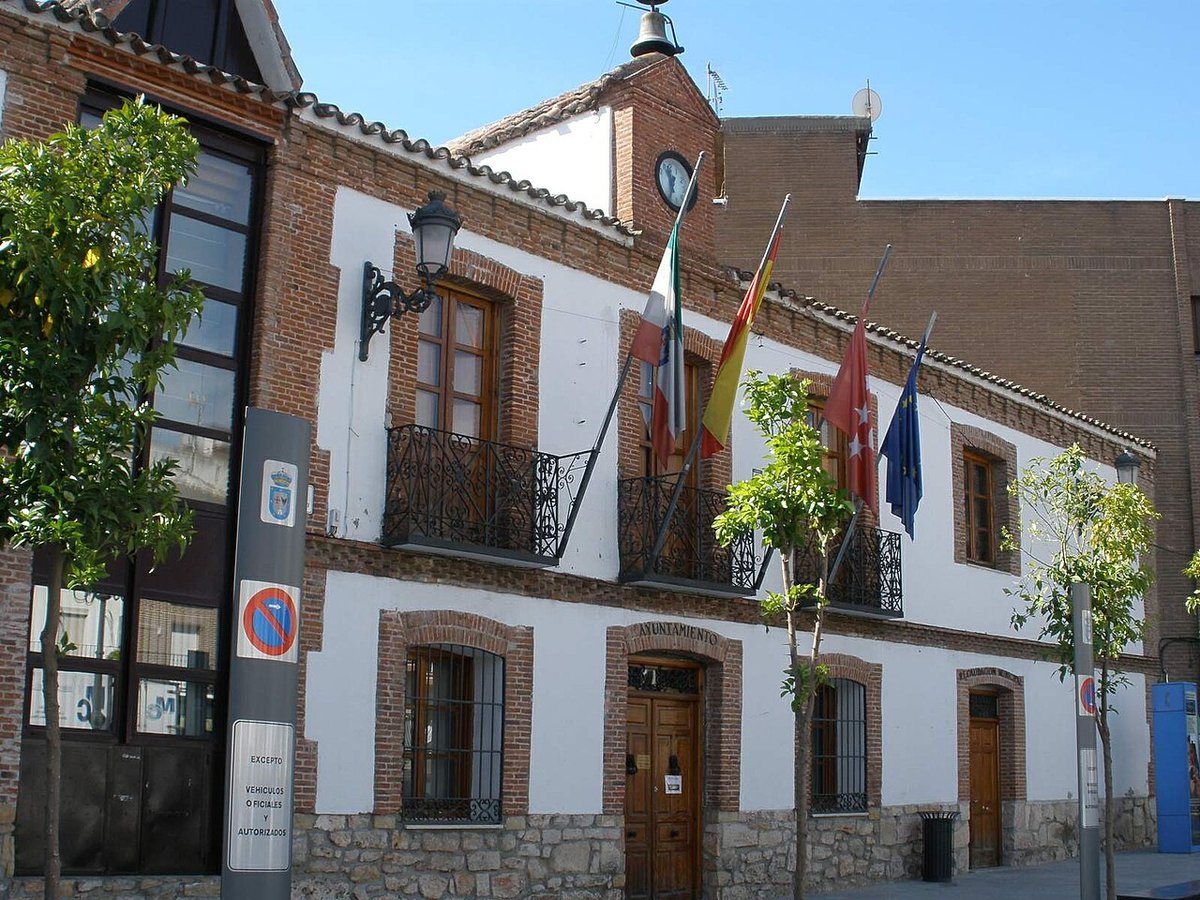
Homes reflect the architecture seen across this part of Teruel: thick stone walls, sloping roofs covered with curved tiles, and wooden balconies that in summer fill with potted plants. Some doorways are low, designed to keep warmth inside during winter. The main streets can be covered in a short walk, though it is worth taking time. Facades show the marks of years, careful repairs, and old doors that remain in daily use.
Walking the Sierra de Gúdar surroundings
The main appeal of San Agustín lies beyond the village itself. Paths begin at its edge and lead into pine woods, with occasional oaks scattered across the slopes. In autumn, the landscape changes colour for a brief period, with ochre tones, damp browns and the dark green of the pines.
The limestone terrain also creates small caves and sinkholes in parts of the sierra. Some have been explored by local people interested in caving. Anyone considering visiting these spots should first check locally or within the comarca for access conditions.
While walking through these hills, signs of wildlife are common. Tracks in the mud or fresh droppings appear, even if the animals themselves stay out of sight. With patience, griffon vultures can be seen riding air currents, and more rarely a large bird of prey gliding over the slopes. The most constant sound tends to come from small birds such as tits moving through the pines.
Mountain cooking and mushroom season
Food in this area follows long-standing traditions, shaped by the climate. Dishes are filling, suited to colder months. Roast lamb often appears at family gatherings and celebrations, alongside cured meats and cheeses made from sheep’s or goat’s milk.
Autumn brings a noticeable change in activity. Nearby hills attract people searching for wild mushrooms. Saffron milk caps are common in the pine forests, along with other varieties that have been known locally for generations. Those without experience are advised to go with someone who can identify them properly, as mistakes still happen each year.
Winter on the plateau
Winter makes its presence felt. Frost is frequent, and snowfall sometimes covers the surrounding hills. During this season, San Agustín tends to act as a quiet stopping point before heading to higher parts of the sierra. There, some people practise cross-country skiing or go out with snowshoes when conditions allow.
Anyone arriving at this time of year should check road conditions and make sure their vehicle is prepared for cold weather and ice.
Festivities and returning residents
The main festival usually takes place in late August. At that time, the village fills with people who still have family homes here, even if they live elsewhere for most of the year. Days include processions, traditional music and long meals shared either in the square or in local social groups known as peñas.
For the rest of the year, life is much quieter. In December, Christmas is mainly celebrated in private homes, with homemade sweets and long conversations around the table. New Year’s Eve sometimes ends with a small dance organised by residents themselves.
Getting to San Agustín
From the city of Teruel, the distance is about 75 kilometres. The route follows secondary roads that cross farmland and pine forests before climbing towards this part of the sierra. The final stretch calls for careful driving, especially after rain or snow.
There are no large tourist signs or infrastructure aimed at visitors. What exists are paths, open countryside and a small village continuing at its own pace. People who come to San Agustín usually do so for exactly that reason.