Full Article
about Arguis
Hide article Read full article
Between Huesca and the Pyrenean passes
On the slopes of the Aragonese Pre-Pyrenees, just over 1,000 metres above sea level, sits Arguis. The village has around 160 inhabitants and lies a little over fifteen minutes by car from Huesca, yet the setting already feels firmly mountainous. For a long time it was a stopping point on the way to the higher Pyrenean passes, and that role still shapes how it is experienced today. The road runs straight through the area, and many travellers continue upwards without pausing.
Arguis appears among hillsides covered with pine and carrasca oak, with its houses gathered on a sun-facing slope. The layout follows the terrain, with short streets and noticeable gradients, all built in the dark local stone. Step a little away from the main road and the valley’s quiet becomes more apparent, broken now and then by cyclists and walkers heading towards the nearby pass.
A short distance from the centre lies the Arguis reservoir. Built in the early 20th century to regulate water flowing down from these ranges, it now forms part of the village’s everyday backdrop. It also defines the view at the bottom of the valley when arriving from Huesca.
Stone, slopes and San Esteban
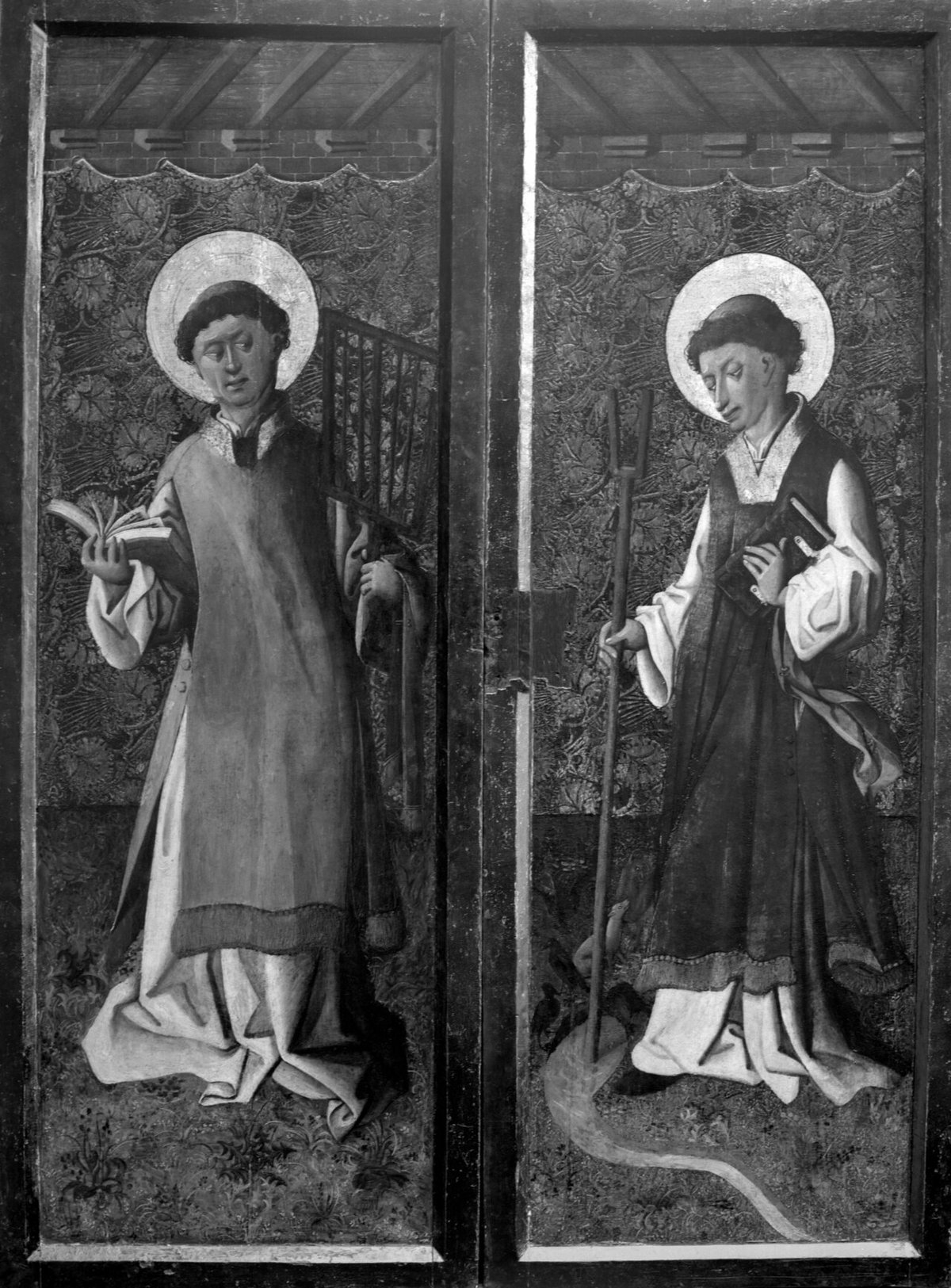
The parish church is dedicated to San Esteban. Its origins appear to be medieval, though what stands today reflects later alterations. As in many villages across the Pre-Pyrenees, the building has been adapted over time, with extensions and repairs responding to the needs of each period.
Much of the village still shows examples of traditional architecture. Thick masonry walls, sloping roofs and small openings were designed with winter cold in mind. Some door lintels carry dates or stonemasons’ marks, while older entrances still hint at access to corrals or small interior courtyards, tied to the livestock-based way of life that sustained Arguis for centuries.
Beyond the houses, the land opens out into low hills covered in woodland. On clear days, higher points around the village offer distant glimpses of the Pyrenees’ more elevated peaks. Below, the reservoir sits enclosed within the valley floor, adding a strong visual contrast to the wooded slopes.
Walking routes and nearby hills
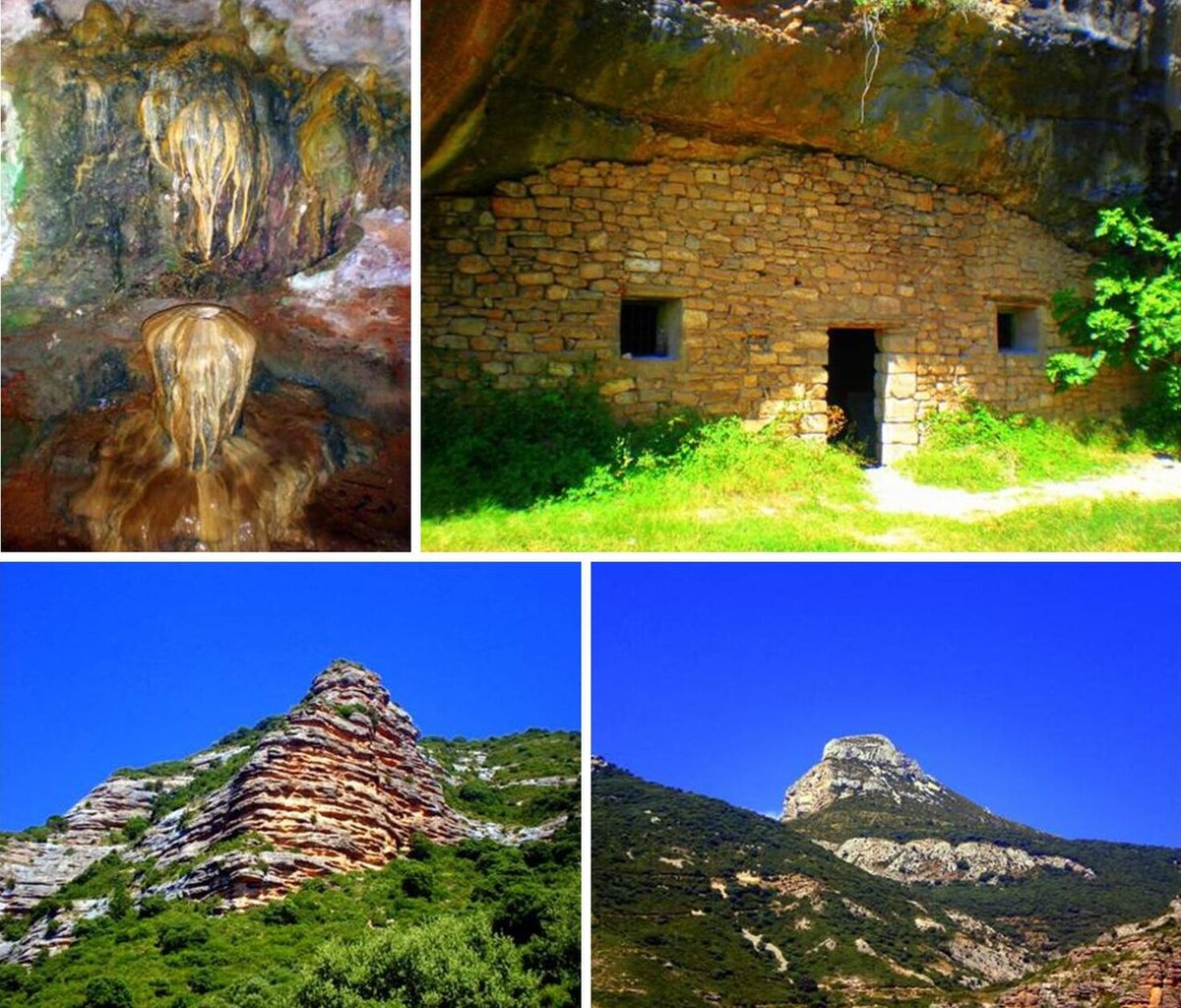
The surroundings of Arguis are well used by walkers. Paths leave directly from the village and lead into nearby sierras, some with distinctive profiles that are easily recognised by those familiar with the area. These routes are popular with people from Huesca who come here for day walks or short ascents.
It is worth checking conditions before setting out. The landscape is more rugged than it first appears from the village, and elevation gains are quickly felt. In winter and early spring, the weather can shift rapidly, which adds an extra layer of caution for anyone heading into the hills.
The surrounding woods draw visitors in autumn as well, particularly those searching for wild mushrooms. This is a widespread activity across the region, and in Arguis it is generally approached with care for the environment. Even so, correct identification of species remains essential.
Seasonal rhythms and village life
Life in Arguis follows the familiar pattern of small villages in this part of Aragon. The annual calendar centres on patron saint celebrations, local gatherings and church-related events. San Esteban, the village’s patron, is honoured at the end of December. The timing means cold weather and a more subdued atmosphere, with celebrations tending towards smaller, indoor gatherings.
Summer brings a noticeable shift. Around mid-August, many of the year’s main festivities take place, and people who live elsewhere return to the village. These are days marked by shared meals, music and socialising in the square or other communal spaces. The population briefly swells, and the pace of daily life becomes more animated.
Getting there and getting around
Arguis lies about 15 kilometres north of Huesca, along the road that crosses the pass of the same name. Access is straightforward by car, and the village often serves as a base for walking in the surrounding hills or visiting the reservoir.
The built-up area is small and can be covered on foot in a short time, though the slopes mean it is best taken at an easy pace. The compact layout and changes in height are part of what defines the place, shaping both how it looks and how it is explored.