Full Article
about Buena
Hide article Read full article
Arriving Almost by Chance
Some places are found without really planning to. You’re driving through the Jiloca valley, glancing at the map, spotting a turn-off and thinking, “let’s see what’s there”. Tourism in Buena works a bit like that. It is not a headline destination or somewhere that keeps popping up on social media. It feels more like a pause along the way, suited to anyone curious about everyday life in this part of Teruel.
Buena is small, very small. It has just over 60 residents and sits at around 1,200 metres above sea level, so the climate makes itself known. Winters are serious, summers are dry, and on certain days the wind arrives with force, a reminder that this is the high plateau of Teruel.
Inside the Village
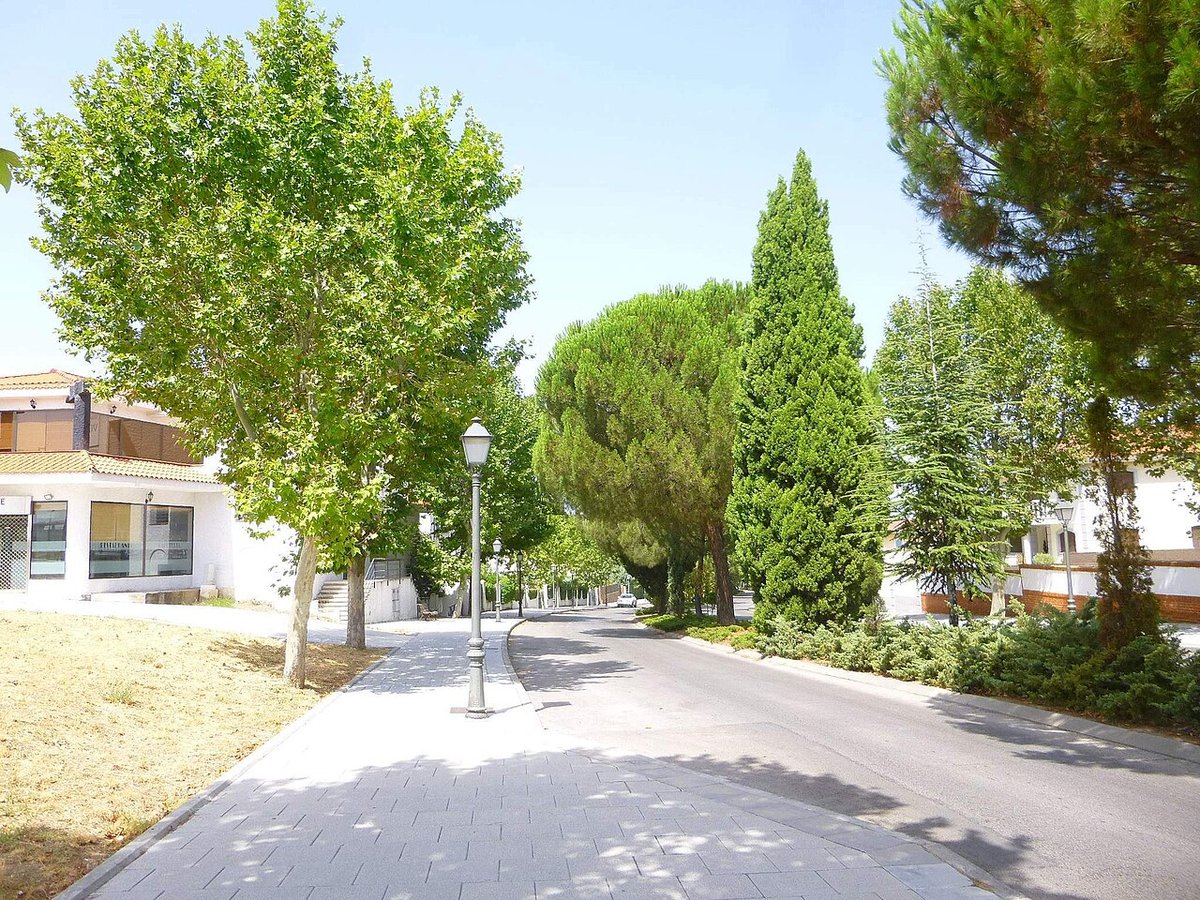
The village can be walked in a short time, though it’s worth slowing down. The streets are short, lined with houses built from stone and adobe, with large wooden doors that hint at another era. This is architecture designed for endurance rather than display, shaped by the need to withstand long winters.
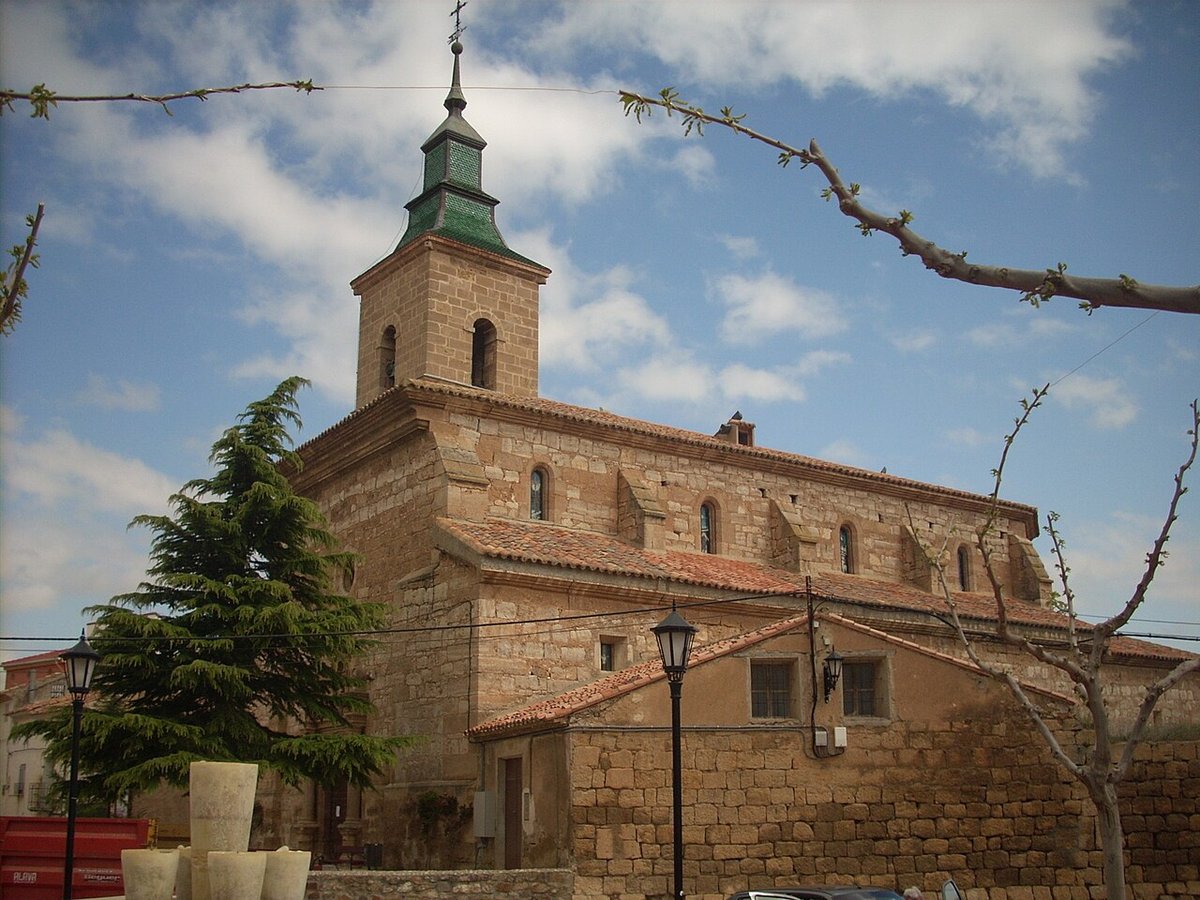
At the centre stands the parish church dedicated to San Pedro. It is a sober construction, the kind that sits naturally within the landscape of the Jiloca. It is not monumental, but it is closely tied to daily life in the village.
Life here still reflects what has traditionally sustained the area: cereal farming, some livestock, and small vegetable plots when water allows. You can see it in the outbuildings, in the agricultural storage spaces, and in the way homes are arranged. The layout of the village follows function rather than ornament, shaped by work and the seasons.
Walking Beyond the Houses
For those who enjoy walking, the most interesting areas lie outside the village itself. The surroundings open into wide fields of wheat and barley that in summer seem to stretch endlessly. The landscape is broad and very horizontal, with little to interrupt the view.
There are agricultural tracks linking Buena to nearby villages and to low hills from which the Jiloca valley can be seen clearly. These are not marked routes in the style of a natural park. They are working paths, still used by local people as part of daily life.
It is sensible to bring water and a hat when the sun is strong. In many stretches there is no shade, and the terrain is exposed. In return, there is quiet, birds gliding above the fields, and the steady sound of wind moving through the cereal crops, something that is quite typical here.
When Night Falls
Buena changes noticeably after dark. With so little surrounding light, the sky becomes very clear. Anyone arriving from a city will notice it straight away.
Nothing special is required to enjoy it. Walking a little way out of the village, turning off a torch or phone light, and looking up is enough. On clear nights, this part of the Jiloca often offers a sky full of stars.
Festivities and Everyday Rhythm
For much of the year, life moves at a calm pace. This is the rhythm of a small village: neighbours who all know each other, occasional conversations in the square, and little else in terms of activity.
Summer brings more movement. People return who have family homes here, and events are organised around local festivities, traditionally linked to San Roque or Los Ángeles depending on the year. There are processions, music, and gatherings in the square. Rather than something designed to attract visitors, it is a time for people to reconnect.
Getting There and Choosing When to Visit
The usual way to reach Buena is by car from the area around Calamocha, travelling along local roads that run between cereal fields. There is not typically regular public transport to the village, so it helps to plan ahead.
Spring and autumn are often pleasant times to come. The landscape shifts in colour, and temperatures are easier to manage. Winter can be intensely cold, while in summer the sun is strong during the day, though nights tend to cool down considerably.
Buena does not try to impress. It is one of those villages in the Jiloca that continues at its own pace, with few people and plenty of open space around it. For those drawn to quiet places and wide landscapes, it can be an interesting stop in the area. For anyone looking for constant activity, it may feel too limited, and it is fair to say so.