Full Article
about Calamocha
Hide article Read full article
First impressions by the Jiloca
Parking in Calamocha is usually easy and free, which in Teruel already solves half the visit. Arrive via Avenida de la Constitución and you will soon cross the Jiloca river, often running low. Right there stands the Roman bridge, still open to traffic, and beyond it the tower of the main church rising above the town.
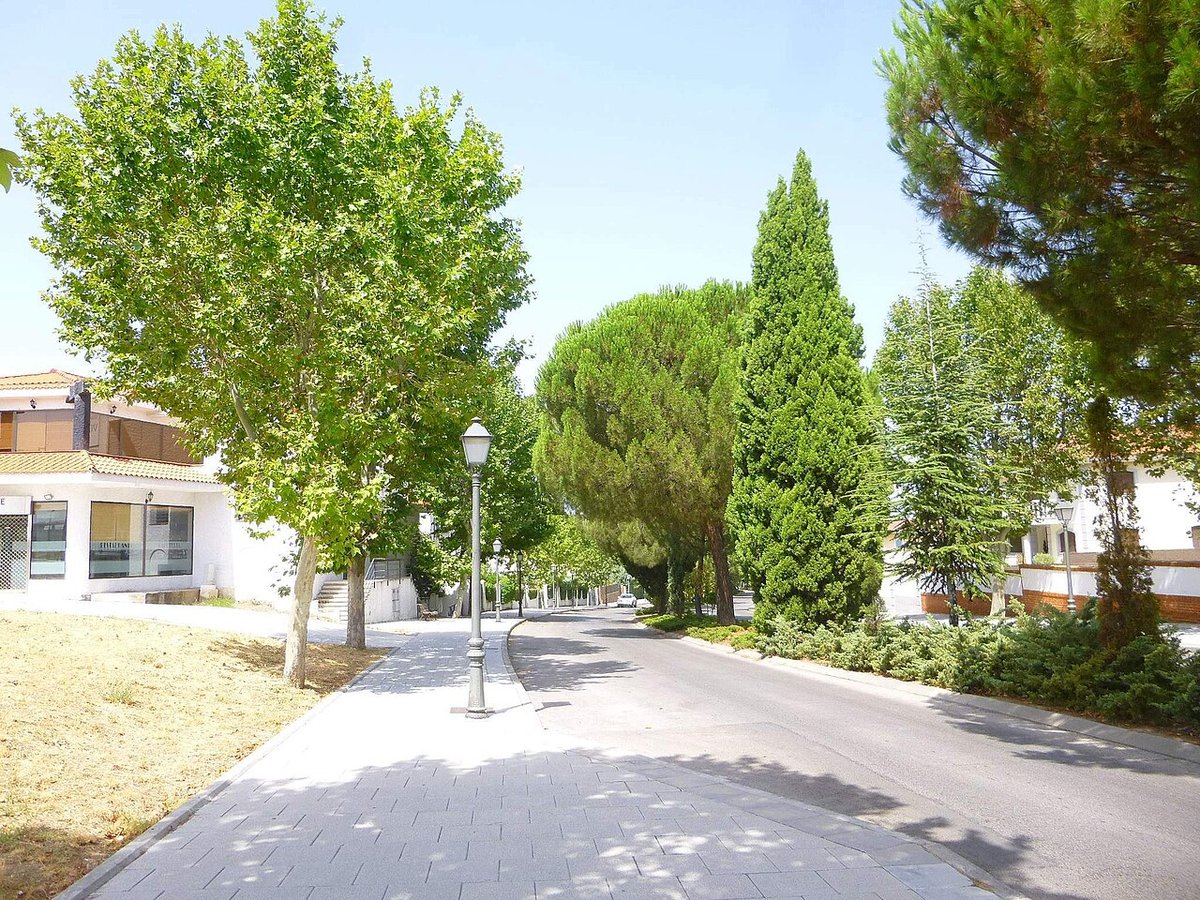
There is no real complexity to the place. Calamocha is small enough to walk across in a short time, with a layout that feels direct and unfussy. Streets lead naturally towards the centre, where most of what there is to see is concentrated.
Landmarks without fuss
The Roman bridge is likely from Roman times and remains in daily use. It is not especially striking, but it has done its job for centuries and continues to do so. That quiet continuity says a lot about the town.
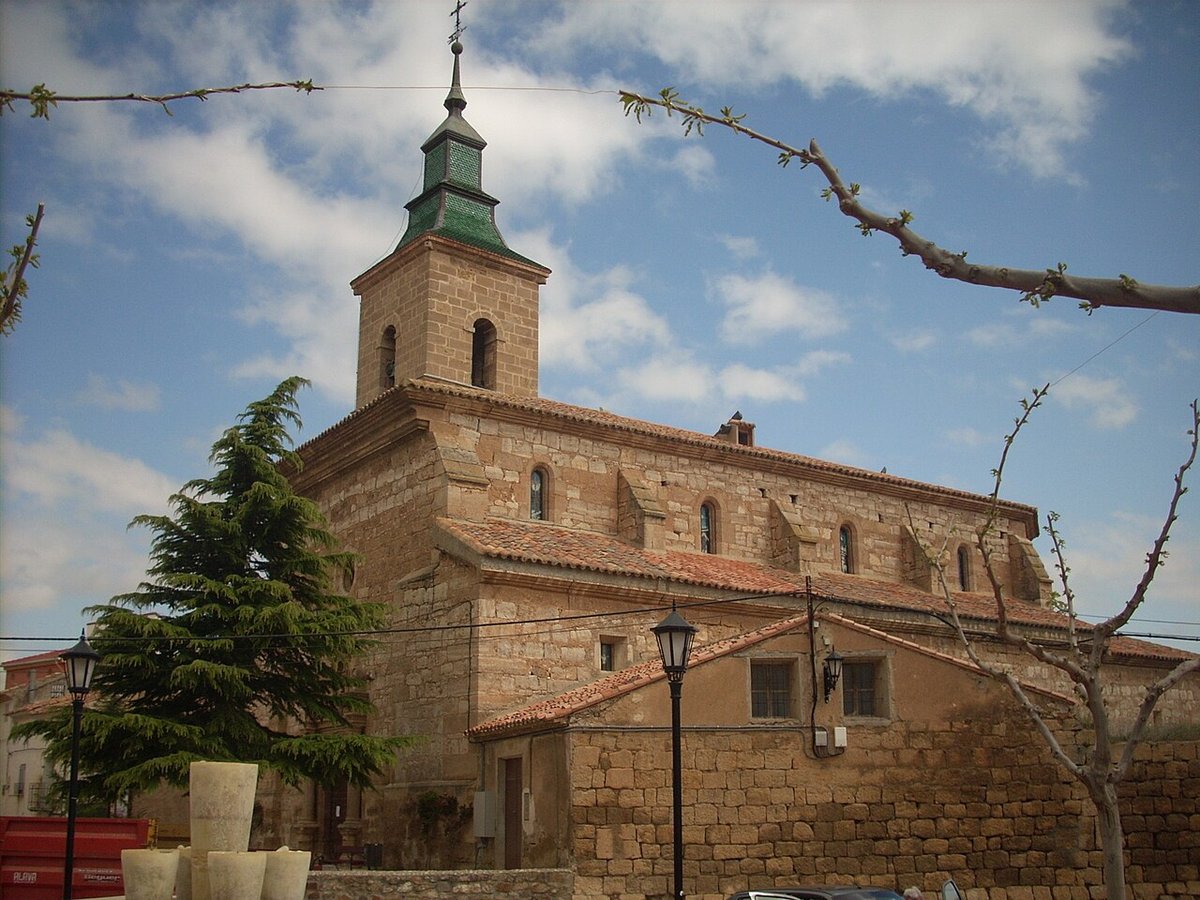
The church of Santa María dominates the centre. Its tower, built in the Mudéjar style typical of Aragón, is visible from most streets. Inside, there is a large Baroque altarpiece. If you have seen others across the region, it will feel familiar in scale and style.
For a quick sense of the town and its setting, head up towards the Virgen de la Cuesta. The walk uphill takes only a few minutes. From the top, the Jiloca valley opens out clearly: low houses, wide fields, and the thin line of the river crossing the plain.
About 8 kilometres away lies El Poyo del Cid. It is essentially a hill with wide views over the surrounding land. According to tradition, El Cid camped there in the late 11th century. Today there is a small settlement nearby and a high point from which the flat landscape stretches out in every direction. You can walk up along a track, though most people drive. If you go on foot, bring water, as the wind here dries things out quickly.
Eating without overthinking it
The best-known product from Calamocha is its longaniza, a cured sausage. It is eaten as it is, or quickly grilled. Add bread and that is enough. It is simple, direct, and widely available.
Migas de pastor also appear frequently. This traditional dish of fried breadcrumbs is usually served with panceta and something sweet on the side, such as raisins, creating a contrast that is typical of inland cooking in Spain. Another common option is ternasco, a young lamb with a mild flavour that turns up on many menus.
Honey from the Sierra de Cucalón can be found in several shops around town. If it appeals, just pick up a jar and take it with you.
For a quieter meal, it helps to step away from the main square and look for places where locals are eating. That tends to be a reliable guide.
Festivals that fill the streets
San Roque is celebrated in mid-August. The Baile de San Roque combines a procession with dancing behind a live band. A large part of the town takes part, and the streets fill up quickly. Anyone who prefers space and quiet may want to choose another time.
During Semana Santa, there is usually a night-time procession on Good Friday. Even in spring, evenings can turn quite cool, which adds a different feel to the event.
The romería of Santa Bárbara generally takes place in early September. People walk up towards the area of the Castillo de las Palomeras, spend the day there, and return in the afternoon. It is a simple outing built around food outdoors and shared time rather than a packed programme.
Easy routes around town and beyond
The Camino Natural del Jiloca passes through Calamocha. The stretch towards Monreal del Campo is just over ten kilometres and almost completely flat. The path is wide and easy to follow, suitable for a relaxed walk or cycle. Shade, however, is limited.
Closer to town, there is a short route linking several bridges: the Roman bridge, a later one, and the railway bridge. The whole walk covers only a few kilometres and is straightforward.
If there is still time, the hill known as El Pomo offers another quick stop. There are Iberian remains there along with information panels explaining the site. It does not take long to visit.
A few practical notes
Arriving in the morning or early afternoon works best. Around midday, the pace of the town slows and many shutters drop halfway.
In summer, the contrast in temperature is noticeable. Days are dry and hot, while nights can turn quite cool, so a light jacket is worth having.
On Saturdays, there is usually a street market with stalls selling fruit, clothes, and basic hardware.
One final local detail: people from Calamocha are sometimes referred to as “niños” or “brutos del Jiloca”. Among locals this sounds normal enough, but it is better avoided by newcomers.