Full Article
about Caminreal
Hide article Read full article
A village shaped by space and routine
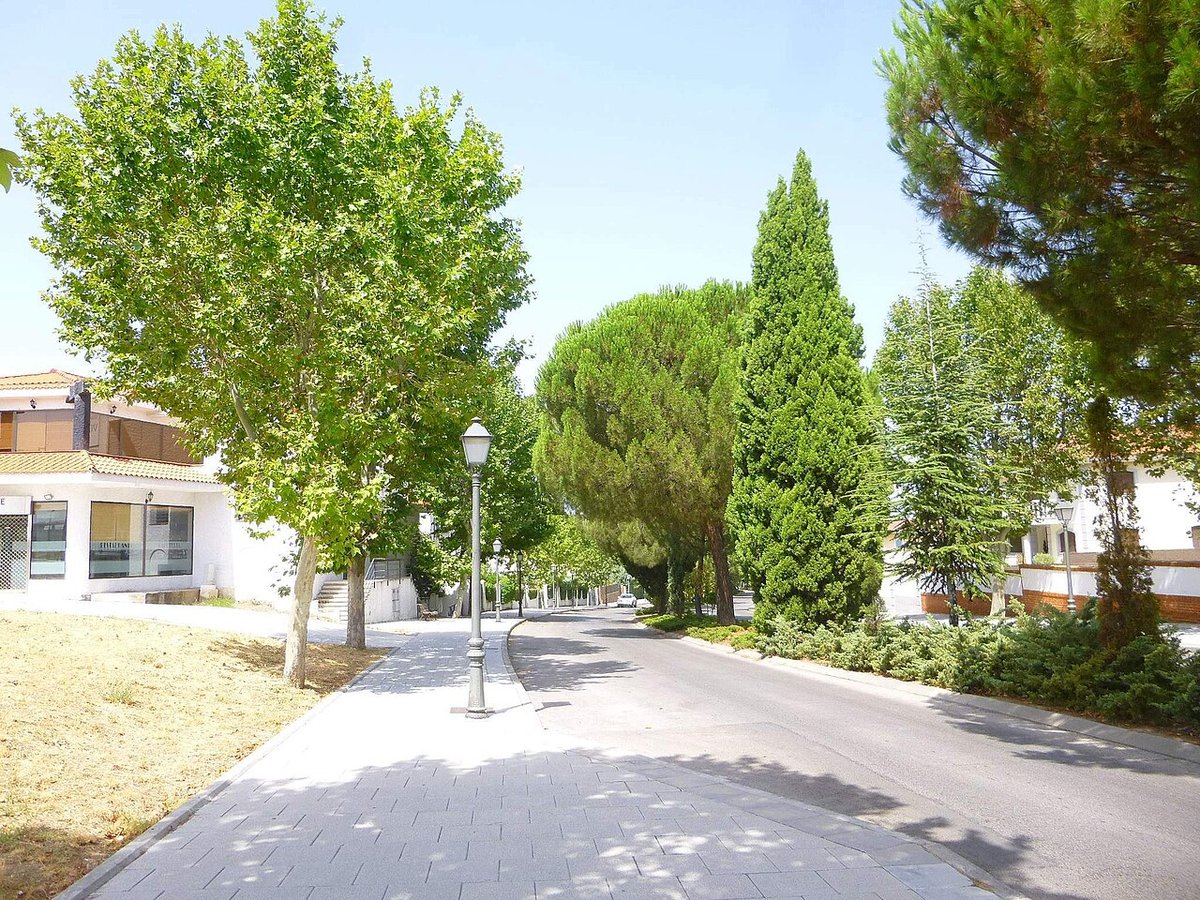
In Caminreal, the car comes first. Parking is usually easy near the centre, with wide streets and very little traffic. Within ten minutes you can cross the entire urban area on foot. In summer, timing matters: early morning or late evening are the best moments to arrive, as the sun is strong and shade is scarce.
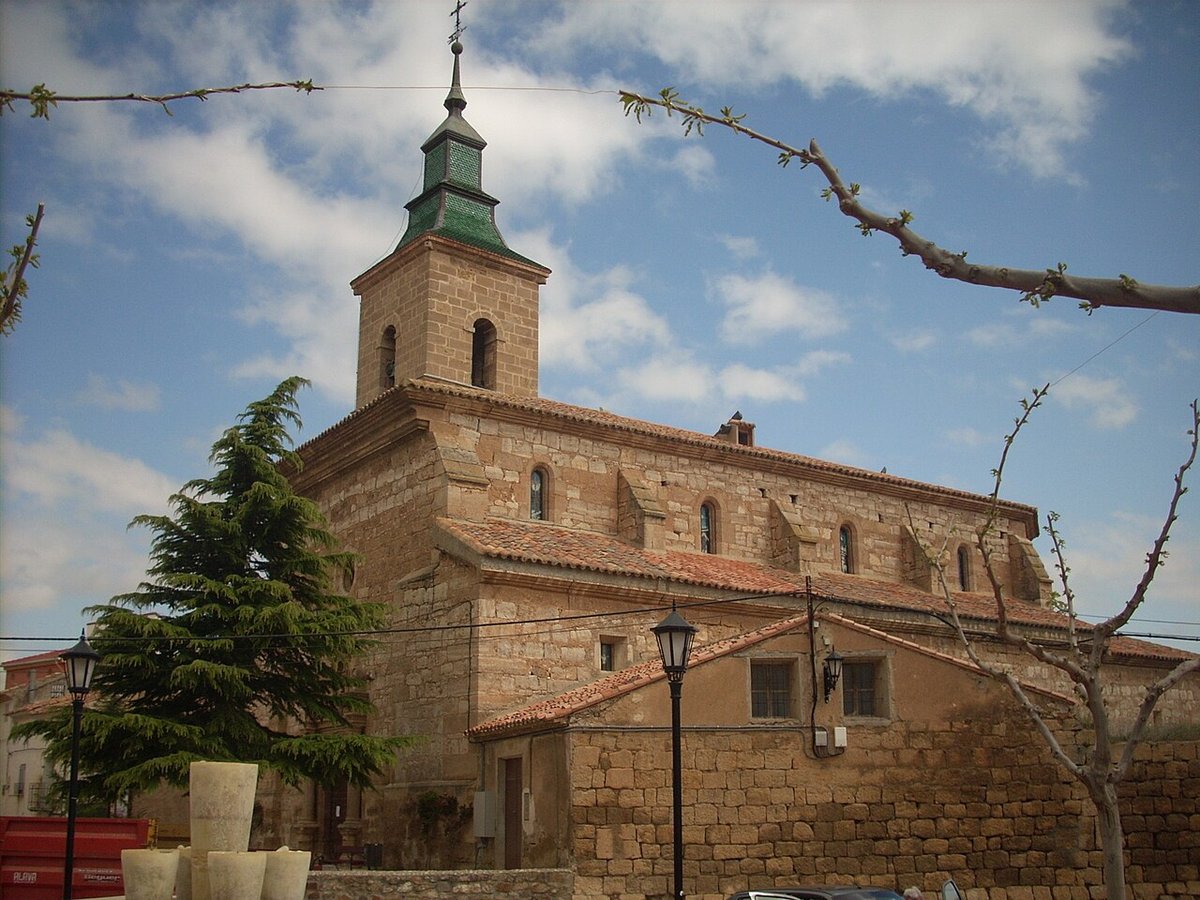
Caminreal sits in the comarca of Jiloca, with a population of around six hundred. The setting is open and flat, surrounded by cereal fields that stretch towards a low horizon. The tower of the church of San Roque defines the skyline. From several points in the village, the bell tower is visible and works as a natural reference when finding your way around.
The layout is compact. Houses are built in brick or stone, some with wooden eaves and iron balconies. This is not a carefully restored historic centre. Caminreal remains an agricultural village, and it still functions as one. That sense of continuity shapes the place more than any attempt at presentation.
A quick look around the centre
The parish church is the most prominent building. It is not monumental, but it anchors the centre of the village. The tower appears again and again as you move through the streets, keeping your bearings simple.
Beyond that, what you find are traditional homes typical of the area. Plain walls, large gates, interior courtyards. Streets are straight and practical, built for use rather than for wandering. There is no old quarter designed for long, leisurely strolls. Caminreal is a place you see quickly, and that is part of its character.
For those interested in how villages in the Jiloca valley look without heavy restoration, Caminreal offers a clear example. Nothing is overly polished, and little is arranged for effect. What is there reflects daily life rather than tourism.
Walking out into the Jiloca landscape
Step beyond the last houses and agricultural tracks begin almost immediately. Dirt paths, large plots of land, and the occasional low rise define the surroundings. The terrain is easy, making it suitable for walking or cycling without difficulty.
Shade is almost non-existent. In summer, the middle of the day is best avoided. In winter, the main discomfort tends to be the wind, which can cut across the open land without much to stop it.
The landscape follows the pattern of the valley: flat cereal fields, gentle gullies, and wide skies. Light plays a noticeable role here. At sunrise and sunset, the fields shift in tone and contrast, changing the feel of what is otherwise a very simple setting. The openness allows those changes to stand out.
Festivities and everyday life
San Roque, celebrated in August, is the main festival in Caminreal. It remains an important reference point in the village calendar. There are processions, religious events, and a noticeable increase in activity in the streets. Many people take part, including residents and families who return to the village during those days.
Holy Week is also observed, though in a modest way. The processions are short and there are no large-scale displays. It reflects the size of the village and its pace.
For the rest of the year, life is quiet. Agriculture sets the rhythm, with moderate movement and little beyond that. Caminreal does not try to present itself as something else. Its routine is steady and consistent.
Getting there and when to pass through
From Teruel, the usual route is along the A‑23 towards the area of Calamocha, followed by a local road. The journey is around forty kilometres and straightforward.
Spring and autumn are the most comfortable times to walk the surrounding tracks. In winter, frost is common. In summer, the heat builds quickly from midday onwards.
A simple approach works best here: arrive, take a short walk, then continue exploring the wider comarca of Jiloca. Caminreal functions more as a stop along the way than as a destination on its own.