Full Article
about Cosa
Hide article Read full article
A small village above the Jiloca
Cosa sits in the upper part of the Jiloca region, in the north-east of the province of Teruel, at over a thousand metres above sea level. Today it is home to just over fifty people. It belongs to a network of small settlements that help explain how communities were historically organised in this part of the upper Jiloca valley: compact agricultural villages, built where the land allowed both cultivation and some shelter from the wind.
Altitude shapes both the landscape and the pace of life. On the edges of the village, wide views open across the plains of the comarca, where cereal fields shift in colour depending on the season. The sky also plays a role. On clear nights, darkness is striking, as light pollution here is minimal.
The village core and its church
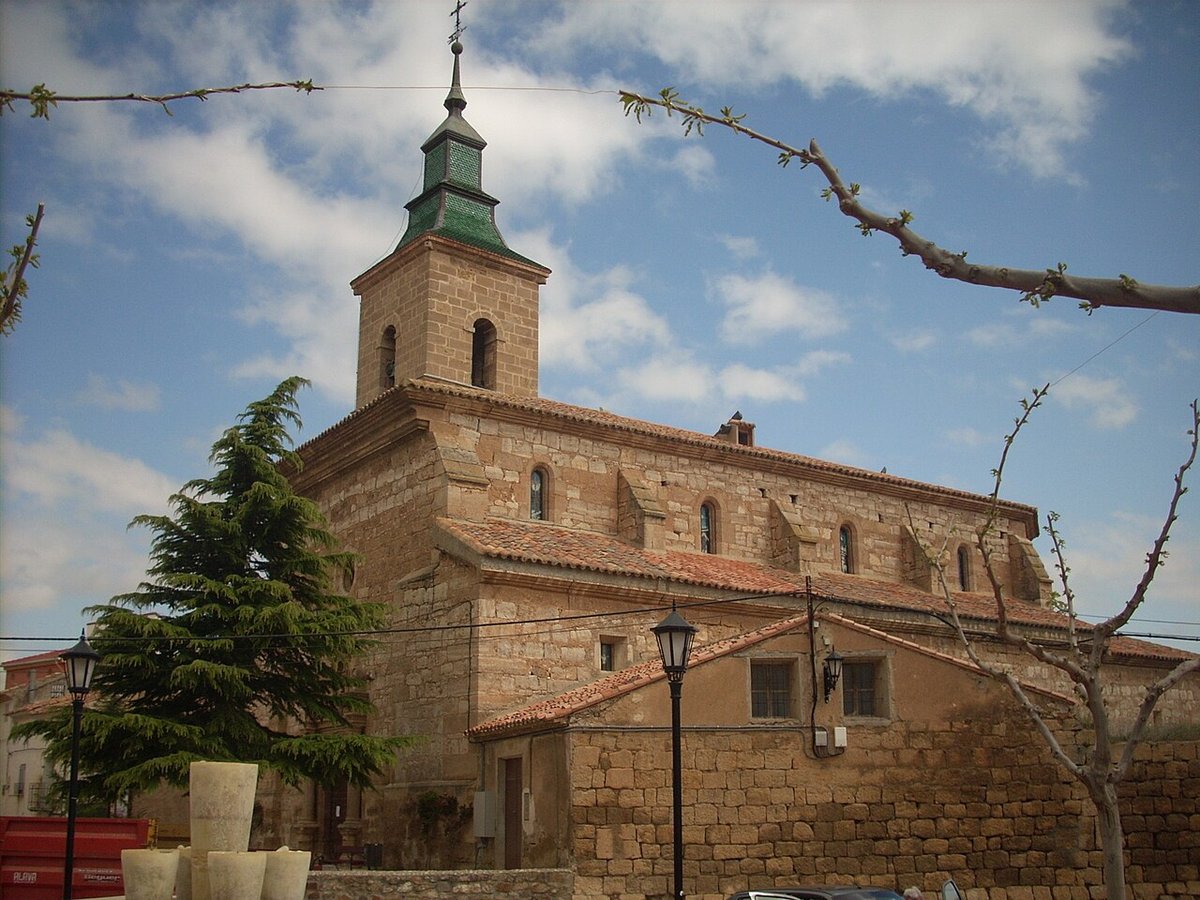
Like many small places in the Jiloca, the parish church provides the centre around which the village is arranged. The current building reflects alterations made in the modern period, probably during the eighteenth century, and uses materials typical of the area. Masonry, stone and practical construction methods were chosen to withstand long winters.
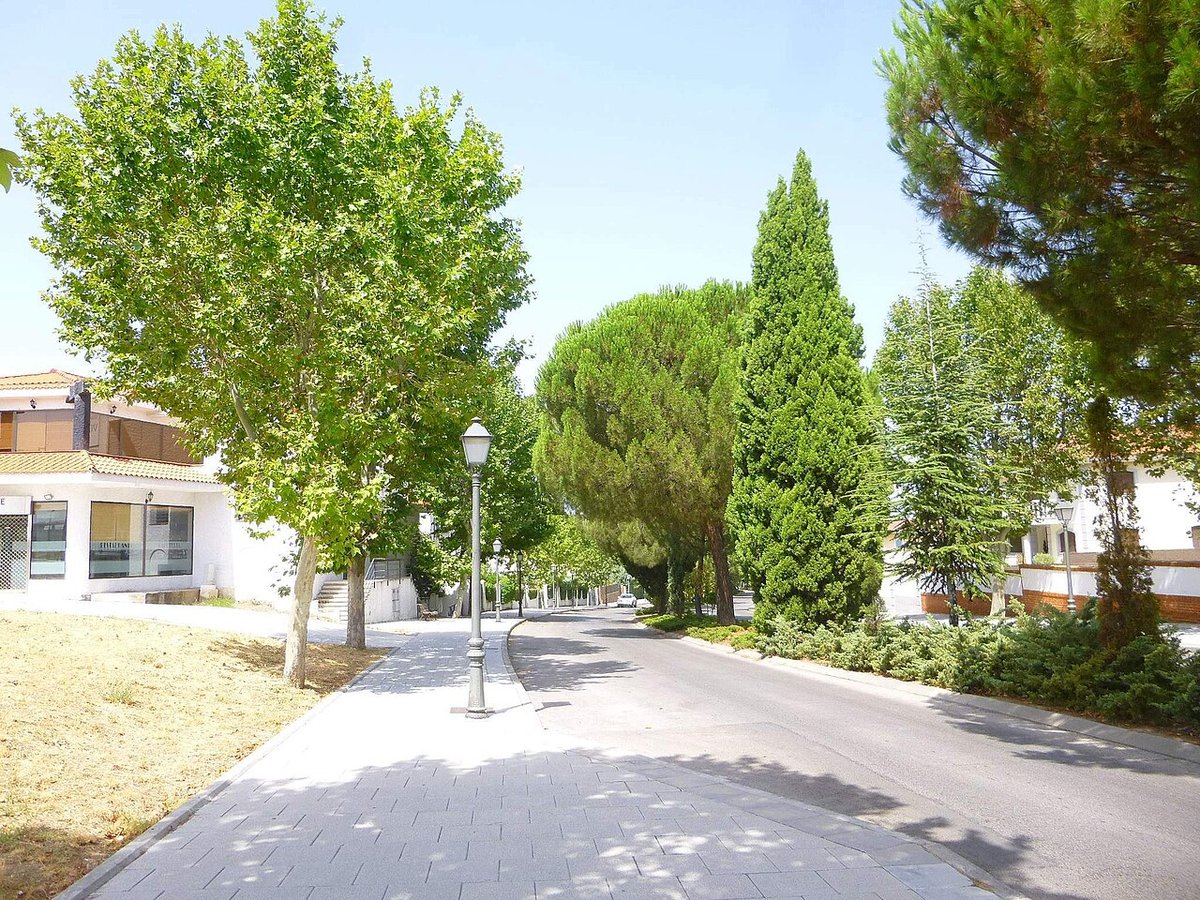
The rest of the village extends along short streets with a gentle slope. Large monumental buildings are absent. Instead, what stands out is the continuity of traditional architecture. Stone houses line the streets, some with very thick walls and small openings facing outwards.
A slow walk reveals details that point to an agricultural past. There are wide gateways once used for carts or tools, interior courtyards and a few auxiliary structures that served as pens or storage spaces. These elements remain part of the built fabric, even where homes have been altered over time.
Practical architecture and everyday life
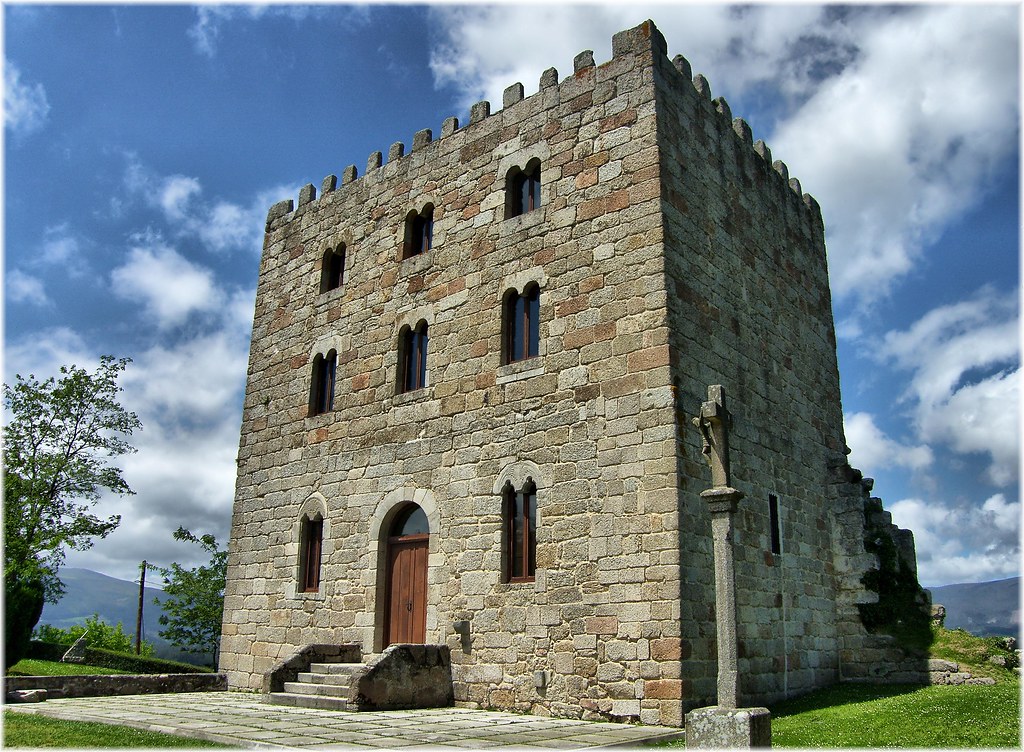
Many houses still preserve traditional features, although they show changes from different periods. Stone remains the dominant material and gives a sense of cohesion to the village as a whole.
This type of architecture follows practical needs rather than decorative aims. Thick walls help insulate against the cold. Sloping roofs deal with snow. Interior spaces connect directly to agricultural work. The result is a place that feels restrained and closely tied to climate and terrain.
The layout of buildings and streets reflects a way of life shaped by farming. Even today, traces of that structure are easy to recognise in how spaces are organised and used.
The landscape of the upper Jiloca
The surroundings of Cosa are typical of the high plains of Teruel. Cereal fields dominate, broken up by gentle rises in the land and scattered patches of Mediterranean vegetation. In summer the landscape turns golden. After spring rains, strong greens appear in crops and along the roadside.
Winter brings a different scene. Snow is not unusual, and when it falls, it covers the soft relief of the plains in a continuous layer that alters the way the landscape is perceived.
These are open terrains where steppe birds can still be seen. Those interested in observing wildlife often find the best moments early in the day or towards evening, when activity increases and the light softens across the fields.
Walking out from the village
Tracks leave directly from Cosa and run between the fields. These are not signposted routes in a formal sense, but agricultural paths used to reach plots of land and carry out daily work.
They are suitable for walking without major changes in elevation and offer a way to understand the surrounding territory. Boundaries between fields become clear, as do the small rises from which much of the valley can be seen. There is also a gradual transition between cultivated land and areas of low scrub.
A walk along these paths reveals how closely the village is tied to its environment, both in terms of economy and landscape.
Festivals and local rhythm
The festive calendar follows a pattern common to many small villages in the Jiloca. The main celebrations take place in summer, when people who still maintain family homes here return, even if they live elsewhere for most of the year.
These are events designed for the village itself. Religious acts, shared meals and gatherings in the square or along the streets take place as the day cools. Social life becomes more visible during this period, with activity centred on meeting and spending time together.
Winter brings a quieter rhythm. Daily life turns more domestic, and the pace slows noticeably in comparison with the busier summer months.
Getting there and practical notes
From the city of Teruel, access runs along the Calamocha axis and then continues via secondary roads through the comarca. The final stretch follows local roads.
Winter conditions require some attention. Frost is frequent in this upper part of the Jiloca, so checking the state of the road is advisable. For much of the year, it also makes sense to bring an extra layer. Even in summer, nights tend to turn cool at this altitude.