Full Article
about Fuentes Claras
Hide article Read full article
A village that keeps its own pace
Tourism in Fuentes Claras feels a bit like pulling over somewhere because it happens to be on your route, then staying longer than planned. It is not about major landmarks or famous viewpoints. The draw is subtler: everything moves at a different speed. A few kilometres from Calamocha, this small village in the Jiloca area carries on without trying to adapt itself for visitors, and with a strong sense that daily life continues much as it always has.
Around 428 people live here, at an altitude of roughly 900 metres. The first impression on arrival is the quiet. Not a staged kind of silence, but the everyday stillness of a small rural place: a door opening, a car passing slowly, and little else.
The name Fuentes Claras is not accidental. The surrounding area has several springs and fountains that have traditionally fed small streams and nearby vegetable plots. Once you leave the built-up area, the landscape opens into the cereal fields typical of the Jiloca valley. In summer the tones turn golden; in winter the land looks harsher and more exposed. It is a kind of flat landscape that seems simple at first, until you stop and take it in properly.
Streets shaped by time
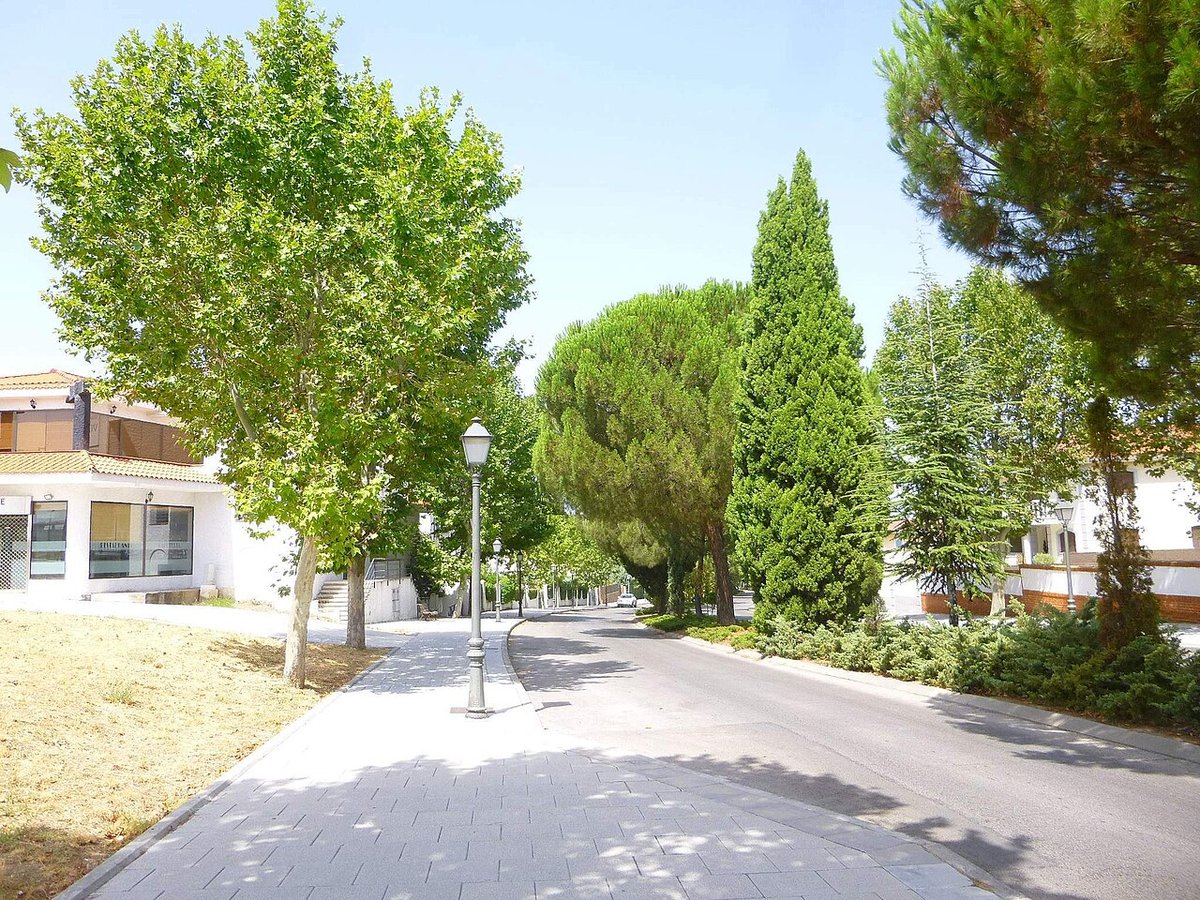
The centre of Fuentes Claras follows a pattern seen across this part of Teruel province. Houses are built with stone and brick, with large wooden doors and iron balconies. There is nothing especially grand in architectural terms, but there is a clear sense of consistency. Many homes have been altered over time, yet the overall look of the village remains intact.
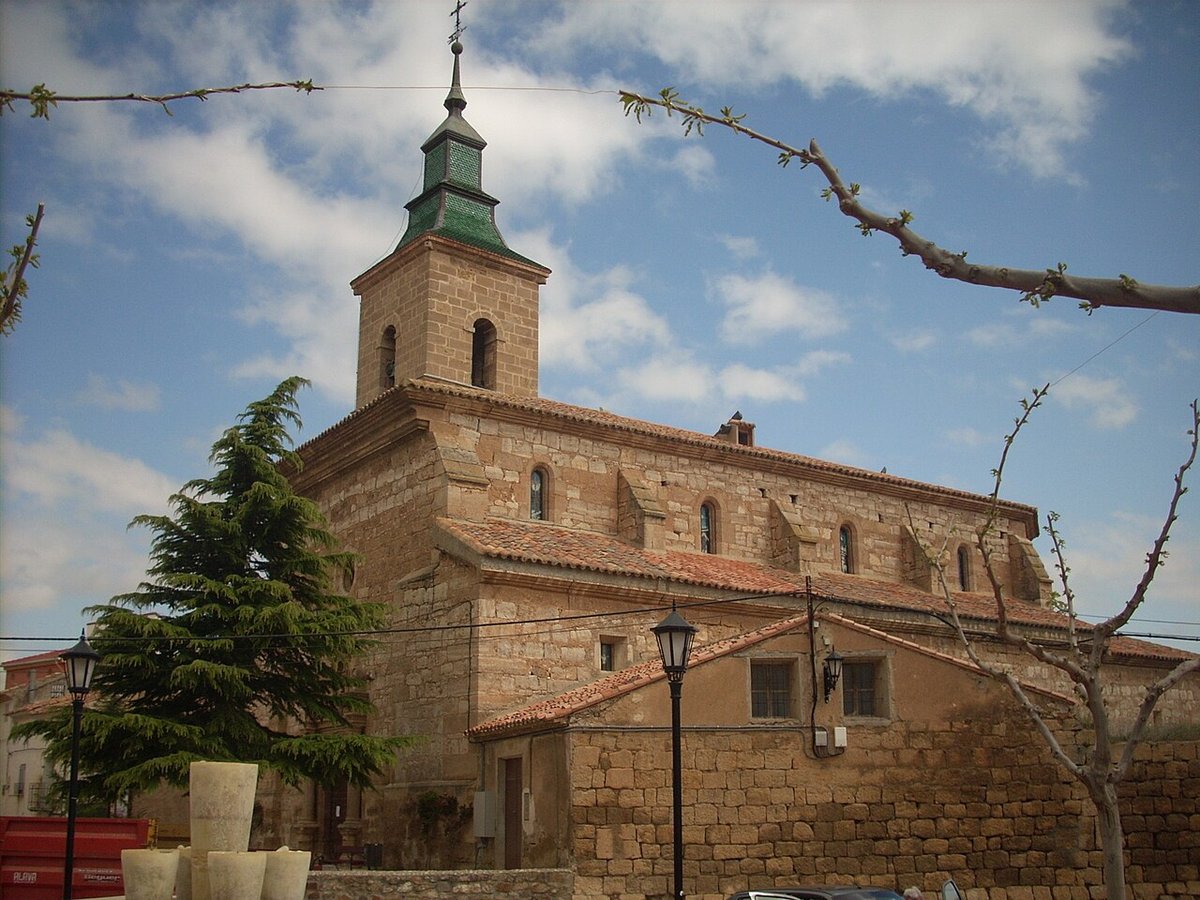
The parish church, dedicated to San Pedro, stands out thanks to its Mudejar tower, visible from various points around the village. Mudejar refers to a historic style influenced by Islamic craftsmanship, common in this region of Aragon. It is a recurring feature in the Jiloca area: small villages marked by a single tower that hints at this architectural tradition.
Walking through the streets reveals details that say a lot about everyday life here. Old doors still in use, small courtyards with olive trees or vines, and the occasional household garden where tomatoes or onions are grown in season. These are not decorative touches. They are part of how people live.
Walking the open surroundings
The land around Fuentes Claras is mostly flat, with only gentle rises, which makes it easy to explore on foot. Agricultural tracks run between fields, leading to slightly elevated spots where the Jiloca plain stretches out in full view.
It is also possible to head towards the river, which flows relatively close by. This is not a dramatic riverside setting. The scene is more understated: farmland, low vegetation, and water moving quietly through it.
For those who pay attention to small details, there is wildlife to notice. Birds typical of inland Aragon are easy to spot, such as goldfinches, buntings, or the occasional kestrel hovering over the fields.
Food that stays close to home
Cooking in Fuentes Claras remains rooted in what has long been prepared in local households. The dishes are filling and straightforward: pulses, stews, and spoon-based recipes that suit the climate.
Vegetables often come from nearby plots when they are in season. There is no focus on reinvention or elaborate presentation. The food is direct, practical, and easy to understand.
When the village gathers
The annual calendar revolves largely around San Pedro, the village’s patron saint. Around this date, religious events take place alongside gatherings of neighbours, often centred on shared meals.
In summer, the atmosphere shifts slightly as people return to the village to visit family. During those days, Fuentes Claras becomes livelier, with music, activities in the main square, and communal meals that bring together much of the population.
Easter, or Semana Santa, has a more restrained tone. Processions pass through the older streets, and the mood is quieter and more reflective rather than celebratory.
A brief stop with a clear impression
Fuentes Claras lies just over 80 kilometres from the city of Teruel, typically reached via regional roads that cross the cereal landscapes of the Jiloca area.
This is not a place designed to fill an entire day with sights. It works better as a calm stop if you are travelling around Calamocha or moving through the wider region. A walk through the streets, a short wander along the surrounding paths, and it quickly becomes clear how life functions here.
It is the kind of place that does not try to impress. Instead, it leaves a straightforward and lasting impression of what many small villages in this part of Aragon are like.