Full Article
about Monreal del Campo
Hide article Read full article
A village that appears on the plain
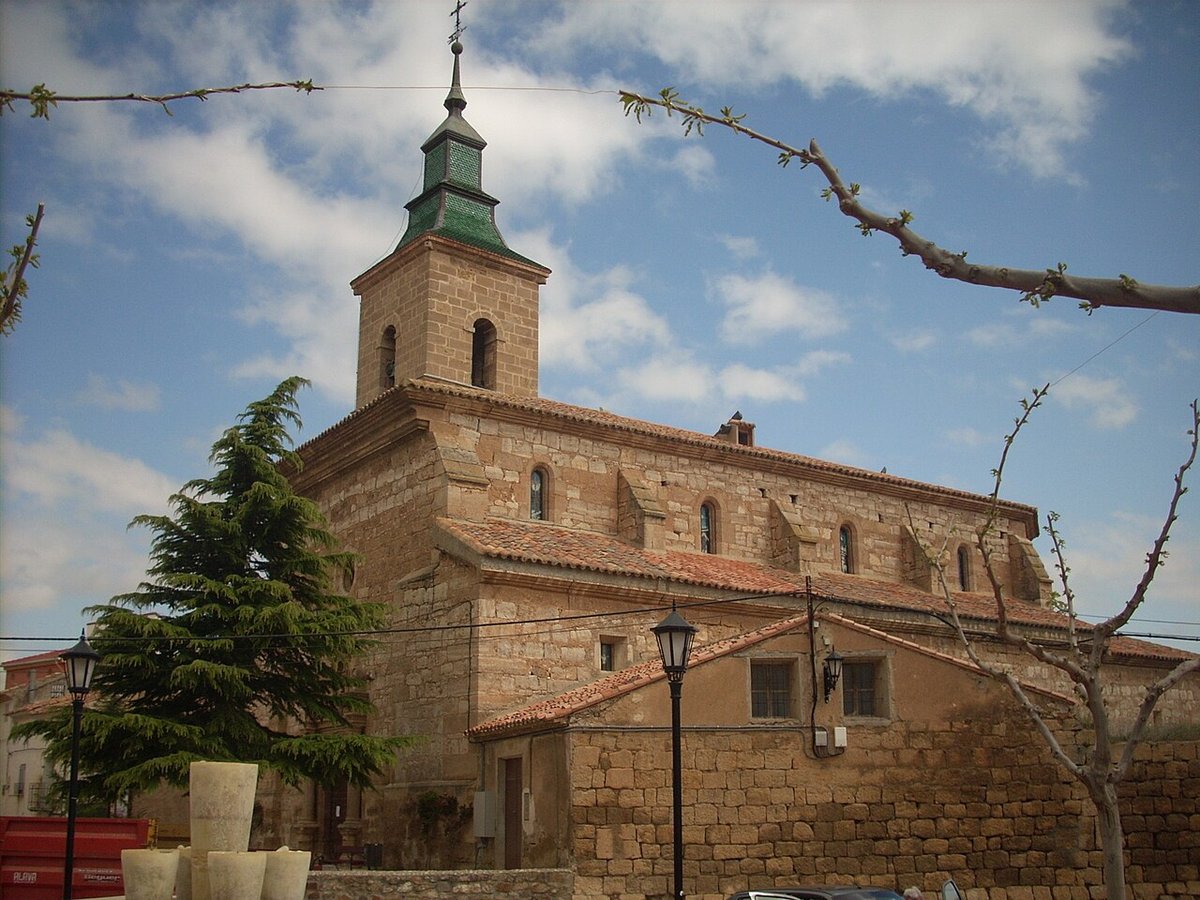
The GPS tends to hesitate a little before Monreal del Campo comes into view. The road runs through open farmland, with cereal fields stretching out on both sides, and the flat landscape seems to go on without end. Then, suddenly, the tower of the church rises on the horizon like a pin stuck into the land. There is no sense of concealment here. In the Jiloca region, villages are visible from far away. The terrain does not hide them.
That first impression says a lot about the place. Monreal del Campo sits in a wide, exposed setting where the sky feels large and the distances are easy to read. The approach prepares you for a village that has always been part of a route rather than tucked away from it.
A settlement shaped by history
Monreal del Campo exists for a practical reason. At some point, control of the territory mattered enough for a settlement to be established right in the middle of the route. Alfonso I el Batallador founded the village in 1120, shortly after the nearby Battle of Cutanda. This was a period of Christian expansion across this part of Aragón, and a strategic point was needed to oversee movement through the area.
Over the centuries, the village grew and gained recognition. Felipe V eventually granted it the title “Fidelísima y muy noble”, a distinction that still echoes in its identity. The fleur-de-lis on the coat of arms comes from that moment.
The original castle that once guarded the area has long since disappeared, likely during conflicts in the 16th century. What remains today is less about defensive structures and more about the layout of the village itself. Streets lead towards the central space where the church stands as the main visual reference point, dominating the square and anchoring daily life.
Saffron: the red gold of the Jiloca
Saffron explains Monreal del Campo better than almost anything else. For a long time, it was one of the most valuable products in the region. That is not an exaggeration. Just a few grams could be worth as much as a good harvest of other crops.
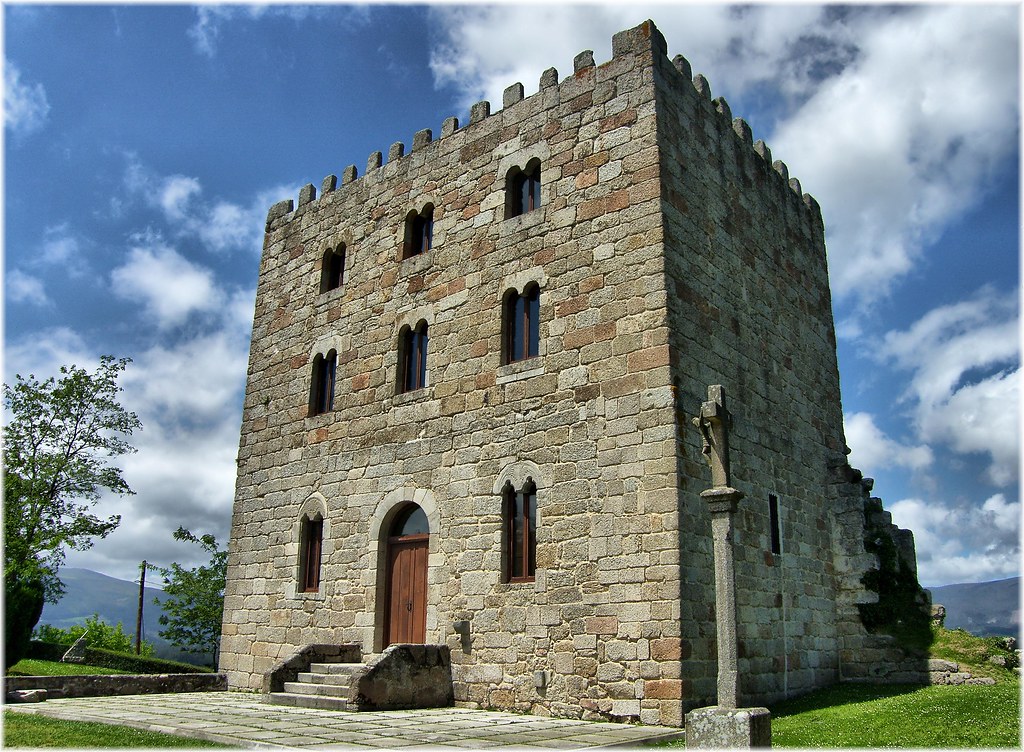
The village has a museum dedicated to this crop, housed in a historic building. It offers a clear introduction to the work behind saffron and why it demands such patience. Harvesting is done entirely by hand, flower by flower. After that comes the careful process of separating the stigmas and toasting them. Once you see how much effort goes into it, the name “red gold” starts to make complete sense.
Saffron is not just part of the past. Some people in the area still cultivate it today, following the same methods. The harvest season is short and takes place in autumn, which adds to its sense of rarity and value. This continuity connects present-day Monreal del Campo with a long agricultural tradition that still shapes its identity.
Los Ojos del Jiloca: water where you do not expect it
Just outside the village lie the Ojos del Jiloca, a wetland where the water emerges to form the river. The contrast with the surrounding plain is striking. After crossing the dry, open landscape of the Jiloca, the sudden appearance of lagoons and reeds feels almost surprising.
The area can be explored on foot along an easy, completely flat path. It is the kind of walk that invites a slower pace, with time to look at the water and watch for birds. Herons and other species often stop here, using the wetland as a resting point.
Early morning has a particular atmosphere. Low mist sometimes lingers over the water, and the whole place feels quiet, as if it has not fully woken up yet. The setting helps explain why nearby communities have long regarded it as an important space. It offers a different side of the region, one that contrasts with the dry fields that dominate the wider landscape.
Wind, migas and everyday life
Wind is a constant presence in Monreal del Campo. It shapes the experience of the place as much as the landscape does. Winters can be harsh, and the climate has a clear influence on local food. That is why migas remain a familiar dish when the cold sets in. Here they are often prepared with a touch of saffron, which reflects the most natural way of using what has always been available.
The village also hosts historical re-enactments in some years, linked to its foundation. For a few days, modern clothing gives way to medieval dress, stalls appear in the streets, and the atmosphere changes noticeably. It does not feel like a staged attraction. Much of the village takes part, and that involvement gives the event a more genuine character.
A place that carries on at its own pace
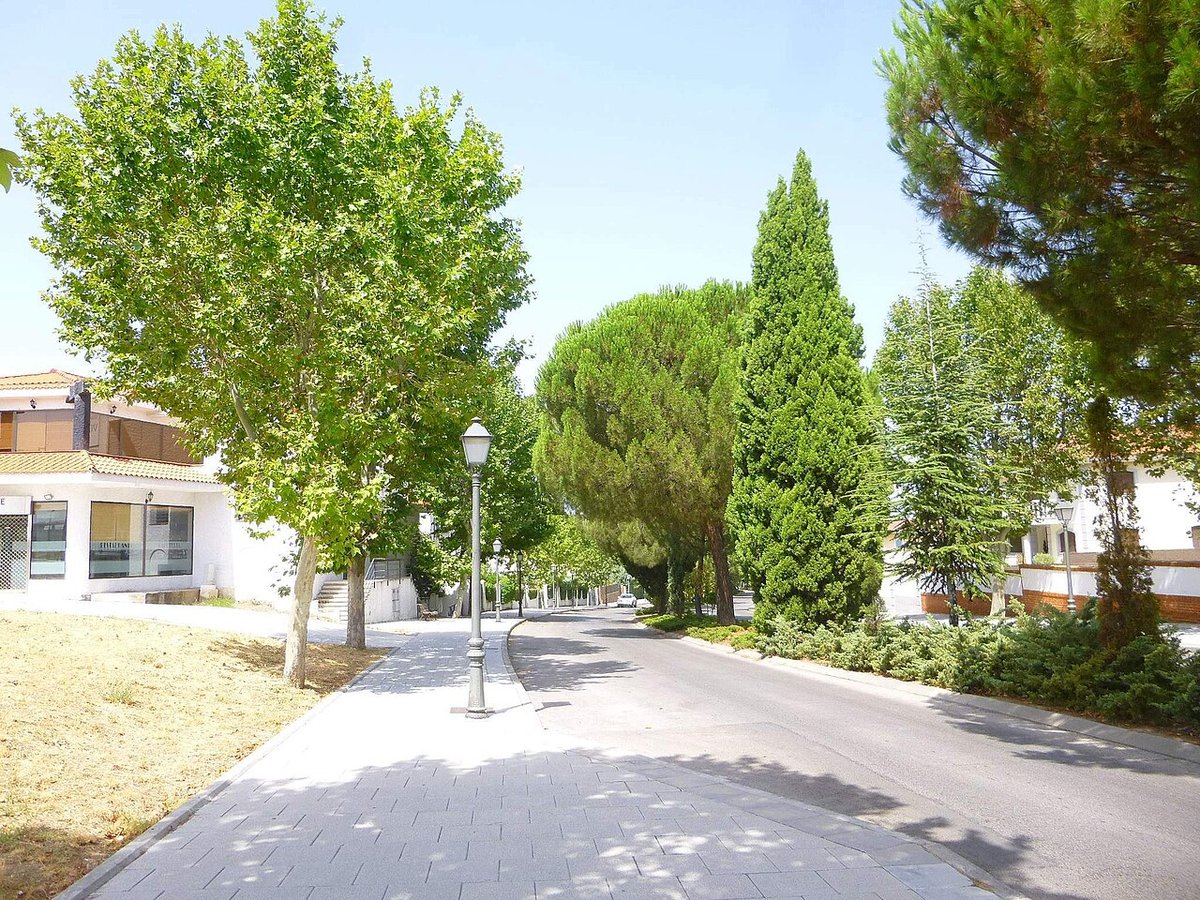
Monreal del Campo shares something with many villages in the Jiloca region: it does not depend entirely on visitors. Life continues regardless. People work, shop, talk in the square and follow their routines. That sense of continuity shapes the experience of spending time here.
The Iglesia de San Juan Bautista is the most eye-catching building on arrival, rising above the rest of the village. Yet the appeal of Monreal del Campo is not limited to a single landmark. A simple walk through the centre reveals more about it. The movement of the wind through the trees in the square, the rhythm of the afternoon, and the everyday interactions all form part of what the place offers.
A short stop is enough to get a feel for it. A walk to the Ojos del Jiloca, a visit to the saffron museum for those curious about its history, and some time in the square provide a complete picture. Monreal del Campo does not require long stays to leave an impression. It works well as a calm pause on a longer journey through the province of Teruel, the kind of place that quietly stays with you afterwards.