Full Article
about Odón
Hide article Read full article
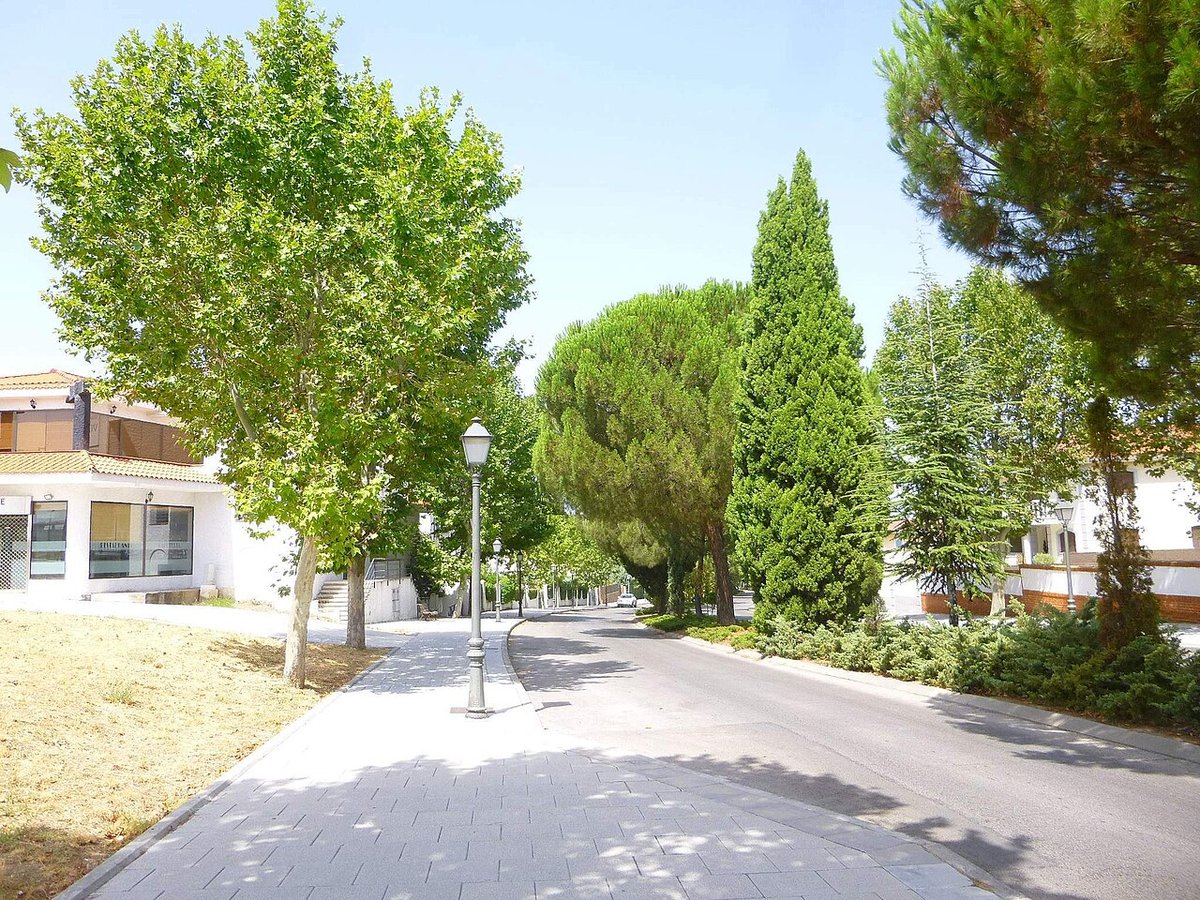
Early in the morning, when the sky over the Jiloca is clear and cold air drifts down from the hills, Odón appears suddenly after a final stretch of quiet road. The transition is abrupt: dry farmland gives way almost instantly to stone houses. Then come the sounds, or rather the lack of them. A distant cowbell, wind moving across open ground, and little else. In Odón, a small village in the Jiloca region of Teruel province, silence is not staged. It is simply what remains when nobody passes through.
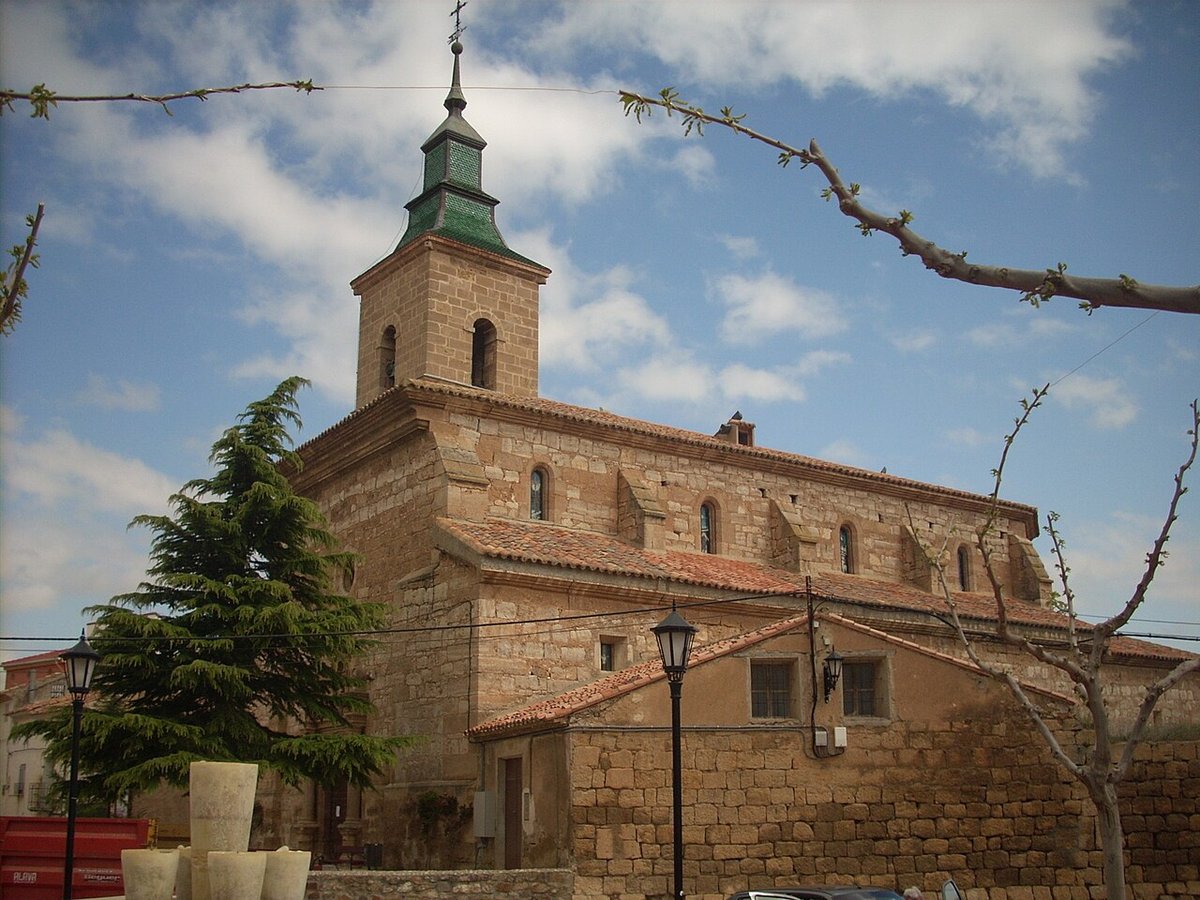
The houses cluster along narrow streets where pale stone and adobe set the tone of the façades. Some doorways still show deep grain in the wood, fitted with heavy knockers that close with a sharp, solid sound. Wandering without a plan eventually leads to the main square and the parish church of San Juan Bautista. This is an old building, generally traced back to the Middle Ages, with later Baroque elements added inside. Light enters cautiously through small windows. On sunny days it settles into soft patches of colour across the whitewashed walls.
The church and the square
The tower is visible from several points in the village and acts as a reference when the streets begin to loop and turn. Around the square there are still benches where residents sit towards the end of the day, when the sun slips behind the rooftops and the summer air becomes easier to bear.
This is a place to pass through slowly. Around midday, especially in winter, the village can feel almost empty.
Walking around Odón
The landscape surrounding Odón reflects the dry farming plains of the Jiloca: open fields, the occasional holm oak, and low hills that shift in colour with the seasons. Spring brings a brief spell of green. By autumn, everything turns towards ochre tones.
From small nearby rises, modest hills well known to locals, the valley opens out. There are no marked viewpoints or prepared platforms. Just higher ground where the patchwork of cultivated land becomes visible and, on clear days, other villages can be seen several kilometres away.
Several agricultural tracks lead out from Odón. Some can be followed on foot without much difficulty, although it is sensible to carry water and not rely on consistent signage. In places the ground is loose خاک-like earth, and after rain it can become heavy going underfoot.
Food in local homes
Cooking here remains closely tied to what the land and livestock have traditionally provided. Migas, legume stews, seasonal vegetables and, when available, small game all form part of the local diet. These are dishes suited to winter, prepared slowly and eaten hot.
Odón is not geared towards tourism, and there is no regular dining scene designed for visitors. If this food is tasted, it is usually during local festivities, family gatherings or shared meals among neighbours.
When the village comes to life
For much of the year, life in Odón moves at a very steady pace. In August, as in many villages across the Jiloca, those who live elsewhere return for a few days and the atmosphere shifts. Events are held in the square, there are communal meals, and music continues into the night.
In January, the tradition of blessing animals is still observed during the festival of San Antón. This custom is closely linked to the area’s livestock-raising past. These are simple celebrations, shaped more for those who live here than for attracting visitors.
Winter in the Jiloca
When the cold truly sets in, the landscape becomes harsher. Frosts are frequent, and some mornings the streets are slippery underfoot. Snow does not fall every year, but when it does, the village can fall into complete silence for hours.
Anyone planning a visit in winter should check the condition of the regional roads, especially after snowfall or nights of heavy frost.
Getting to Odón
The most common way to reach Odón is via the Mudéjar motorway corridor, followed by smaller regional roads that pass through several villages in the Jiloca. The final stretch runs between open fields, with little traffic and gentle bends.
There are no large car parks, and none are needed. It is easy to leave a car at one of the village entrances and continue on foot, crossing the entire place in just a few minutes.
Odón does not depend on attracting visitors, and it does not seem to try. What exists here are old houses, fields that are still worked, and the steady sound of wind moving something nearby, a loose sheet of metal, a branch, a door not quite shut, while the Jiloca valley stretches out in every direction.