Full Article
about San Martín del Río
Hide article Read full article
A village that moves differently
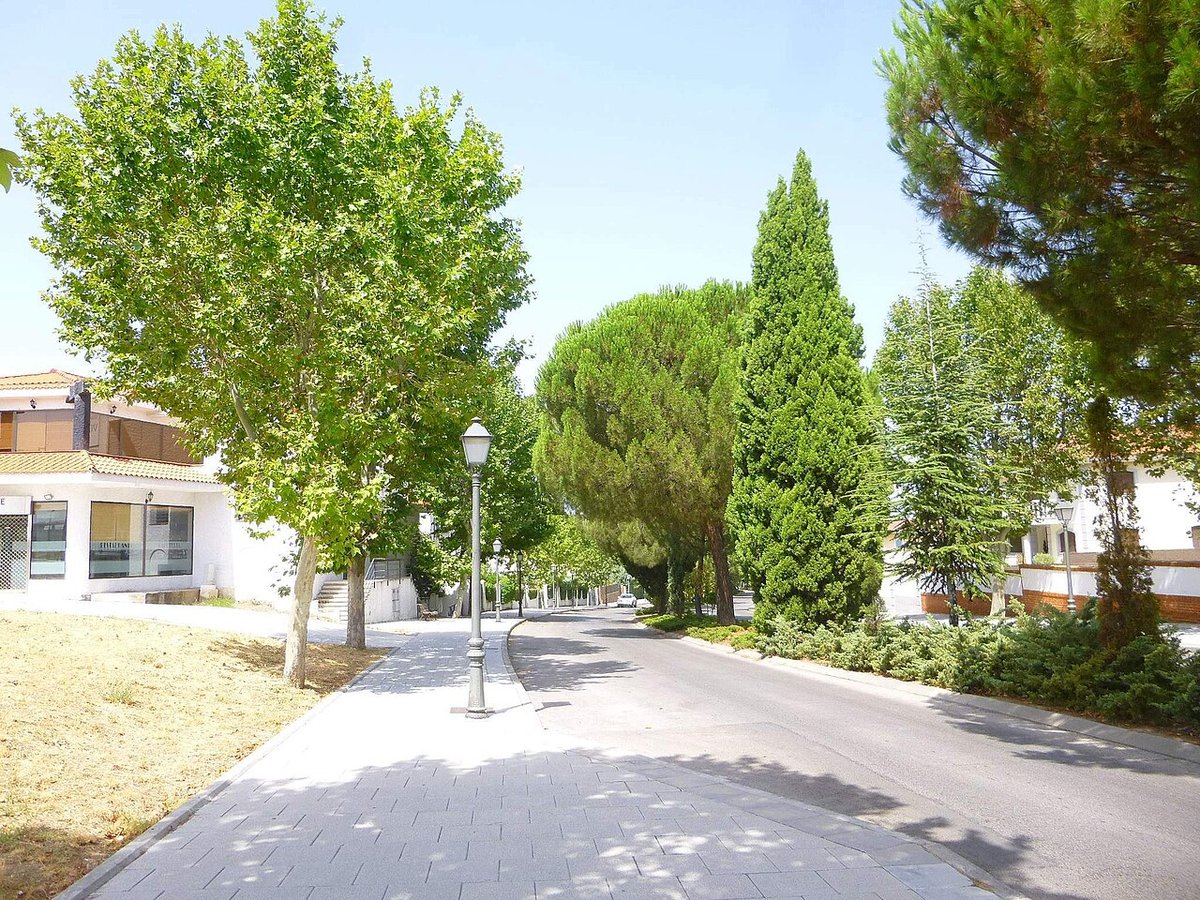
San Martín del Río is the kind of place you drive through and then decide to turn back. You park by the Calle Mayor, get out, and within a few steps the noise from the road just stops. It’s not quiet in a dramatic way; it’s more like someone turned the volume down on everything. People come looking for a church or a photo, but what you actually find is a village of 135 people where the day still runs on its own clock.
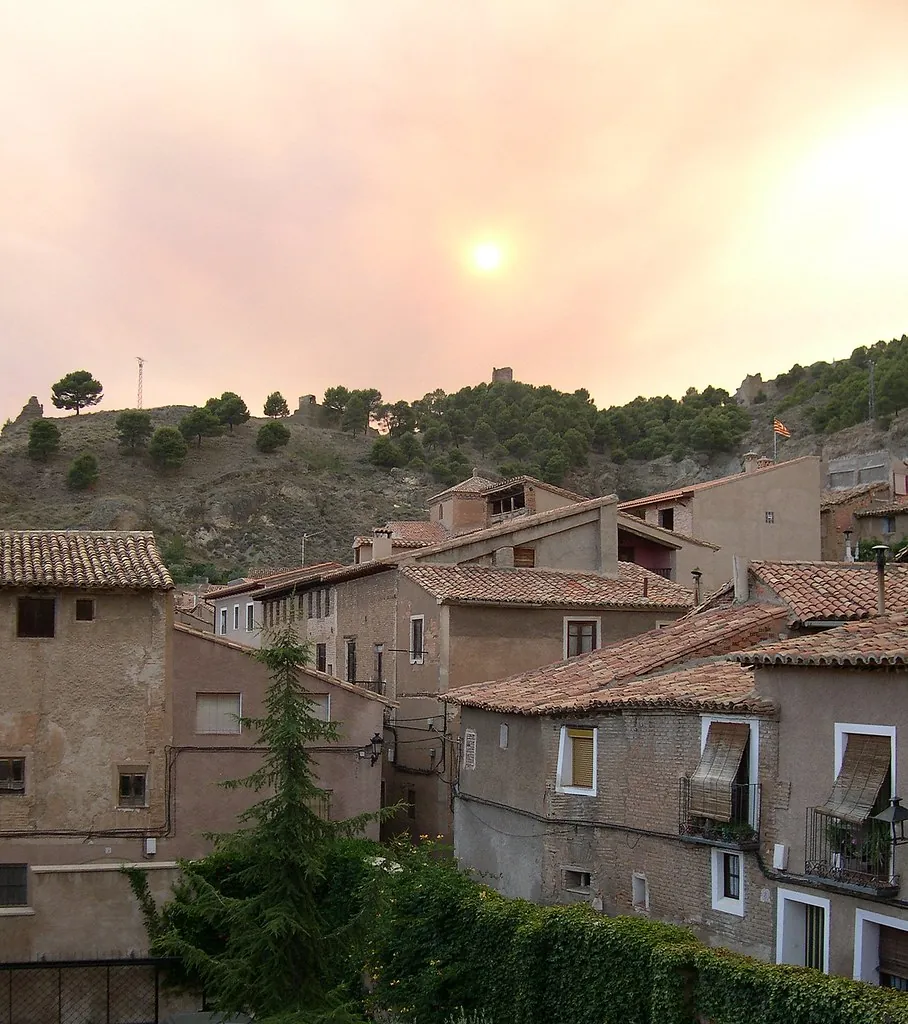
It doesn’t look like a postcard. The buildings are thick stone and red tile, with old barns right next to houses. The layout makes sense: short streets, a square that’s actually used, and then, suddenly, open fields. It feels practical, like it was built for winters here, not for visitors.
The church and the shape of things
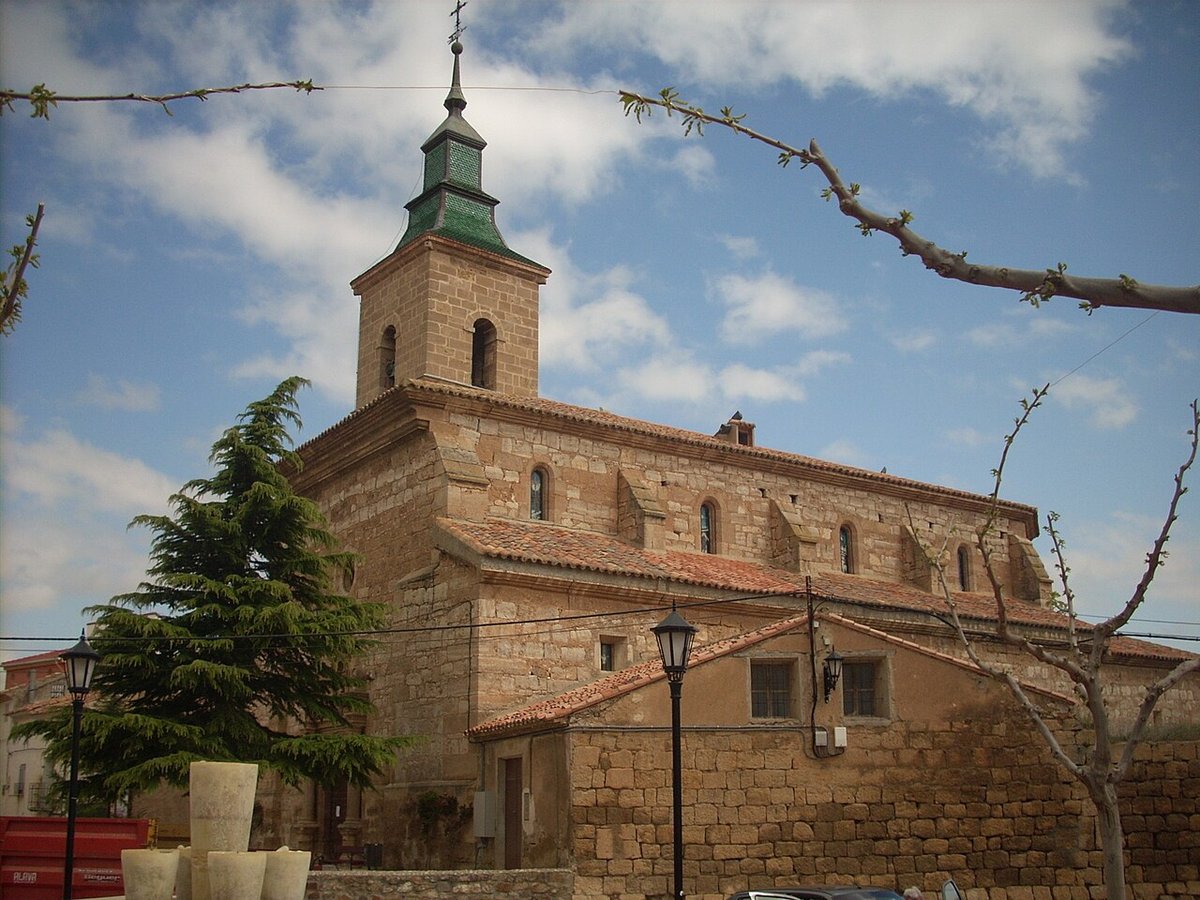
You can’t miss the church of San Martín de Tours. Its tower pops up everywhere you look, which is pretty standard for villages around here. They say it’s medieval at heart, but what you see now is the result of centuries of fixing things when they broke.
It’s not fancy inside or out. Solid walls, simple altarpieces—it feels more like a piece of community furniture than a monument. Walking out from it, you start noticing other things: massive gates meant for carts, animal pens built into house walls, everything angled against the wind. The whole place feels like an answer to the question “How do we live here?”
Paths that just start where the pavement ends
One thing I like about San Martín is how fast you’re in the countryside. You walk past the last house and you’re on a dirt track between fields.
Don’t expect signposted hiking trails. These are farm paths, the sort used to check crops or move sheep. If you’re okay with walking without a clear destination, it fits perfectly. The landscape is classic Jiloca: wide cereal fields that change colour with the season, low hills on the horizon, and big birds circling overhead almost every time you look up.
The point isn’t to reach a viewpoint. It’s more about getting a feel for how this land works—and how much of it there is.
Food and the rhythm of the year
The food here is what you’d expect: sturdy stuff for people who work outside. We’re talking migas, stews, lamb from nearby pastures. Nothing tries to be gourmet; it’s just good.
Talking to some of the older folks, they remember when almost everything came from within walking distance—the vegetable patch, the pig out back. That style of cooking hangs around.
The year still pivots on a few dates. The fiesta for San Martín in November is a big deal. In summer, there’s usually something happening when families return. The square fills up, voices carry further—you notice it.
Other traditions have faded into memory or family gatherings, like the matanza del cerdo. It’s mentioned more in past tense now.
Night skies and valley quiet
When it gets dark here, you remember what dark actually looks like. There's hardly any light pollution.
Walk five minutes out of town on a clear night and the sky looks sharp enough to cut yourself on. There's no star party or guided tour; it's just you, maybe some dry Teruel cold creeping in, and a lot of stars.
It makes you understand why people here often talk about the weather or the sky before anything else.
Getting there and what you're really signing up for
San Martín sits in that part of Teruel where villages are dots connected by straight roads through empty fields. You need a car unless you're very patient with buses.
Manage your expectations: this isn't an all-day sightseeing spot. It's more like a pause button. You come in, stretch your legs for an hour or two along those farm tracks maybe sit in the square for bit if there's sun then get back in your car feeling like your head's clearer than when arrived That's usually how works