Full Article
about Singra
Hide article Read full article
A quiet corner of Teruel
Drive through the interior of the province of Teruel and the pace seems to drop. Traffic thins out, open fields stretch further, and the odd tractor appears in the distance. Singra fits neatly into that picture. This small village in the Jiloca region is home to just over seventy people, where silence is not a selling point but simply part of daily life.
The village sits at over 1,000 metres above sea level, surrounded by cereal fields and patches of pine woodland. Winter brings very little movement, while summer sees a modest return of activity as people with family ties come back. It remains a place where the workings of a small rural community are still easy to understand.
The landscape around Singra
The surroundings reflect the character of the upper Jiloca area. Gentle hills, wide open farmland and low wooded areas define the terrain, with holm oaks, pines and occasional oak groves appearing across the slopes. It is not a landscape of dramatic peaks or deep gorges, yet the sense of space stands out. The horizon always feels distant.
The roads around Singra suit unhurried driving. This part of inland Teruel changes noticeably with the seasons. Autumn brings freshly worked fields and woodland patches that turn strong shades of ochre. Winter shifts the mood again, with wind often becoming the dominant presence.
Agriculture shapes the area in a very visible way. Much of what surrounds the village consists of cultivated land, and the agricultural calendar still sets the rhythm of the year.
Walking through the village
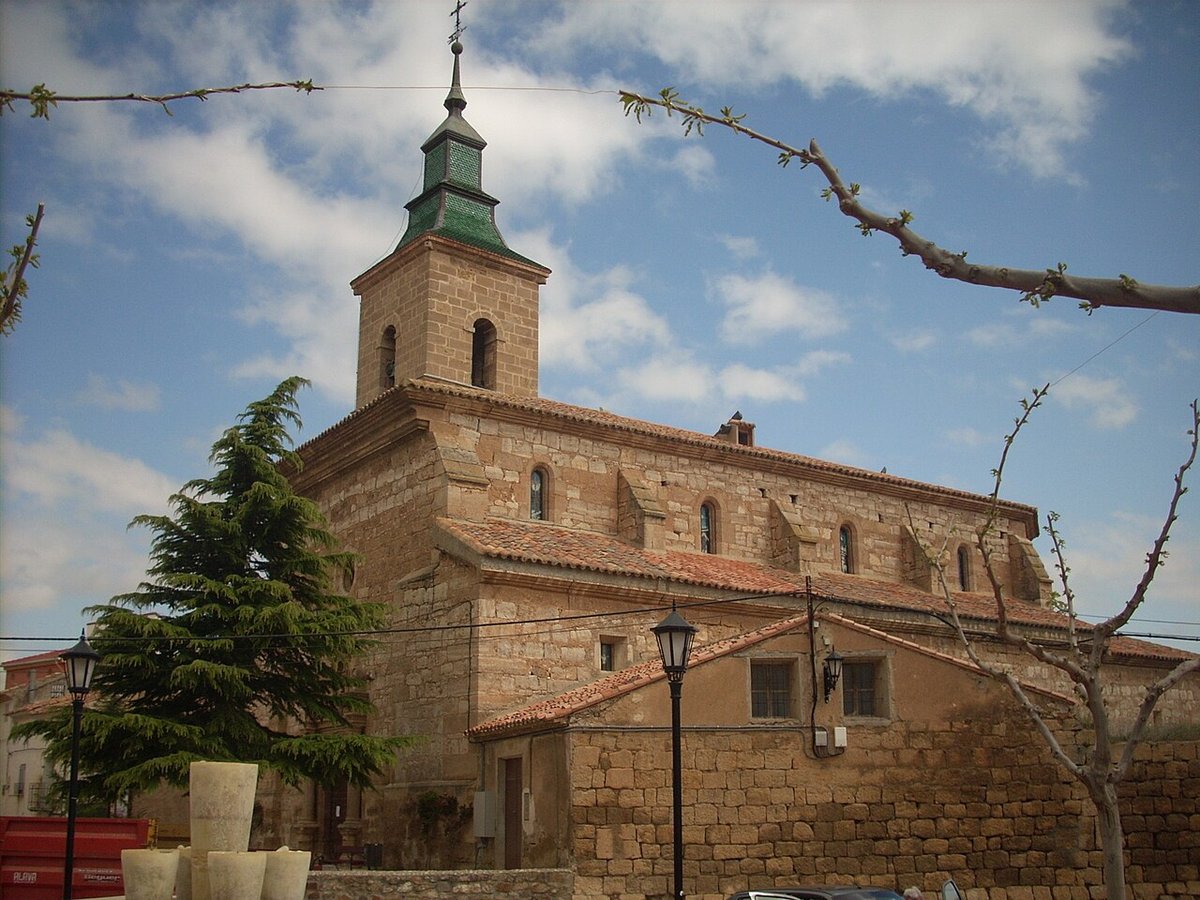
The most prominent building in Singra is the parish church of San Pedro Apóstol. Its tower is visible from a fair distance as you approach by road, and once inside the village it remains the main point of reference.
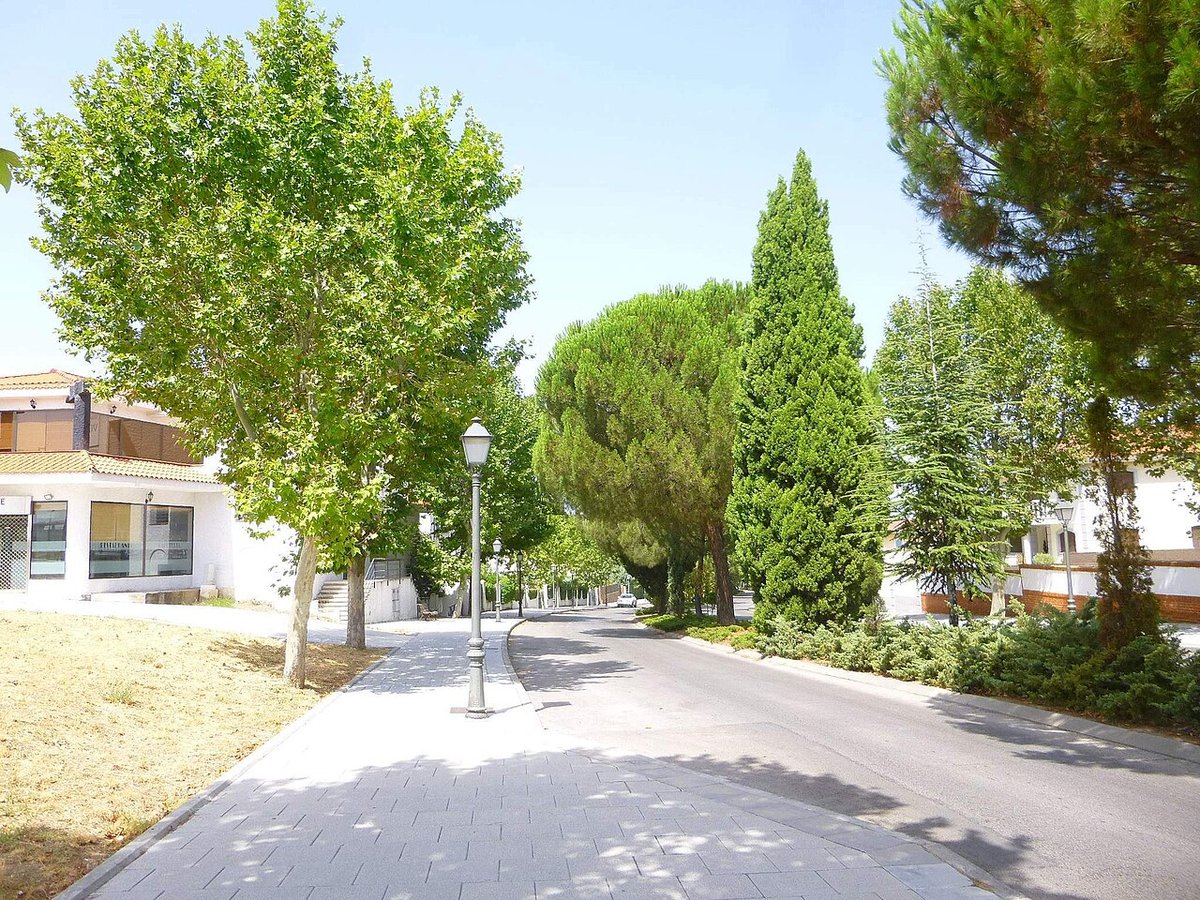
The village centre is small and easy to explore on foot. Streets are irregular, lined with simple houses built from stone and masonry. Some still feature iron balconies or large wooden doors that reflect traditional construction methods from past decades. There are no major monuments or grand historic ensembles, yet the overall appearance is consistent with its agricultural roots and has changed little over time.
A short walk is enough to understand the place.
Paths and walks in the surrounding area
Several rural tracks extend out from Singra, once used to connect fields and neighbouring villages. Many are still in use today. They are generally easy to follow, though they are not always marked as official routes.
These are gentle routes rather than mountain hikes. Dirt tracks run between fields, pass through stretches of pine forest and occasionally reach small բարձր points with views over the Jiloca valley. It is useful to carry a route on a mobile device or GPS, especially when taking secondary paths.
The area also offers regular opportunities to spot birdlife. Birds of prey can often be seen riding air currents, while smaller woodland species appear along the edges of the forest. Early morning tends to be the most active time in the countryside.
Food traditions in the area
The local cooking reflects what is typical of inland Teruel. Dishes are substantial and pork products feature heavily. Homemade cured meats, slow-cooked stews and recipes passed down through habit rather than written instruction form the basis of everyday food.
Autumn brings mushrooms, particularly níscalos found in nearby pine forests. Collecting them remains common among local people, always with respect for the land and whatever rules apply each season.
This is not a destination centred on modern gastronomy. It is, however, a place where cooking continues much as it always has.
Festivities and village life
The liveliest celebrations take place in summer, when people with family connections return to Singra. These are simple village festivals organised by residents themselves. Processions, shared meals and activities are designed more for bringing people together than attracting outsiders.
For the rest of the year, the atmosphere is far quieter. Christmas and Easter are observed in a more domestic way, with family gatherings and traditions that vary from household to household.
Getting to Singra
Most visitors arrive via the Mudéjar motorway, the A-23. From the area around Calamocha, smaller regional roads lead to Singra, crossing the farmland of the Jiloca region.
These are quiet roads with little traffic, though it is common to encounter tractors and slower-moving vehicles. The journey is straightforward, but the setting is very much rural inland Spain.
Singra is not a place stumbled upon by chance. Visitors usually come with a clear idea in mind: a small village, open countryside and a slower pace of life. Those expectations tend to match what they find.