Full Article
about Torralba de los Sisones
Hide article Read full article
At ten in the morning, the air in Torralba de los Sisones often carries the smell of turned soil and dry grass. Stone houses, topped with slightly uneven reddish tiles, still hold the coolness of the night. Around the village stretches a gently rolling plain where the wind moves the cereal fields like water. Now and then the silence breaks with the quick flight of a steppe bird. They are not always visible, but they can be heard.
Torralba de los Sisones lies in the Jiloca comarca, just over a thousand metres above sea level. That height is noticeable. Even in summer, when the sun beats down on the fields, the air cools at dusk and a long sleeve becomes necessary if you stay outside for a while. In winter the cold is serious, and the wind crosses the open plateau with little to stop it. Some years snow covers the surroundings, reducing the landscape to whites and greys.
A Village Shaped by Agriculture
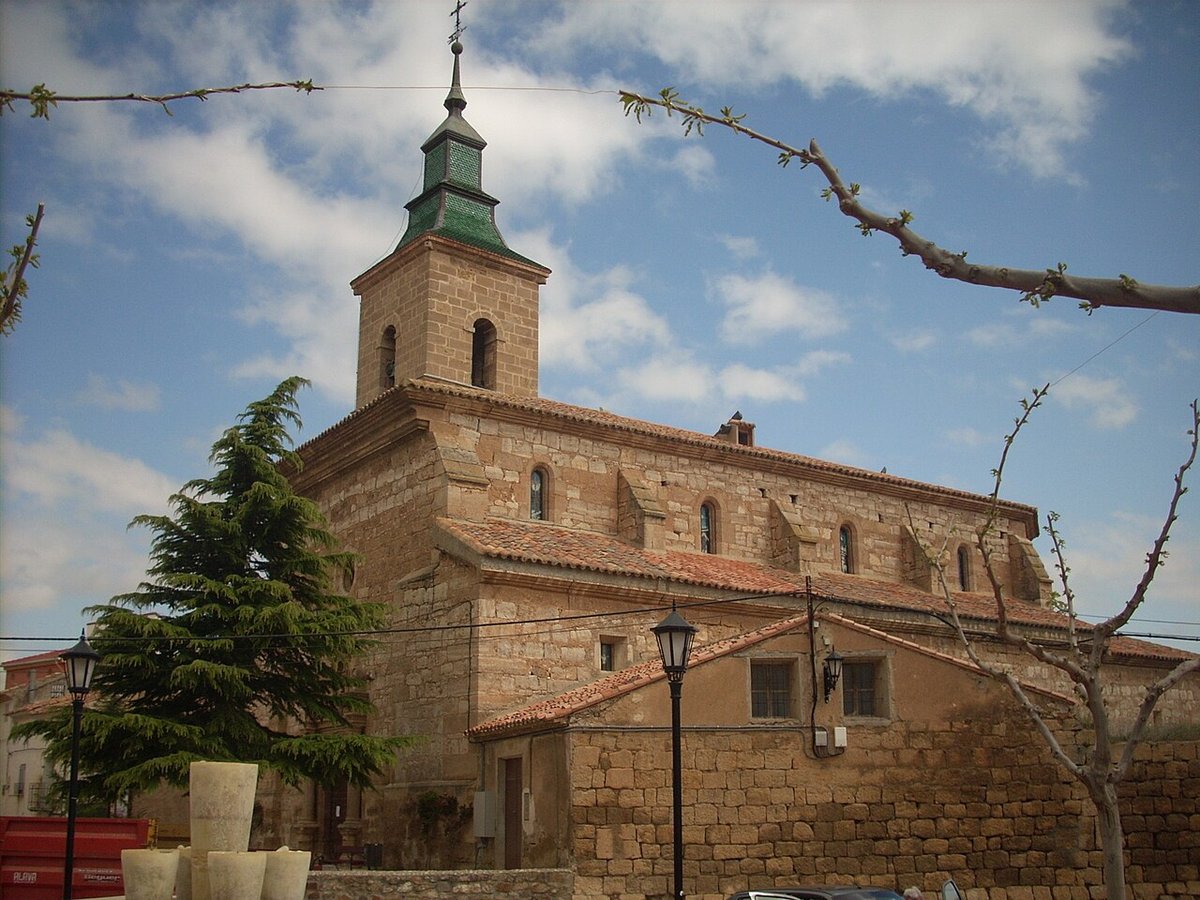
From almost anywhere in the village, the tower of the parish church of the Asunción de Nuestra Señora is visible. It is not a grand building, yet it sets the rhythm of the settlement. When the door is open, which is not always the case, the interior feels restrained, with the cool stone atmosphere common in many churches in the area. The silence inside sounds different, more hollow, as if it lingers between the walls.
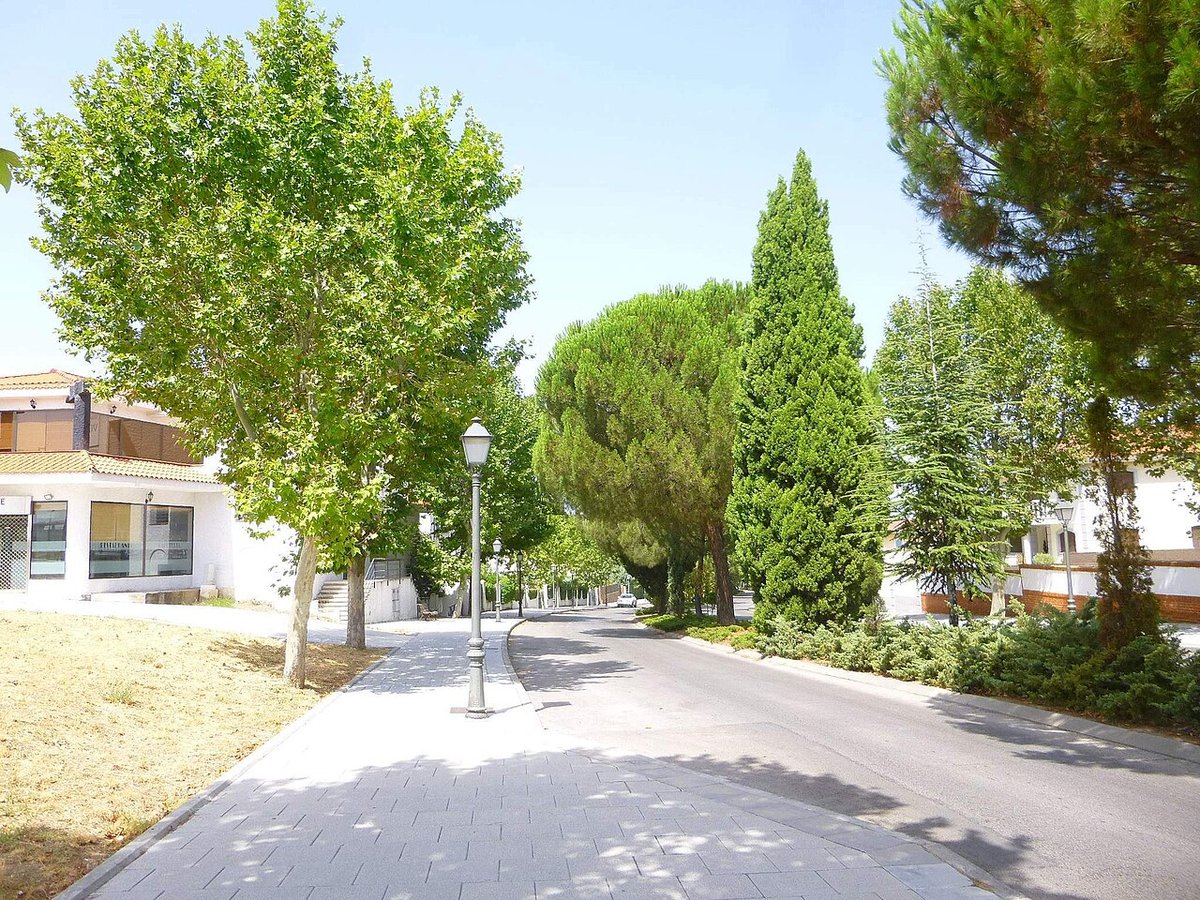
The streets form a small maze with an irregular layout. Some are so narrow that a car can barely pass, forcing it close to the façades. Many houses still show thick stone walls or rendered adobe, built to withstand long winters and dry summers. Walking without hurry brings out small details: a wooden bench by a doorway, a rusted grille, marks on corners where cart wheels scraped for years.
On the edges of the village there are pens and low buildings linked to agricultural work. There are also cellars dug into small earthen slopes, something quite common in villages across the Jiloca area. They are not set up for visits. Instead, they remain part of the everyday landscape, a quiet explanation of how life worked here when cereal and livestock dominated almost everything.
Beyond the last houses, the plateau opens up, wide and rather bare. From nearby rises, the horizon stretches in every direction: cultivated plots, the occasional dirt track, low stone lines marking field boundaries. It is not a dramatic landscape in the usual sense, yet it becomes almost hypnotic when the wind begins to move the ears of grain and the sky clears completely.
Paths Beyond the Last Street
Several agricultural tracks leave from the edges of Torralba. They are not signposted for walkers. These are dirt routes used by tractors and locals heading to their land. Even so, walking them is straightforward if you do not stray too far and carry water.
Two things are worth bearing in mind. The wind can rise suddenly, and in summer the sun falls hard with almost no shade. Early morning or the last hours of the afternoon tend to be the most comfortable times to go out.
It is on these walks that the steppe wildlife sometimes appears. The sisón, the bird that gives the village its name, is still associated with these open fields, though it is not always easy to spot. Birds of prey are more frequently seen, gliding high above, making use of the air currents.
Light shifts noticeably with the seasons. In summer the fields turn a dry gold beneath very clear skies. Autumn brings low mists on some mornings, softening the outlines of everything. In winter, frost draws a white layer across the stubble at dawn.
As for food, the village keeps to its traditional cooking. Hearty stews, pulses, lamb, and dishes linked to the annual pig slaughter when the time comes. These are meals shaped by the local climate rather than by any intention to impress.
Festivities That Bring People Back
In August, the village celebrates the festivities dedicated to the Virgen de la Asunción. During these days the rhythm changes, as many former residents return. The streets fill more than usual, and the nights stretch on longer than at other times of the year.
In January, the bonfire of San Antón is usually lit. The fire is fed with branches and pruning remains while people gather around it, well wrapped up against the cold, which is often intense at that time.
There are also celebrations linked to El Pilar in October. The atmosphere varies depending on how many people are in the village that year, something that can shift from one year to the next.
Getting There and Choosing the Moment
From Teruel, Torralba de los Sisones is about 45 kilometres away. The usual route follows the A‑23 motorway towards the area of Calamocha, then continues along a local road for several kilometres. The final stretch is calm, with gentle curves between open fields.
Spring and autumn are often the most comfortable seasons for walking in the surroundings. In summer, the heat intensifies at midday, while in winter the plateau wind can make the temperature feel much lower than it is. Travelling by car tends to be the most practical option for reaching and moving around the area.