Full Article
about Torre los Negros
Hide article Read full article
The village you find when you're not looking for anything
You know those drives where you turn off the main road just to see what's there? Torre los Negros is that kind of place. You don't come here looking for it; you sort of stumble upon it. At first, it feels like any other small dot on the map in the Jiloca region of Aragon. Quiet streets, maybe a dog barking in the distance. But then you get out of the car, and the place starts to talk. Not with signs or shops, but with a cellar door half-hidden in a wall, or the way an old neighbour will nod at you from a doorstep.
It’s got about eighty people on paper, less most of the year. This isn't a tourism set-up. It's just a village being a village.
Walking its rhythm
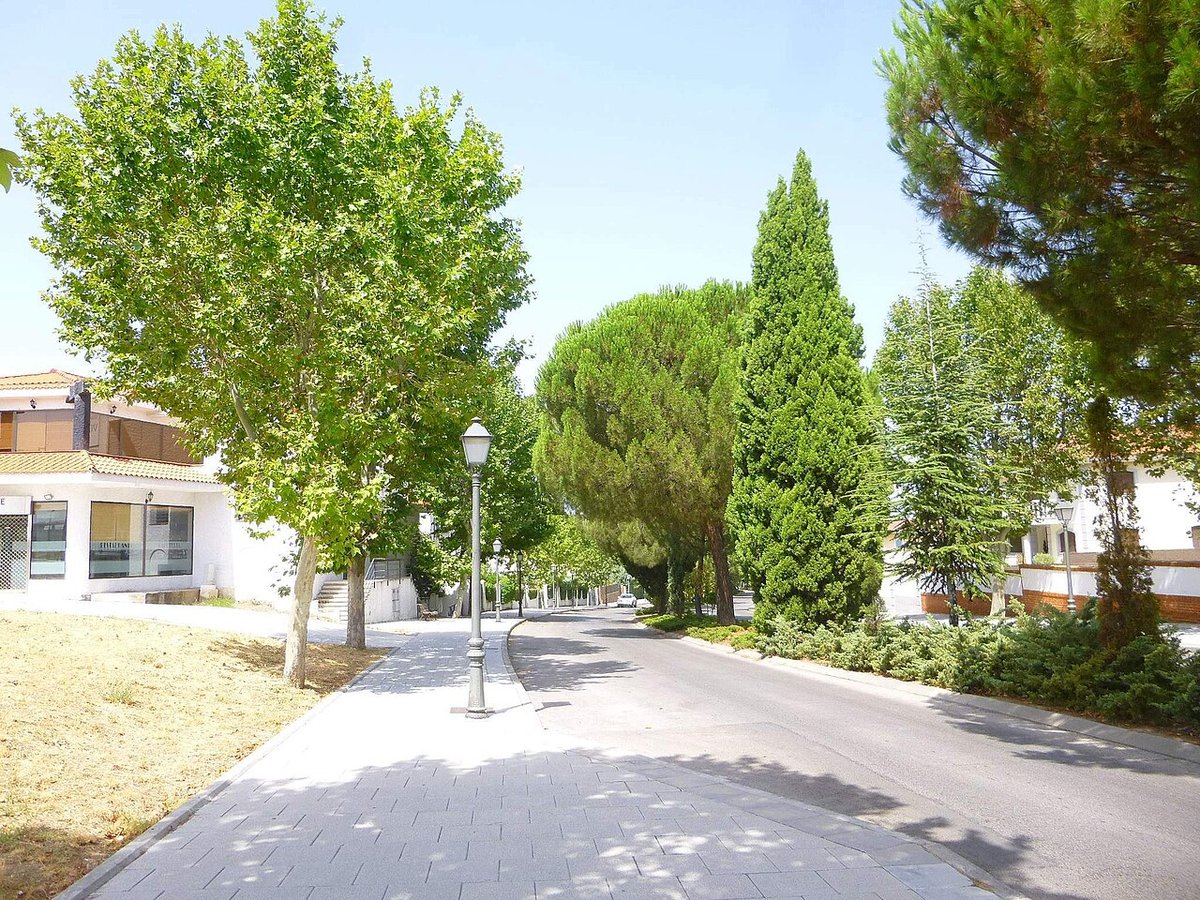
The centre is small. You can see most of it from one end of the main street. But walking here has its own pace. You don't march from point A to point B. You amble. You stop because a stone archway looks older than it should, or because there's a smell of woodsmoke from a chimney.
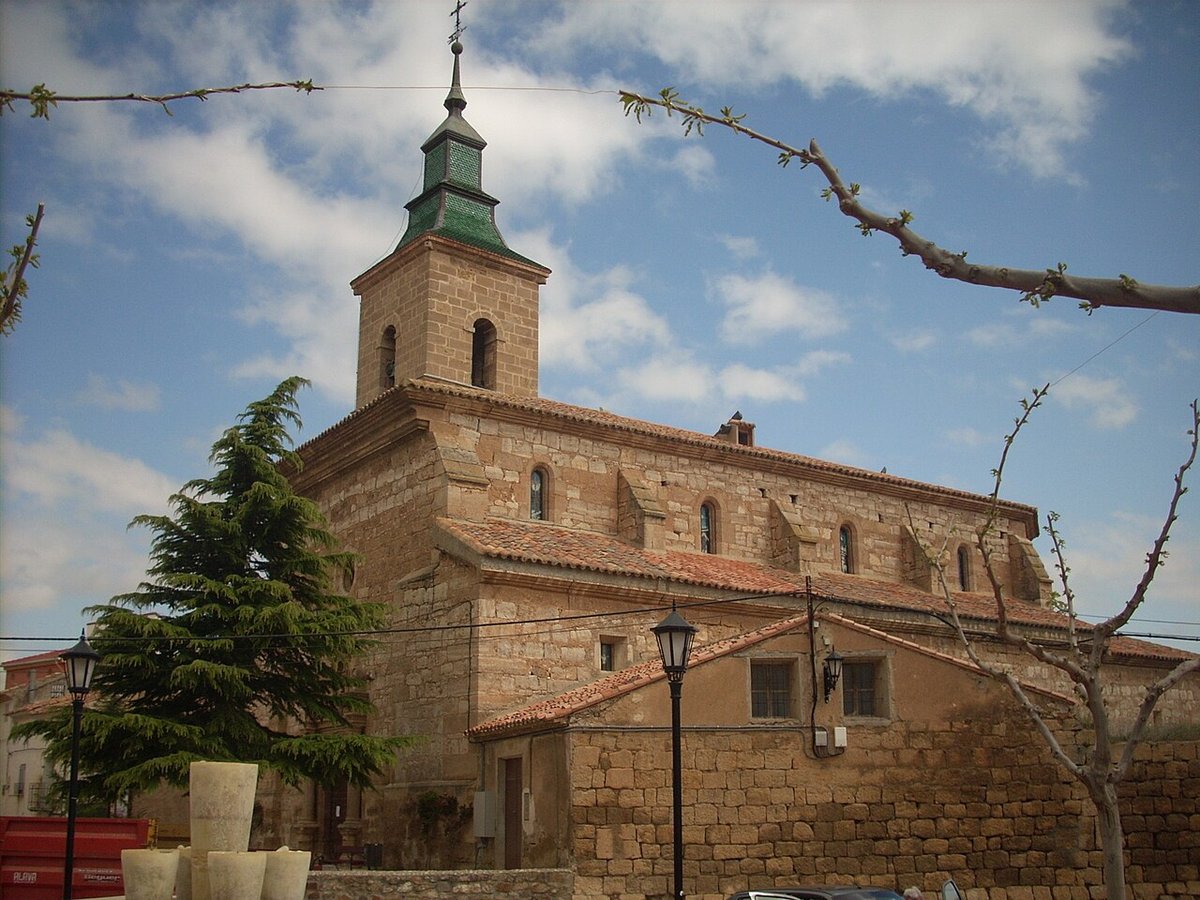
The church of San Pedro sits in the middle like an old anchor. It’s not fancy. It’s the kind of building that’s been useful for centuries, patched up when needed, and that’s why it’s still here. The bell tower is your compass if you ever feel turned around.
Cellars and quiet corners
Look down as you walk. Some of the best parts of Torre los Negros are underground. The bodegas, the old wine cellars, are dug into the earth under the village. You'll spot their small doors or air vents poking out between houses.
They were for storing wine and food, using the cool, constant temperature underground—like walking into a root cellar on a hot day. Most are private, still in use, not museum pieces. It gives you that feeling that daily life here has layers, literally.
The houses tell a similar story. You'll see courtyards inside some properties, spaces now used for tools or a few tomato plants. Nothing is staged for you.
Paths into the fields
If the streets feel quiet, wait until you step out of town. Within minutes, you're on dirt tracks between fields of barley and wheat. The landscape around Torre los Negros isn't dramatic; it's wide and gentle. Low hills roll out like rumpled cloth.
Spring and autumn are when these paths make sense. The light is softer, the colours change on the slopes, and you can walk for an hour without seeing another soul except maybe a farmer on a tractor way off in the distance. Some trails link to other villages nearby—old routes that feel purposeful, not designed for leisure.
Life on local time
Come in August during the fiestas for San Roque and San Antonio if you want to see the place buzz. Families return, tables are set up outside, and there's music in the plaza at night.
The rest of the year moves slower. The food is what you'd expect from a place that lives off the land: hearty migas, stews with beans from local gardens, cured meats from home-raised pigs in winter.
You might see neighbours talking by the eras, those old circular threshing floors that are now just open spaces where people meet. It feels normal, unremarkable even—like catching a snippet of conversation in any small town where everyone knows each other.
So what's here?
Let's be straight: Torre los Negros isn't packed with attractions. It won't fill your Instagram feed with wow moments. What it does have is texture. It's for when you want to turn off your phone and just walk without a plan. To see how houses are built into a hill. To smell damp earth from a cellar vent. To hear nothing but wind over dry grass. You come for an hour and might stay for three. Then you get back in your car and drive on, and it feels less like you visited somewhere and more like somewhere quietly visited you