Full Article
about Torrijo del Campo
Hide article Read full article
Arriving Without Much of a Plan
Some places you reach because they happen to be on your way. Others because you take the wrong turning and decide to stretch your legs. Tourism in Torrijo del Campo often begins like that, without much planning.
The first impression is straightforward: this is the Jiloca in its pure form. Quiet streets, practical houses, and a rhythm that has little to do with city life. Daily routines revolve around the land, the seasons, and the weather.
It is not somewhere that tries to impress at first glance. Instead, it settles into its own pace, and that is what shapes the experience.
Where It Is and What Kind of Place It Is
Torrijo del Campo sits in the Jiloca comarca, in the province of Teruel, about fifty kilometres from the provincial capital. The village has around five hundred residents and stands at more than 900 metres above sea level, something you notice especially at night, even in summer.
The surrounding landscape plays a strong role in how the place feels. There are cereal fields, almond trees, and large plots of land that shift in colour as the year moves on. Winter brings a harsher tone. Spring softens the valley, with green tones that last as long as the rains do.
Farming here is not decorative. It is ongoing, practical work that continues to define the area.
A Short Walk Through the Village
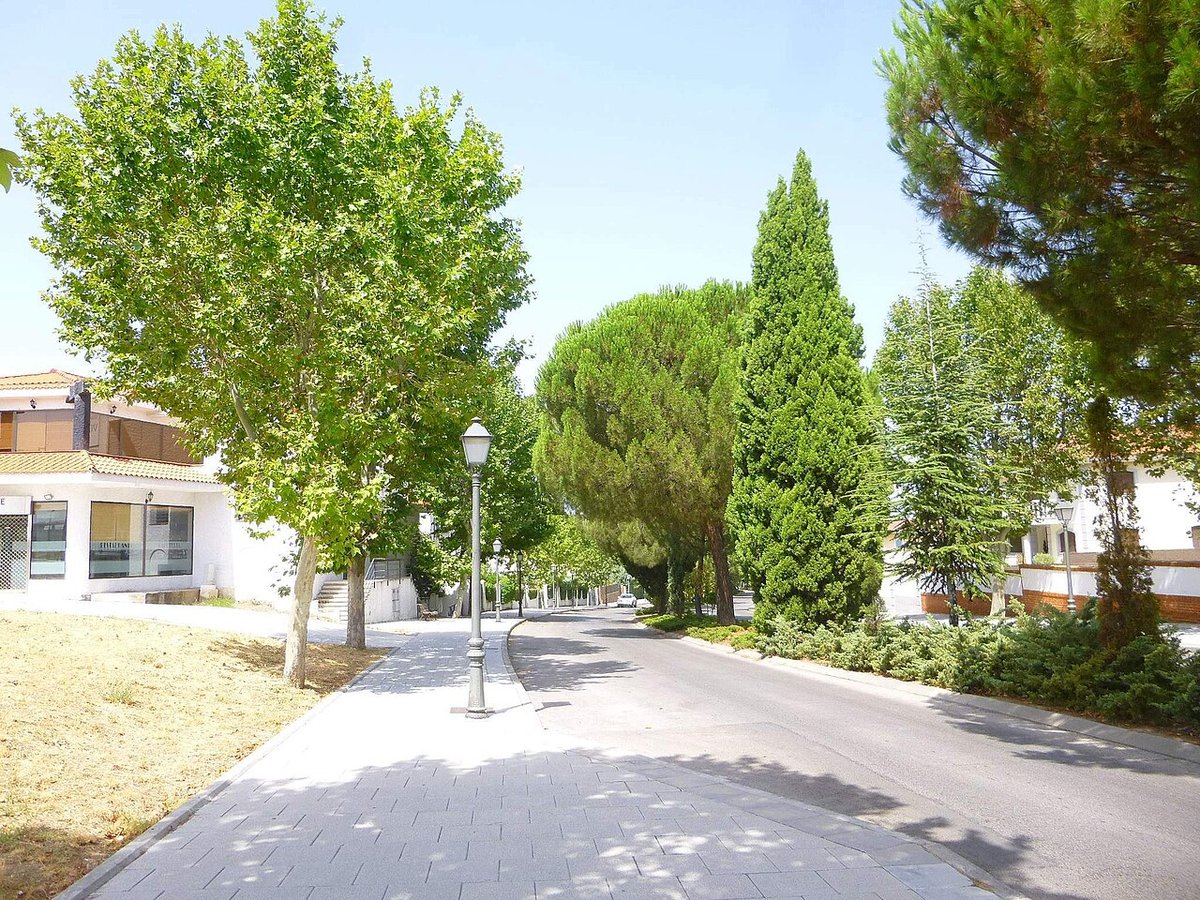
You do not need long to get a sense of Torrijo del Campo. Half an hour is enough to understand how the village is laid out.
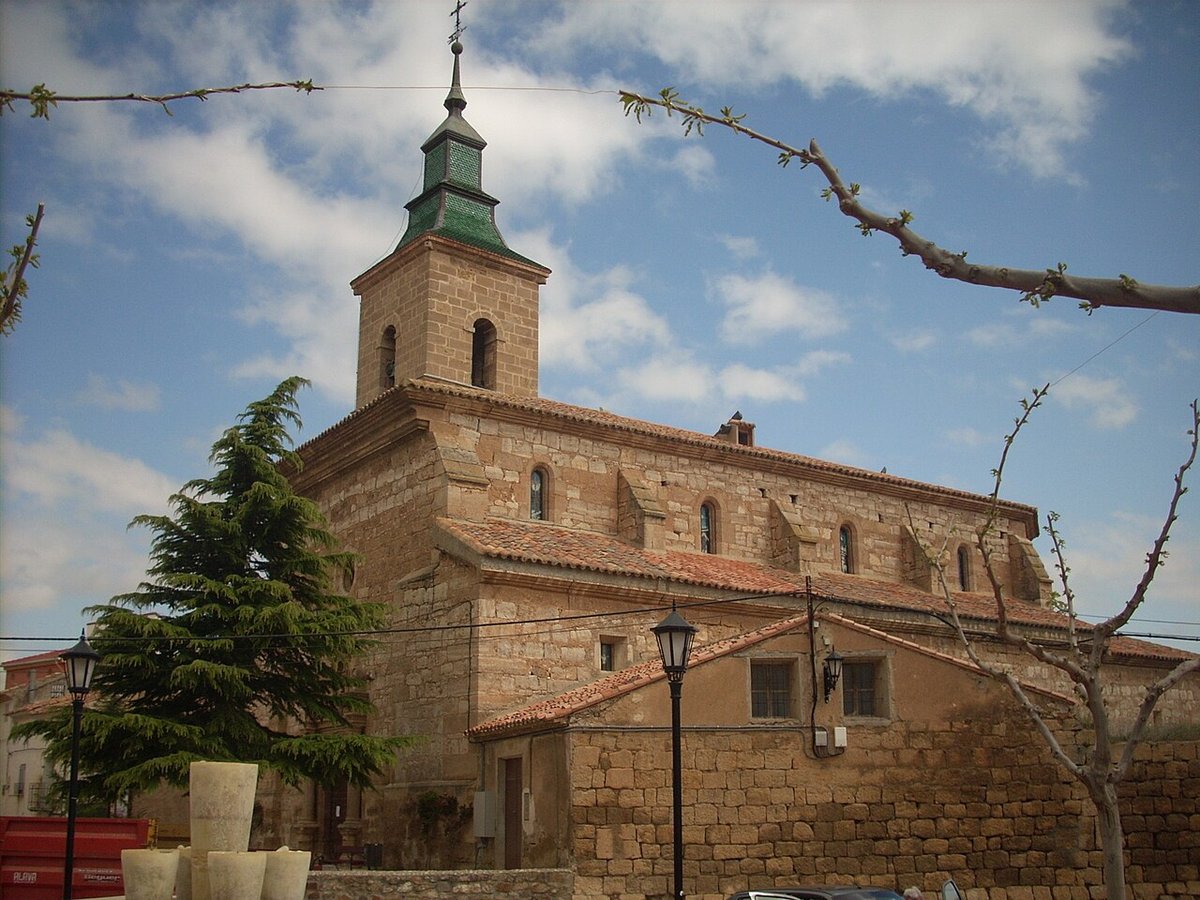
The houses combine stonework, brick, and whitewashed façades. Many still have large wooden gates, the kind that once allowed carts or machinery to pass through. Traditional Aragonese chimneys appear on some rooftops, a reminder of how cold winters can be in this part of Spain.
Some streets end abruptly in courtyards, animal pens, or stone walls. This is not a place designed for navigating with a map. It works better as a slow wander, noticing small details along the way: a simple balcony, an old door, the sound of someone speaking from a window.
There is no sense of hurry. The layout encourages you to move without a fixed route, letting the village reveal itself in fragments.
The Jiloca Valley Beyond the Streets
Step just outside the built-up area and gain a little height, and the Jiloca Valley opens out in front of you without much embellishment.
This is not a dramatic or mountainous landscape. It is made up of wide fields, straight tracks, and patches of holm oak or low scrub scattered here and there. On clear days, other villages in the area come into view, such as Villahermosa del Campo or Bello, separated by long stretches of cultivated land.
At first, the scenery may seem simple. Spend more time looking, and the logic of the place becomes clearer. The spacing of fields, the positioning of paths, and the way settlements sit within the land all begin to make sense.
It is a landscape that rewards patience rather than quick impressions.
Walking Along Working Paths
There are no marked hiking routes here, and no interpretive panels every few metres. The paths leading out of the village are the same ones used by farmers.
Many follow gentle ridges or run alongside cereal fields. Some cross small ravines that only carry water when there has been significant rain. The terrain is open and easy to walk.
Walking here feels less like following a defined trail and more like taking an extended stroll through working countryside. That is part of its character. There is no need to rush or to reach a particular viewpoint.
The experience comes from moving through the same spaces that shape daily life in the area.
Festivities and Village Life
When the summer festivals arrive, the atmosphere shifts noticeably. The population grows, and the village fills with activity. Religious events, music, and gatherings organised by residents take over the streets.
The procession usually passes through the main roads while people gather around the square or in the peñas, local social groups that play a central role during festivities. Many who live elsewhere return at this time, reconnecting with the village.
During Semana Santa, or Holy Week, the tone changes. The processions are quieter, and the entire place seems to slow down. The contrast between these two moments says a lot about the rhythm of life here.
When to Visit
Spring and autumn are generally the most comfortable times to come. The valley changes colour frequently, and temperatures are more moderate.
Summer can be hot during the day, although nights cool down considerably due to the altitude. In winter, the cold is very noticeable, which is typical for this part of Teruel.
Torrijo del Campo is not a destination built around ticking off sights. It is the kind of place where you begin to understand how a region works: small villages, farmland stretching out around them, and a way of life that follows its own rhythm, largely separate from the noise beyond it.