Full Article
about Ansó
Hide article Read full article
The road in, and what awaits
Getting to Ansó takes a bit of patience. It sits about 40 km from Jaca, reached via the A-176 and then the HU-203. This is mountain driving: constant bends, and on some days slow-moving traffic thanks to cyclists, livestock or locals heading down the valley at their own pace. Parking inside the old centre is limited, so most visitors leave the car in designated areas at the entrance and continue on foot.
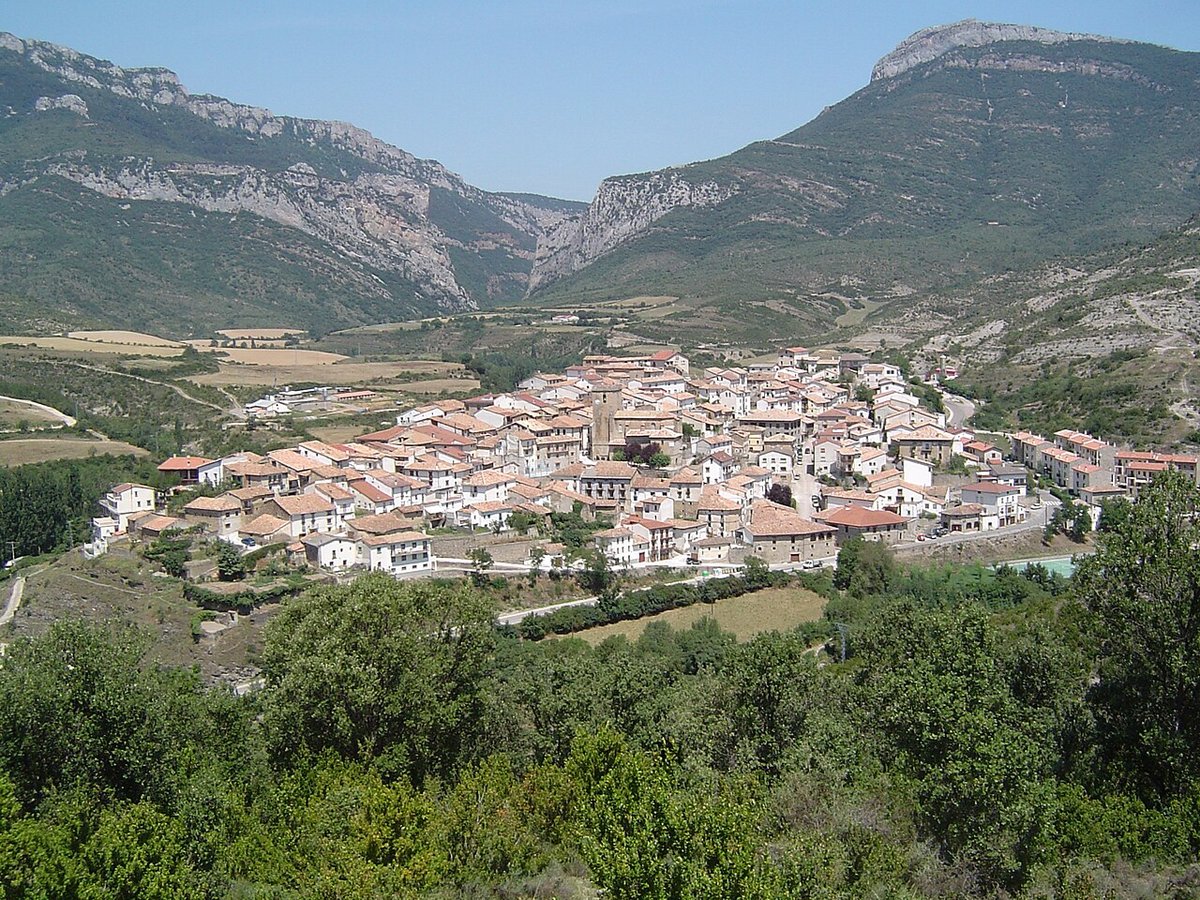
Ansó stands at 860 metres above sea level in the Jacetania region and has around 400 inhabitants. Tourism plays a role, but it is not the whole story. Livestock farming and mountain-based work are still part of daily life. In winter, snow settles on higher ground and the valley becomes notably quiet.
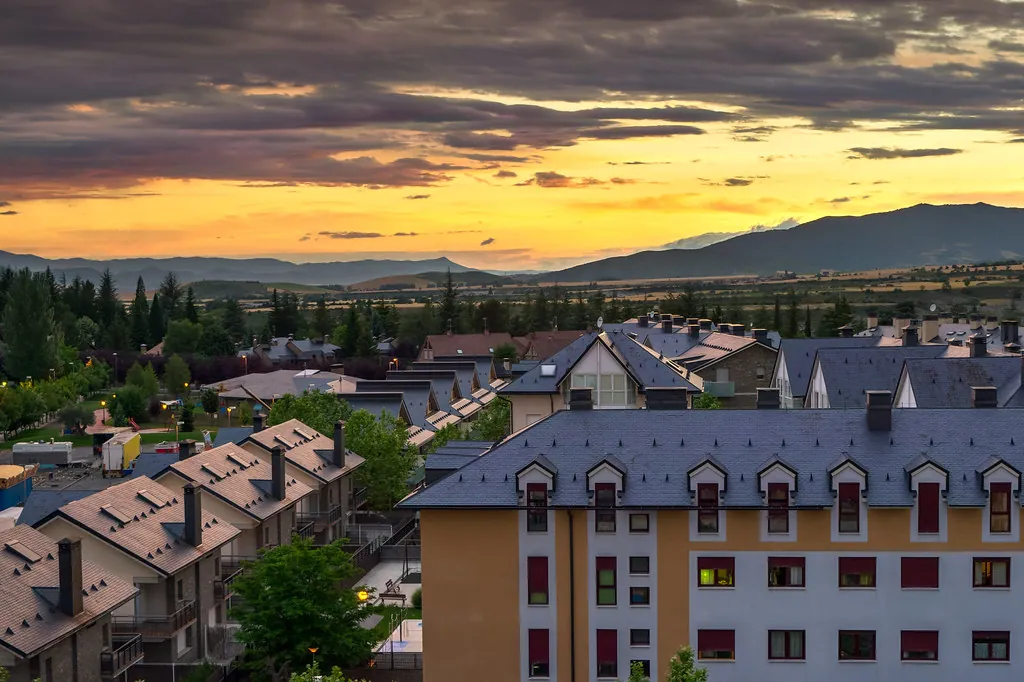
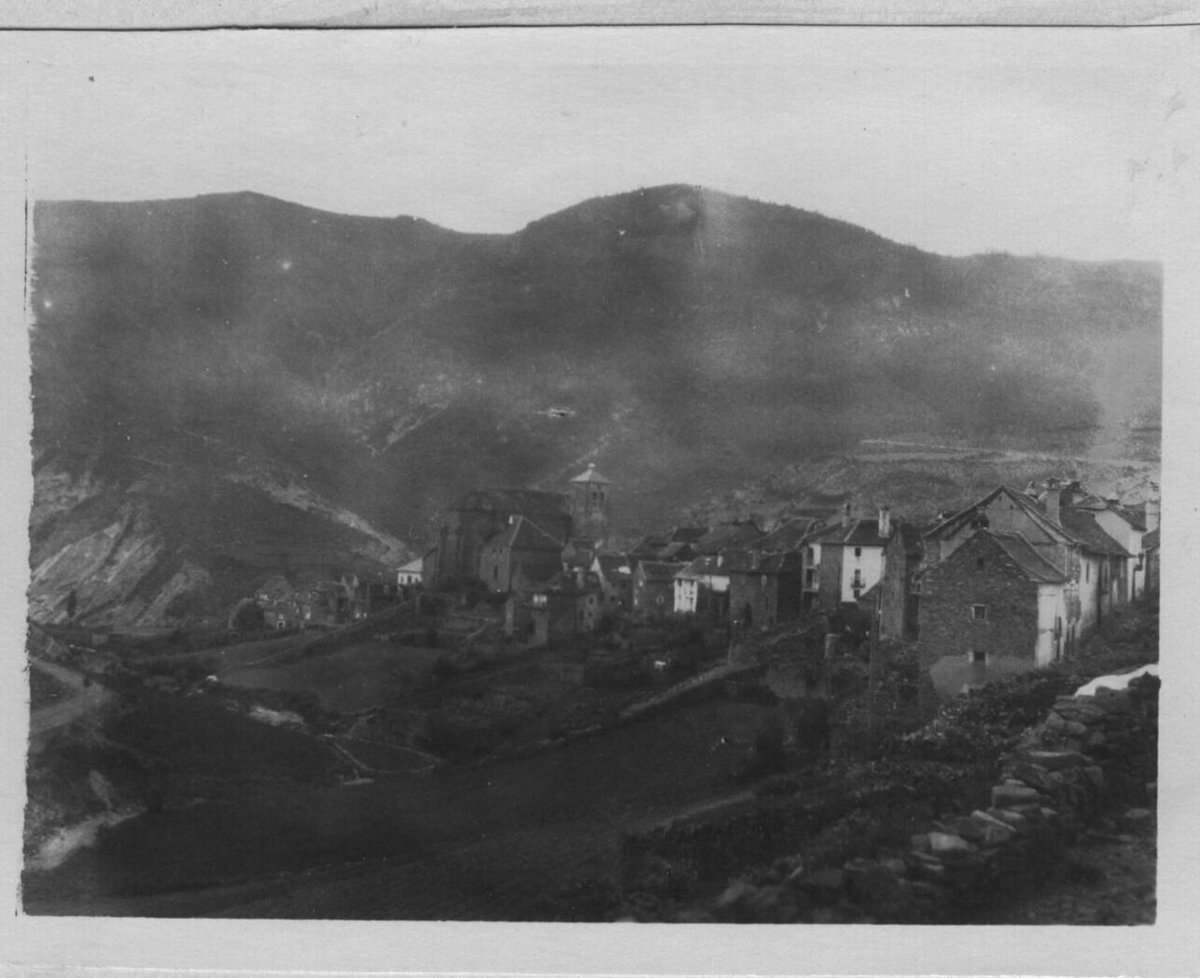
The village centre keeps a compact Pyrenean style. Stone houses, sloping roofs and narrow streets define the layout. This is not a staged setting. Many of these buildings are lived in throughout the year. Arcades line parts of the streets, offering shelter when rain arrives or cold air moves through the valley.
Walking through history
Ansó is officially listed as a historic ensemble, and it does not take long on the main street to see why. Tall houses rise closely together, with wooden balconies and continuous arcades along certain stretches.
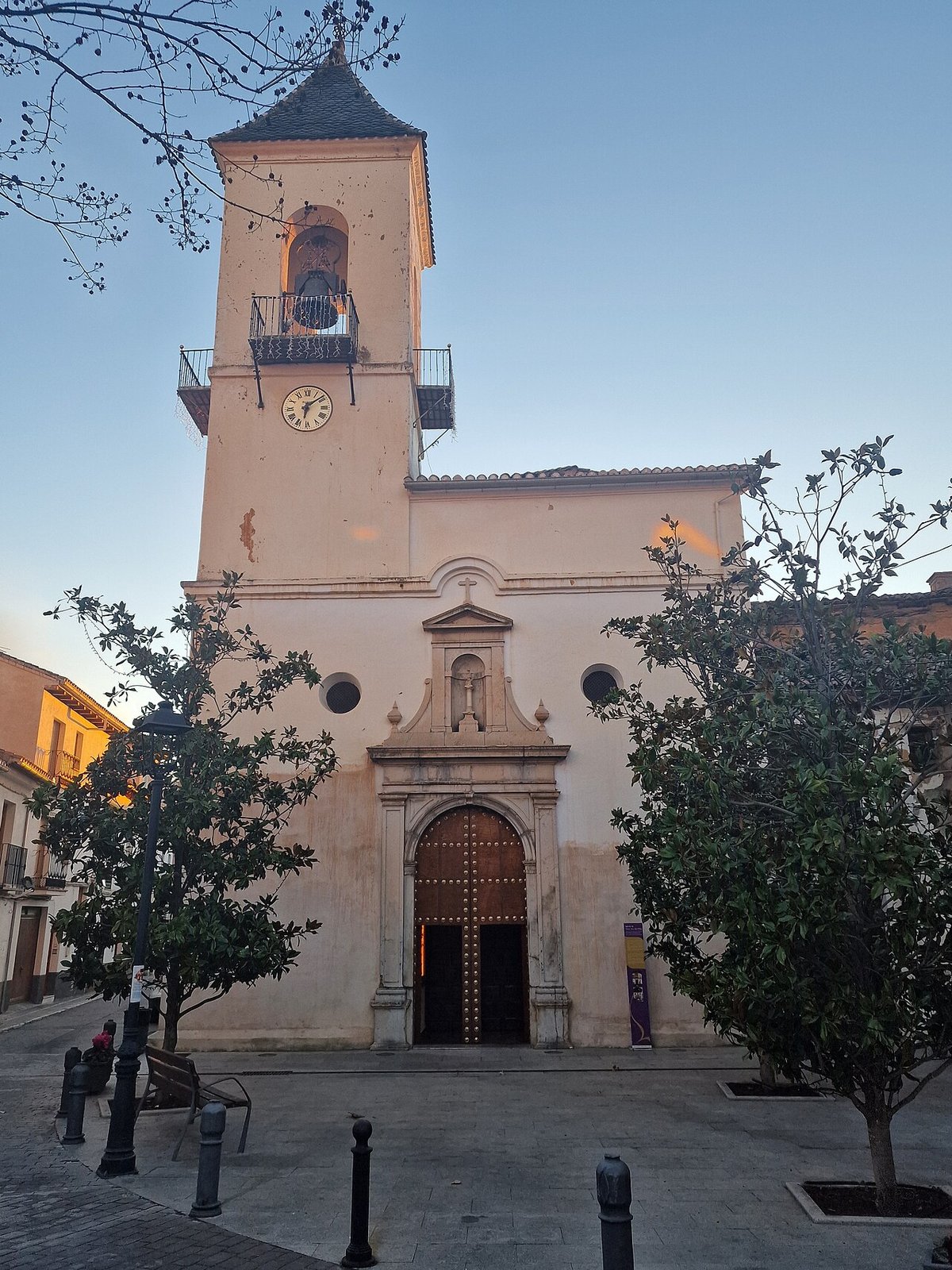
At the centre stands the church of San Pedro. Built in the late Gothic style, its tower is visible from almost anywhere in the village. Inside, there is a 16th-century altarpiece along with several modest religious carvings typical of rural sacred art in this part of the Pyrenees.
Near the church, a small ethnological museum is set within a traditional house. It offers a look at how people here lived not so long ago, with displays of farming tools, elements of pastoral life and traditional clothing.
At the entrance to the village, a bridge crosses the River Veral. It is not large or especially ornate, but it gives a clear view of the village as you arrive on foot.
Street signs in some parts of Ansó are written in ansotano, the local dialect. Older residents still use it in everyday conversation, a detail that hints at the continuity of local culture.
Paths into the valleys
Ansó serves as one of the gateways to the Parque Natural de los Valles Occidentales, a protected area of wide valleys, forest tracks and mountain paths. From here, the landscape quickly opens out.
One of the best-known routes in the area leads towards the ibón de Estanés, a glacial lake near the French border. It is a long walk, beginning through woodland and ending at the lake. The usual access point is from elsewhere in the valley, though Ansó is closely linked to the route.
Shorter options are easy to find nearby. Paths wind through the valley, passing scattered bordas, which are traditional rural buildings, old livestock routes and meadows that are still actively used for grazing.
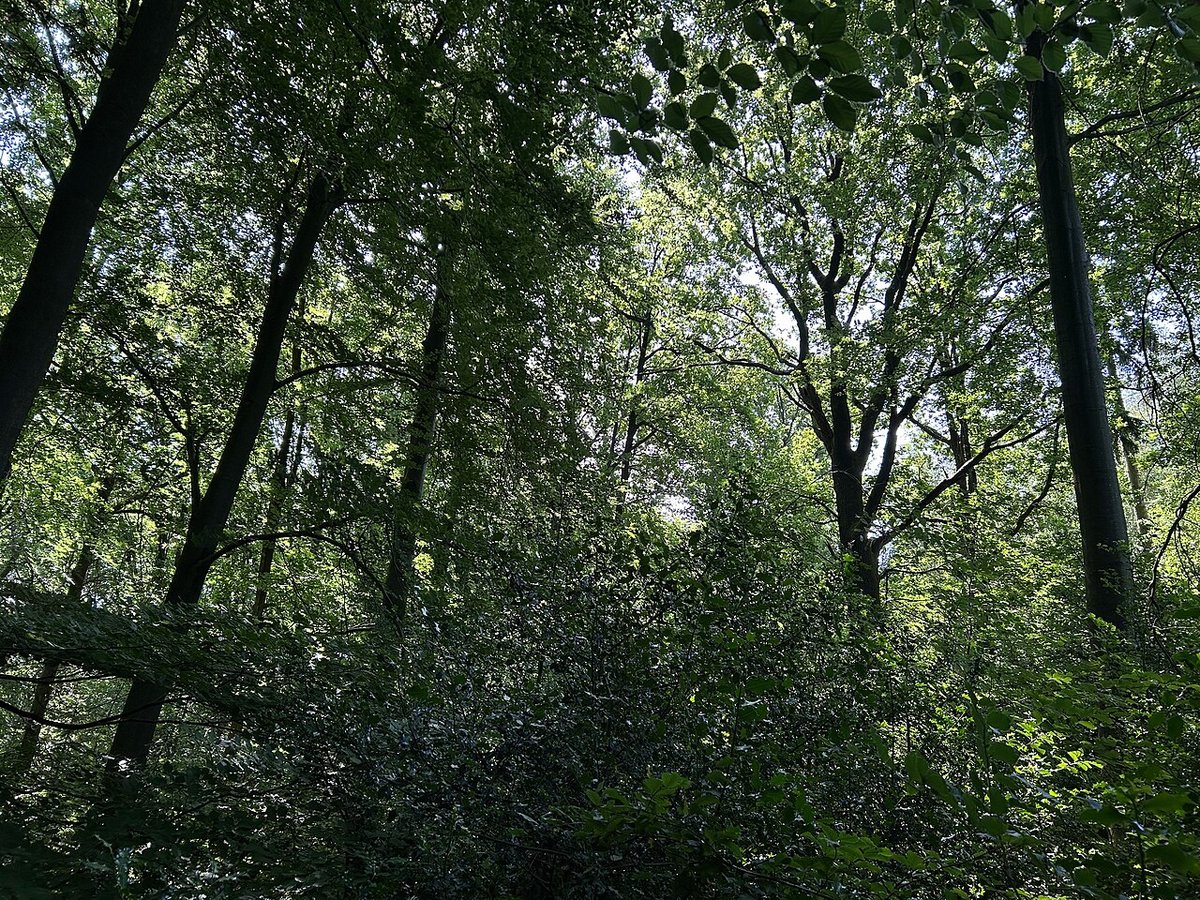
Autumn changes the feel of the valley. Beech trees turn yellow, the meadows stay damp and there are fewer people walking the trails.
Eating in Ansó
Food here follows a mountain logic. It is straightforward and built around what lasts through long winters.
Lamb and locally raised beef are common, along with cured meats and migas, a traditional dish made from fried breadcrumbs. Cheeses made from sheep or goat’s milk are produced in the area. These are simple products, rooted in local conditions rather than elaborate preparation.
In season, mushrooms appear in many dishes. Honey from the surrounding area is also widely used, often in homemade desserts.
Traditions that remain part of daily life
The main annual celebration centres on San Pedro at the end of June. It is a village festival with processions, music and residents dressed in the traditional ansotano costume.
This same costume has its own dedicated day in summer, when many families bring it out again. It is one of the few occasions when it can be seen widely across the village.
For the rest of the year, celebrations are more restrained. Semana Santa, or Holy Week, is observed in a fairly sober way. Some livestock fairs and gatherings linked to pastoral life still take place, though not always every year.
A place to take slowly
The historic centre can be explored at an easy pace in about an hour. That is enough time to walk the main street, look up at the balconies and pass beneath the arcades.
In summer, arriving early makes things simpler. By mid-morning more cars begin to arrive and parking becomes harder to find. In winter, checking the weather before heading into the valley roads is sensible.
A simple approach works best here. Walk along the main street without rushing, cross the bridge and look down at the River Veral. From there, it is easy to decide whether to stay and explore the valley on foot or continue on to other nearby villages. There is not a long list of attractions, but what is here has been carefully kept.