Full Article
about Artieda
Hide article Read full article
Reaching Artieda
Artieda sits beside the Yesa reservoir, in the comarca of La Jacetania in northern Aragón. From Zaragoza, the drive along the A‑23 takes just under an hour and a half. The final stretch leaves the main road for a secondary route with bends, which slows things down a little.
You can drive into the village itself and park near the first houses. There is usually space, though some summer weekends can be busier.
It is worth bringing water and something to eat. Services are not consistently open throughout the year, and this is a very small place. For a short visit, it is best not to rely on finding anything open when you arrive.
A Compact Hilltop Settlement
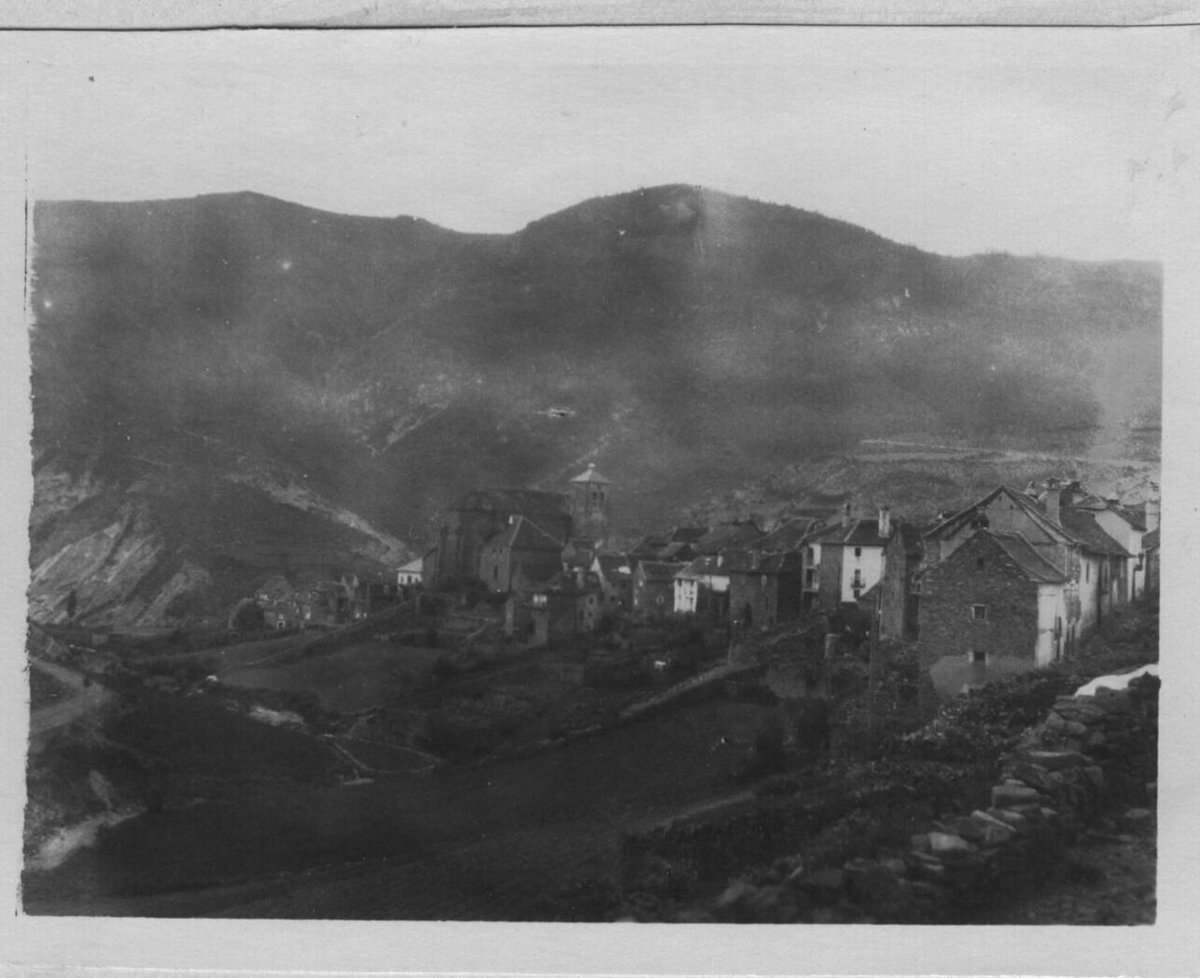
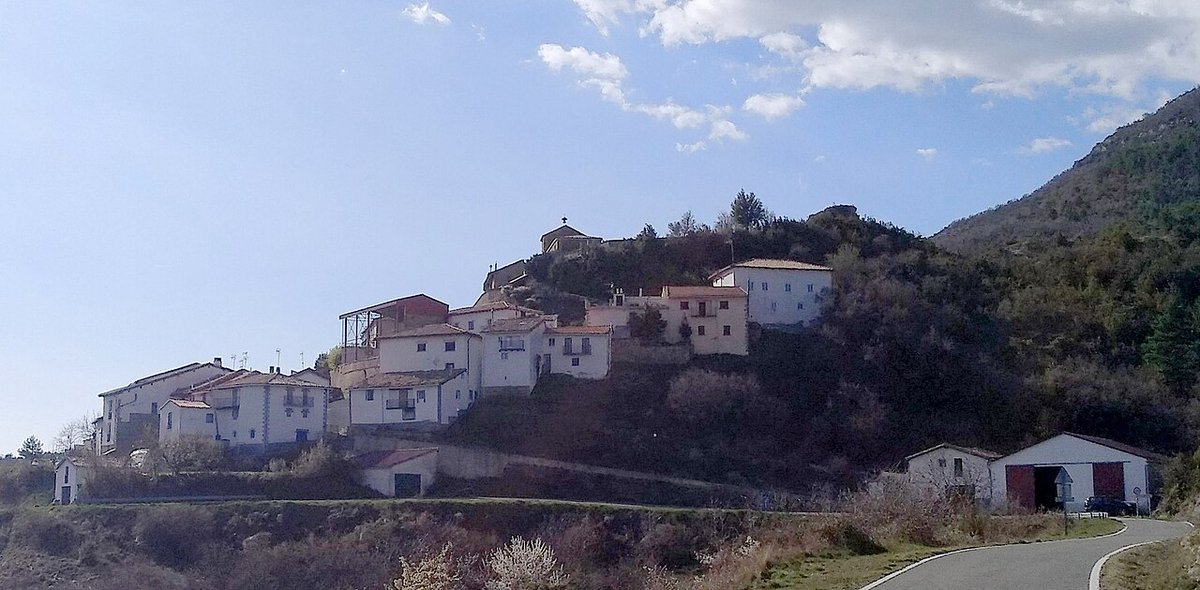
Artieda is home to around ninety registered residents and is arranged as a compact cluster of houses on a small hill. It does not take long to walk from one end to the other. The streets are narrow, with some slope, and lined with well‑kept stone buildings.
At the very top are the remains of a castle. Today, little survives beyond low walls and the base outlines of what was once a fortification. The main reason to come up here is the view. From this point, the Yesa reservoir stretches out below, along with the surrounding plain.
Across the village, there are many details of traditional architecture. You will notice worked stone doorways, occasional coats of arms set into façades, and thick masonry walls. There are no grand buildings or large squares. The overall feel is domestic, shaped by everyday life and agricultural work rather than formal design.
Key Sights in the Village
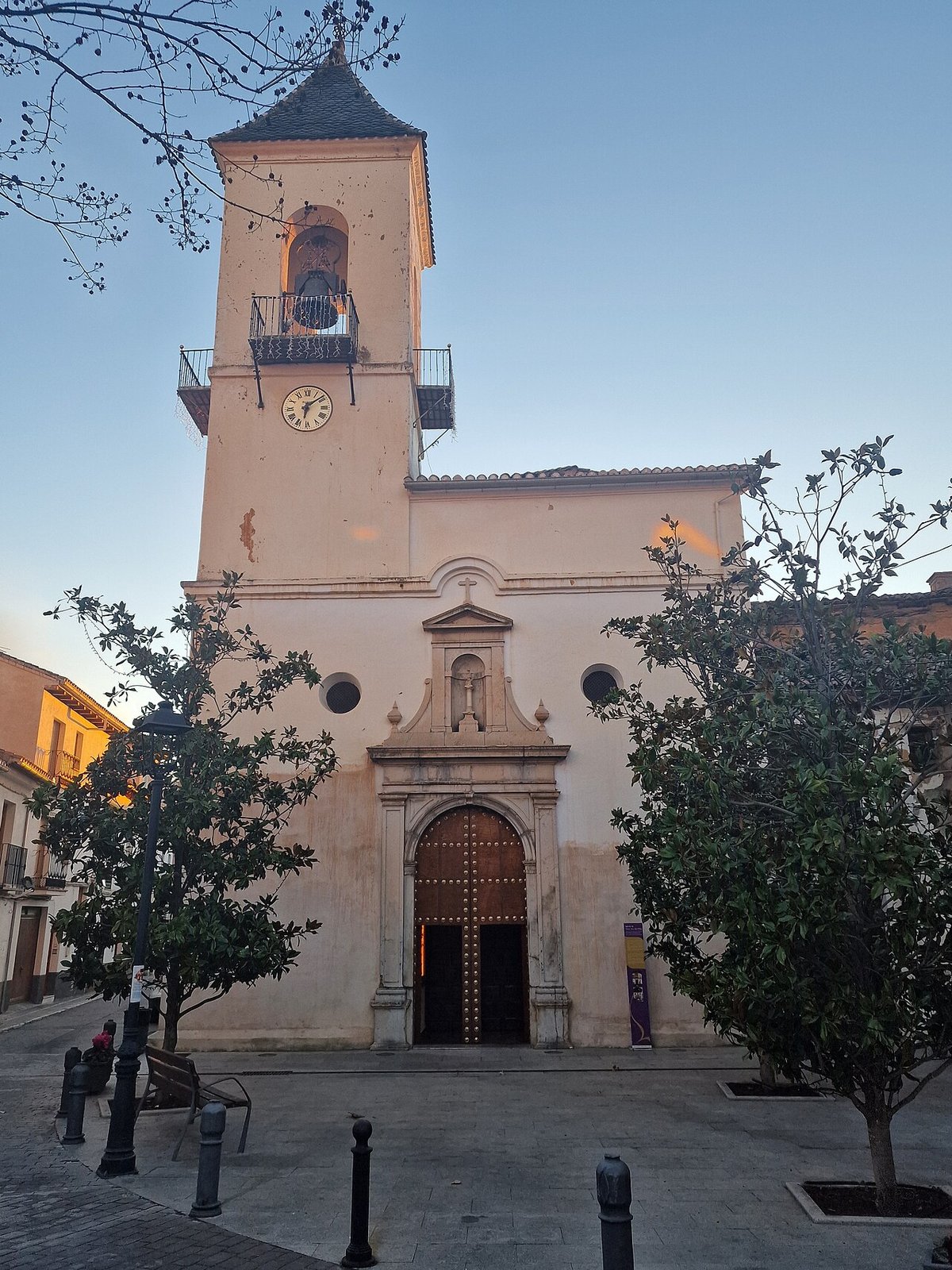
The church of San Martín is the most visible building in Artieda. Its bell tower rises above the rooftops, making it easy to spot from different points in the village. The structure is often linked to late Romanesque architecture, although it has undergone changes over time. The interior is not always open to visitors.
Some houses in the old quarter retain carved entrances and heraldic shields. These details suggest families of some local importance, particularly during the 16th and 17th centuries. They are not arranged as a single monumental ensemble, but as you walk through the streets, these elements appear here and there.
Continuing uphill leads to the remains of the medieval castle. There is not much left standing, yet the location explains the village’s position. From here, there is clear visual control over the valley and the natural route that leads towards Navarra.
Walking the Surroundings
The landscape around Artieda is a mix of cultivated fields, holm oaks and low scrubland. Several old paths begin here, once used to connect nearby villages before modern roads changed how people moved through the area.
Some of these routes link up with tracks that run along the edge of the Yesa reservoir or head towards neighbouring settlements. Signage is not always abundant, so it helps to bring a map or have a route saved on a mobile device.
For those interested in vernacular architecture, even a short walk within the village offers small details worth noticing. There are carved lintels, traditional chimneys and stone walls left unrendered. Nothing is especially grand, but it feels consistent with the way the place has been built and used over time.
Local Life and Festivities
The feast of San Martín is usually celebrated in November. It is a modest event held within the village, with simple activities that are mainly intended for residents rather than visitors.
In August, the atmosphere shifts slightly. Many people who have ties to Artieda return during this period, and occasional events are organised. These can include gatherings, music or communal meals. For a few days, the village has more movement than at other times of the year.
Before You Go
Artieda can be seen in a short amount of time. A relaxed walk through the streets, a climb up to the castle remains, and a look out over the reservoir is enough to get a sense of the place.
In summer, it is better to arrive early in the morning or later in the afternoon. The sun is strong on the hillside, and there is very little shade in the upper part of the village. Bringing water is essential, as basic supplies are not always available on site.