Full Article
about Bailo
Hide article Read full article
A Small Village, Easy to Read
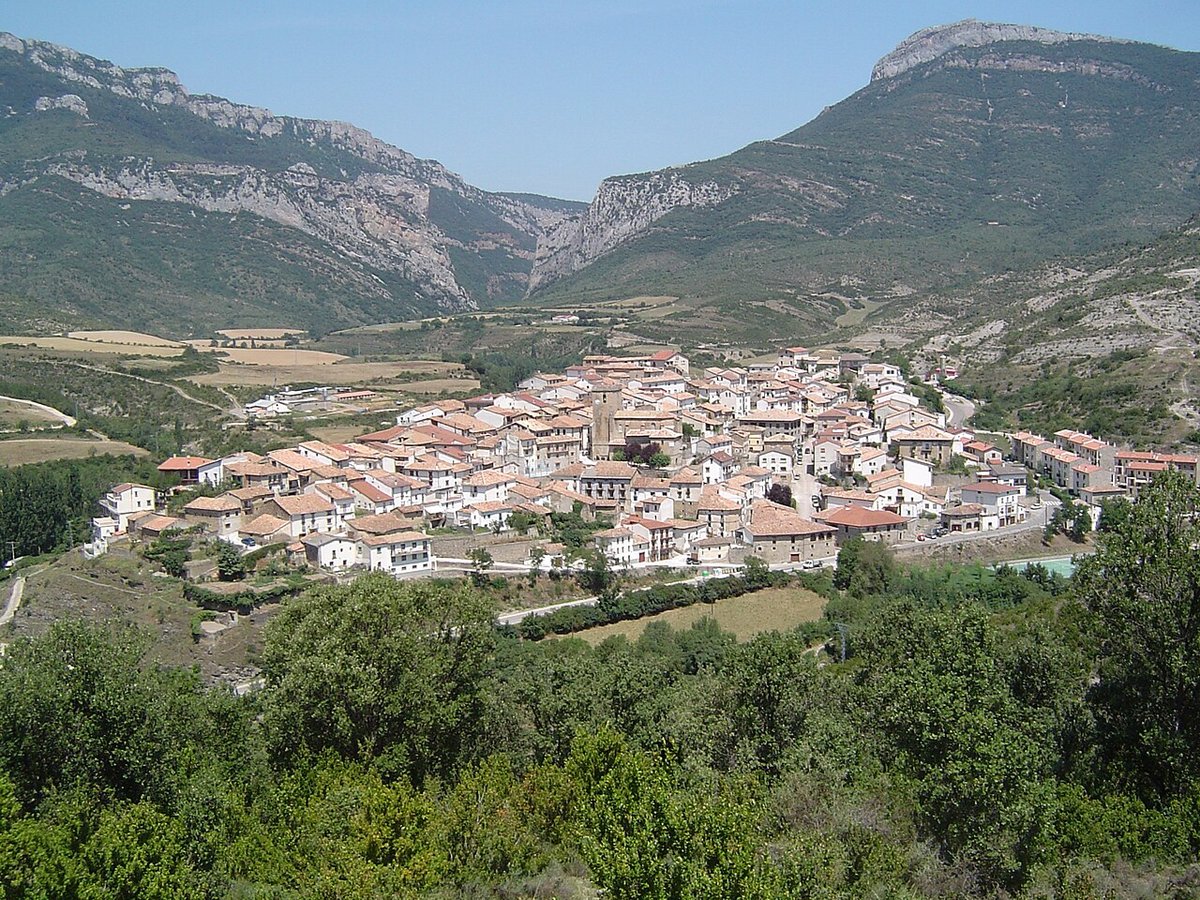
Bailo is small and quick to get around. If arriving by car, the usual approach is to leave it on the main street near the church. Streets in the centre are narrow, and cars are sometimes awkwardly parked. Larger vehicles are better left at the edge rather than driven too far in. Early in the day, parking is straightforward. By mid-morning, it becomes more difficult.
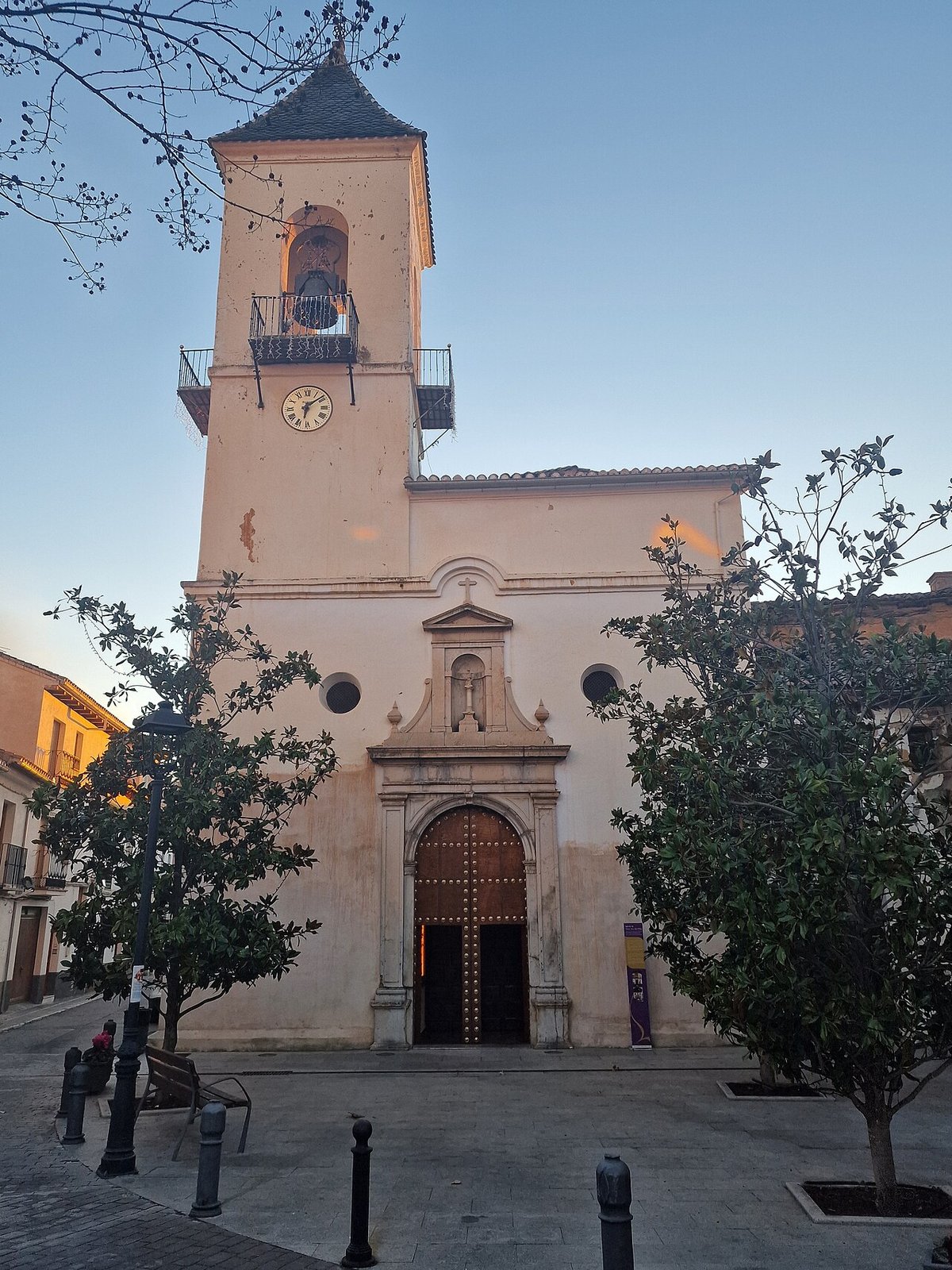
The whole village can be walked in fifteen to twenty minutes. The main reference point is the church of San Miguel Arcángel, set in the square. It combines Romanesque elements with later additions. Its bell tower is simple and visible from the surrounding area, giving a clear sense of where the centre lies.
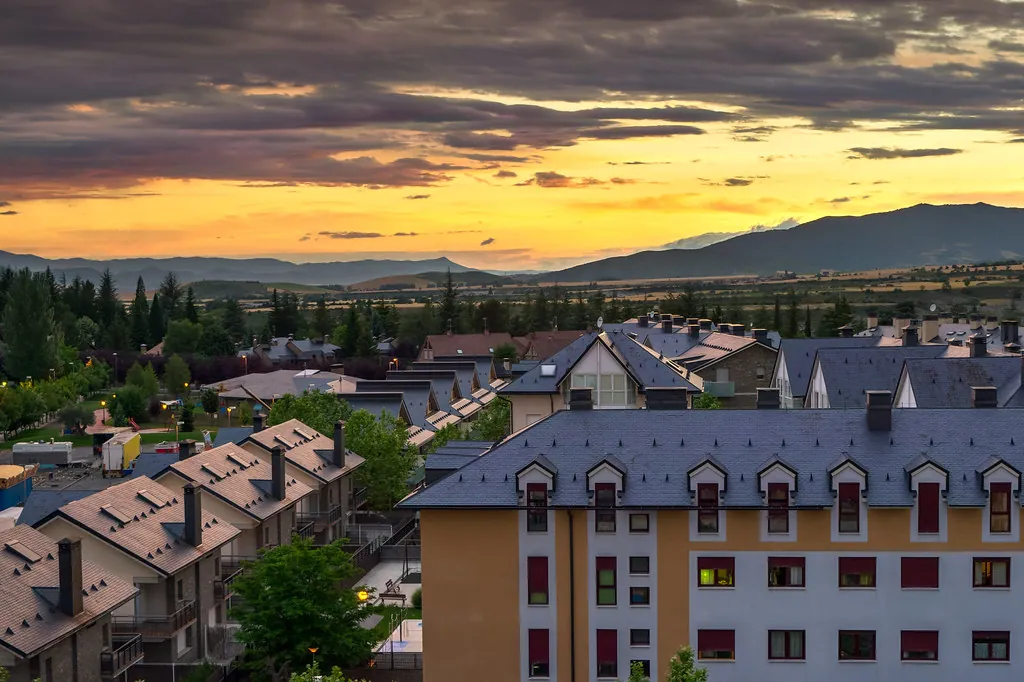
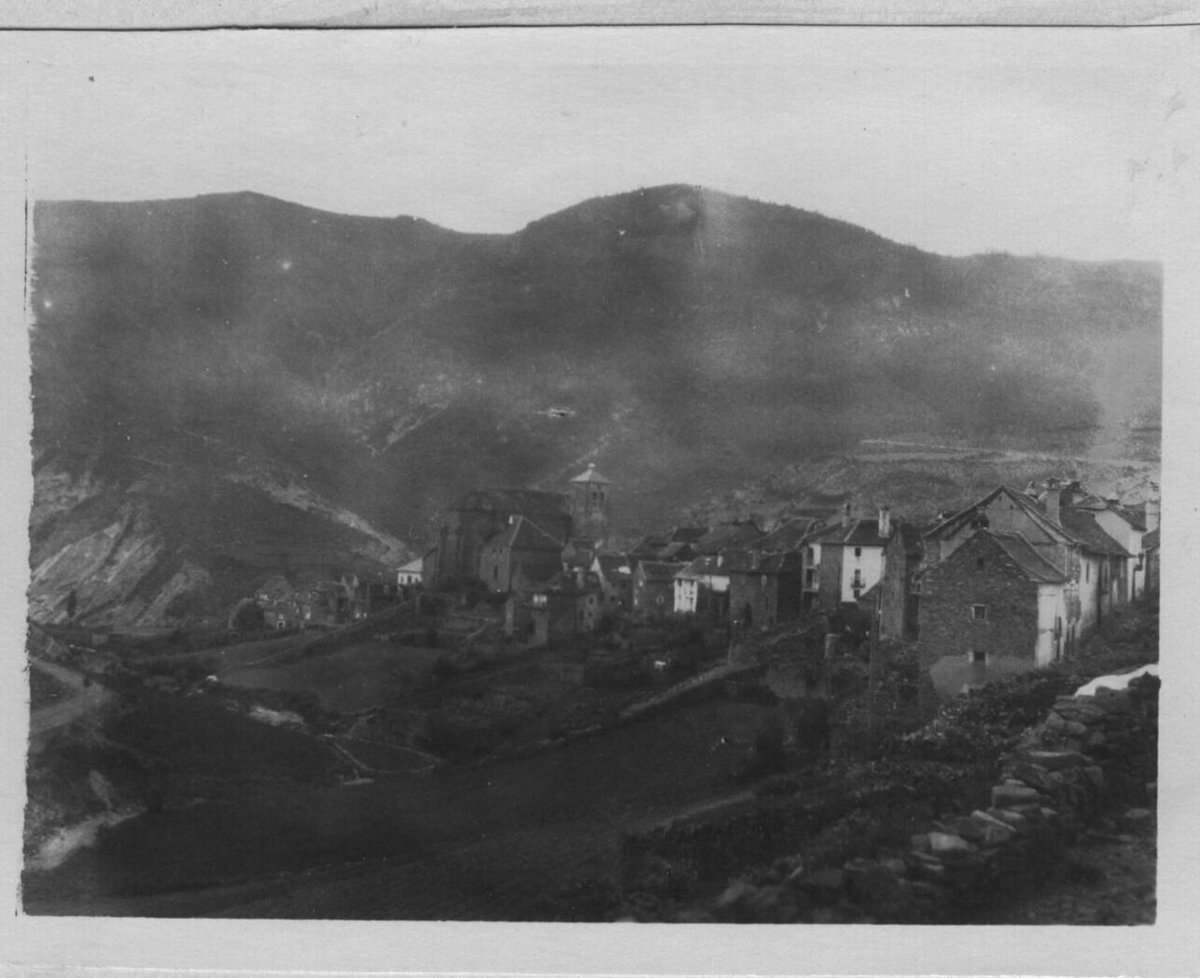
The layout of the village is not confusing. There are only a couple of main streets and little beyond that. Stone houses line them, some with wooden solanas, the open galleries typical on south-facing façades in this part of Spain. On several door lintels, large voussoirs or carved coats of arms can still be seen. Nothing here aims to impress on a grand scale, yet much of it has been preserved in a fairly complete state.
Walking Through the Village
The church is the main feature. Beyond that, the experience is simply a matter of walking through the streets and noticing the older houses.
The square remains quiet, especially during the week. There is little movement, and the atmosphere stays calm. Some doorways retain finely worked stone, offering small details worth a closer look. For anyone interested in rural architecture, there are a handful of elements that stand out if you take the time to notice them.
It is worth setting expectations. There are no major monuments and no large historic quarter to explore. Bailo works better as a short stop than as a full-day destination. It is somewhere to stretch your legs, take in a few details, and move on.
The Landscape Just Beyond
Step outside the village and the landscape opens up almost immediately. Gentle hills, meadows and patches of woodland define the surroundings. Oak and beech appear in several areas. This is typical pre-Pyrenean scenery for this part of La Jacetania: no high peaks nearby, but a wide sense of horizon.
Paths lead out towards bordas and springs. Bordas are traditional rural buildings once used for farming or livestock, and some of these routes are still in use today. Not all of them are signposted, so it is worth getting your bearings before setting out on a longer walk.
In autumn, many local people head into these hills to gather mushrooms. It is a common seasonal activity in the area. Anyone planning to do the same should check the local regulations in place for that year, as rules can vary depending on the municipality or the wider district.
Local Life and Festivities
The main celebrations are the fiestas of San Miguel, usually held towards the end of September. These are very much local in character. There is a mass, a procession, and a noticeable return of residents who come back to the village for those days.
In August, events sometimes appear in the form of open-air dances or communal meals organised by locals or associations. There is no fixed programme that repeats every year, so what takes place can vary.
Winter brings a much quieter atmosphere. There are few people in the streets and the pace slows considerably. Christmas celebrations tend to remain small, centred on gatherings among neighbours rather than large public events.
Getting There and Choosing Your Moment
Bailo sits just off the N‑240 road between Huesca and Jaca. A turn-off from this route leads directly to the village. The drive from Huesca takes a little over an hour, following a mountain road that is generally straightforward.
In winter, ice can form on certain stretches if temperatures drop sharply, so it is sensible to check conditions before setting off.
Spring and autumn are the most comfortable seasons for walking in the surrounding countryside. Summer brings heat at midday, although evenings cool down noticeably.
If you are passing through the area, it makes sense to stop, take a short walk, and continue your journey. Bailo works best in that rhythm: a brief pause, a look around, and then back on the road.