Full Article
about Canfranc
Hide article Read full article
A Station Out of Scale
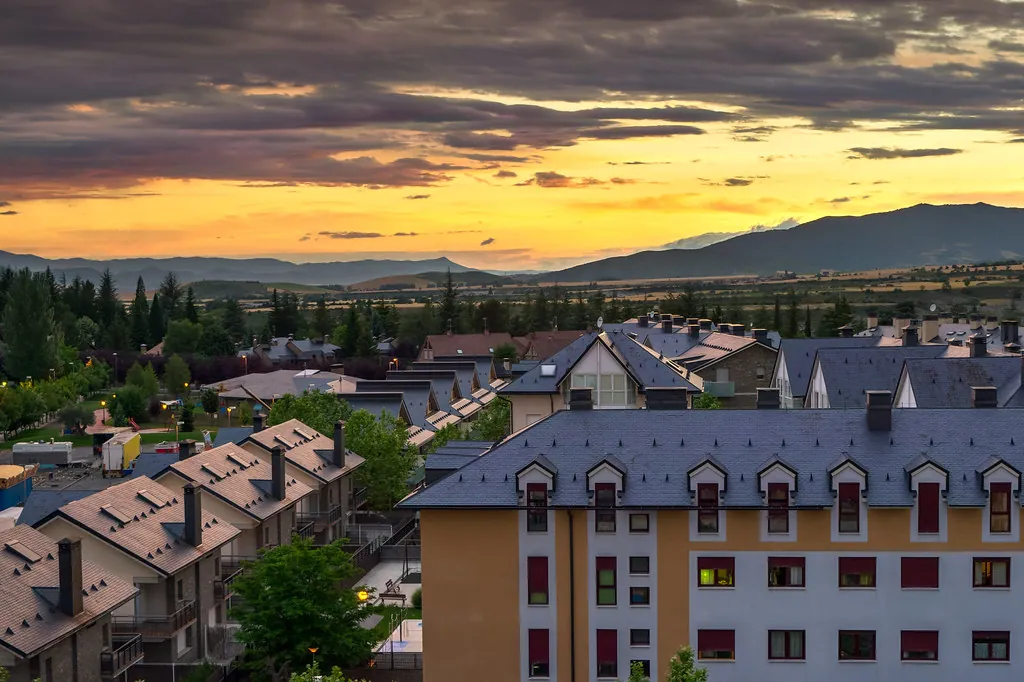
The first light catches the slate roofs first, a long, grey line against the still-dark valley. Then the windows of the Canfranc International Station appear, hundreds of them, reflecting a sky that isn't yet blue. It’s a building made for crowds that never really came, and in the morning quiet, with only the sound of the Aragón River below, its scale feels like a question no one has answered.
The station’s revival is gradual, piecemeal. Parts of it are open, but the access shifts—sometimes guided visits, sometimes not. It’s the kind of place where you check the day before you go. Inside, the light is clean and hard, falling across pale floors from windows too high to see out of. Even with people in it, the space holds onto its old railway acoustics: a cough echoes, footsteps carry further than they should.
The Older Village, Built from the Valley
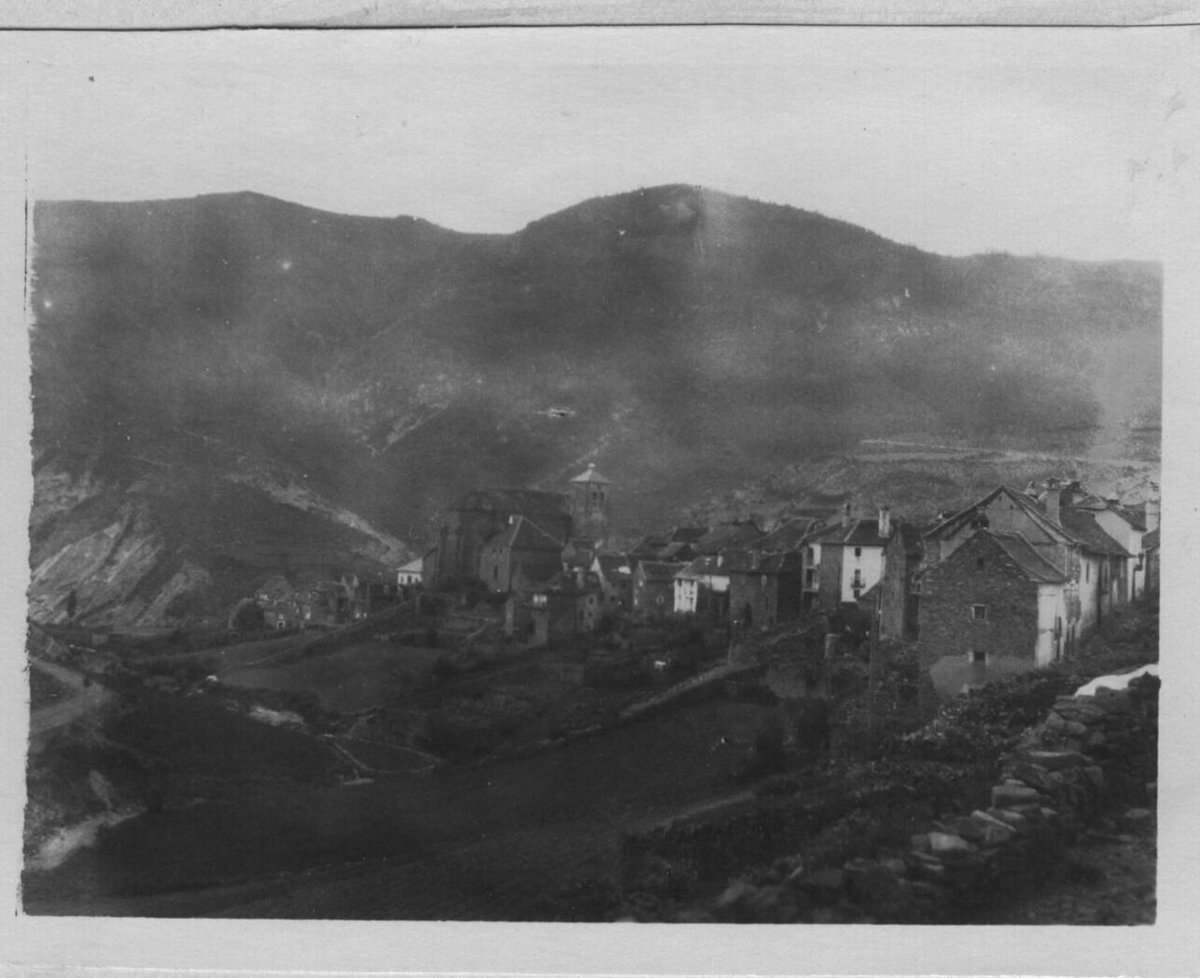
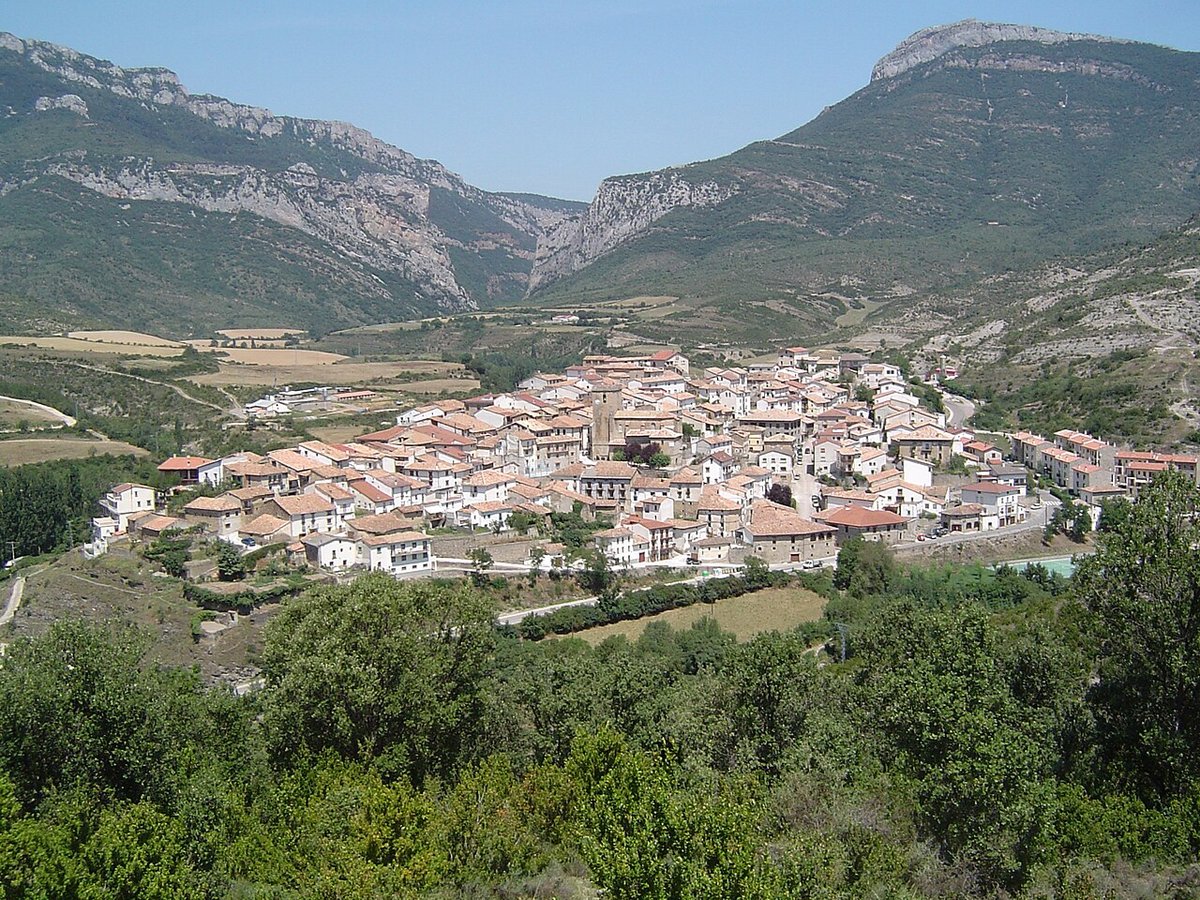
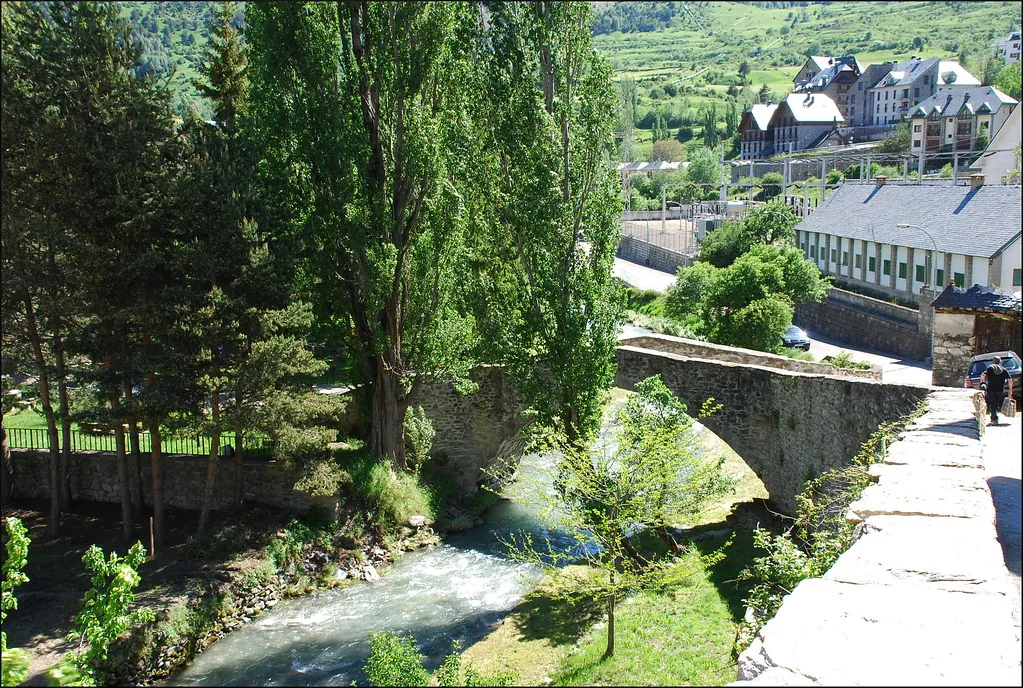
A few kilometres down the road, Canfranc Pueblo hunkers closer to the water. This is the older settlement. The houses are made from the same dark stone that lines the riverbank, with wooden balconies that in summer hold pots of red geraniums, a shock of colour against the grey.
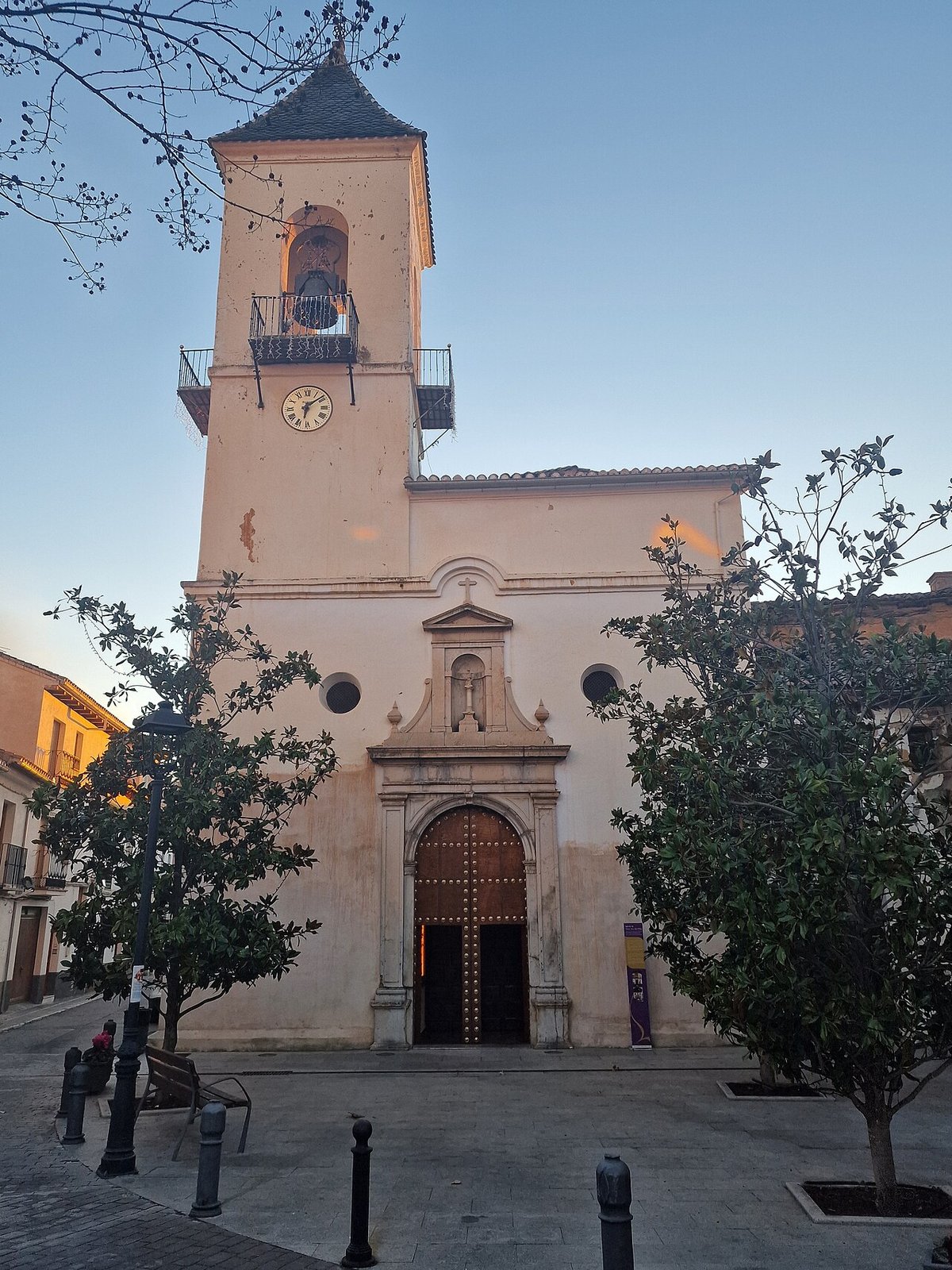
The church of the Asunción is here, solid and unadorned. A short walk from its door brings you to the medieval bridge. The water underneath is fast and loud, a constant white noise that in spring, with the thaw, becomes a roar you hear from your bed if the window is open.
From the bridge, a stony path climbs towards the Coll de Ladrones fort. The walk isn’t long, but it’s steep and the gravel slips underfoot. Go slowly. The reward is a view that finally makes sense of the geography: you see how the river has cut this narrow corridor through the mountains, and how the forests cling to slopes so steep they seem to lean overhead.
The Weight of the Woods
The forests around Canfranc are damp. In autumn, the ground is a thick layer of beech and pine needles that silences your steps and smells of wet earth and decay. Paths lead into them from the village edge, following old livestock trails that are soft underfoot.
For longer walks, the routes climb towards the ibones, those glacial lakes that sit in high basins like pieces of fallen sky. The weather here dictates everything. A clear morning can turn into a closed-in afternoon of cloud and wind with little warning; checking the forecast is non-negotiable.
Peaks like Collarada dominate the southern skyline. They are serious mountains, for people who know what they’re doing.
Snow Changes Everything
Winter shifts the valley’s centre of gravity. The road towards the Somport pass fills with cars heading for Astún, just a few minutes drive away. On weekdays, it’s a straightforward climb. On winter weekends, you learn to leave early if you want to find parking without circling.
The border is a presence here. The Somport tunnel burrows through to France in under ten minutes, and on the other side, the light, the architecture, even the air in your lungs feels different.
The Quiet Pilgrims
The Aragonese Way of the Camino de Santiago follows the river through the valley. Pilgrims come down from the pass, a steady stream of them in summer with scallop shells tied to their packs. In other seasons you might see just one or two a day, moving at a determined walk through empty streets on their way to Villanúa.
This stretch feels solitary. Often, the only company is the sound of their poles on asphalt and the relentless rush of water over stone.
A Practical Rhythm
The food here is built for cold. You’ll find lamb slow-cooked with garlic and rosemary, and stews that are more broth than soup. In autumn, people go into the woods with baskets for mushrooms. If you do too, go with someone who knows—the regulations are strict and not every fungus is friendly.
August brings the fiestas. The streets fill with a temporary bustle that feels both new and ancient. For the rest of the year, Canfranc settles into a slower tempo. Winter snow muffles all sound; spring meltwater shakes it awake again. Life here has always listened to those two sounds more than any other.