Full Article
about Fago
Hide article Read full article
A very small place, reached slowly
If you are coming for tourism in Fago, it helps to be clear from the start: this is a very small village. You can see it quickly. Park as you arrive, wherever there is space. There is little traffic and no marked areas, but there is not much room within the centre either. The streets are narrow and in some stretches a car only just fits.
From Huesca the drive takes around an hour and a half. The usual route goes via Jaca, then continues up the Aragón Subordán valley towards Puente la Reina de Jaca. The final stretch is on a secondary road with bends. In rain or snow it is worth taking it easy.
Ten minutes through the village
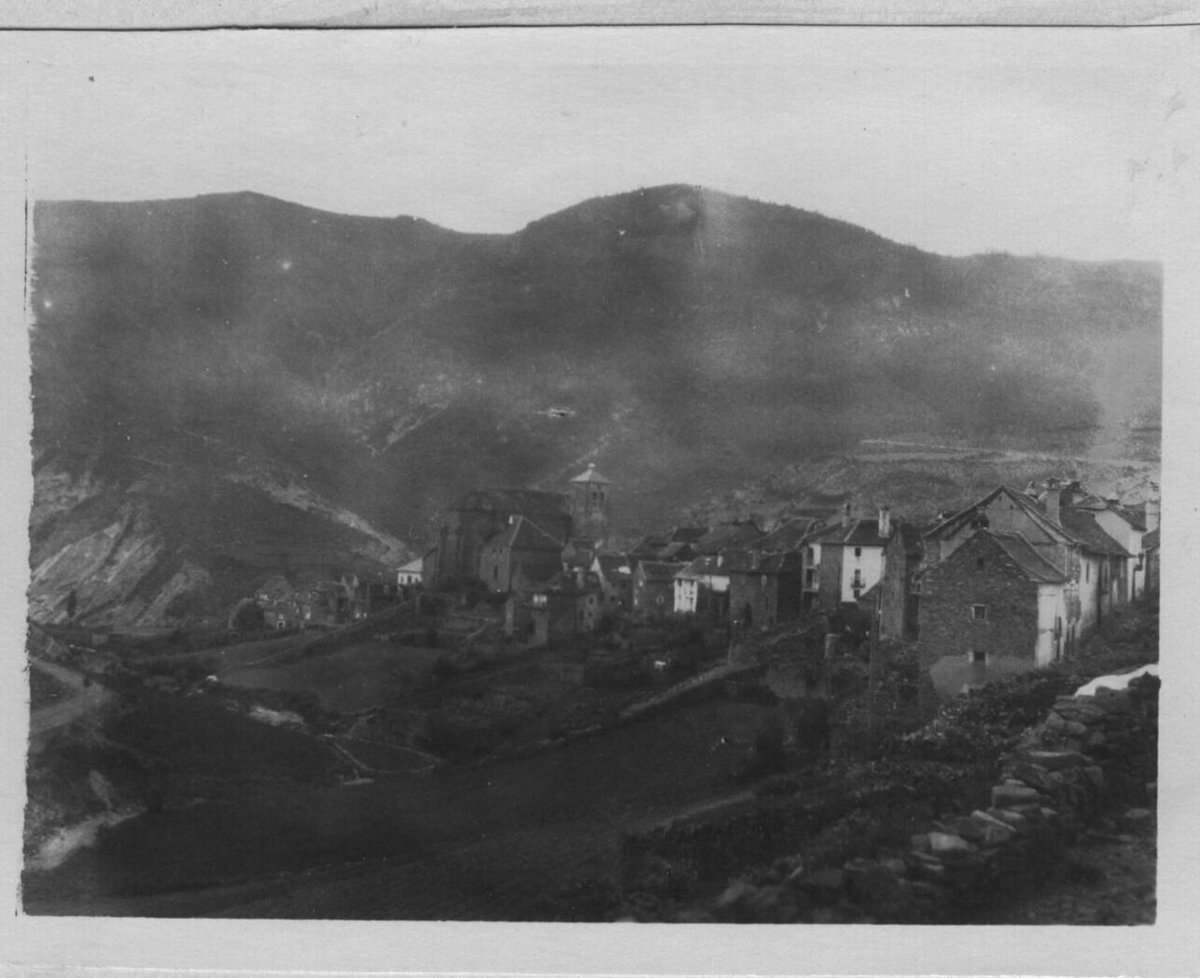
Fago has very few streets and all of them can be covered in a short time. Stone houses, wooden balconies and tall chimneys define the look, typical of the Aragonese Pyrenees. There are no large monuments or wide squares.
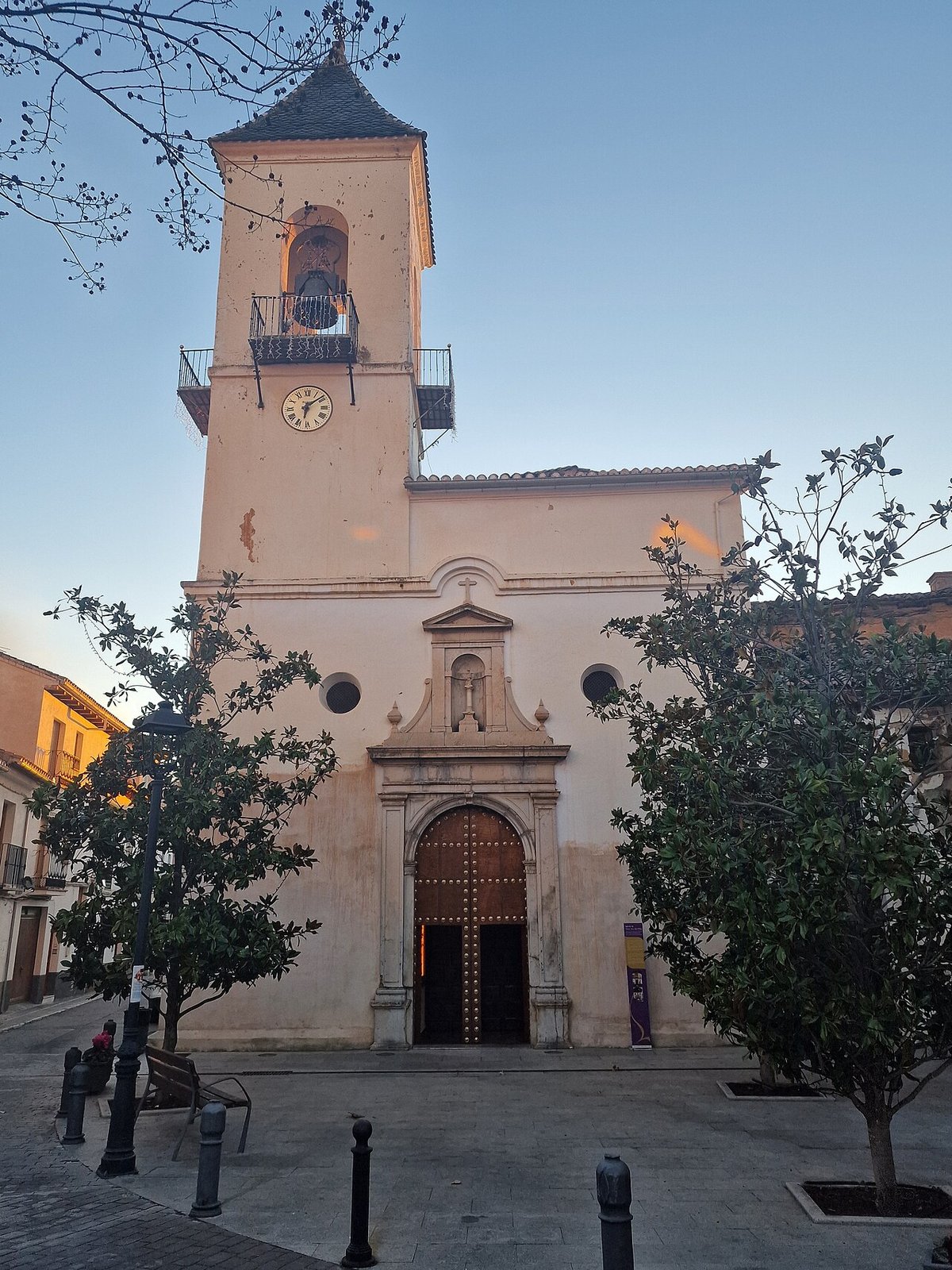
The church of San Juan Bautista is the building that stands out most. It is generally dated to around the 12th century, although it has been altered later on. The bell tower rises above the rest and is visible before you enter the village.
There is little else to list. The appeal lies in the whole and in the quiet. With so few residents, it is common not to pass anyone at all.
Beyond the houses: woods and tracks
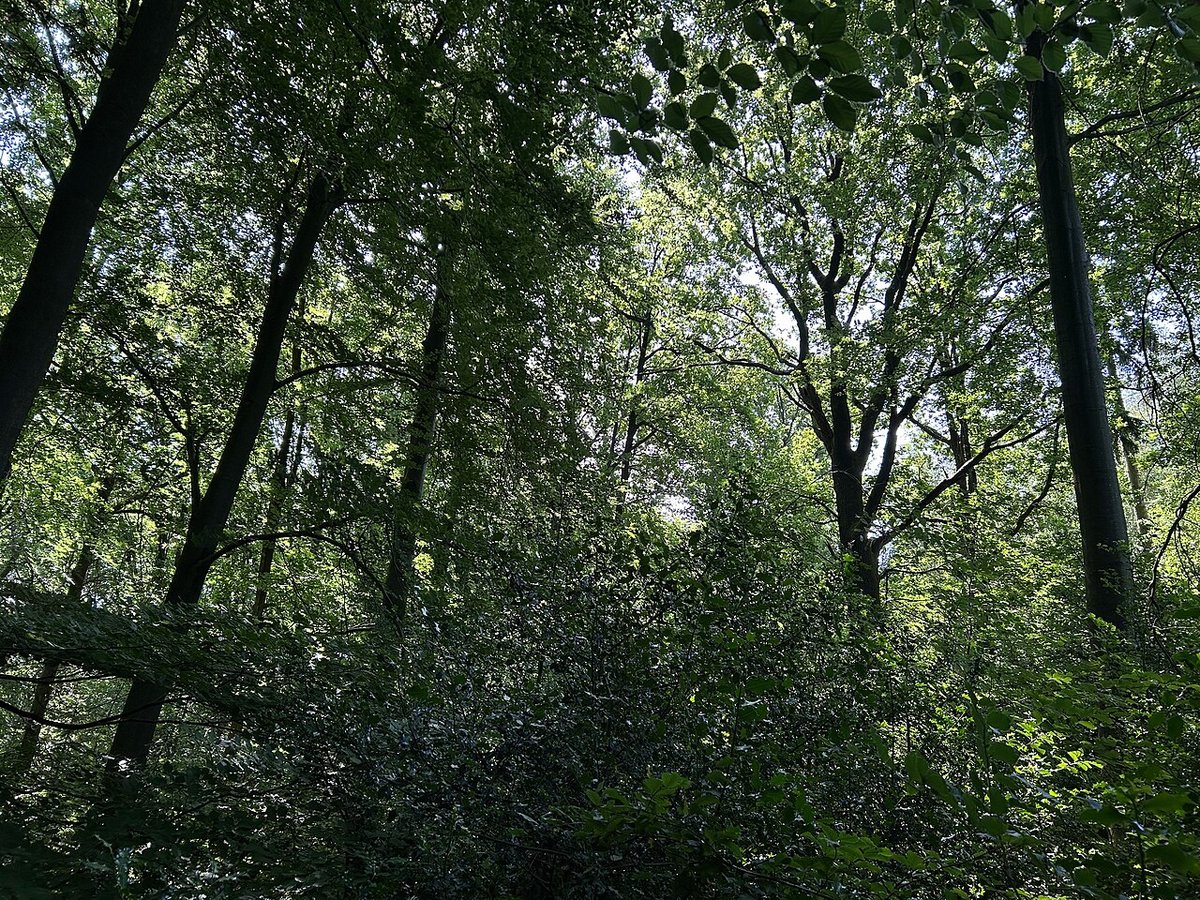
The surroundings are more interesting than the village itself. Around Fago there are areas of beech and oak woodland that change the feel of the landscape in autumn. You do not need to go far to be in the countryside.
Tracks and paths leave the village and climb towards nearby cols. Some sections are clear, others less so. It is sensible to carry a map or GPS because the signage is irregular and some junctions are not very informative.
In open patches there are views towards nearby mountains, including the Sierra de Collarada. Do not expect prepared viewpoints or information panels.
Wildlife and open countryside
Walking at dawn or towards the end of the day brings a chance of seeing roe deer or hearing red deer during the rutting season. Wild boar are also present. Among birds there are birds of prey, and in spring hoopoes appear along the edges of the meadows.
There is nothing organised about wildlife watching here. It is simply open countryside.
Local life and small celebrations
The village festival usually centres on San Juan Bautista at the end of June. It is a small celebration, more about residents and people who return to the village for those days than about visitors.
In summer, former inhabitants who spent years away also gather here. These are very local occasions. If you happen to be there at that time, the change is obvious: the village shifts from almost empty to noticeably lively.
When to go and what to expect
From late spring to autumn, walking is easier. In winter there may be snow or ice on the road and on the paths.
Bring proper walking footwear even if you are only planning a short stroll. The ground can be deceptive and there is plenty of loose stone.
A simple place with a clear appeal
Fago is not a place to come expecting activities or services. It is a minimal village set in the hills. If the idea is to walk for a while and see what this quiet part of the Jacetania is like, it is worth the stop. If you are looking for more atmosphere, you will need to continue up the valley or head back towards Jaca.