Full Article
about Jaca
Hide article Read full article
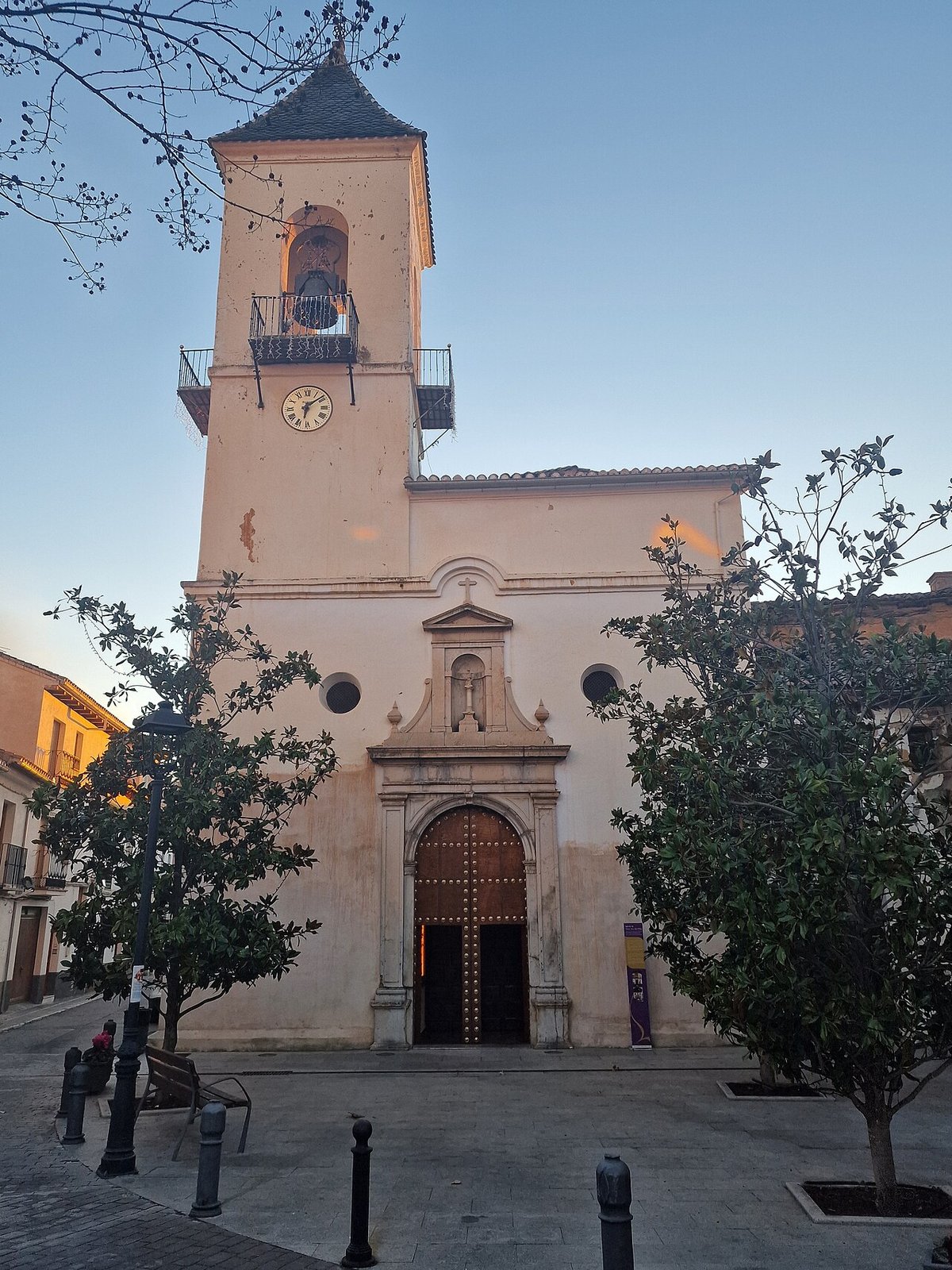
At eight in the morning, mist clings to the walls of the Ciudadela like a worn blanket. From the dry moat, a pair of deer watch without hurry. They seem to own this Renaissance parade ground, not the day-trippers who will arrive later with brand-new boots. Jaca makes more sense at this hour, when cars are scarce and the sound of bells carries cleanly through the cold streets. Time here is not counted so much in hours as in bells: those of the Romanesque San Pedro, those of the cathedral that was once the first in the Kingdom, and those that accompany pilgrims following the Camino Aragonés towards Compostela.
Stone that once held a crown
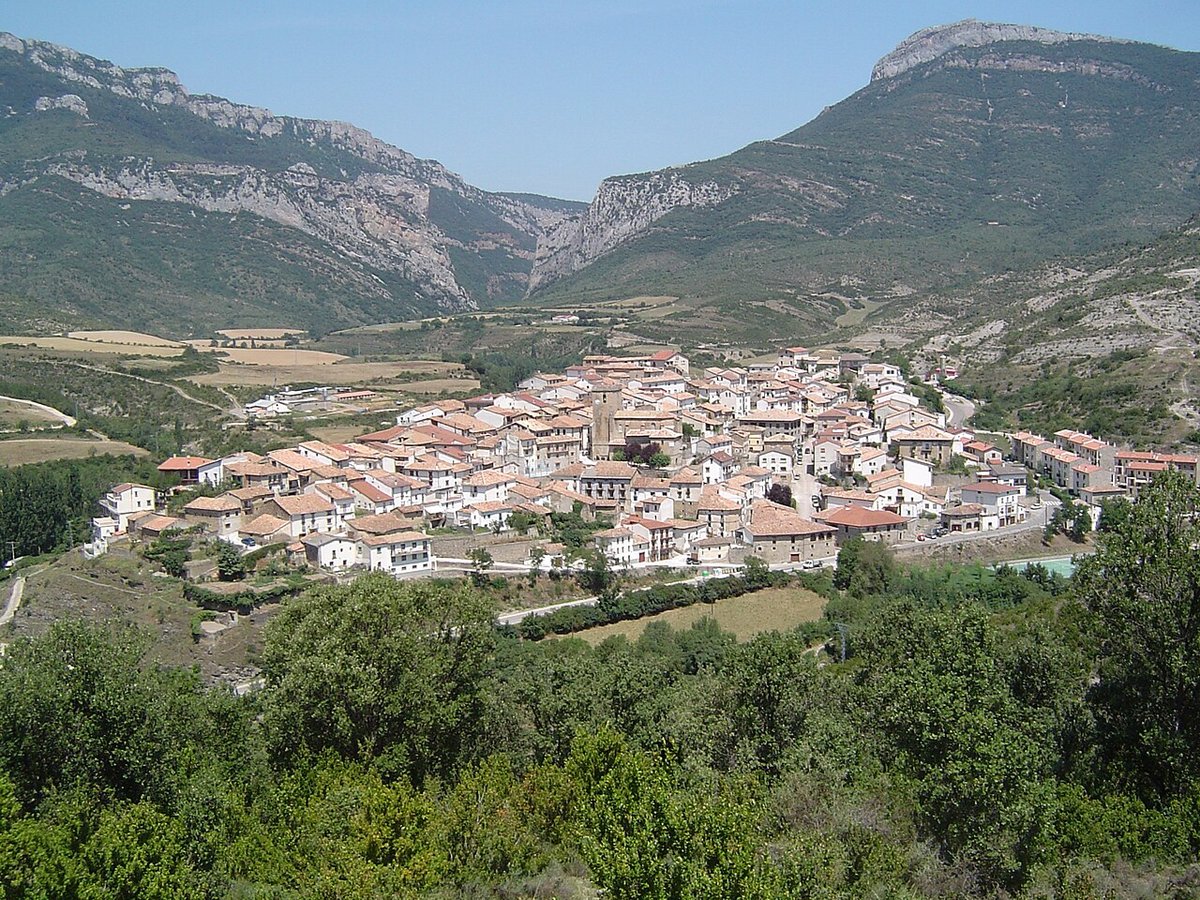
In 1077, Sancho Ramírez chose this valley to declare the first capital of Aragón. It was no whim. Routes coming down from the Somport pass meet those that run along the Aragón valley, a natural crossroads between lands then linked to Navarra and others that would later look towards Catalonia.
The Cathedral of San Pedro, begun in that same period, preserves an early Romanesque style still testing its solutions: heavy vaults, highly narrative capitals, animals imagined more than observed. Enter in the morning, when light slips in sideways through narrow windows, and the carvings stand out more clearly: dragons, sirens, figures that feel as if they came from stories told by the fire.
In the cloister, the diocesan museum brings together Romanesque painted panels that for centuries hung in small Pyrenean hermitages. Many arrived when those buildings began to empty or fall into disrepair. Seen together, they feel like a family archive: biblical scenes in earthy colours, wood still marked by cracks from mountain cold and damp.
The pentagon watching the town
The Ciudadela began to rise in the late 16th century, under the orders of Philip II, at a time when the Pyrenean frontier mattered. Its five-pointed star plan, dry moat and drawbridge still in use define one of the best-preserved Renaissance fortresses of its kind in Spain. Walking along the top of the walls makes it easy to grasp how the surrounding ground was controlled.
Inside, the parade ground smells of damp grass for much of the year. Deer move slowly among the earth embankments. As the sun climbs, the grey stone of the bastions turns almost white, and the sound of the town reaches you softened, as if from a distance.
At weekends or during busy periods, it helps to go in early. By mid-morning, the bridge often fills with people.
Flavours that hold their ground
Food in Jaca still comes in deep plates and generous portions. At midday, roasted ternasco appears, along with trout from the Aragón river, often stuffed with ham, and migas that still include raisins and pieces of chorizo. The smell of lamb starts drifting from kitchens well before one, when grills are already hot.
Rabbit cooked in the Jaca style does not always feature on every menu. It depends on the day and who is in the kitchen. When it is prepared, it usually comes with tomato, peppers and a splash of white wine.
For something sweet, there are jaqueses, an elongated fried dough coated in sugar with a light hint of anise at the end. They can be found in several pastry shops in the centre and tend to disappear quickly on winter weekends.
When the valley sounds like drums
In January, around the feast of San Sebastián, Jaca shifts its rhythm. As evening falls, drums begin to echo through the old town. Groups arrive from different villages of the Jacetania, wearing dark jackets and carrying tightly stretched skins. The sound rebounds off the stone façades and lingers in the narrow streets.
In summer, a medieval-themed fair is usually held around the cathedral. For a few days, the square fills with stalls, craft demonstrations and early music. There is an element of performance, of course, but the setting carries it: the Romanesque tower behind, the smell of cheese and new leather mixing with the heat of August.
Walking without hurry
The Camino de Santiago Aragonés leaves Jaca heading west along the valley. The stretch to Santa Cruz de la Serós is around seventeen kilometres, with gentle climbs and sections between pines and open fields. From certain points you can see the outline of Peña Oroel and, higher up, vultures riding the currents.
Many pilgrims cover it in about four hours, though it is worth carrying something to eat and pausing for a while on the higher ground. Nearby stands the small hermitage of San Caprasio, linked to the early centuries of Christianity in the area.
For something shorter, the Senda de la Cantera drops down to the Puente de San Miguel in roughly three kilometres. The path runs between dry-stone walls and tall poplars.