Full Article
about Jasa
Hide article Read full article
A place that takes its time
Some villages seem made for a postcard. Jasa is not trying to be one of them. The first impression is calm, almost understated, and that is part of its appeal. It is easy to arrive expecting a brief stop and end up lingering longer than planned.
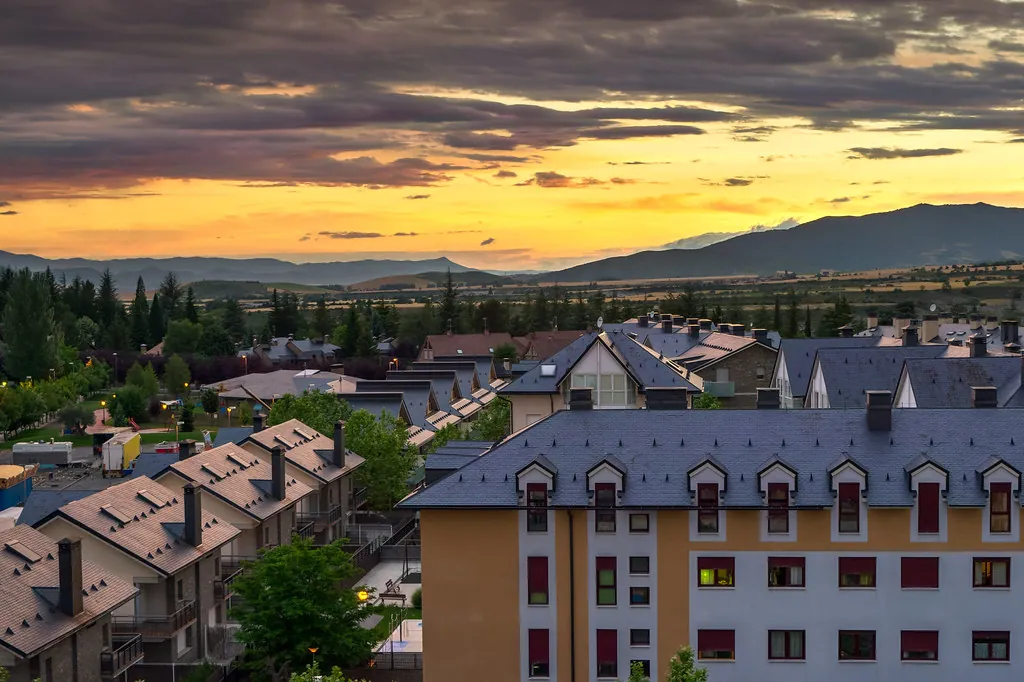
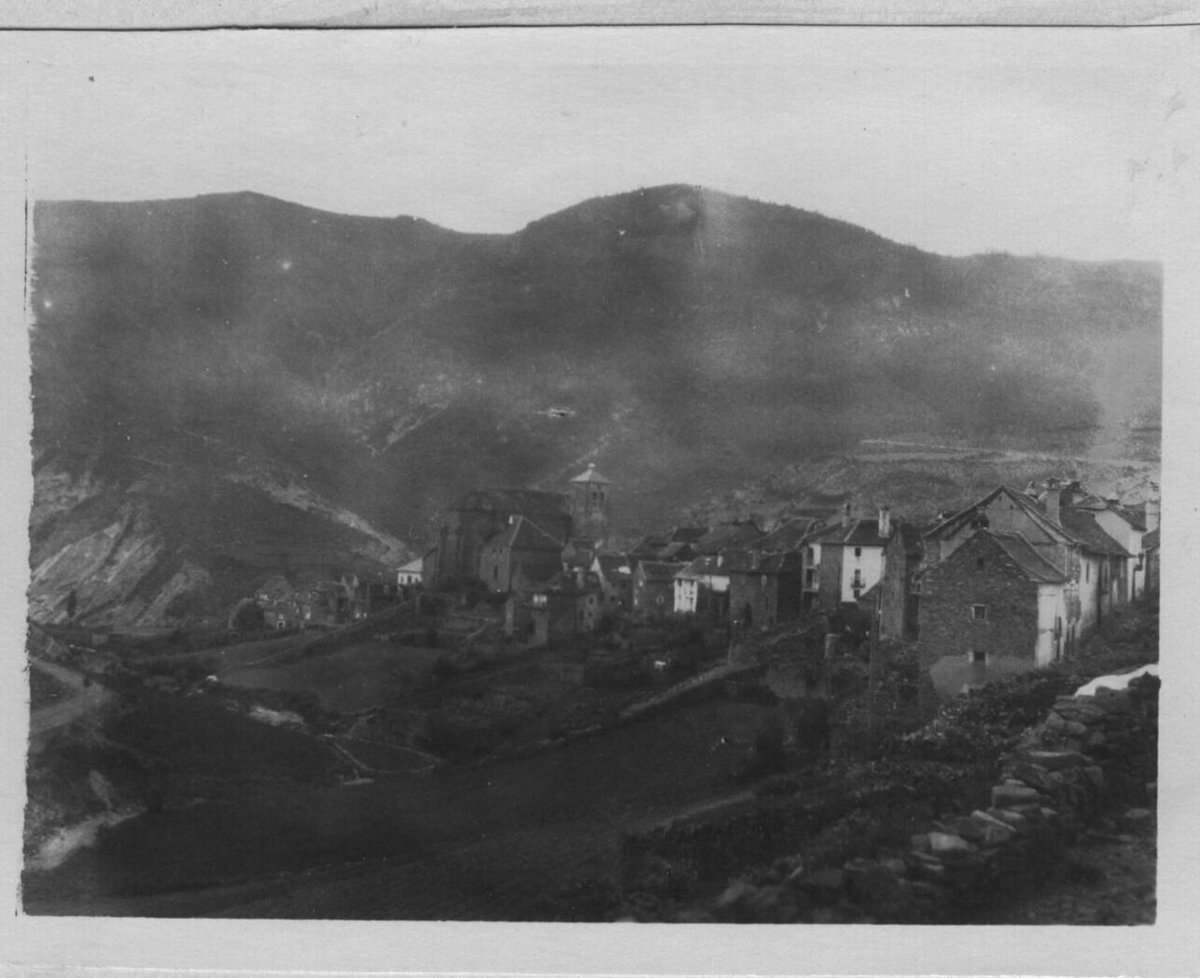
Jasa sits in the Jacetania region, at around 944 metres above sea level, with fewer than a hundred residents. Life here still follows the seasons. Livestock and meadows shape the landscape, winters stretch on, and summer brings a modest return of people as the village fills out again.
A small village, best explored slowly
Jasa has kept much of its original layout. Stone houses line the streets, with slab roofs and heavy wooden doorways. Dates are carved into many lintels, some reaching back several centuries.
It does not take long to understand the village. Two main streets cross through the central square, with a handful of narrow alleys branching off. Old stables have been turned into homes or storage spaces. There are no major landmarks that dominate the skyline. What draws attention tends to be smaller details: an arch between buildings, an old window, a half-worn inscription.
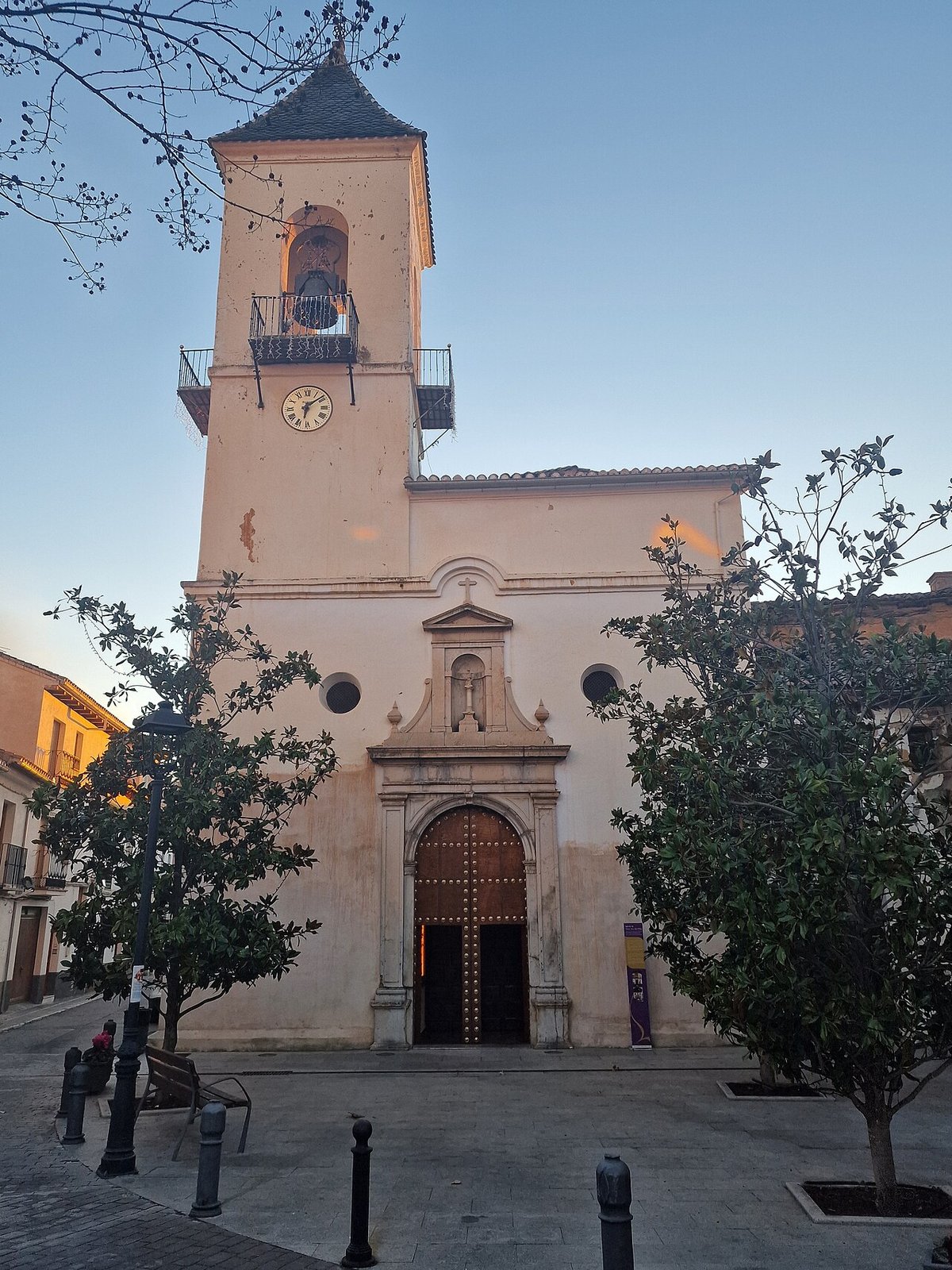
The parish church, the Asunción de Nuestra Señora, acts as a reference point. Like many churches in the Pyrenees, it is restrained in style. From the outside it does not stand out dramatically, yet it has been at the centre of village life for centuries.
Paths beyond the last house
Once past the final row of houses, the setting opens into meadows and small wooded areas. There are no large, signposted viewpoints or prepared walkways. This is the kind of place where you set off on foot and see where the path leads.
Some routes follow traditional tracks once used by shepherds to move between hills or link nearby villages. Markings can be uneven, so it helps to check your route or carry a map before heading out.
The landscape shifts noticeably with the seasons. Spring brings vivid green fields and flowering trees. Autumn turns everything towards ochre tones, with fallen leaves covering the ground.
There are also rural tracks suitable for cycling. They tend to be long and steady rather than technical, with climbs that make themselves felt but no especially aggressive sections.
Food shaped by the mountains
Local cooking reflects the mountain setting. The dishes are hearty and straightforward. Stews with lamb are common, along with mushrooms when the season is good. Migas, a traditional dish based on fried breadcrumbs, appear as well, alongside casseroles made with small game.
In the surrounding area it is also usual to find mountain honey, cured meats and some aged cheeses. These are sometimes sold directly by local producers if you happen to pass by.
Presentation is not the focus here. The emphasis is on filling plates and simple flavours, often served with bread on the side.
August and the return of movement
The liveliest moment of the year comes around 15 August, when festivities dedicated to the Virgin take place. Families return from elsewhere and regular summer visitors arrive.
The atmosphere stays simple. There are processions, music in the square and shared meals. It feels more like a gathering of neighbours than an event designed to attract outsiders.
As autumn arrives, the pace slows again. The nearby hills become a place for mushroom picking, especially for níscalos when the season is wet. In some homes, traditions such as the slaughter of the pig are still maintained, even if they are no longer a necessity.
Getting there and what to know
Jasa is usually reached from Jaca or from Puente la Reina de Jaca, following the road that crosses this part of the Jacetania. The final stretch runs along quieter roads that call for a slower pace.
Services in the village are limited. A small shop may cover basic needs, but for larger purchases or more choice, residents tend to travel to nearby towns or to Jaca.
Jasa works well as a quiet base for walking, cycling or simply switching off for a while. It is not a place packed with activities for every hour of the day. It makes more sense when you sit for a while in the square and let the afternoon pass.