Full Article
about Villanúa
Hide article Read full article
Between Jaca and the Somport route
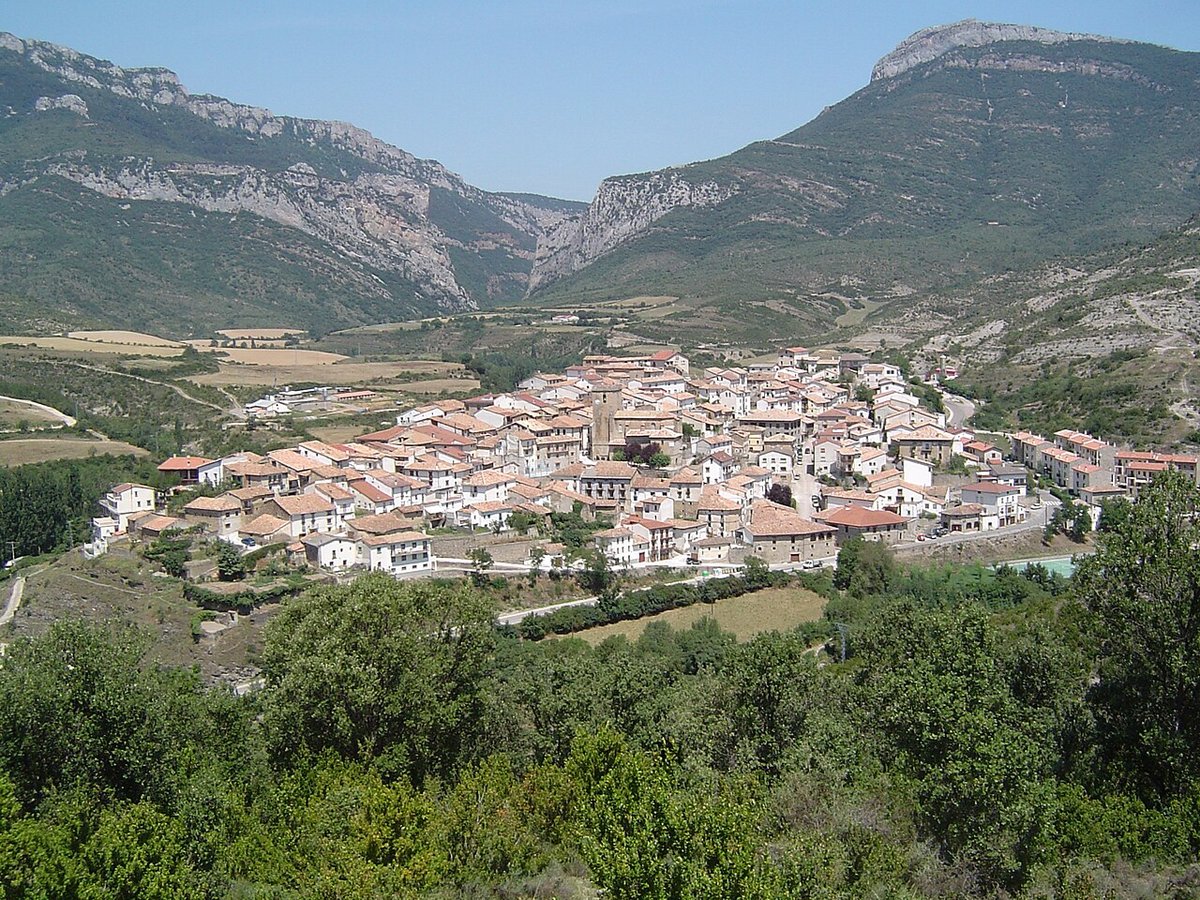
Tourism in Villanúa makes more sense when you start with a map. The village sits in the Aragón valley, between Jaca and Canfranc, in a stretch where the valley begins to narrow and the mountains become more present. With just over five hundred residents, it belongs to the Jacetania region and stands at around 950 metres above sea level. For centuries, this was a place shaped by movement, linked to the natural passage towards the Somport pass, one of the historic routes connecting Aragón with the northern side of the Pyrenees.
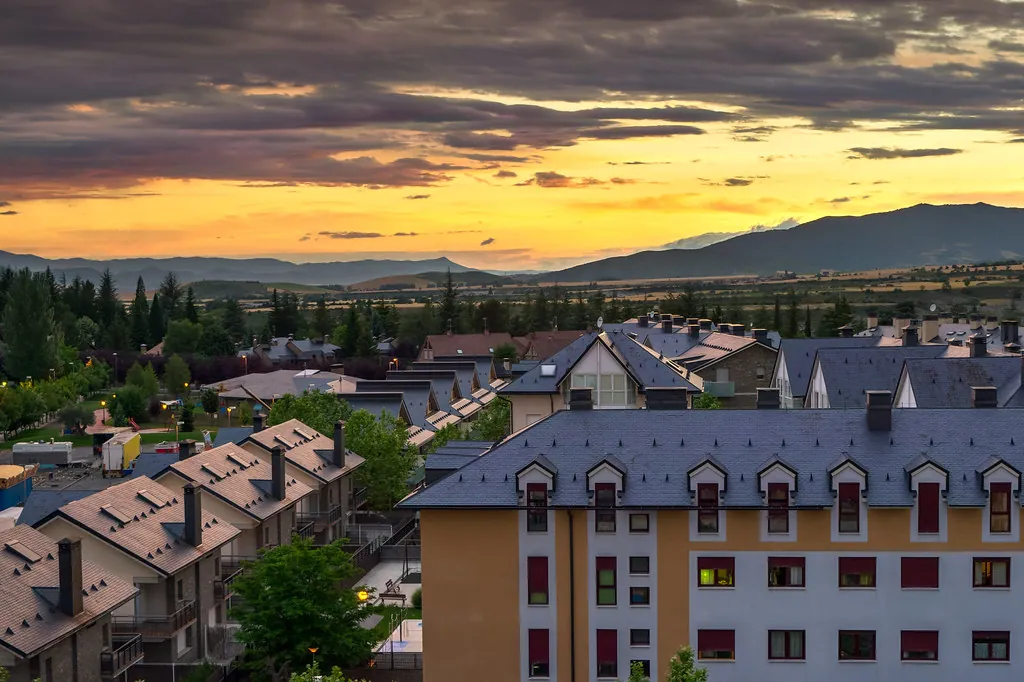
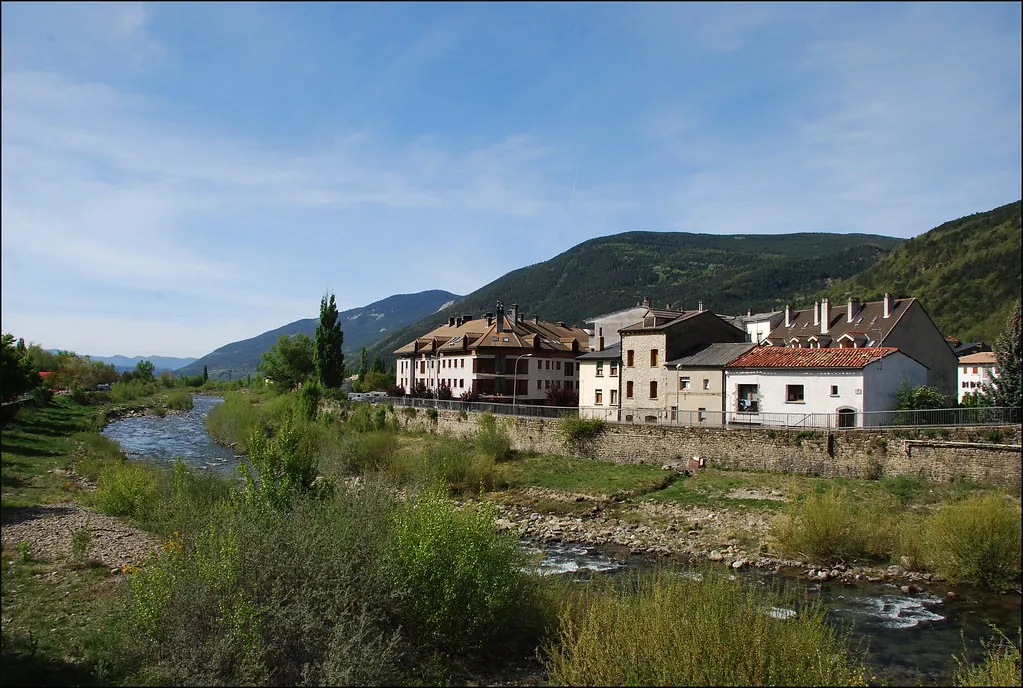
That role as a stopping point still leaves its mark. The road that climbs towards Candanchú and Astún runs nearby, which helps explain how the village has evolved in recent decades. Many people use it as a base when heading up to ski or to walk in the valley. Even so, the centre keeps the scale of a small Pyrenean settlement, with stone houses grouped together and short streets that invite an unhurried walk.
Several houses still show features typical of traditional architecture in the valley. Sloping roofs are designed for snow, wooden balconies project from the façades, and thick walls once kept out the winter cold. Many buildings have been adapted over time, but the overall layout continues to reflect a way of building that responds directly to mountain conditions.
The church and the historic core
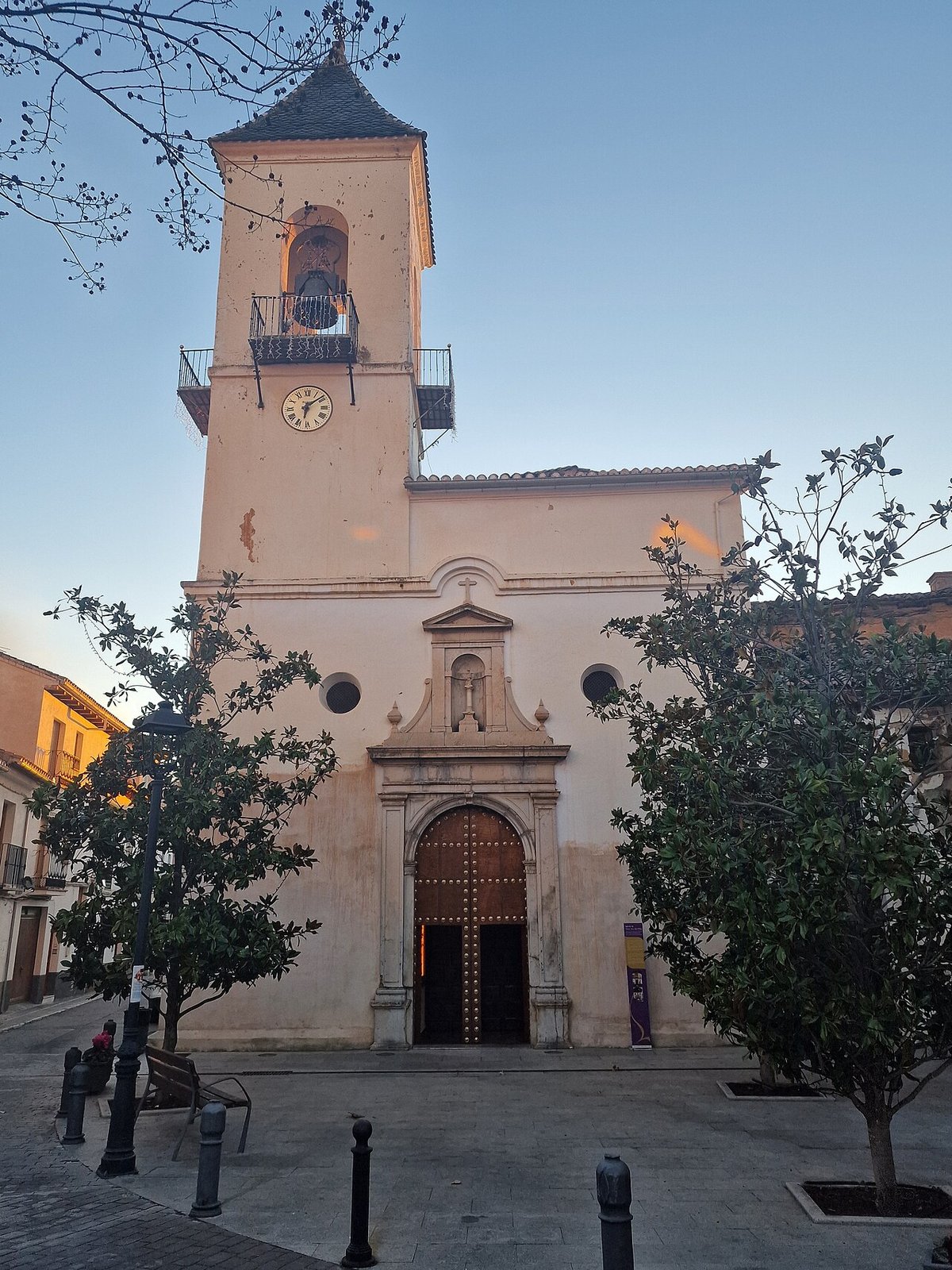
The parish church of San Esteban stands in a central position within the village. The building as it appears today is the result of different construction phases, something common in churches across the Pyrenean valleys, where extensions and alterations followed the needs of each period. Its exterior is restrained, with stone as the dominant material.
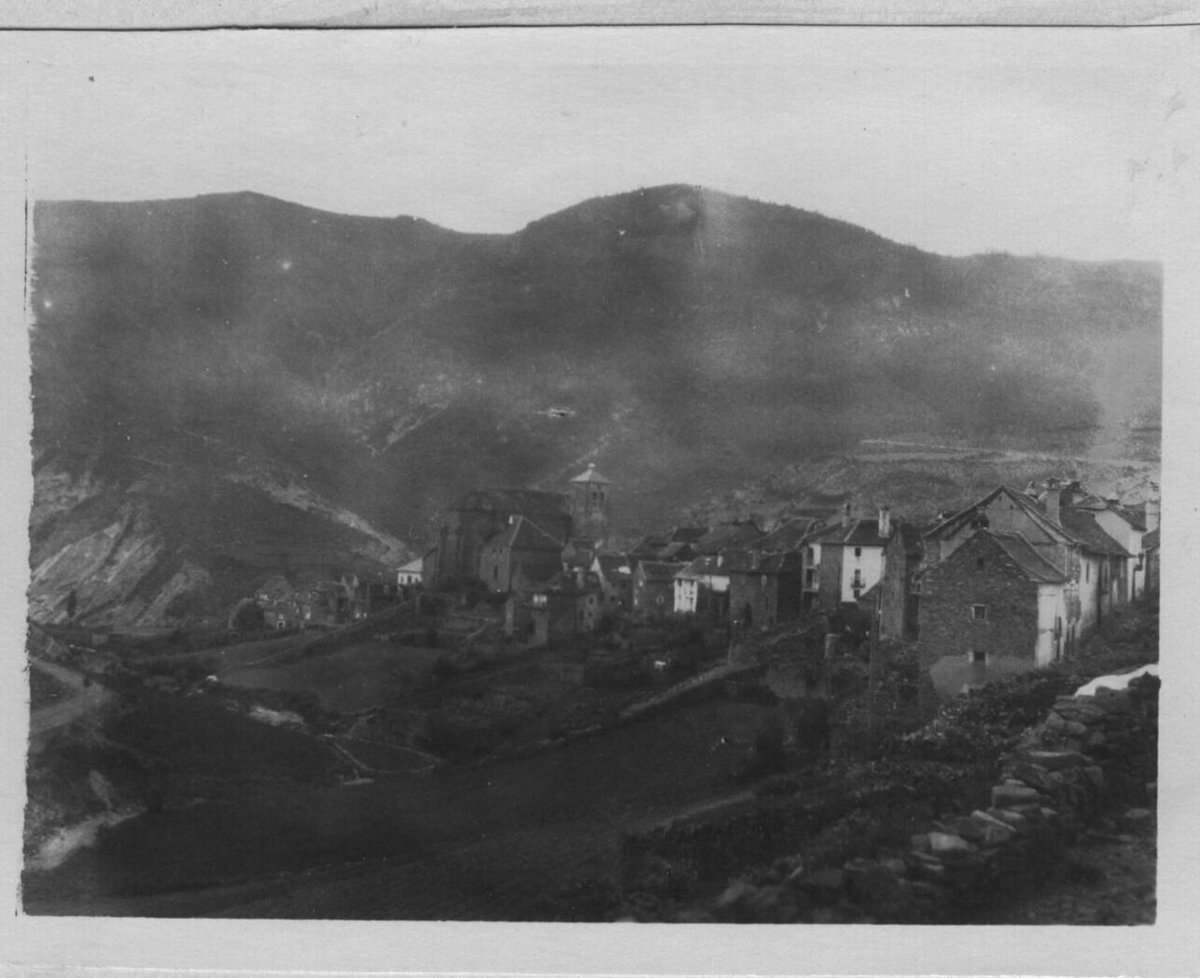
More than its size, what matters is how it fits into the surrounding streets. Much of the old quarter is organised around it. In nearby lanes, the compact arrangement of houses is still clear, a layout that helped residents protect themselves from the wind and make the most of limited flat land in a valley where space has always been scarce.
The Cueva de las Güixas and the landscape
On the outskirts of Villanúa lies the Cueva de las Güixas, a karst cave that has long been known in the area. For years it was visited with a guide and became one of the most recognisable places linked to the village. Its opening to the public has gone through different stages, mainly connected to conservation concerns, so it is worth checking the current situation before planning a visit.
The surroundings combine woodland and meadow. Beech forests and pine woods change noticeably with the seasons, especially in autumn. Several paths begin directly from the village and open out to views across the Aragón valley and towards nearby peaks such as Collarada, one of the most distinctive mountains in this part of the Pyrenees. Not far away is the area known as the Collado de Ladrones, where fortifications remain from the 19th and 20th centuries, linked to the defence of the border.
Walking routes and mountain access
Villanúa often works as a starting point for exploring the valley on foot. There are easy routes along the valley floor and paths that lead into the forest, suitable for relaxed walks. Other itineraries climb higher towards the slopes of Collarada or connect with routes linking different villages along the Aragón valley.
As soon as the terrain rises, the level of effort increases. Steeper routes require preparation, and it is important to check both the planned route and the weather. Conditions in the Pyrenees can change quickly, even in summer.
In winter, the proximity to Candanchú and Astún means that many visitors stay in the village and travel up to the ski areas each day. The road along the valley is generally kept open, though heavy snowfall or ice can make driving more demanding.
Local life and seasonal rhythm
The main festivities are held around San Esteban, traditionally at the end of August. During those days the village becomes busier, with religious events, music in the streets and activities organised by local associations. Many people who live elsewhere return for the celebrations, which is a familiar pattern in Pyrenean villages.
Across the summer there are usually cultural events and gatherings connected to life in the valley. Winter brings a quieter pace, more closely tied to the snow season and the rhythm of visitors heading to the nearby ski resorts.
Getting there and practical notes
Villanúa lies on the road that links Jaca with Canfranc and the Somport pass. From Huesca, the route first follows the main road towards Jaca and then continues north along the Aragón valley.
The village itself is small and easy to walk around. For a wider range of services, including specialised shops or medical facilities, Jaca is only a few kilometres away and acts as the main reference point for this part of the Jacetania.