Full Article
about Camporrells
Hide article Read full article
By mid-morning, in the fields around Camporrells, the wheat begins to turn golden and the air carries the scent of rosemary and thyme. Spring light falls at an angle across stone walls, and some doorways still show wood worn by decades of use. There is little sense of hurry at this hour. A car passes slowly along the main street, and somewhere in the background comes the dry rattle of a shutter being raised.
Camporrells sits in the comarca of La Litera, also known locally as La Llitera, with just over a hundred registered residents. It keeps the steady pace typical of agricultural villages in inland Aragón. The houses are shaped by the climate: cold winters that can leave frost on rooftops at dawn, and dry summers that stretch well into August. The landscape sets the tone here. Wide fields, dirt tracks and a clean horizon that shifts in colour with the seasons define daily life.
Stone, scale and small details
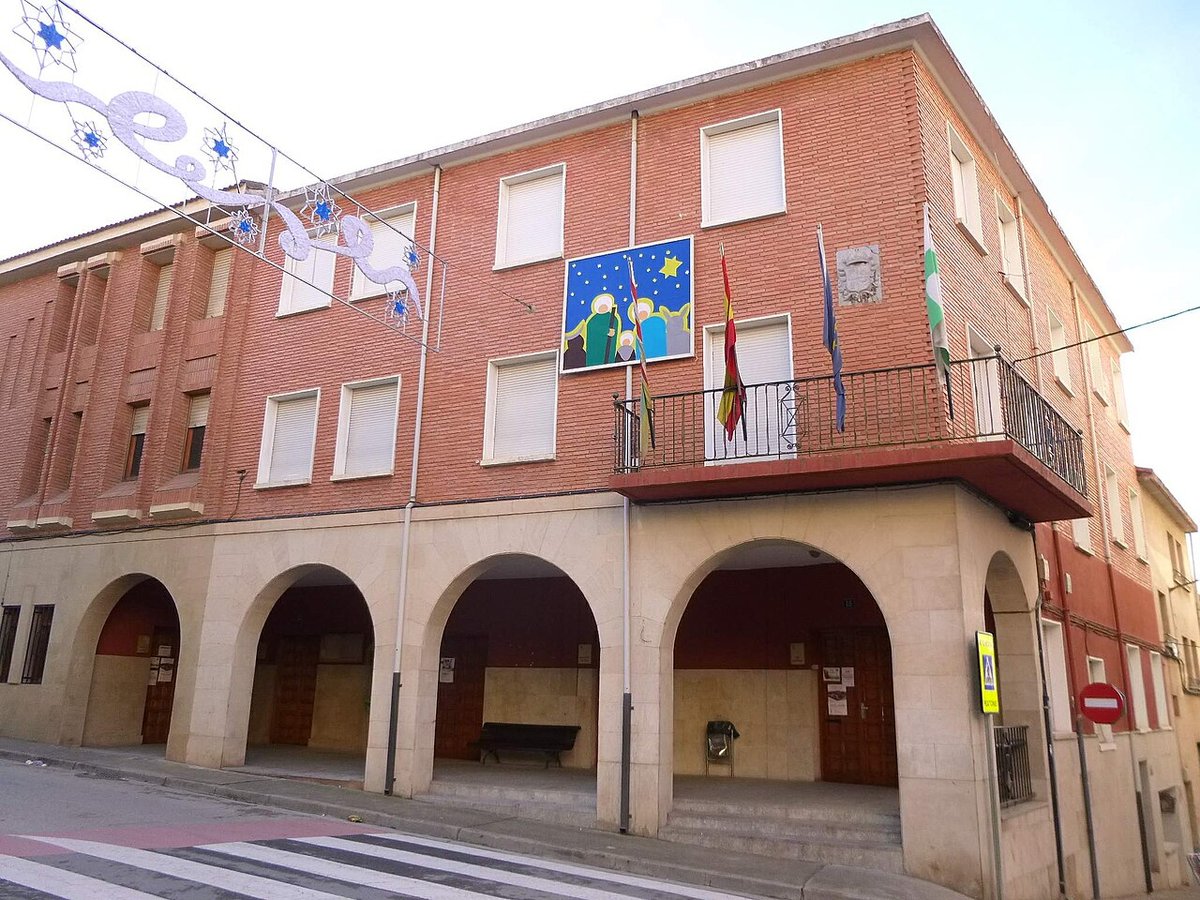
The village centre is easy to cover on foot. Streets are short and narrow, opening onto the occasional small square. Buildings are mainly stone or brick, with older doorways and arches that still bear the marks of time. This is not a place of grand architecture. Interest lies in details such as wrought-iron grilles, slim balconies and small religious niches set into walls, often sheltered by a simple overhang.
The parish church of San Miguel stands in one of the most visible spots in the village. It is a restrained structure with a rectangular nave and a pitched roof. As evening approaches, the façade shifts in colour. The stone moves from grey to a softer orange as the sun drops towards the fields to the west. Around that time, the village grows especially quiet.
Fields that set the pace
A short walk is enough to leave the built-up area and step into the agricultural plain of La Litera. Crops dominate the surroundings. Depending on the season and the plot, fields may be planted with barley or maize, or with alfalfa. In spring the landscape appears intensely green. As early summer arrives, those tones dry into yellows and paler shades.
From the tracks that circle Camporrells, other settlements in the comarca can be seen scattered across the plain on clear days. There are no constructed viewpoints or interpretive panels here. These are working farm tracks, used by tractors and local traffic. Walking them is straightforward, provided the activity of the fields is respected.
Towards the barranco de Camporrells
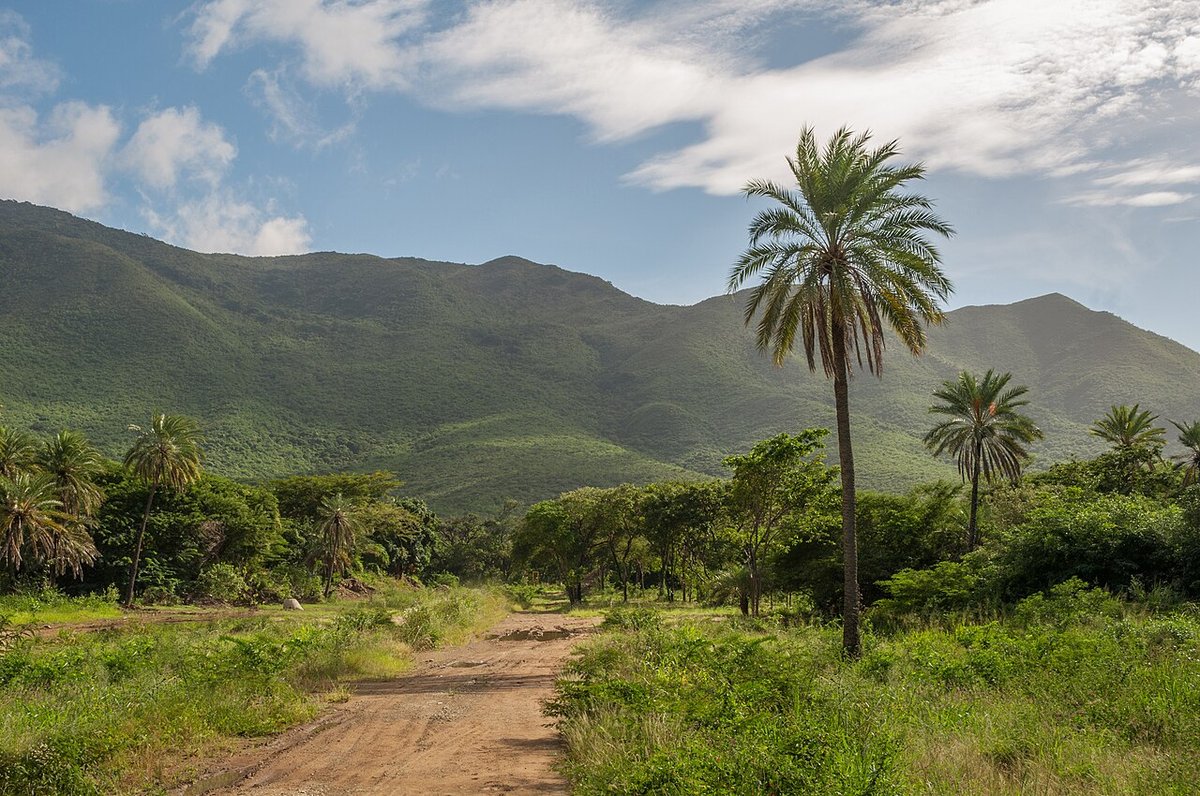
One of the most common walks from the village leads towards the barranco de Camporrells. This natural area introduces a shift in terrain. The ground becomes more uneven, with rocky formations and small escarpments breaking up the landscape. Compared with the flat plain, there is more exposed stone and low vegetation, and stretches where the only sound is the wind.
The route does not involve major changes in elevation, though some sections can be stony underfoot. In summer, the sun is strong and shade is limited. It makes sense to head out earlier or later in the day, and carrying water is close to essential even for shorter walks.
Festive dates and everyday life
As in many small villages, the calendar in Camporrells is marked by its local festivities. The main celebration usually takes place in August, when residents who live elsewhere during the year return. During those days the atmosphere shifts. There are more people in the streets, music in the evenings, and shared meals in public spaces.
For the rest of the year, life revolves largely around the land. Conversations tend to circle back to rainfall, harvests, and how the season has unfolded. The agricultural cycle shapes both work and social life.
When the landscape changes
Spring and autumn are generally the most comfortable times to walk around Camporrells and its surroundings. Temperatures are milder, and the landscape shows stronger contrasts in colour. These are seasons when the fields and paths feel more varied from one day to the next.
Summer brings heat that builds through the day, especially from midday onwards. During the central hours, the village becomes very still. Winter often includes frequent frosts, and some mornings begin with a thin layer of ice across the fields.
A place best understood slowly
Camporrells does not take long to walk through. Its main streets can be covered in about half an hour. What matters is less the time spent ticking off sights and more the overall atmosphere, along with the open landscape that surrounds it.
It helps to arrive with clear expectations. This is a small agricultural village without infrastructure designed for large numbers of visitors. What it offers is older stone, fields that change with the seasons, and a kind of quiet that gradually fills the space if you stay long enough.