Full Article
about Castillonroy
Hide article Read full article
Between Aragón and Catalonia
Castillonroy sits at the eastern edge of the comarca of La Litera / La Llitera, very close to the border with the province of Lleida. It is a small village of around 330 inhabitants, set in a transition zone between Aragón and Catalonia. That in-between position is not just geographical. It can also be heard in the local speech and seen in certain customs that reflect both sides of the boundary.
The surroundings are unmistakably agricultural. Fields of cereal stretch across the landscape, interspersed with small plots of olive trees. The setting is open and practical, shaped by the needs of farming rather than by aesthetic concerns. It offers a clear sense of how people here have lived for generations, closely tied to the land and its cycles.
A Village Shaped Around Its Church
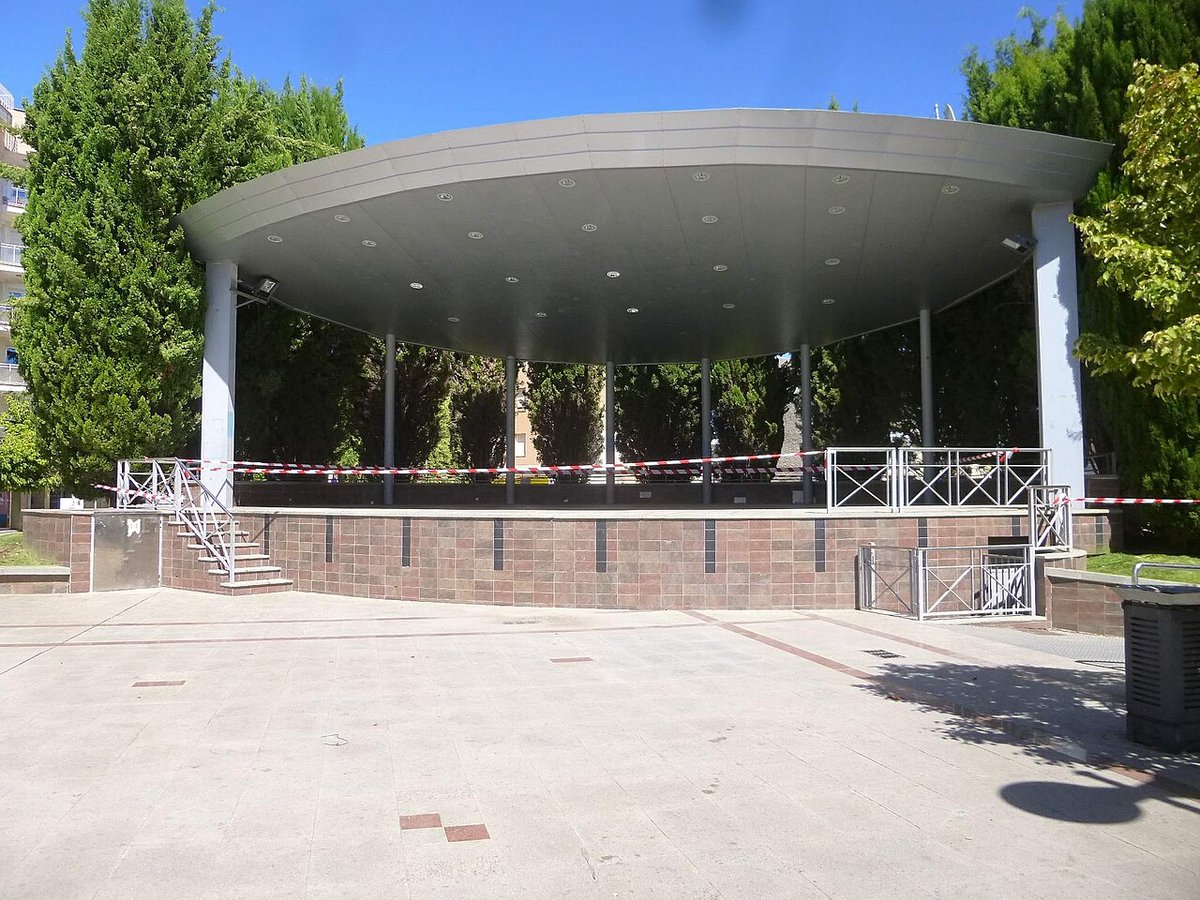
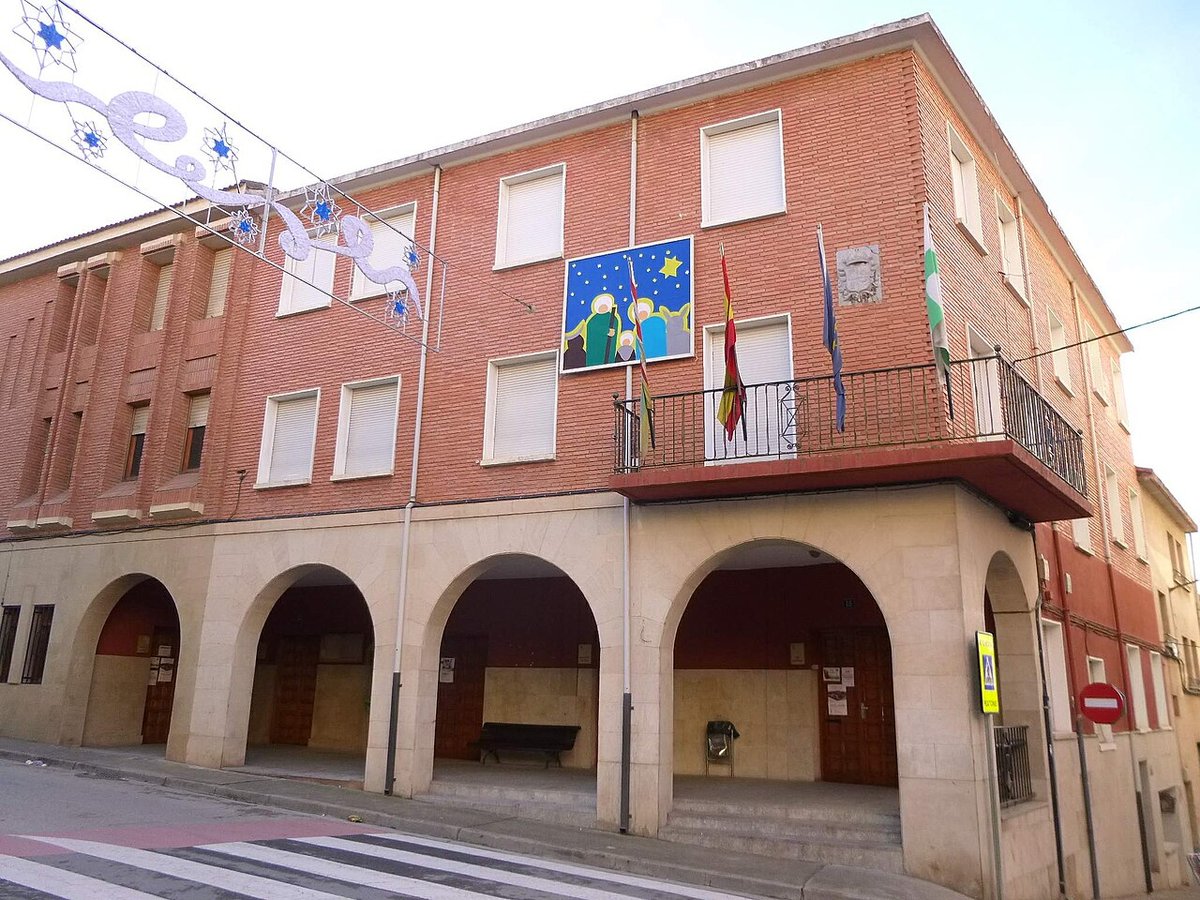
The layout of Castillonroy follows a simple pattern common in many farming villages on flat terrain. Streets are short and in some cases quite narrow, lined with houses built from a mix of stone, brick and render. There are no large civic buildings or major monuments dominating the skyline.
At the centre stands the parish church, which acts as both a visual anchor and a social focal point. Its position defines the structure of the village. Several of the main streets extend from the nearby square, creating a layout that is easy to read even on a first visit.
The importance of the church goes beyond any artistic features it may have. Historically, it has functioned as a meeting place and a point of reference for daily life. In a village of this size, such spaces help organise not just the streets but also the rhythm of the community.
Homes Built for Work and Living
Many houses in Castillonroy still retain features linked to a traditional agricultural economy. Large doorways, once used to bring in carts, remain visible on façades. Old haylofts are often integrated into the same buildings as living quarters, and animal pens can still be found at the back of properties.
This type of architecture reveals how closely work and home life were connected. Farming was not something separate from daily routines but part of the same physical space. In some streets, that continuity is still easy to spot. Homes, storage areas and spaces for tools or grain sit side by side, forming a single functional unit rather than distinct zones.
Although lifestyles have changed, these buildings continue to tell the story of how the village operated not so long ago. The structures themselves act as a record of a way of life in which efficiency and proximity mattered more than appearance.
The Landscape of La Litera
Just beyond the edge of the village, the landscape opens up quickly. Agricultural tracks lead outwards, linking Castillonroy with nearby farms and neighbouring settlements. These paths form a network that locals use daily to access and work the land.
Dry cereal farming dominates the area, with scattered olive groves appearing in smaller plots. Between the fields are embankments, irrigation ponds and patches of vegetation. These areas provide habitat for birds typical of open countryside. During migration periods, it is not unusual to see flocks stopping here to rest before continuing their journey.
Walking along these tracks gives a clear sense of how the territory is organised. Fields are large, the horizon is wide, and there are very few elements that interrupt the line of sight. The landscape is defined by continuity rather than contrast, shaped by agricultural use over time.
Everyday Cooking
Local cooking reflects what the land provides. Olive oil plays a central role, used both in stews and in homemade preserves. Seasonal vegetables from kitchen gardens appear when available, forming the basis of simple recipes passed down within families.
These are not dishes designed with visitors in mind. They belong to everyday life, shaped by habit and practicality rather than presentation. The emphasis is on making use of available ingredients, often prepared in ways that have remained unchanged for decades.
The tradition of preserving food at home is still present. When harvest time arrives, many families continue to prepare their own conserves, keeping alive a practice closely linked to the agricultural calendar.
Festivities and Community Life
Celebrations in Castillonroy tend to be concentrated in the summer months. This is when many people who live elsewhere return to the village for a few days, temporarily increasing its population and activity. These gatherings bring together residents and those who maintain family ties to the area.
Events linked to Semana Santa, or Holy Week, are also observed, along with traditions connected to the agricultural calendar. These occasions reflect long-standing rhythms rather than being arranged as attractions for outsiders.
The focus of these festivities is social rather than promotional. They provide opportunities for neighbours and extended families to meet, reinforcing connections that remain important even as people move away for work or study.
Getting There and Moving Around
The most common way to reach Castillonroy is by car. From Huesca, the usual route heads towards Binéfar along the A-131, followed by regional roads leading to the village. The journey covers roughly seventy kilometres.
Within Castillonroy, parking is generally straightforward on the main streets. It is worth keeping access points to garages and agricultural tracks clear, as these are still in regular use.
The village has basic services. For a wider range of shops or amenities, residents typically travel to nearby towns in the comarca, such as Binéfar or Tamarite de Litera.
Castillonroy does not present itself as a destination of major sights or attractions. Its interest lies in its continuity: a small community shaped by agriculture, positioned between two regions, and still organised around patterns that have changed only gradually over time.