Full Article
about Chia
Hide article Read full article
A village set above the valley
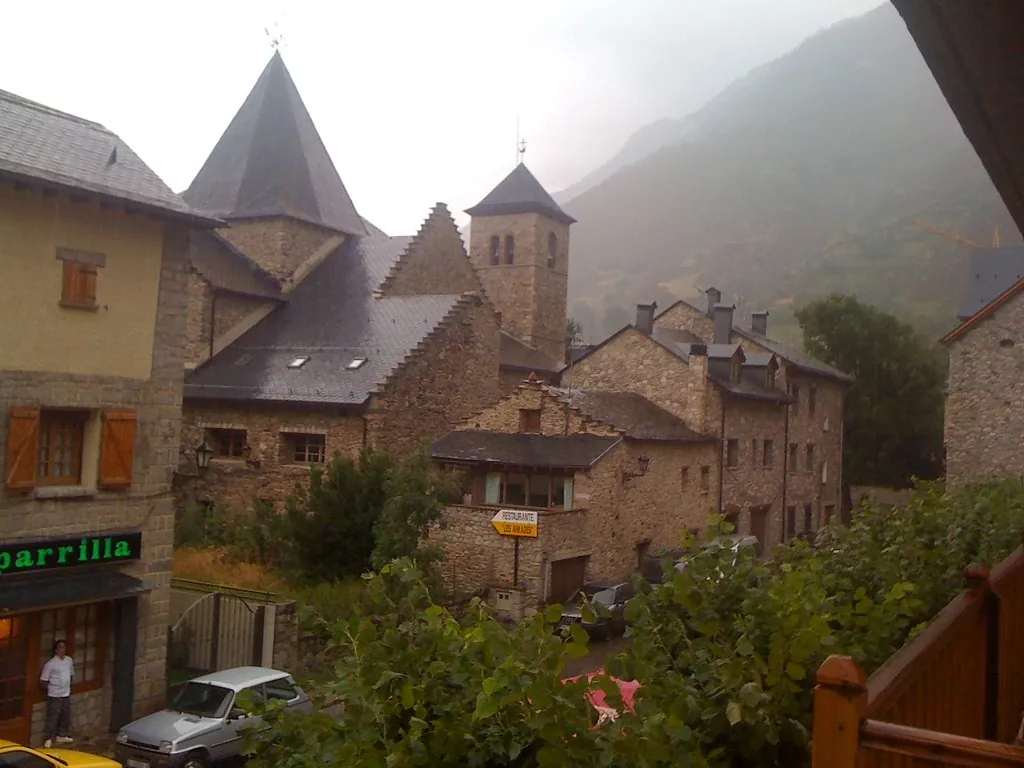
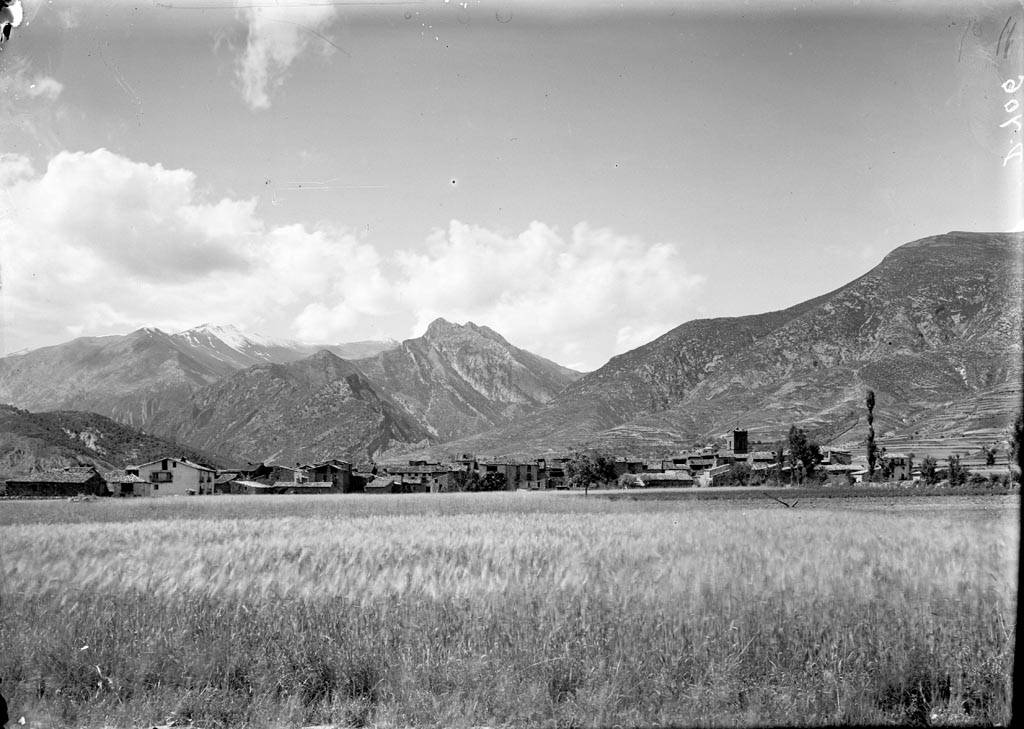
Chía sits on the eastern side of the Benasque Valley, at around 1,250 metres above sea level. The village rests on a south-facing slope, slightly removed from the main road that runs through the valley. That small degree of separation helps explain its character.
Today, around 90 people live here. The architecture follows a familiar Pyrenean pattern: stone houses, slate roofs and compact forms designed to withstand mountain conditions. The streets are narrow and often steep, shaped by both the terrain and a way of life that for centuries depended on livestock and high-altitude meadows.
The landscape around Chía shifts noticeably with the seasons. Nearby slopes are covered with beech trees, birch and other mountain species. In autumn, the woodland lightens into shades of rust and gold. In winter, snow typically settles on the peaks that frame the horizon, closing in the view.
A layout shaped over time
The village centre is arranged around small squares and winding lanes. There is no sense of a planned layout. Instead, the structure reflects gradual expansion, with new buildings added around older ones over time.
At its heart stands the parish church. Its origins are usually placed in the Romanesque period, although the building has been altered in later centuries. The tower can be seen from several points in the village and acts as a visual reference when moving through the streets.
Inside, the church is simple. It brings together elements from different periods, which is common in rural Pyrenean churches. More than a standalone monument, it has long functioned as a shared space for the community.
The houses follow clear construction patterns. Thick stone walls, limited openings and sloping slate roofs respond directly to the mountain climate. In some buildings, former haylofts and animal enclosures are still visible, integrated into the same domestic structure. These features reflect a time when daily life and agricultural work were closely linked.
Open views and changing landscapes
From the edges of Chía, the land opens out towards the valley. There are no formal viewpoints. Instead, the best perspectives come from paths, threshing areas or former meadows.
On clear days, several Pyrenean peaks rising above 2,500 metres can be seen in the distance. The sense of openness stands out, especially when compared with other villages in the valley that are more enclosed by the terrain.
Paths leading out of Chía pass through mixed woodland and grazing land. Some coincide with marked walking routes, while others follow older tracks once used by residents to move between villages or reach the mountains.
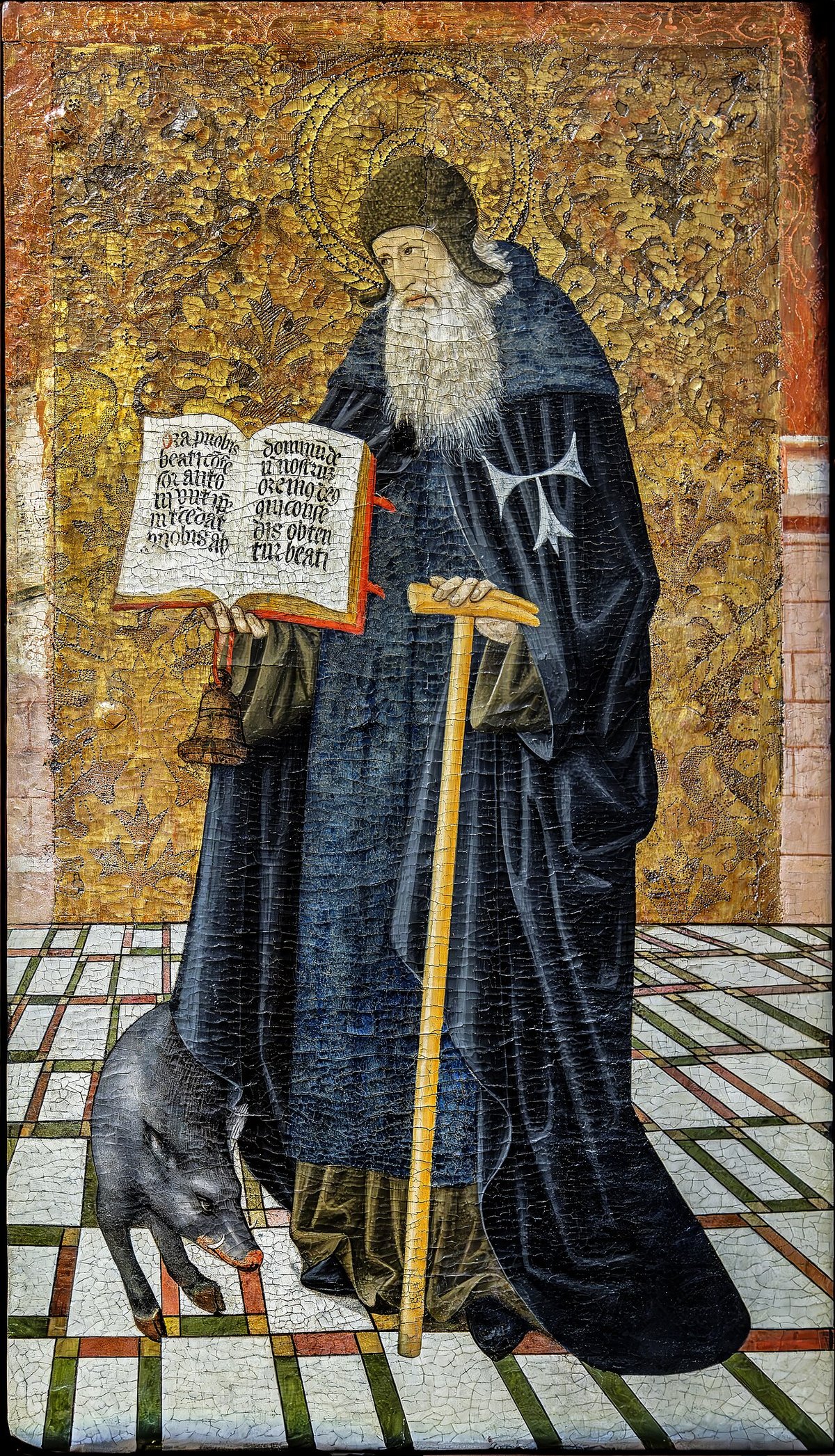
Wildlife is part of this setting. Roe deer are often seen in the early hours of the day. Wild boar are also present, though they tend to be more active towards dusk.
Paths, pasture and seasonal rhythms
Several historic routes begin in Chía. Some were once mule tracks connecting different settlements in the Benasque Valley. In certain stretches, their stone paving is still visible.
Other routes loop around the village itself, crossing both forested areas and open pasture. The length and difficulty vary depending on the path chosen, with no single standard route.
The surrounding environment is also known for its variety of mushrooms. The season is usually concentrated in autumn, when the first rains arrive. Basic knowledge is important before collecting them, as in any mountain area.
Life in Chía remains tied to the rural calendar. Livestock and meadow work are still part of daily activity, although they play a smaller role than they did in the past.
The patron saint festivities are generally held in summer. At that time, many people who live elsewhere return to the village. The programme brings together religious events and community gatherings, reinforcing local ties.
Food plays a central role during these occasions. Dishes often include products closely linked to the area, such as cured meat, seasonal mushrooms and dairy preparations.
In autumn, activities related to mycology are sometimes organised. These are often led by local residents with detailed knowledge of the surrounding hills and forests.
Getting there and moving around
From Huesca, the route begins towards Graus via the N‑123 road. From there, the journey continues into the Benasque Valley. The final stretch follows a local road that climbs up to the village.
In winter, it is worth checking road conditions in advance, as snowfall can occasionally make access more difficult.
Once in Chía, everything can be explored on foot without difficulty. In a short time, it is possible to understand how the village is structured and how it relates to the wider landscape of the valley. For those interested in traditional architecture, the older houses offer plenty of detail, with practical solutions designed for life in a mountain environment still clearly visible today.