Full Article
about Monesma y Cajigar
Hide article Read full article
Arriving Somewhere That Doesn’t Try to Impress
Tourism in Monesma y Cajigar begins a bit like taking a turn off the main road to follow a shortcut only locals use. At first there’s that small doubt about whether it was the right decision. Then you reach the top, stop the car, and realise this place works on a different logic.
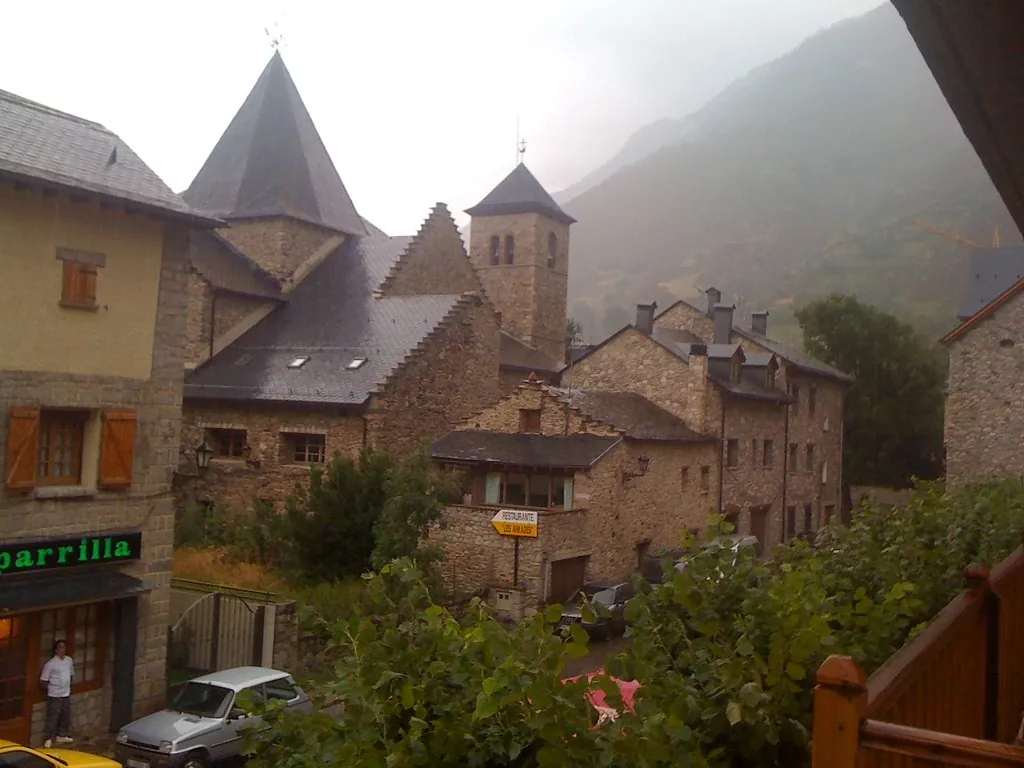
The landscape here doesn’t match the kind that fills calendars. There are no sharp, snow-capped peaks in the distance or viewpoints every few minutes. Monesma y Cajigar feels more like an old larder: restrained, practical, built to last. Stone houses with dark roofs, kitchen gardens pressed up against walls, and streets that still show the village was shaped for work rather than display.
The municipality gathers barely seventy residents spread across several small settlements. That alone sets the rhythm. It is the kind of place where, by mid-afternoon, the wind is often louder than passing cars.
A Village Built for Everyday Living
At the centre stands the church of San Pedro, modest and without fuss. It has a small nave, thick walls of local stone, and a simple apse. It’s easy to picture it in winter with just a handful of people inside and the echo of footsteps filling the space. Nothing monumental, more like a practical object that has stayed in use for generations.
Walking through the streets reveals large gateways, the occasional coat of arms on a façade, and houses that seem to hold up against time in the way old jackets do, still hanging behind the door because they continue to serve their purpose.
Step beyond the main cluster and the way of life becomes even clearer. There are bordas, traditional rural buildings used for storage or livestock, along with stables and old granaries. Everything points to a time when the calendar followed harvests and herds. There is no decoration aimed at visitors. It feels closer to stepping into a working agricultural store than wandering through a staged setting.
Paths Through a Working Landscape
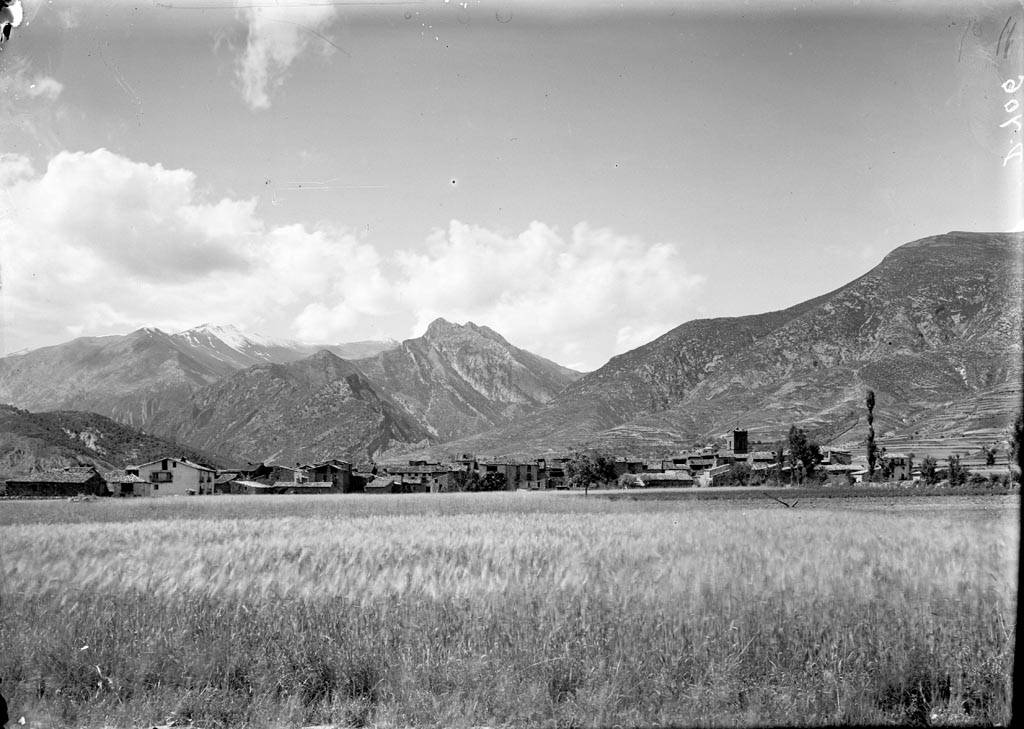
The surrounding area sits in mid-mountain terrain, where oaks and some beeches mix with open fields. It is not a dense, picture-perfect forest. Instead, it is uneven and grounded.
Paths leave the village in the same way shortcuts run between allotments, the kind you learn as a child. Some slope down towards old grazing land. Others slip into damper ground beneath the trees. Signposting is not guaranteed. Often these routes look like simple tracks formed by daily use rather than planned trails.
Autumn changes the tone completely. The ground fills with dry leaves and the colours shift to ochre, much like a field that changes shade just days after being cut. It is also mushroom season in the nearby woods, though gathering tends to be done quietly and with care rather than turned into a public attraction.
Walk in silence and there is a good chance of spotting a roe deer darting between the trees. Wild boar are also present, though they tend to leave more signs than sightings. Overhead, jays and thrushes move through the canopy, their calls carrying across the slopes.
Eating and Everyday Supplies
It is worth arriving with some planning. In places this small, services are limited and often tied more to the daily routines of residents than to fixed opening times.
That said, local products do appear. Honey, vegetables from nearby plots, cured meats prepared at home, and cheeses from small-scale producers in the surrounding area can all be found. It works a little like visiting a relative in the countryside and finding something unexpected brought out from the pantry.
Food here does not revolve around tourism. It simply accompanies the agricultural life that still continues in the area.
Festivities and the Rhythm of the Year
The social calendar moves naturally with the seasons. During the warmer months, patron saint festivities and neighbourhood gatherings take place, mixing religious acts with shared meals or simple dances in the street.
There are no stages or elaborate setups. It feels closer to a summer gathering among neighbours than an event designed to draw visitors from elsewhere.
Winter brings a quieter atmosphere. Christmas is usually marked in a family-oriented way, with neighbours meeting and some celebration in the church. Public activities do happen, but on a small scale, often linked to agricultural traditions or local meetings.
Getting There and What Awaits
From Huesca, the usual route heads towards Graus before continuing along regional roads into the area of Monesma y Cajigar. The final stretch has the feel of a secondary road where it makes sense to drive calmly. There are bends, the occasional uneven patch, and narrower sections.
Nothing extreme, but it resembles those roads where two drivers slow down as they pass each other, almost as if they recognise one another.
The most suitable time to come tends to run from spring to early autumn. Spring brings an intense green to the landscape. Summer days can be warm, but evenings cool noticeably. In autumn, colours shift again and the hills become busier with activity linked to mushrooms.
It is sensible to bring what is needed before arriving. The village continues to function primarily for those who live there. Visitors simply step into that existing rhythm for a while.
And that, perhaps, is the point of Monesma y Cajigar.