Full Article
about Almuniente
Hide article Read full article
A morning shaped by the land
At nine in the morning, a cool breeze moves across the cereal fields surrounding Almuniente. That first moment of the day says a lot about the place: a wide, open horizon, pale soil, and a quiet broken only by tractors starting up or a lark lifting from the stubble. As the sun rises, the landscape shifts quickly and the golden tones of the fields begin to fade towards a much lighter, almost white hue.
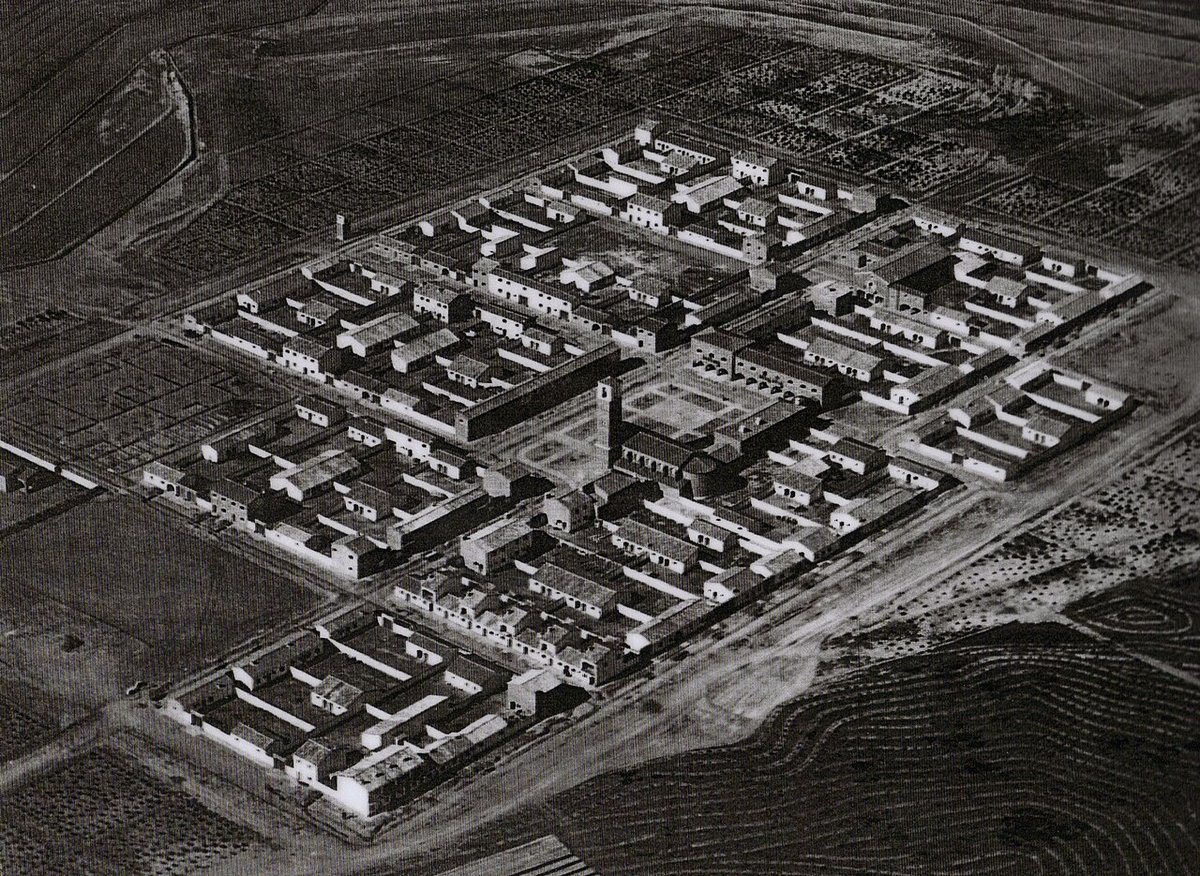
Almuniente sits in the comarca of Los Monegros, in the province of Huesca, with just under five hundred residents. Life here still follows the pace of agriculture. There are no grand urban gestures or streets designed for wandering without purpose. Houses face the land more than they do visitors. Older buildings combine stone, brick, and occasional adobe, with large gateways once built for carts and now sometimes used by cars or farm machinery.
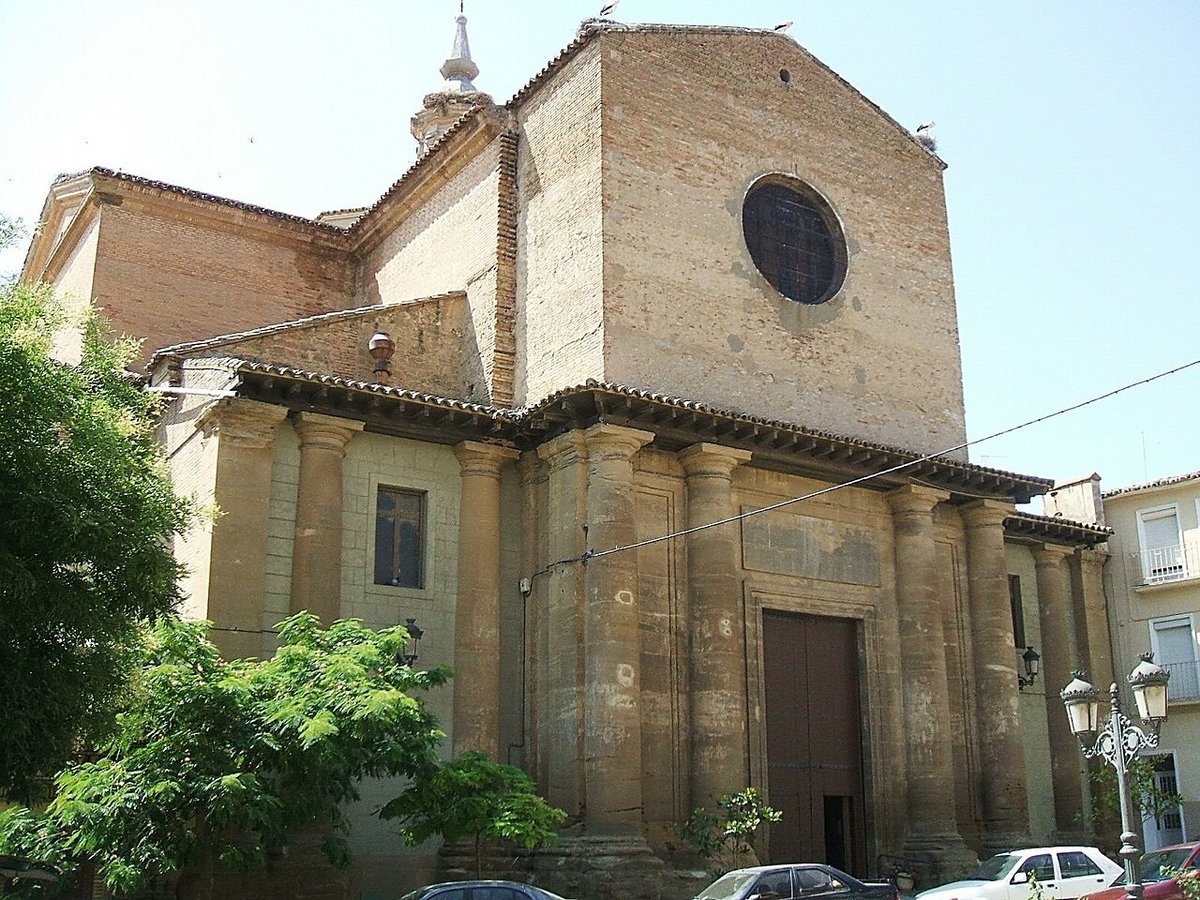
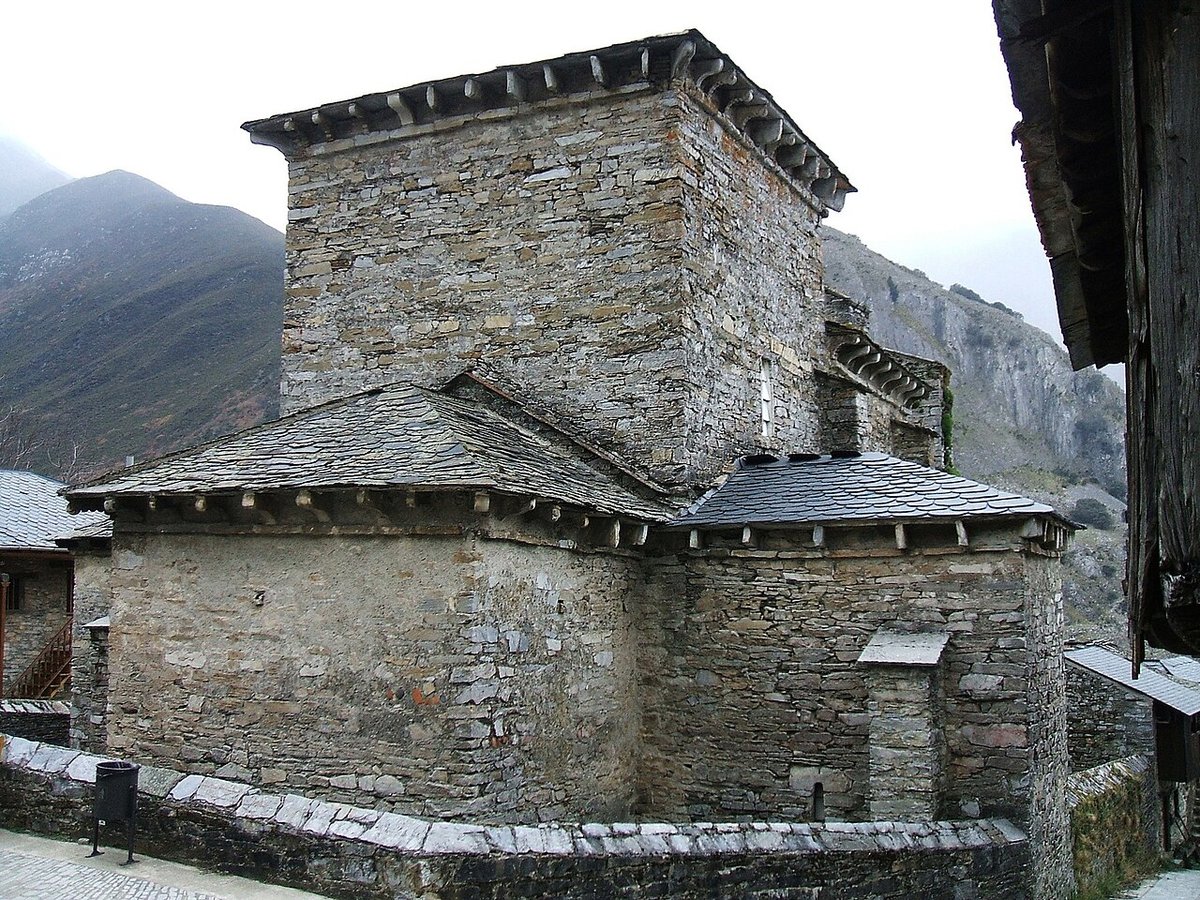
At the centre stands the parish church, a clear visual reference from almost anywhere in the village. Its tower is solid and restrained, rising above the low rooftops. In the early afternoon, when the sun drops from the west, the façade takes on an ochre tone that echoes the surrounding fields.
Through the streets of the village
The urban area is compact and easy to explore on foot. Streets are simple in layout, some narrow, others opening onto small squares where a bench or a tree offers shade during the hotter months. Several façades still display wrought-iron balconies and arched doorways, traces of earlier periods when the village had more activity.
It is best to walk here without rushing, especially towards the end of the afternoon. That is when people come out to their doorsteps, conversations drift from one side of the street to the other, and the heat begins to ease. The pace of the place becomes more visible then, shaped by routine and familiarity rather than by visitors passing through.
The character of Los Monegros
The landscape around Almuniente is unmistakably part of Los Monegros. Fields stretch out widely, mostly planted with cereals, alongside areas where the ground appears bare and cracked when rain has been scarce. It is not a lush setting, yet it can feel absorbing if you pause and watch how the light changes across the terrain.
After periods of rainfall, temporary pools or damp patches can form, attracting birds. This part of the comarca often hosts steppe species such as the sisón, a type of bustard, as well as different kinds of larks. Birds of prey are also a common sight, gliding overhead as they take advantage of air currents.
For anyone interested in birdwatching, early morning offers the best conditions. By mid-morning, especially in summer, the heat tends to reduce activity noticeably.
Rural tracks and working land
Several agricultural tracks lead out from the village into the surrounding fields. These are not marked walking routes or designed trails in the style of a natural park. They are working paths used daily by farmers.
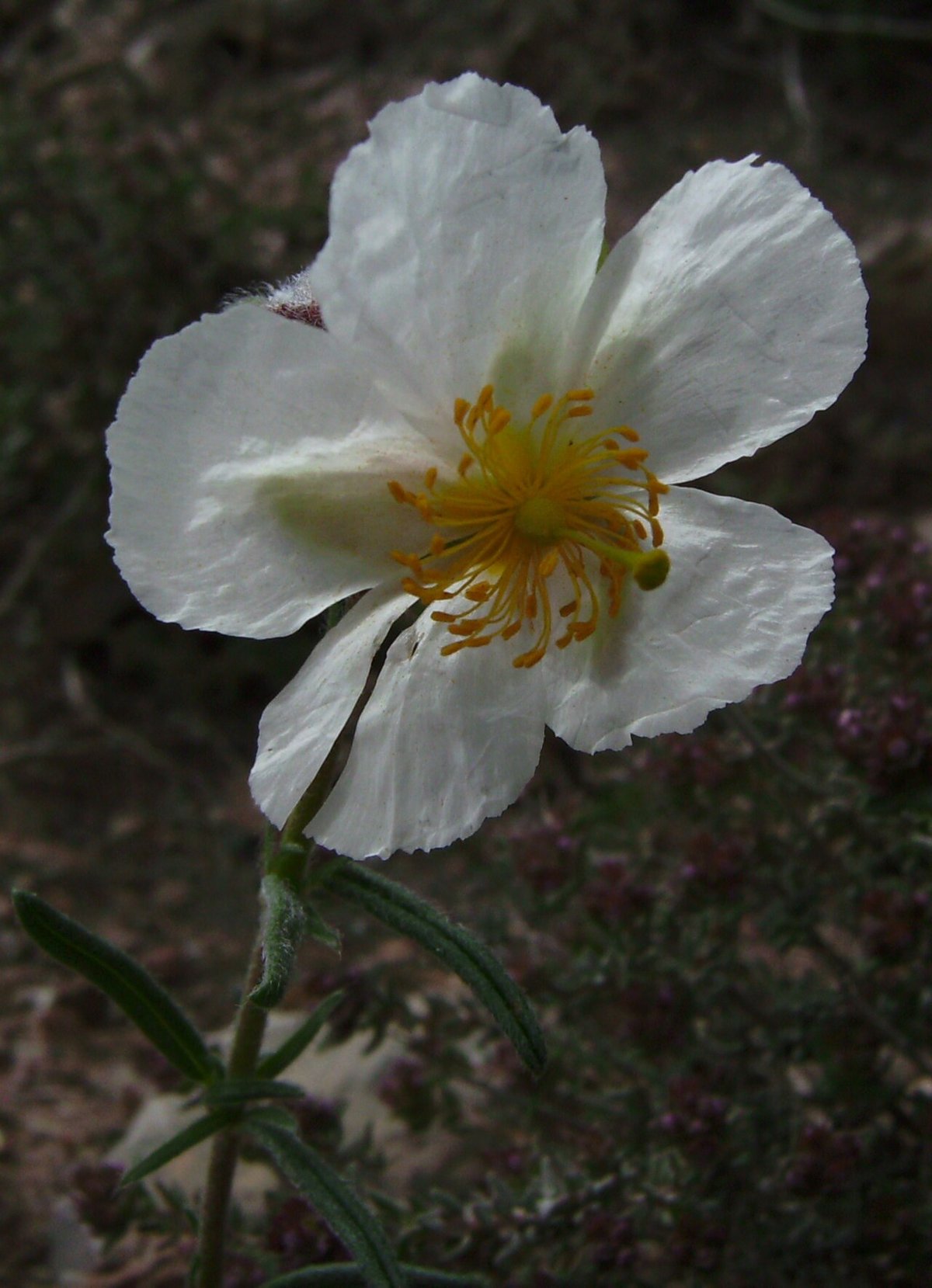
Walking or cycling along them gives a clearer sense of how this part of Aragón functions. The land is divided into large plots, with irrigation channels in certain stretches, and long rectangular fields that shift in colour as the seasons change. In spring, the green does appear, but it does not last long. When it does, the contrast with the pale soil around it is striking.
Anyone heading out along these tracks on foot or by bike should avoid the central hours of the day in summer. Shade is scarce and the heat is intense.
Food and local calendar
The cooking associated with this area reflects long days spent working the land. Dishes are filling and based on nearby produce. Lamb appears frequently in different preparations, and many households still make migas, a traditional dish based on fried breadcrumbs, or simple stews using seasonal vegetables.
The main village festivities usually take place in August. Many residents who live elsewhere return during this period, and the village becomes more animated. The programme includes religious events, music, and shared meals that often continue into the evening, once temperatures begin to drop.
Easter is also observed, though in a quieter way. Processions are small and fairly restrained, intended more for the local community than for attracting visitors.
Getting there and choosing your moment
Almuniente lies around forty kilometres from Huesca. The usual approach is along the A-129 towards Sariñena, followed by local roads that cross the open landscape of Los Monegros.
Spring and autumn tend to be the most comfortable times to visit. Summer brings strong heat, and the wind can easily lift dust from the dry ground. In the warmer months, arriving early or waiting until late afternoon makes a noticeable difference, as the light softens and the village settles back into quiet.