Full Article
about Capdesaso
Hide article Read full article
A village shaped by land and sky
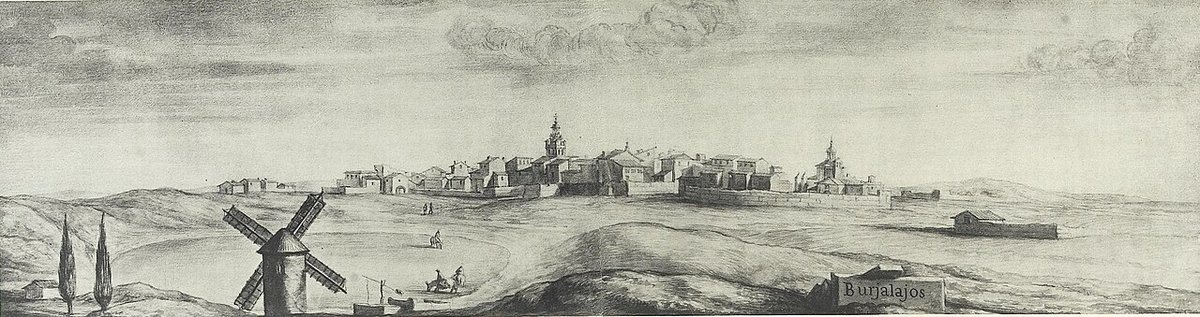
Capdesaso sits in the comarca of Los Monegros, in Aragón, within a landscape defined by wide plains and long, uninterrupted horizons. This is dry farming country, where fields depend as much on the climate and the wind as on human effort. With around 190 inhabitants, the village keeps the quiet scale typical of many settlements in Los Monegros: a handful of streets, low houses, and a direct relationship with the surrounding land.
That character is immediately noticeable. The layout is simple, and the buildings combine stone, brick and rammed earth, materials commonly used in rural architecture across the area. In several corners of the village, old corrals, agricultural stores and other working spaces still stand, reminders of a way of life that has revolved around farming for generations.
There is little separation between village and countryside here. The edges blur into fields, and daily life has long been organised around the rhythms of the land. Even today, the presence of working structures and open spaces gives Capdesaso a practical, grounded feel rather than a decorative one.
The church of San Pedro and village history
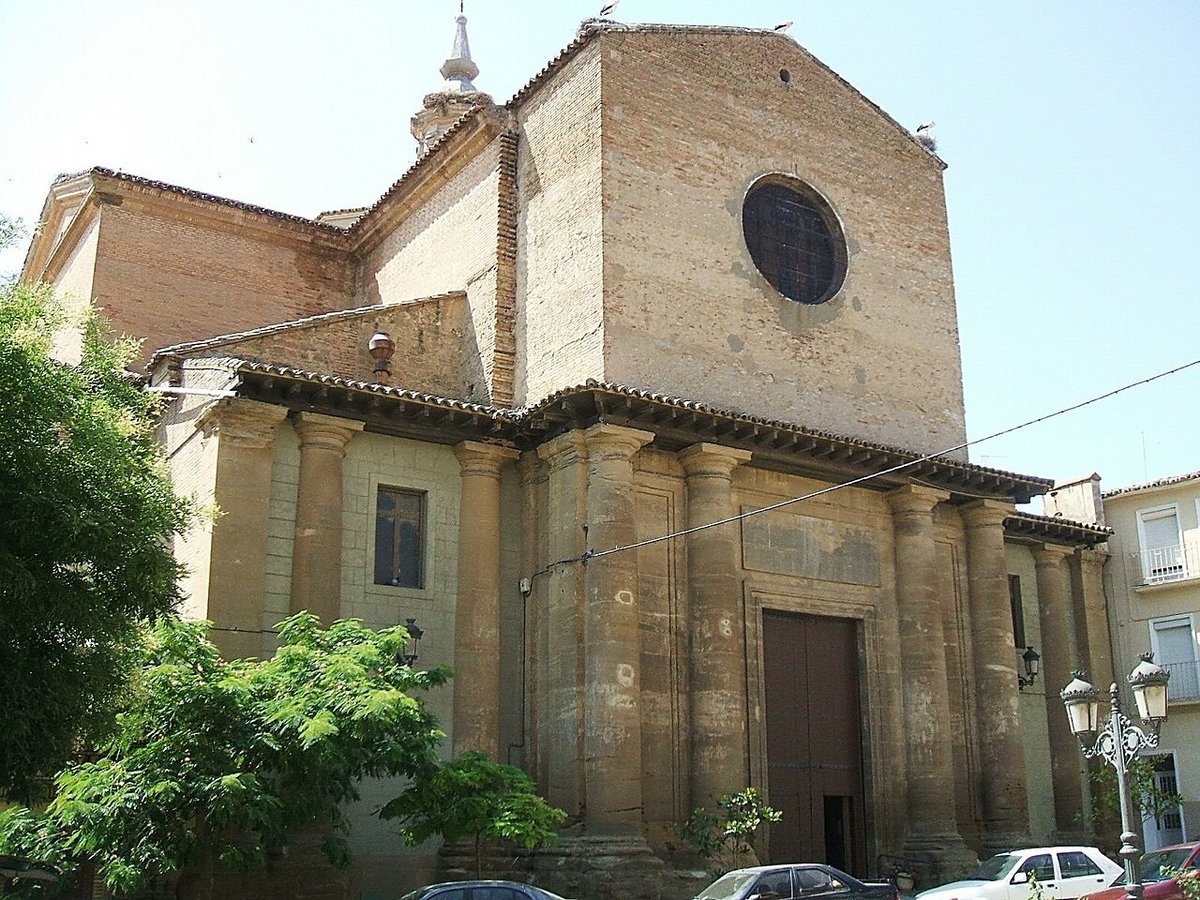
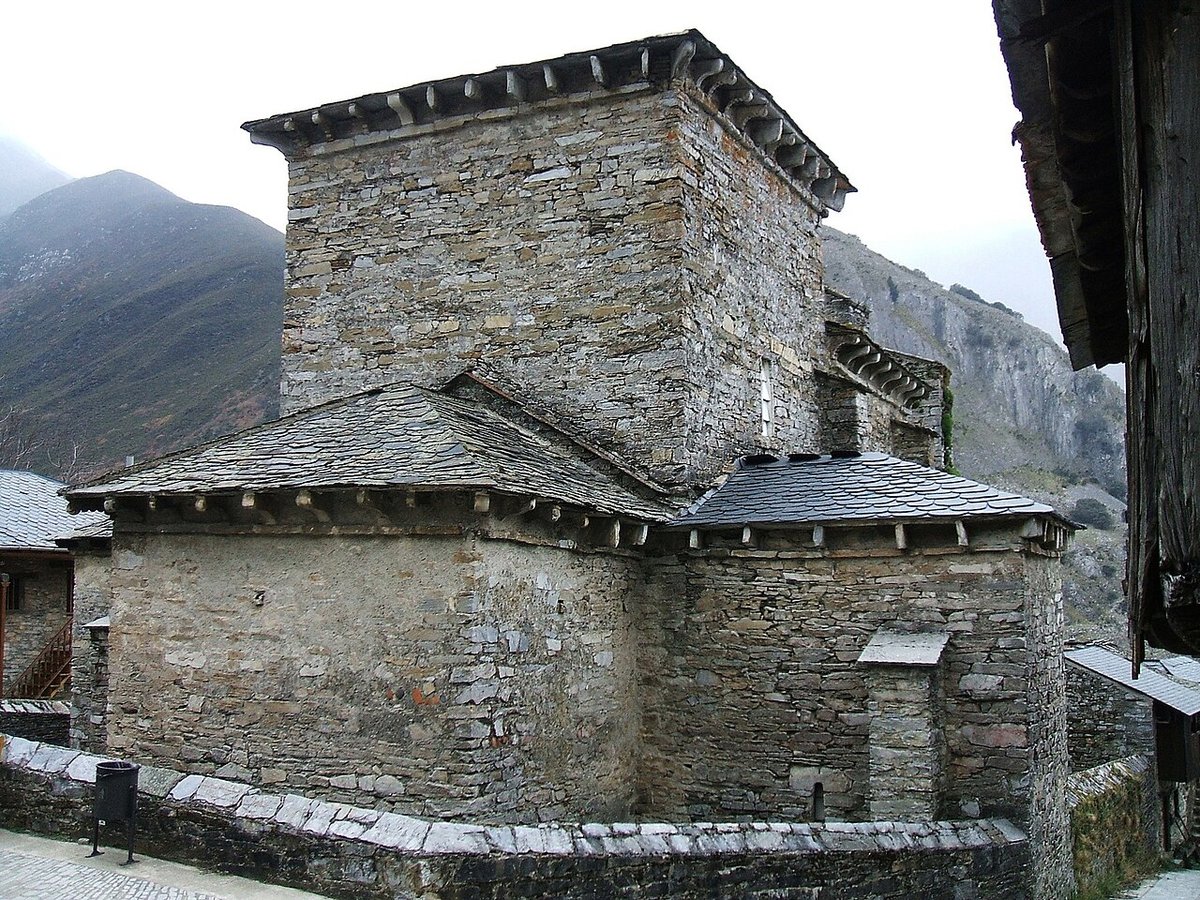
The main landmark in the centre of Capdesaso is the parish church of San Pedro. Its origins date back to the 16th century, although the building has undergone later alterations, which is common in rural churches that have been adapted over time to meet changing needs.
From the outside, the church is restrained in appearance, with masonry walls and a functional structure. It does not stand apart as a monumental building but instead forms part of the village fabric. Its presence is woven into everyday life rather than set above it.
Traditionally, San Pedro has been the main gathering point for the community. It has marked key moments in the local calendar, from religious celebrations to social meetings. In a village of this size, such spaces take on a broader role, serving not just spiritual purposes but also acting as a place where people come together and maintain shared routines.
Across the Monegros steppe
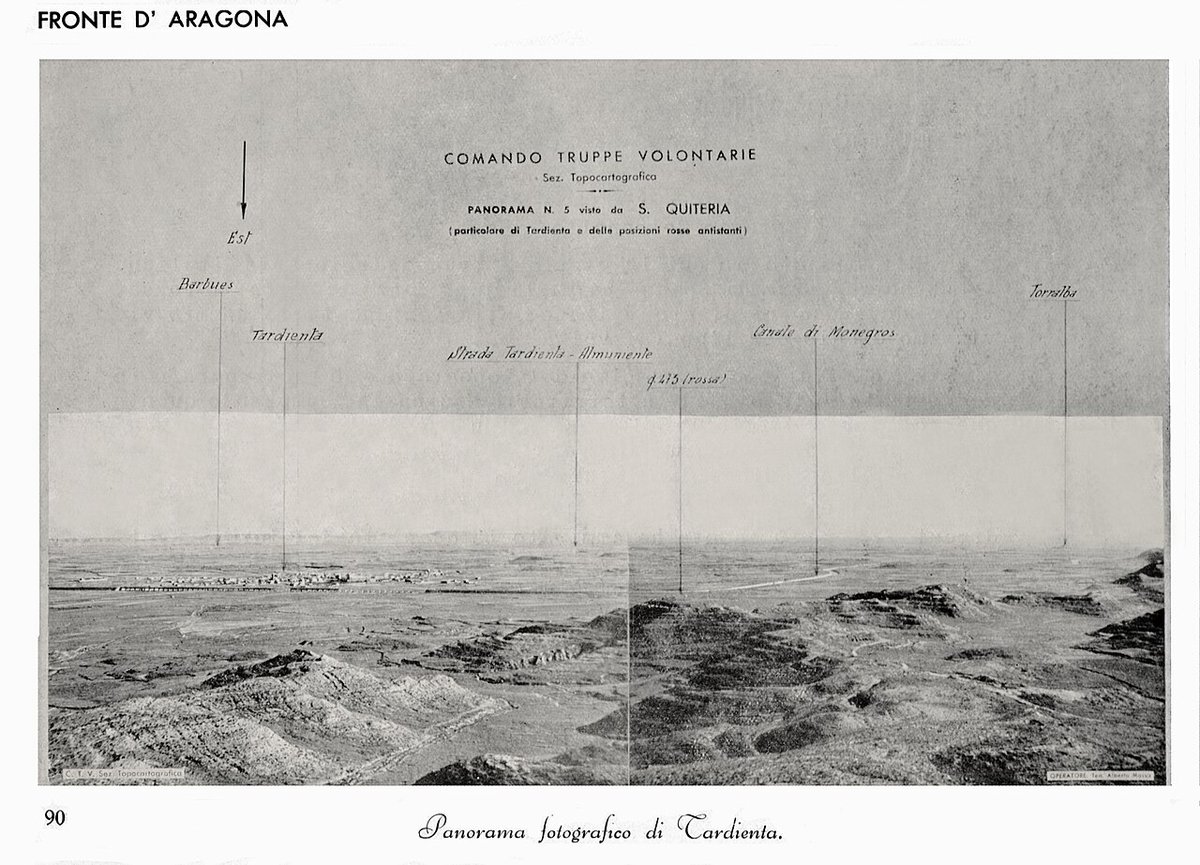
The surroundings of Capdesaso belong to the steppe landscape that characterises Los Monegros. At first glance, it may seem uniform, but moving through it reveals subtle changes: gentle undulations, shallow ravines and fields that shift in colour with the seasons.
Agricultural tracks extend out from the village, making it possible to explore the area on foot or by bicycle. These routes are part of everyday farming activity, yet they also open up the landscape to slower travel. Out in these open spaces, the soundscape is often defined by steppe birds such as larks and crested larks, whose calls accompany the quiet of the countryside.
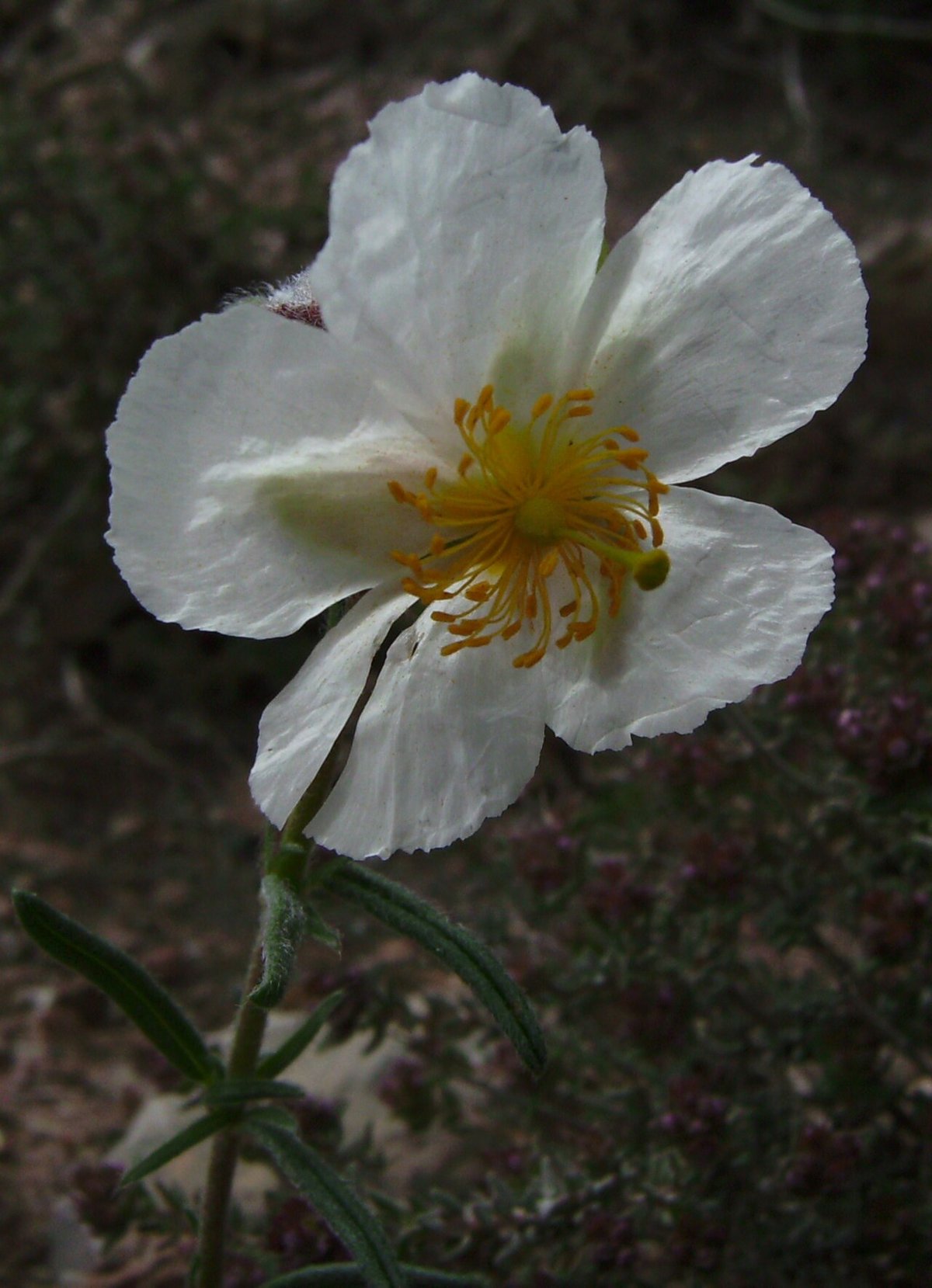
This is not a lush or densely vegetated environment. Its identity lies elsewhere, in its broad skies, low vegetation and particularly clear light. The sense of openness is constant, with few visual barriers between land and sky. That simplicity gives the area a distinct atmosphere, one that changes subtly depending on the time of day and season.
The absence of large nearby urban centres also has an effect after dark. On clear nights, far from strong artificial lighting, the sky becomes a central feature. The band of the Milky Way is often visible, stretching across the darkness with unusual clarity. In a place where the horizon is so wide by day, the night sky feels equally expansive.
Traditions that continue
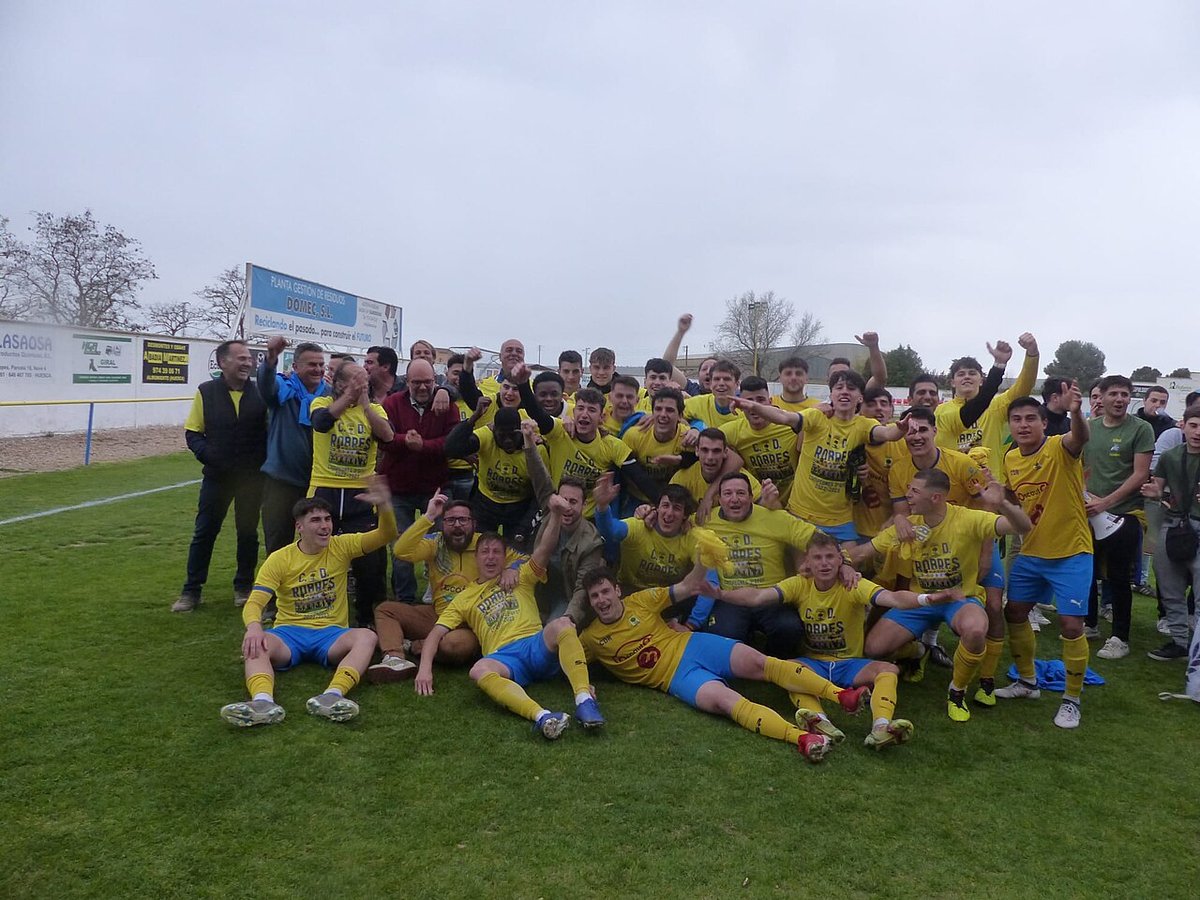
Local festivals remain key moments in the life of Capdesaso. They usually combine religious elements with shared meals and activities organised by residents themselves. In a village with such a small population, these gatherings are less about fixed programmes and more about bringing people together, many of whom have known each other for years.
The rhythm of these celebrations reflects a continuity with the past, where community ties are central. Participation tends to be collective, with neighbours contributing in different ways to maintain traditions.
Among older generations, memories persist of practices that are now less common, such as the winter pig slaughter. For decades, this was an important part of domestic economy and family life, tied to seasonal cycles and the need to preserve food. Although it is no longer as widespread, it remains part of the shared memory of the village and helps explain how people once organised their year around both work and survival.
Getting there and when to go
Capdesaso lies in the western part of Los Monegros, less than an hour by car from Huesca. The approach passes through agricultural land and small settlements, offering a gradual introduction to the landscape that defines the area.
Spring and autumn are usually the most comfortable times to walk in the surroundings. Summer can bring intense daytime heat, while in winter the cierzo, a strong, cold wind typical of the Ebro valley, is particularly noticeable in open areas.
Visitors should come prepared with water and sun protection, and with the understanding that services are limited, as is common in small villages across the comarca. The simplicity of Capdesaso is part of its identity, shaped by its environment and by a way of life closely tied to the land.