Full Article
about Monegrillo
Hide article Read full article
Light over the plains
Late in the afternoon, as the sun drops towards the plains of Los Monegros, the light seems to cling to the cereal fields around Monegrillo. The ground turns rough and golden, and the shadows of clouds, when they appear, drift slowly across the horizon. Tourism in Monegrillo often begins with that sense of open space, where most things happen at a distance and in near silence.
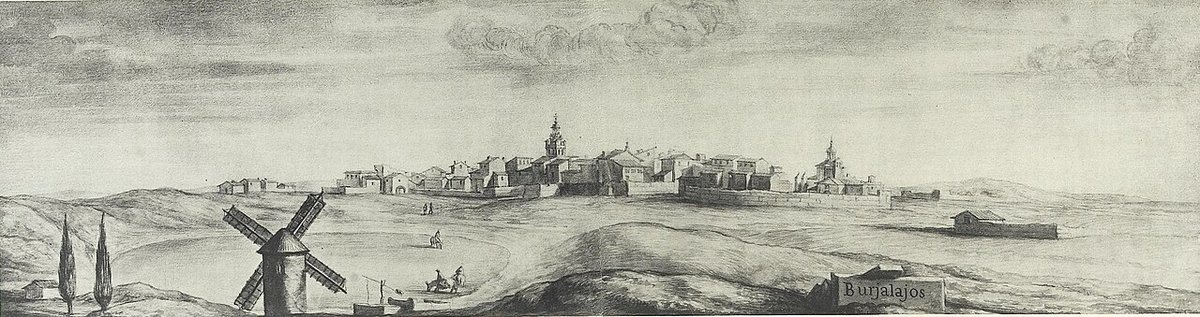
The village stands at around 437 metres above sea level and has roughly 378 inhabitants. It is not large and makes no attempt to be. From afar, it is recognised by the tower of its church and by rows of low houses built in adobe and pale brick, tones that closely match the surrounding land.
The calm here is not simply a lack of activity but a different way of measuring time. Winters tend to be dry and cold. In summer, the heat arrives early and the streets are almost empty by midday. The landscape shifts with the seasons: pale greens when the cereal begins to grow, ochres in autumn, and the intense yellow of June that signals the harvest.
A tower on the horizon
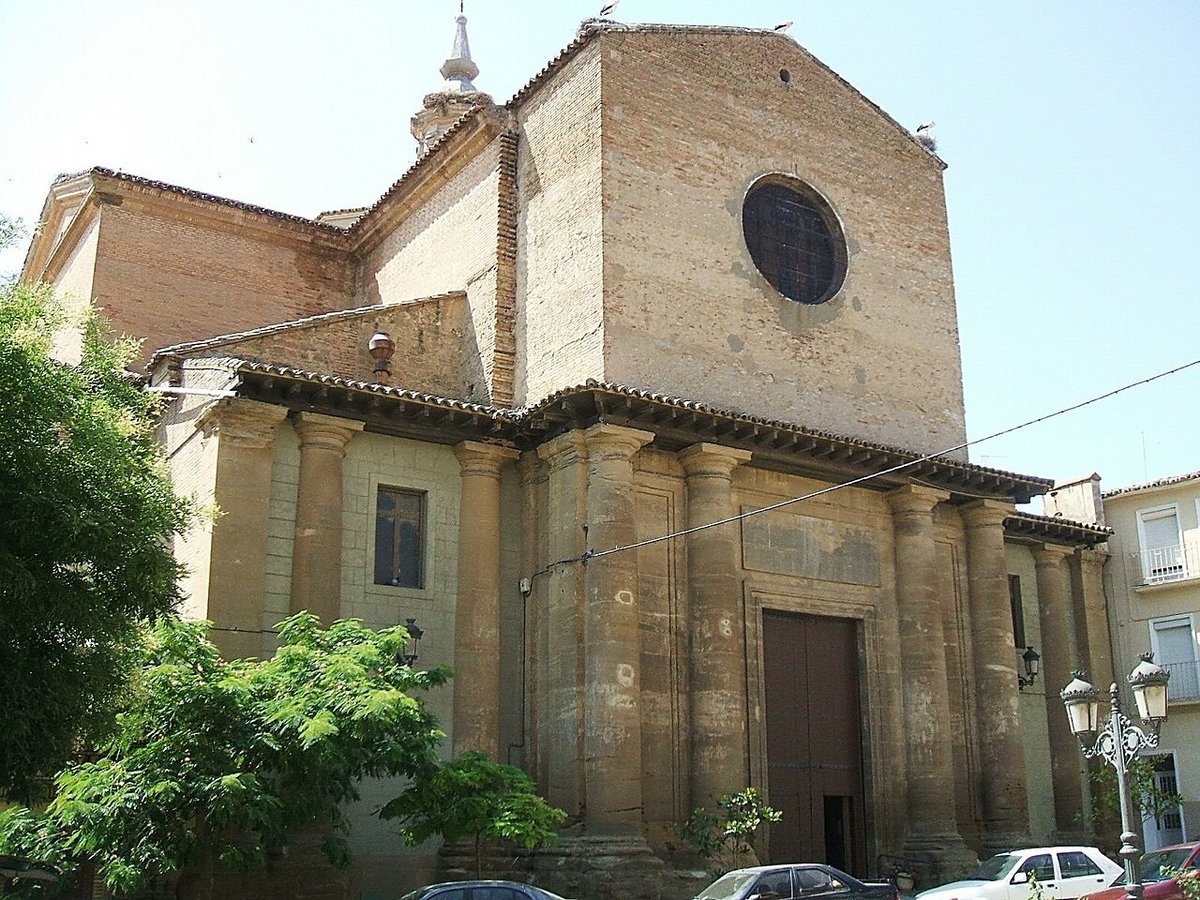
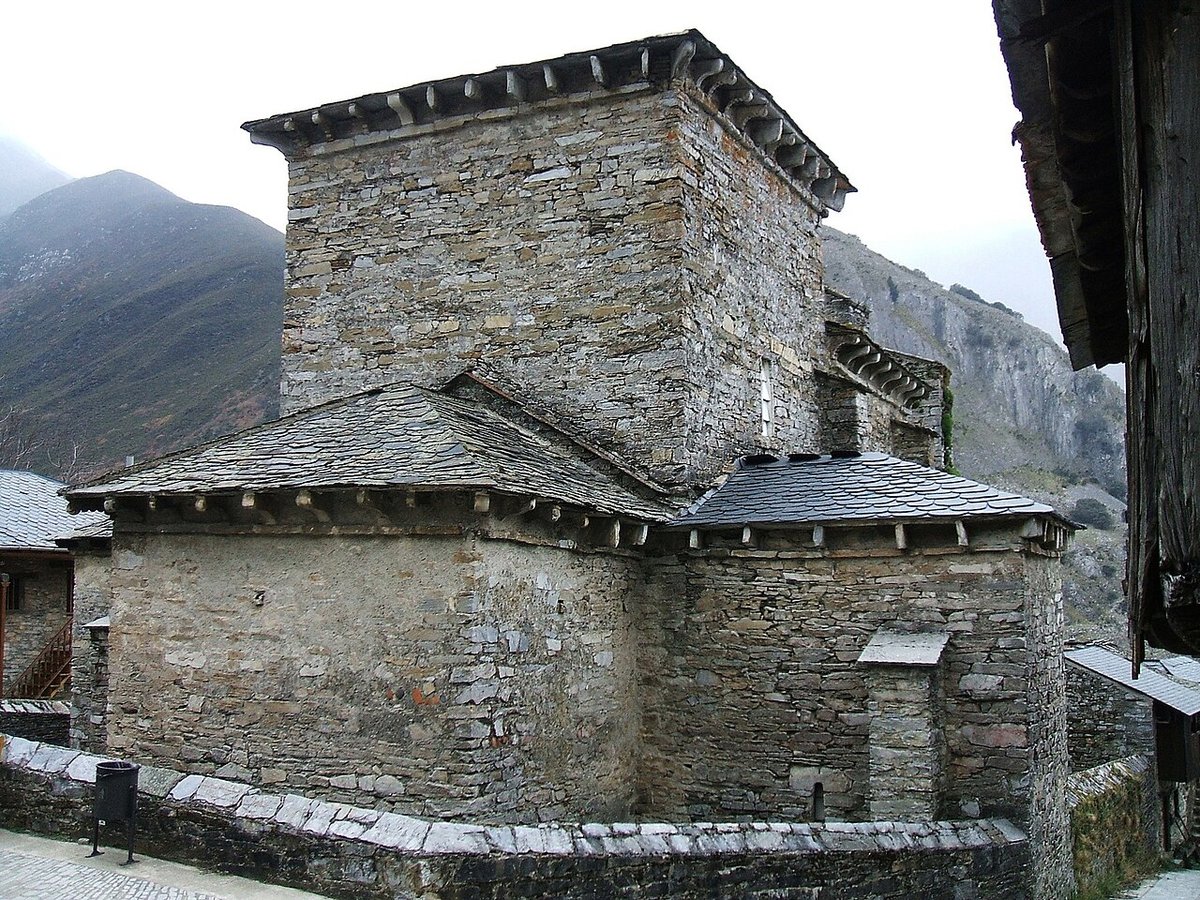
The parish church defines the village skyline. Its straight tower can be seen from the tracks that approach through the fields and works as a reference point when arriving by road. The building reflects different construction phases, something common in villages across the area, where changes have been added over time as needed.
The centre is compact and easy to walk without hurry. Narrow streets, some with gentle slopes, still show adobe façades and wide gateways once designed for carts or agricultural machinery. In places, the plaster has worn away, revealing the earthy texture beneath.
Walking through these streets feels direct and unfiltered. Doors open, voices carry from windows, a car engine crosses the square at a slow pace. This is not a staged rural setting but a place that continues to function on its own terms.
Tracks into the Monegros steppe
From the edges of the village, several agricultural tracks lead out into the steppe. There is no dedicated signage for walkers, so these routes are typically the same dirt paths used by tractors and locals heading to the fields.
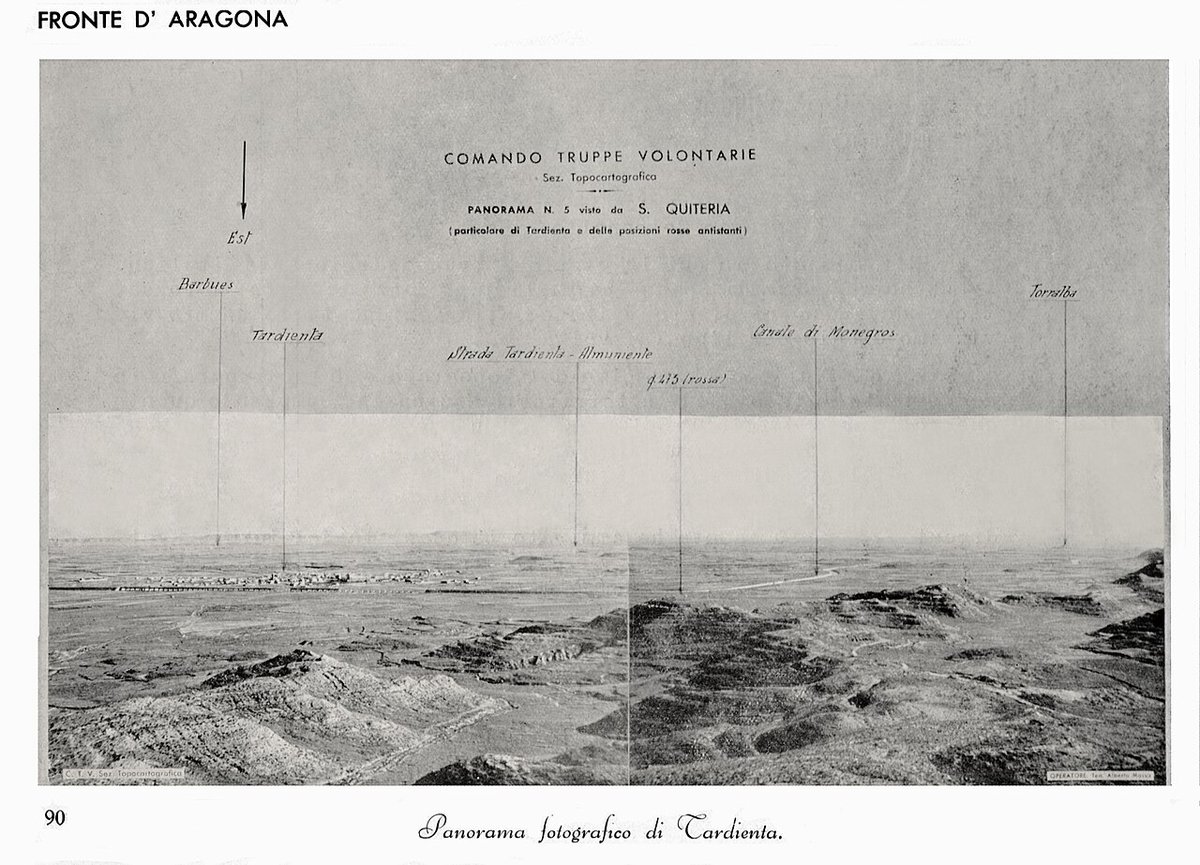
The landscape is wide and largely flat. In the distance, small hills rise just enough to break the line of the horizon and help with orientation. Moving at a steady pace, it is easy to hear skylarks or spot steppe birds crossing the low sky.
Two practical points stand out. In summer, the sun is strong from early in the day and there is very little shade, so setting out early and carrying enough water is sensible. When the cierzo wind blows, something quite common in the area, the perceived temperature can change quickly.
Food shaped by the land
The cooking that continues in Monegrillo is closely tied to what the surrounding land provides: cereals, pulses and lamb. Migas, a traditional dish made from fried breadcrumbs, still appear at family gatherings or on days of shared work. Slow-cooked stews remain part of a repertoire passed down through generations.
On certain occasions, homemade sweets are also prepared in large trays and shared among neighbours. These are the kind of recipes that belong to households rather than menus, repeated over time without much written record.
August and the return
Festivities usually take place in August, when the village briefly changes in size. Families who live elsewhere return, and the streets fill with conversations that stretch late into the night.
There are open-air dances, shared meals and activities organised by residents themselves. Rather than an event designed to attract visitors, it is an annual reunion that keeps connections alive between those who stayed and those who come back each summer.
Reaching Monegrillo
From Zaragoza, the usual route heads north along the A‑129 towards the area of Alcubierre, then continues along local roads that cross the Monegros landscape. The journey already hints at what lies ahead: open fields, pale tones in the soil, and villages that appear suddenly after a bend.
Spring and autumn are often the most comfortable times to explore the area on foot or by car, with milder temperatures and a little more colour in the fields. Summer can be intensely hot, although the nights, under the clear skies of Los Monegros, bring a very different kind of calm.
Monegrillo does not rely on major monuments or striking attractions. What defines it is something else: horizon, wind and the sense that the landscape holds more presence than the village itself. For some, that is exactly the point.