Full Article
about Robres
Hide article Read full article
A landscape that sets the tone
Wind moves across the loma de las Papas, carrying the scent of turned soil and dry grain. From here, tourism in Robres begins with a very simple image: a flat, extended horizon, almost uninterrupted, where the midday sun traces every furrow in the fields. The line of the landscape barely shifts, broken only by the occasional encina and scattered olive groves, dark against the pale earth of Los Monegros. Everything feels open, exposed to the sky, with little in the way of ornament.
About 50 kilometres from Huesca, following the A‑129 and then a smaller regional road that cuts into the plain, Robres appears suddenly after a series of gentle, cultivated rises. The journey itself sets the mood. In spring, the edges of the fields often fill with poppies and tall grasses moving in the steady wind. By autumn, colours turn to muted ochres and dry browns. For long stretches there is barely any traffic, and the most noticeable sound is the car moving over rough tarmac.
The village and its streets
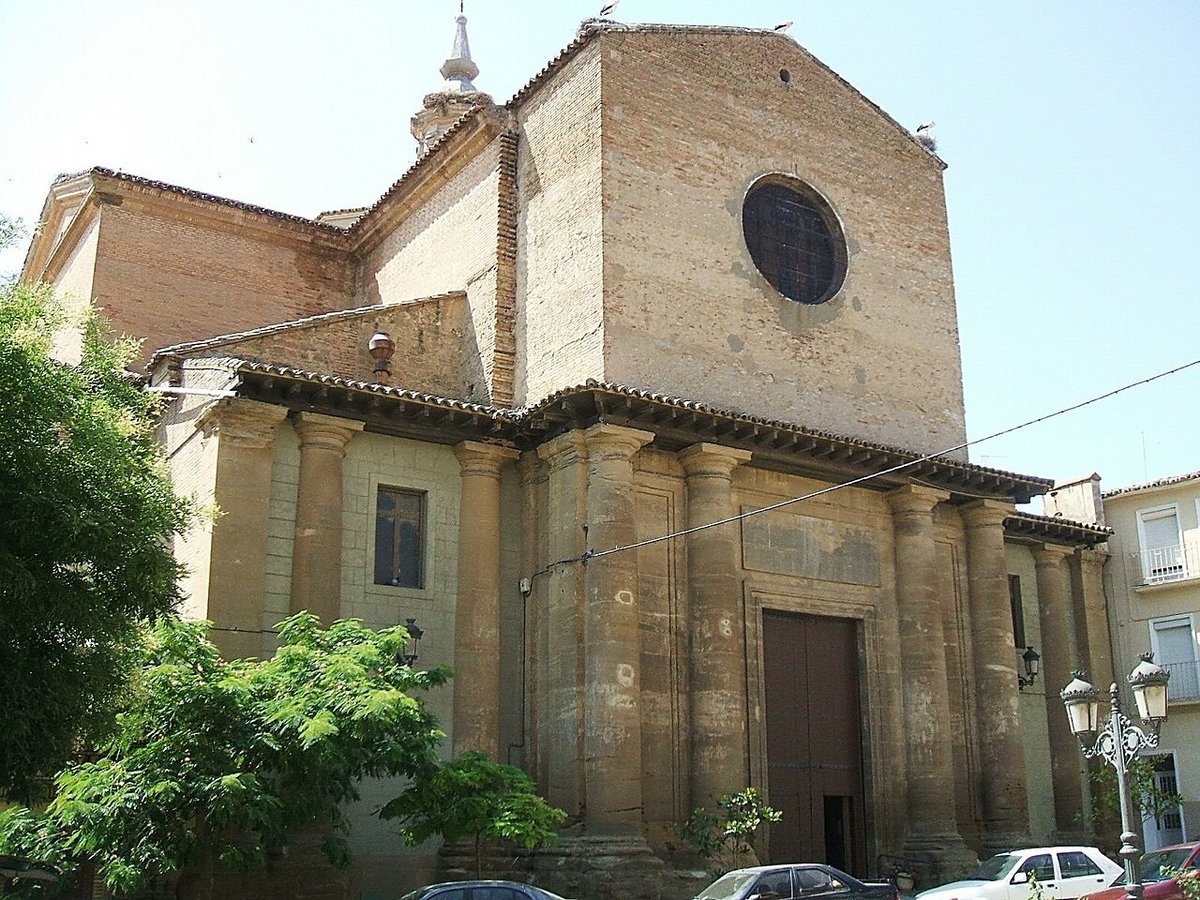
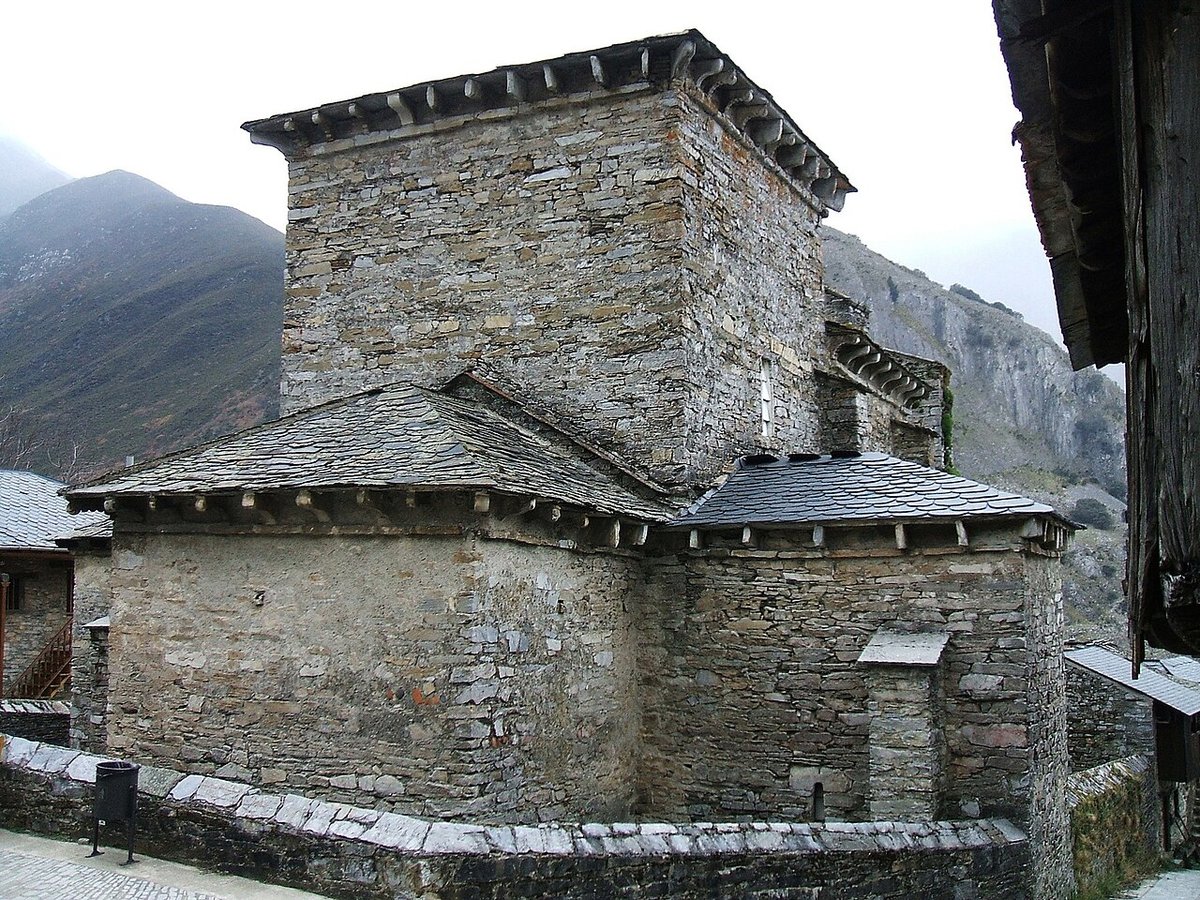
Robres has around five hundred inhabitants and moves at a calm pace, even on weekdays. The church of San Miguel Arcángel stands at the centre of the town, with plain stone walls and a tower that rises above the low rooftops. There are no grand architectural gestures, yet the solidity of the building suggests how many generations have passed through this place.
The streets combine old stone, brick and more recent renovations that try to respect the original layout. Some façades still have wide, dark wooden doorways, once designed for carts, alongside iron grilles that cast long shadows in the late afternoon. Carved stone coats of arms can be seen here and there, as well as former barns that now serve different purposes while keeping their thick beams, slightly warped by time.
A rhythm shaped by agriculture
Walking through Robres in the middle of the morning means hearing garage doors opening, a trailer starting up slowly, and short conversations on the pavement. Part of the village remains closely tied to the land, especially cereal farming and livestock, and this continues to shape daily life.
After a spring storm, the smell of damp earth lingers between the houses for hours. In summer, the opposite happens: dry air arrives from the fields and lifts a fine dust that finds its way through every gap. Small details like these explain the place more clearly than any information board.
Tracks, fields and steppe
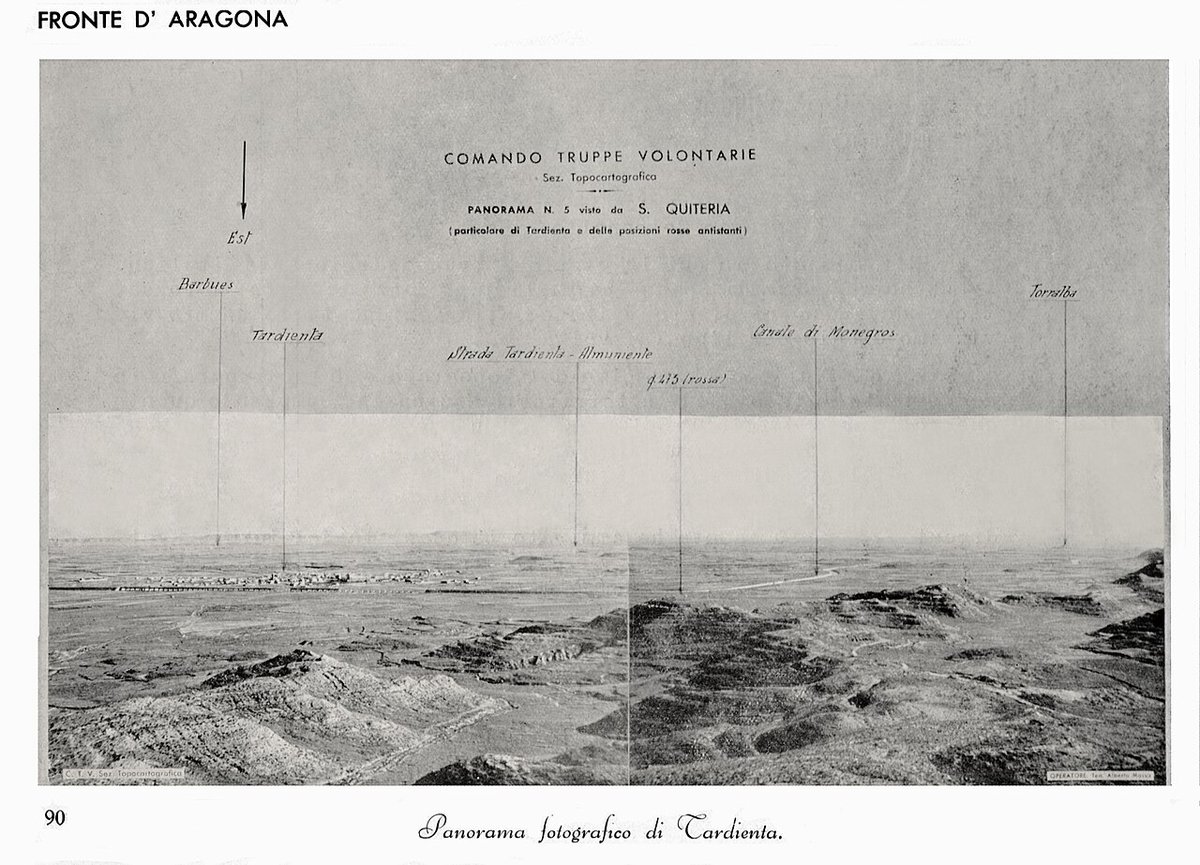
The surroundings of Robres reflect the open character of much of Los Monegros. It is not a dramatic landscape in the usual sense, but it is distinctive: gentle hills covered with thyme, esparto grass and shrubs, alongside plots of wheat and barley that shift in colour as the year advances.
There are many agricultural tracks that allow for walking or cycling between the fields. Signposting is not always clear and some paths split several times, so it helps to check the route beforehand or ask in the village. Locals usually know which tracks remain in good condition and which ones fade out among the crops.
Those interested in birdlife tend to set out early here. The Monegros steppe is home to species such as the ganga ortega and the sisón, though spotting them requires patience and keeping some distance from built-up areas. Early morning and late afternoon are usually the quietest times.
The light of Los Monegros
Photography finds a natural ally here in the sky. On many days it stretches completely clear, with a hard light that emphasises even the smallest contours of the terrain. At other times a thin veil of dust softens the colours and gives the landscape a more muted tone.
As evening approaches, shadows stretch far across recently cut fields, and the dirt tracks take on a reddish hue that lasts only a few minutes. It is brief, but revealing, offering a sense of how this agricultural steppe in Aragón works.
Local life and seasonal moments
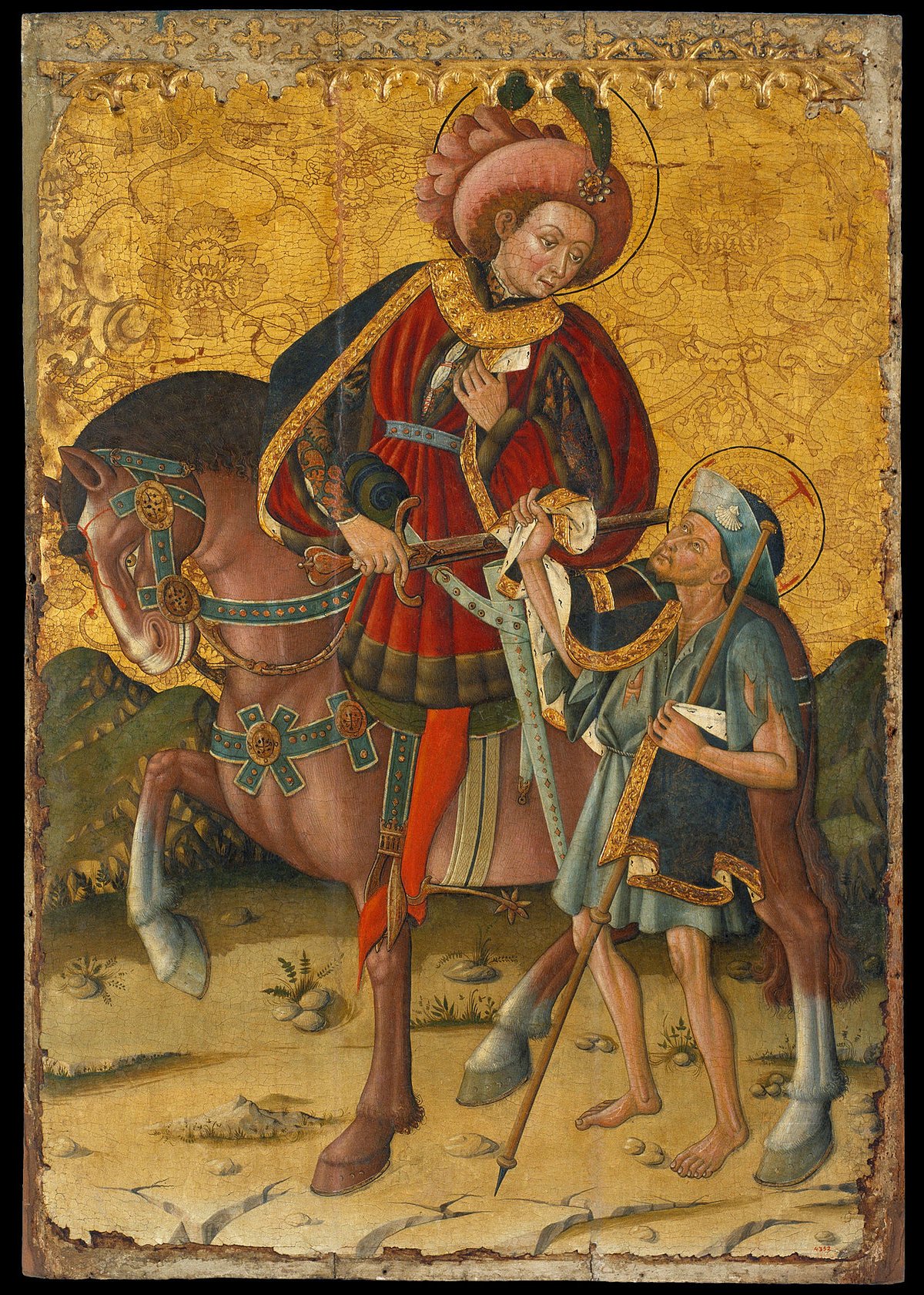
Village celebrations tend to centre around San Miguel, at the end of September, when the strongest heat has passed and the atmosphere becomes more comfortable. Around that time, many residents who live elsewhere during the rest of the year return, and for a few days the village regains a level of activity that is less visible in winter.
Throughout the year there are also events organised by local associations or the town council, often linked to traditional food or community gatherings. These are not occasions designed to draw large crowds, but rather meetings that maintain continuity between those who live here and those who come back from time to time.
When to come
The climate strongly shapes any visit to Robres. In high summer, the sun falls heavily on the plain, and conditions can feel intense under the open sky.