Full Article
about Sena
Hide article Read full article
A quiet start on the plain
The smell in Sena’s plaza at dawn is dry, like baked clay and straw. The sun hasn’t cleared the low roofs yet, and the only sound is the scrape of a metal shutter opening. A man in a flat cap walks towards a tractor, its engine coughing to life. This is the hour when you can feel the width of the sky.
Sena sits in Los Monegros, in Aragón. Around four hundred and ninety people live here. The streets are short, laid out for utility, not for strolling. The houses are built from what the land provided: stone, adobe, a pale render that glares under the midday sun. You’ll see wide doorways, built for carts, now holding cars or stacks of firewood.
Around the church of San Pedro
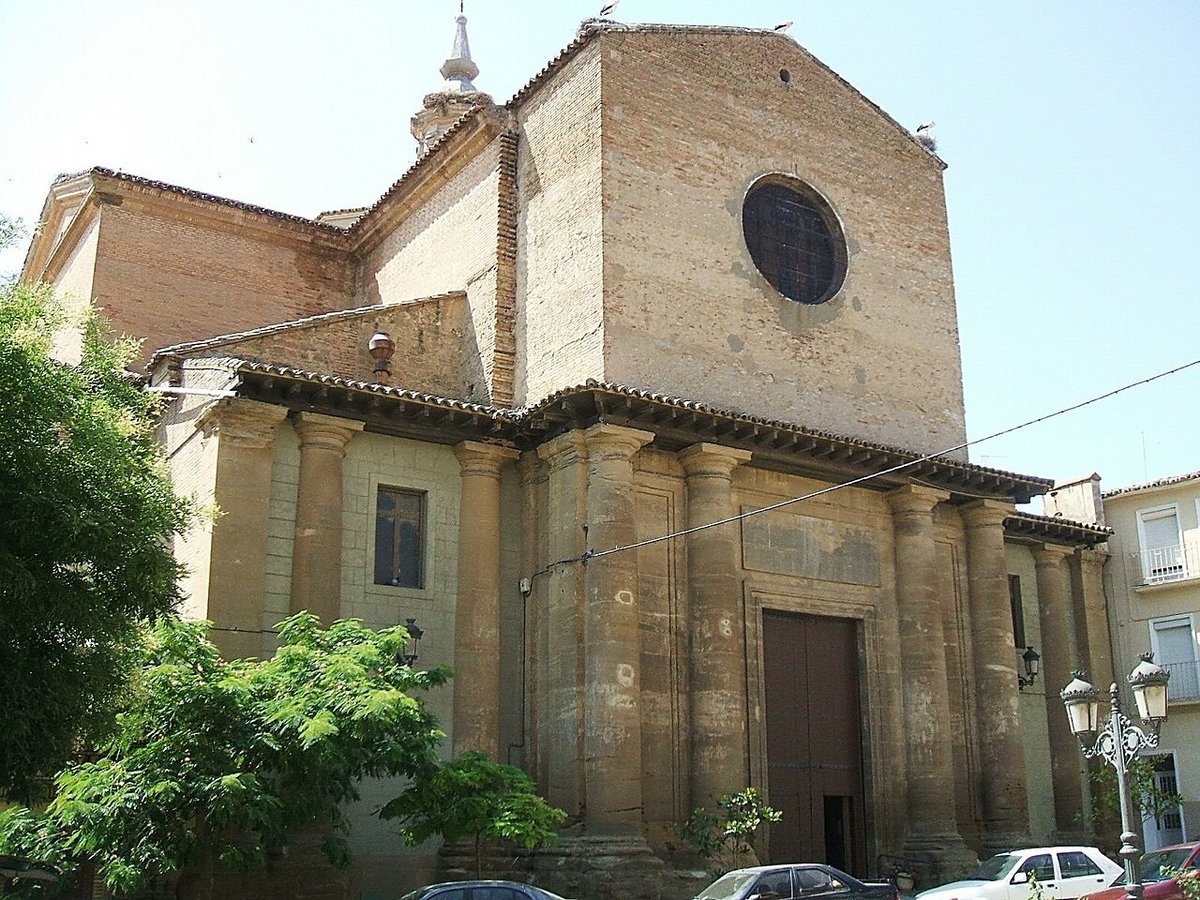
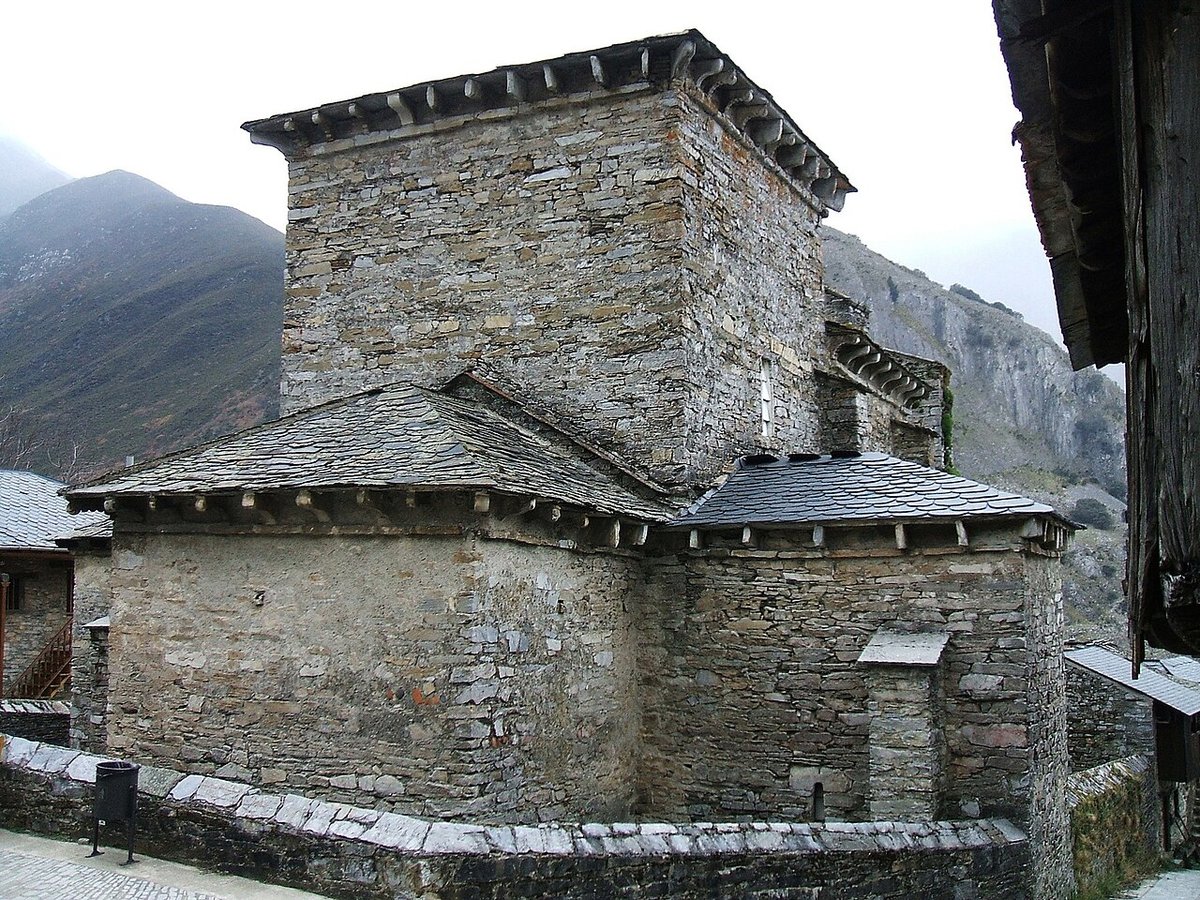
The tower of San Pedro is your landmark long before you arrive. It’s a 16th-century church, modified over time, with the thick walls and sober look common in these parts. The stone is the colour of dust.
The older lanes huddle nearby. Walking without a map is the point here. You pass stone doorways worn smooth by generations, catch glimpses of interior patios through open gates, see façades where crumbling plaster shows older layers of brick or stone. There’s no grand monument to find. The history is in these quiet, material details.
The immediate step into the fields
You leave Sena abruptly. One moment you’re on the last street of compacted earth, the next you’re facing an expanse of field. There’s no buffer zone. It’s all wheat, barley, or fallow land, its colour dictated by the season.
In spring, it’s a low green sea that ripples in the wind. By July, it’s a bleached gold, and the heat pulls a haze of fine dust from the farm tracks. Come autumn, it turns ochre, then brown. Winter strips it bare, leaving the earth cracked under a light so clear it hurts your eyes.
This apparent emptiness is what preserves it. The vast, open fields are why steppe birds—sisones, gangas, alcaravanes—still nest here. You might see them at the edges of ploughed plots if you walk quietly and keep your distance.
Walking the farm tracks
The dirt tracks that fan out from the village are working roads for tractors. They run straight for kilometres between fields. Walking them has a meditative rhythm: the crunch of gravel underfoot, the constant hum of insects in summer heat, the sudden whirr of a partridge taking flight.
Avoid these walks in the middle of the day from June to August. The Monegrino sun is relentless and shade is non-existent. Go at first light or late afternoon. The temperature drops, the light turns long and amber, and the landscape seems to breathe.
A place for watching birds
Bring binoculars and patience. You’ll see kestrels hanging on thermal currents, scanning the ground. Harriers glide low over the stubble. At dawn and dusk, flocks of larks move like low clouds over the fields.
There are no hides or signposted routes. You just find a quiet spot off the track, sit on your heels, and wait. The wind carries their calls from surprisingly far away.
What comes from the land
The food here is shaped by scarcity and cycles. Lamb from local flocks is common, often roasted simply. Vegetables are what grows in nearby huertos: peppers, tomatoes, courgettes in season. You’ll find dishes based on bread and flour—migas, tortas—born from a need to use everything.
Don’t expect elaborate menus or innovation. The cooking is straightforward, done in wood ovens or heavy pots, tasting of the ingredients themselves.
Practicalities: light and heat
The village festival for San Pedro usually happens in summer. The pace changes then; people return from elsewhere, there’s noise in the streets late into the night, and communal meals are held.
For walking the plain comfortably, aim for spring or autumn. The temperatures are milder and the light is extraordinary.
The drive from Huesca takes you along secondary roads through the geometric heart of Los Monegros. If you walk out onto those tracks, take more water than you think you need, a wide-brimmed hat, and sunscreen. The sky is immense and shelter is rare. When the wind picks up, it moves through miles of wheat with a sound like static.