Full Article
about Torralba de Aragon
Hide article Read full article
A village in the open plains of Los Monegros
Tourism in Torralba de Aragón begins with its setting. The village sits within one of the most austere landscapes in Los Monegros, a region in Aragon known for its wide, open plains. Fields stretch out in every direction, shaped over centuries by wind and dryness. At around 380 metres above sea level and with just over a hundred residents, this is a place where daily life still follows the rhythm of agriculture.
Torralba forms part of a network of small settlements that took shape during the Middle Ages, after the Christian expansion southwards. At that time, the territory became part of the Kingdom of Aragon, and many villages in Los Monegros emerged as agricultural centres tied to dry farming. That logic remains intact today. The village is compact, surrounded by land used mainly for growing wheat and barley.
Streets shaped by climate and work
The layout of Torralba de Aragón reflects its history and environment. The streets are narrow, designed less for traffic and more as protection against the persistent wind. Buildings are constructed with a mix of masonry and brick, practical materials suited to local conditions.
Many houses still display large gateways on their façades. These openings hint at their agricultural use, originally built to accommodate tools, animals or later machinery. Over time, homes have adapted alongside changes in farming, yet their outward appearance continues to reflect that working past.
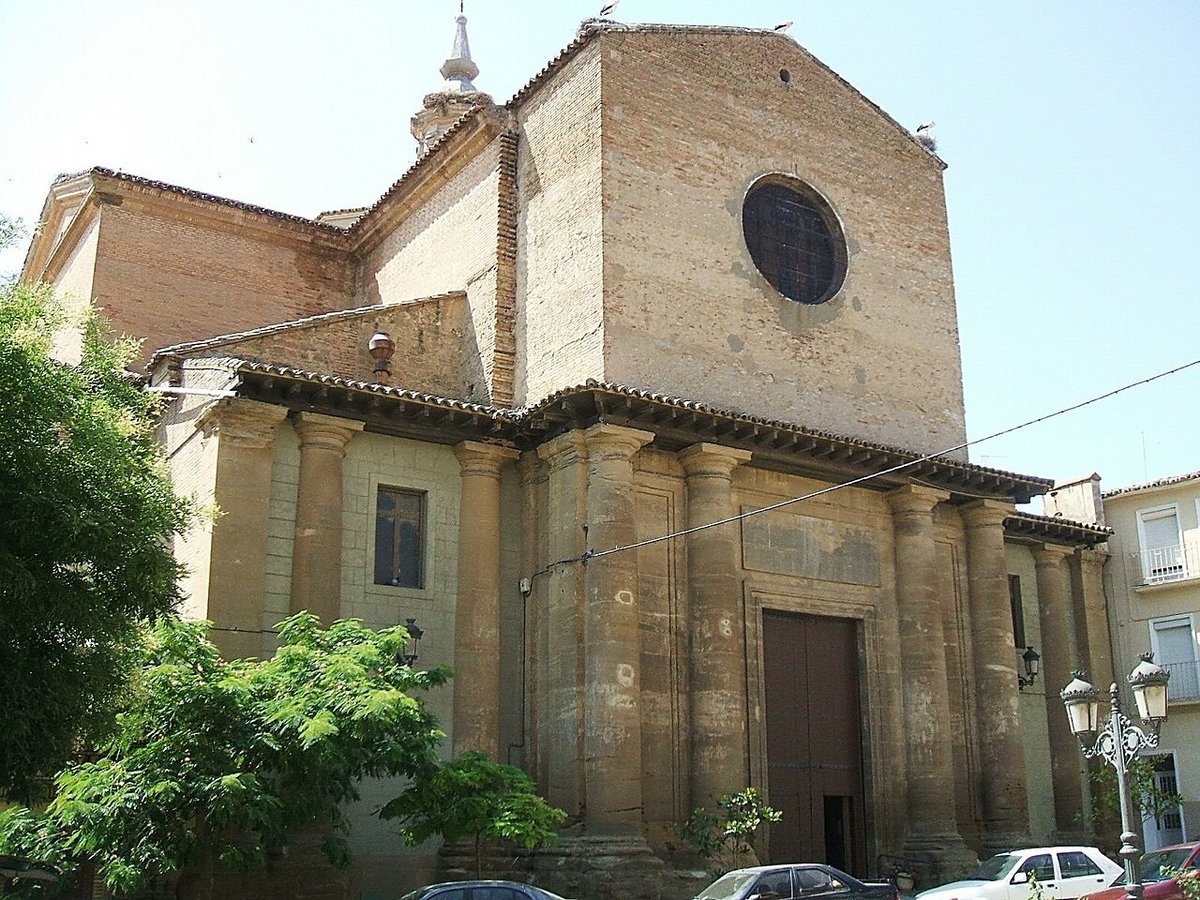
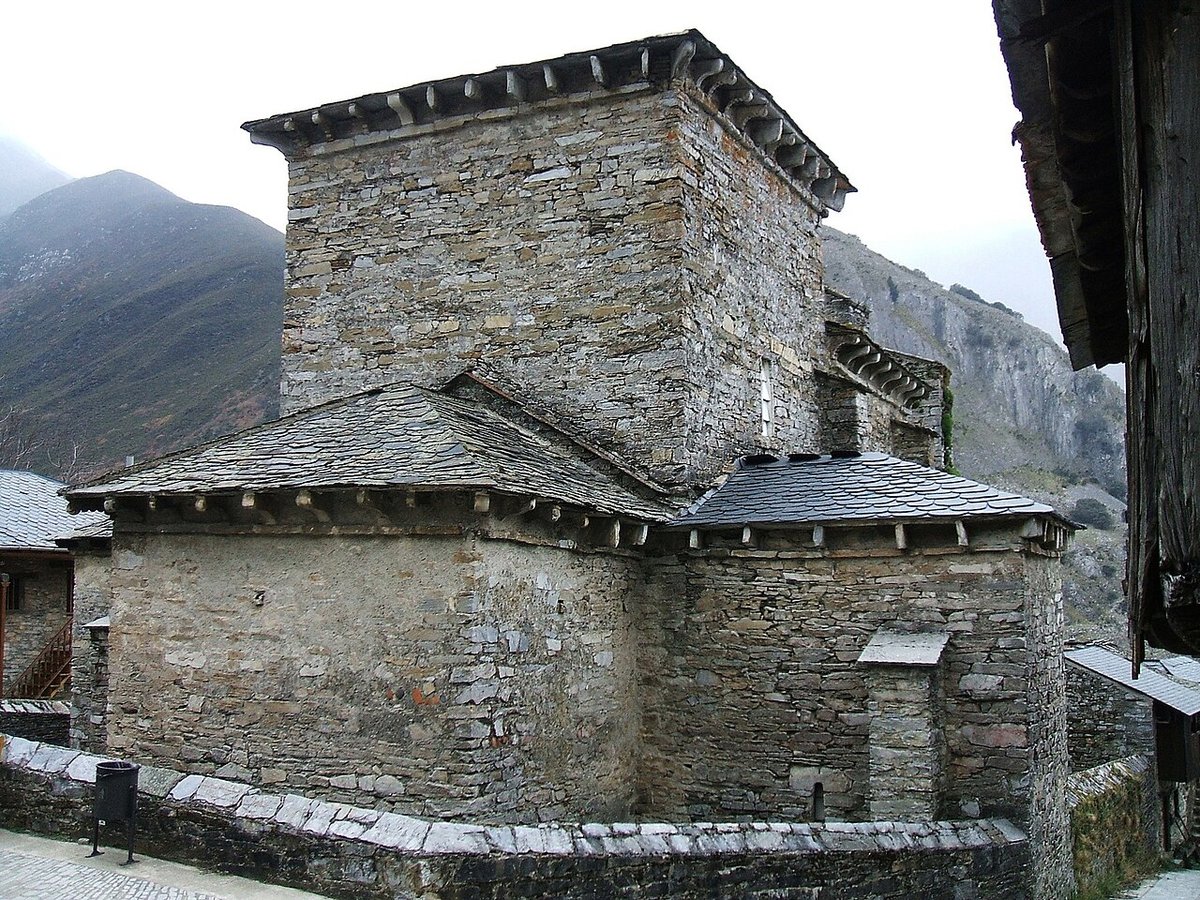
At the most visible point in the village stands the parish church, dedicated to Nuestra Señora de la Asunción. The current structure appears to be the result of several construction phases. This is common in rural Aragon, where churches often began with an older, sometimes medieval core and were expanded or altered in later centuries. Its importance lies less in artistic features and more in its role as a social and cultural centre. For generations, it has been the main meeting place and a constant point of reference for the community.
The landscape and its rhythms
Beyond the village, the landscape opens without interruption. Fields of cereal crops, fallow land and patches of steppe vegetation form a mosaic that changes noticeably with the seasons. In spring, the fields turn green for a short period. Soon after, the dry tones return, which many people associate with Los Monegros.
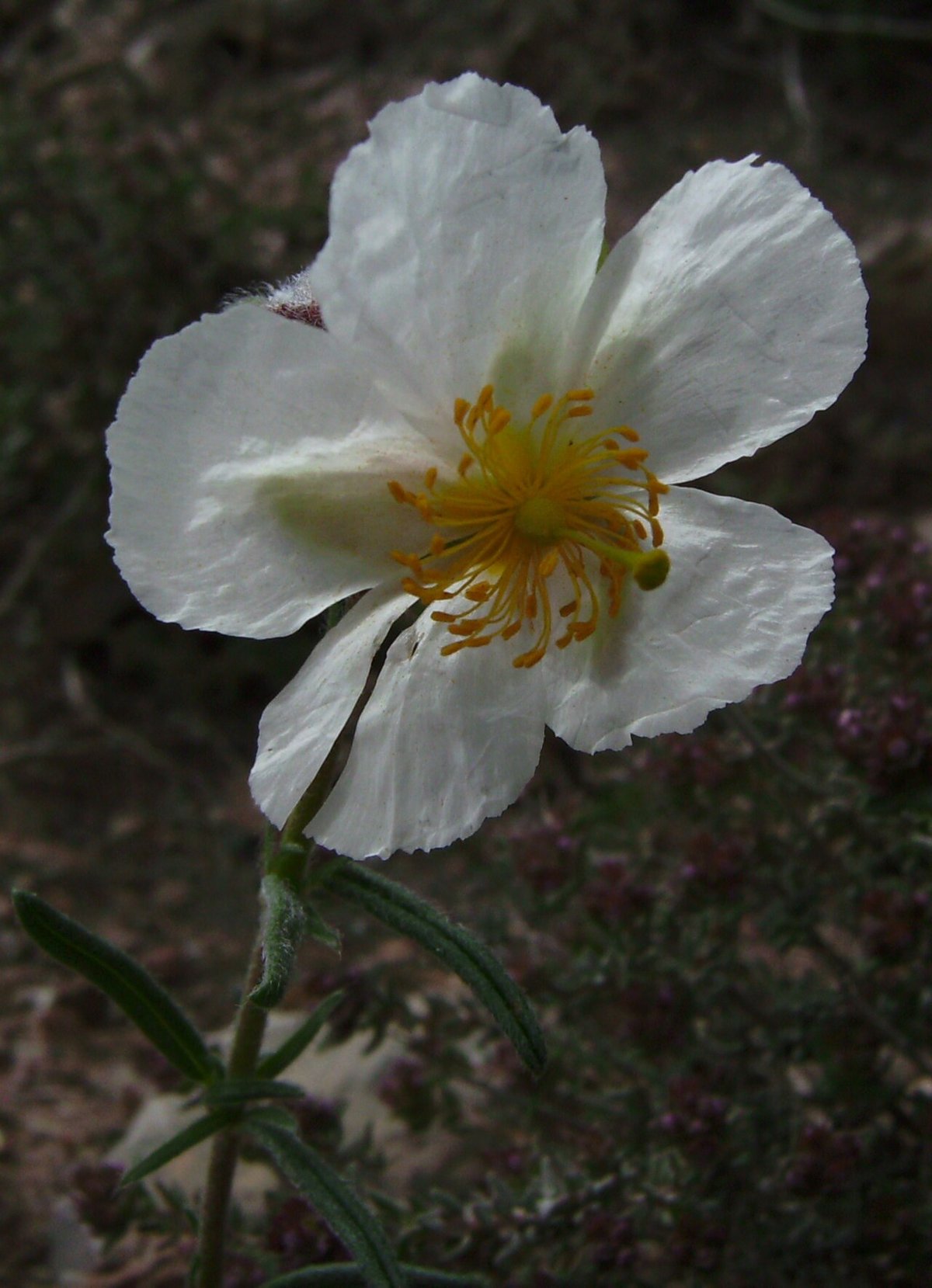
The vegetation that grows along field edges is adapted to the scarcity of water and the constant wind. These conditions define much of this part of Aragon and shape both the appearance of the land and the way it is used.
Agricultural tracks cross the surrounding area. These are working paths, used daily for farming, but they also offer a way to explore the landscape. There are no significant changes in elevation, so moving through the terrain is straightforward. The scale of the surroundings becomes clear when walking or driving along these routes, with long distances and uninterrupted horizons.
Birdlife typical of steppe environments can often be found in the area, particularly in quieter zones. There are no specific facilities or marked areas for wildlife observation, and the experience remains informal, tied to the everyday use of the land rather than organised tourism.
Food rooted in dryland farming
Local cooking in Torralba de Aragón reflects what the land provides. The cuisine is based on dry farming produce and shaped by the needs of agricultural life. Dishes tend to be substantial, designed to sustain long working days in the fields.
Legumes and seasonal vegetables play a central role, prepared in ways that make the most of available ingredients at different times of the year. The result is a style of cooking closely linked to both the climate and the agricultural calendar. It is not about variety or refinement, but about practicality and continuity.
Festivities and the return of community
The main celebrations in Torralba de Aragón take place around the feast of the Asunción, in mid-August. As in many small villages, these festivities concentrate much of the year’s social life into a few days.
During this time, people who have moved away often return, and the population temporarily grows. For a short period, the village recovers a sense of activity that recalls earlier decades. The church of Nuestra Señora de la Asunción again becomes a focal point, linking the celebrations to the same space that has anchored community life for generations.
Reaching Torralba and understanding its pace
Torralba de Aragón lies a short distance from Sariñena and is reached by local roads that cut through the open landscape of Los Monegros. The journey itself reflects the character of the region, with long stretches of land and little interruption.
Visiting requires a certain mindset. The interest here is not in ticking off sights or following a busy itinerary. Instead, it comes from observing how people have lived and worked in a dry environment over generations. The village, its fields and its rhythms offer a way to understand that relationship with the land, one that has changed slowly and still shapes everyday life.