Full Article
about Cantavieja
Hide article Read full article
A town shaped by height and silence
Some places seem designed for a quick photo. Cantavieja is not one of them. The first thing that stands out is the quiet, followed by the wind, which at this altitude moves through the streets as if a window had been left open across the whole range. This is the Maestrazgo, and Cantavieja sits here with around 700 inhabitants, perched at over 1,200 metres above sea level.
That elevation is not just a number. It shows in everything: the pale stone of the buildings, the sharp climate, the slower rhythm of daily life. Nothing feels rushed. The landscape and the weather set the pace, and the town follows.
An old quarter that still lives
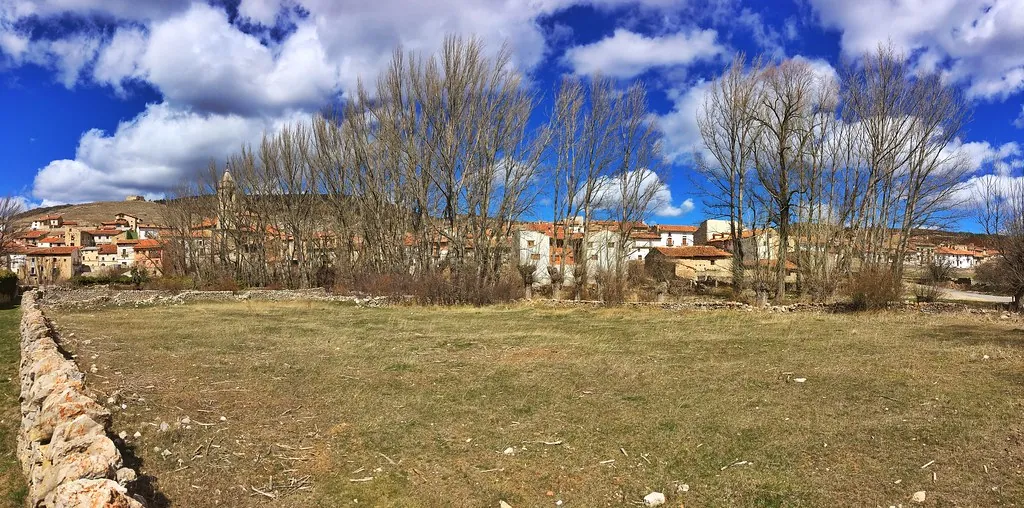
The historic centre of Cantavieja can be walked in a short time, but it rewards taking things slowly. The streets are narrow and paved in stone, lined with solid houses that look built to withstand long winters. Iron balconies, deep doorways and wide eaves give each building a sense of purpose rather than decoration, shaped by the need for shelter from snow and rain.
Parts of the old medieval walls still remain, marking the boundary of the historic core. Inside lies an irregular main square with arcades. Life continues here in a very ordinary way: neighbours crossing paths, people stopping to chat, cars passing through at a measured pace.
The town hall reflects a restrained Renaissance style common in Aragón. It is not grand or imposing. Instead, there are stone arches, light-coloured masonry and shaded porticoes that offer relief from sun or cold. Nearby, the Iglesia de la Asunción does not draw much attention from the outside, but inside it holds Baroque altarpieces and a structure that has changed over the centuries.
Streets that explain the Maestrazgo
Walking through Cantavieja helps make sense of how people have lived in this part of the Maestrazgo. The houses are built for a demanding climate: strong winds, snow in winter and summers that may feel warm during the day but cool quickly after sunset.
Calle Mayor runs through much of the old town and acts as a kind of spine. From it branch smaller streets and little squares where details appear without warning. Stone coats of arms set into façades, very old doorways worn by use, and small windows that seem designed to keep warmth in rather than to frame a view.
It is the kind of place where progress is slow because something keeps catching the eye. A heavy wooden door, a low arch, a corner that suddenly opens onto a view of the surrounding landscape. The town reveals itself piece by piece, without trying to impress.
Edges that open onto the Maestrazgo
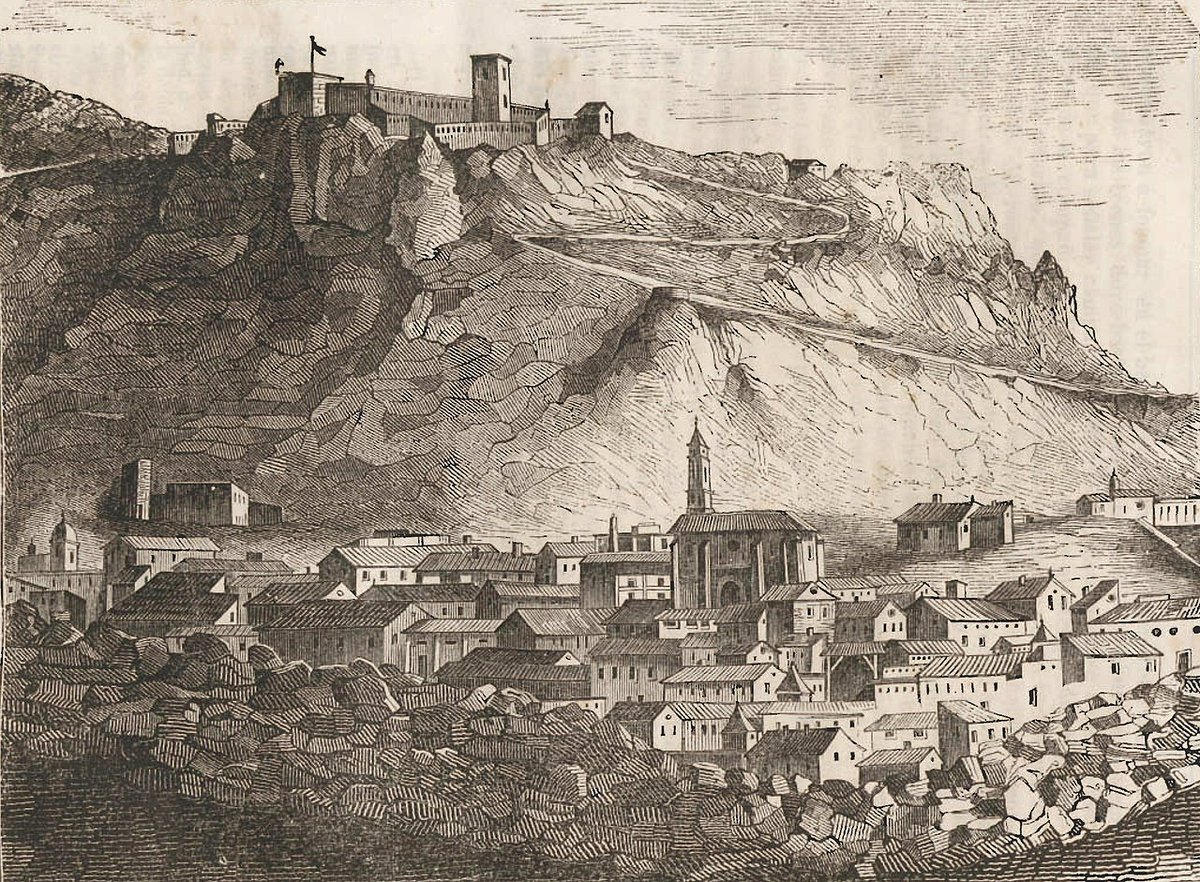
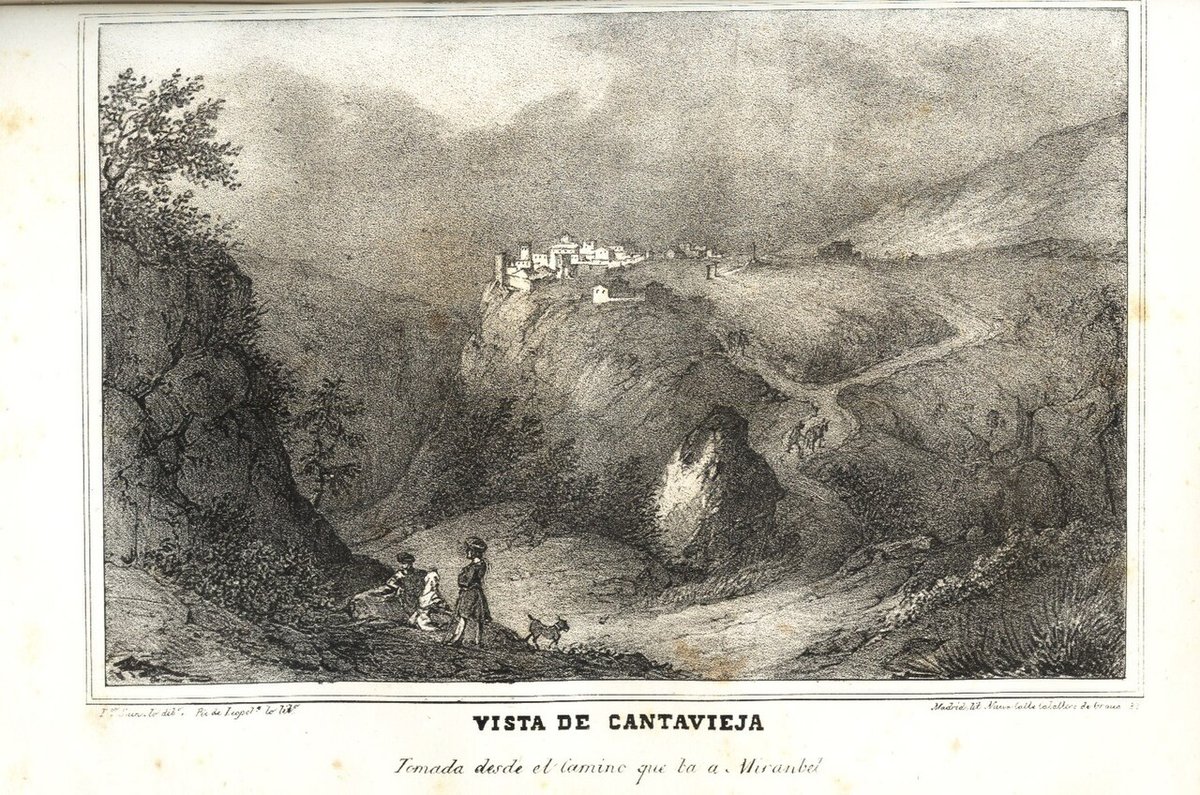
Cantavieja stands on top of a rocky plateau, known locally as a muela. That position means the landscape shifts dramatically as soon as you approach the edges of the settlement. One moment you are in enclosed streets, the next you are looking out across a wide sweep of mountains.
From points near the remains of old fortifications, the Maestrazgo stretches in all directions. The terrain is rugged, with ridges, ravines and fields that change colour with the seasons. On clear days, the Penyagolosa in the Valencian Community appears in the distance, recognisable if you know where to look.
The geology here is largely limestone. That gives rise to features typical of karst landscapes: sinkholes, cavities and unusual rock formations. Anyone with an interest in geology will quickly notice how present these forms are in the terrain.
Walking routes and the wider landscape
The area around Cantavieja offers a network of paths for walking. Some connect to other villages in the Maestrazgo, crossing cereal fields and passing scattered masías, traditional rural farmhouses that still appear across the landscape.
There are gentle routes that can be completed in a relaxed morning, as well as others that climb towards nearby plateaus and higher ground. The area of Muela Mujer, for example, demands more effort. The slopes can be deceptive. From a distance they seem manageable, but once on the ground the incline becomes more apparent.
There are also caves and cavities in the surroundings that attract those interested in caving. In those cases, it is advisable to go with people who know the terrain and have the appropriate equipment, as the landscape can be more complex than it first appears.
Food rooted in the land
The food in Cantavieja makes sense when considered alongside its setting. Long winters, physical work and local produce shape what ends up on the table. The result is a cuisine that is filling and direct.
Migas, a traditional dish made from breadcrumbs, appear frequently and are often served with lamb. There are also plenty of legume stews and cured meats linked to the traditional matanza, the seasonal pig slaughter that has long been part of rural life in Spain. The cooking is not elaborate, but it is closely tied to the rhythms of the Maestrazgo.
Honey also has a strong presence in the area, with a long-standing tradition behind it.
Festivities and a steady pace
The annual calendar in Cantavieja includes celebrations that have been repeated for generations. Festivities dedicated to the Virgen de Loreto usually take place around September and are marked by a fairly restrained tone. In summer, there are also days of larger local festivities, with music, community events and more activity in the streets.
Semana Santa, or Holy Week, is observed quietly here, with simple processions moving through the old town.
Outside these moments, what most visitors will encounter is a calm, steady place. Cantavieja does not rely on noise or spectacle to define itself. Its character comes from something more constant: the landscape, the wind and the enduring presence of stone.