Full Article
about Castellote
Hide article Read full article
The stone of the castle wall is still warm at seven in the evening, long after the valley floor has cooled. From up here, you hear the swifts first, then the slow clang of a church bell from below. Castellote holds onto the light.
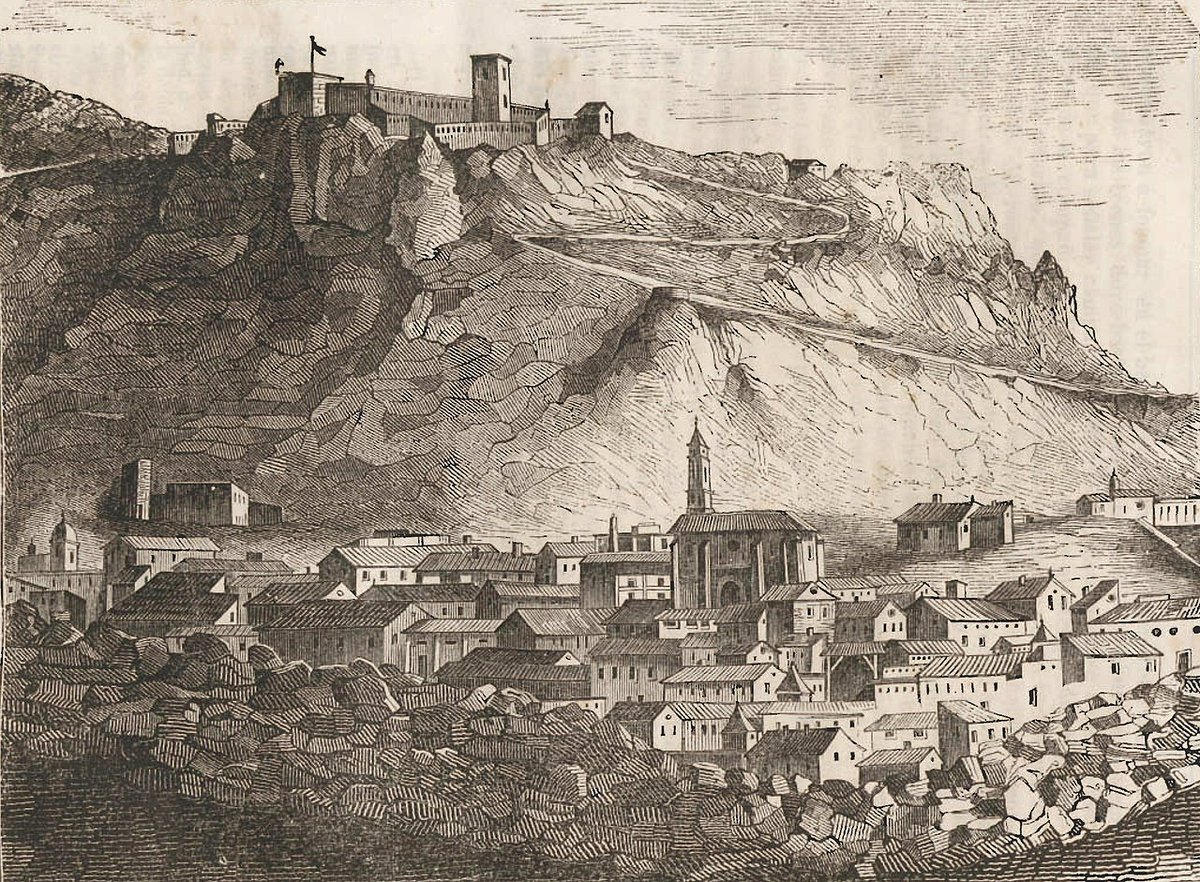
This town in the Maestrazgo of Teruel is built on a steep, practical slope. The streets are a response to the incline—some narrow to a single car’s width, others break into steps. Everything leads upward. The castle at the summit, rebuilt in medieval times after the Christian conquest, is less a monument and more a part of the town’s skeleton. You feel its presence in the way paths curve toward it.
From the castle, a measured landscape
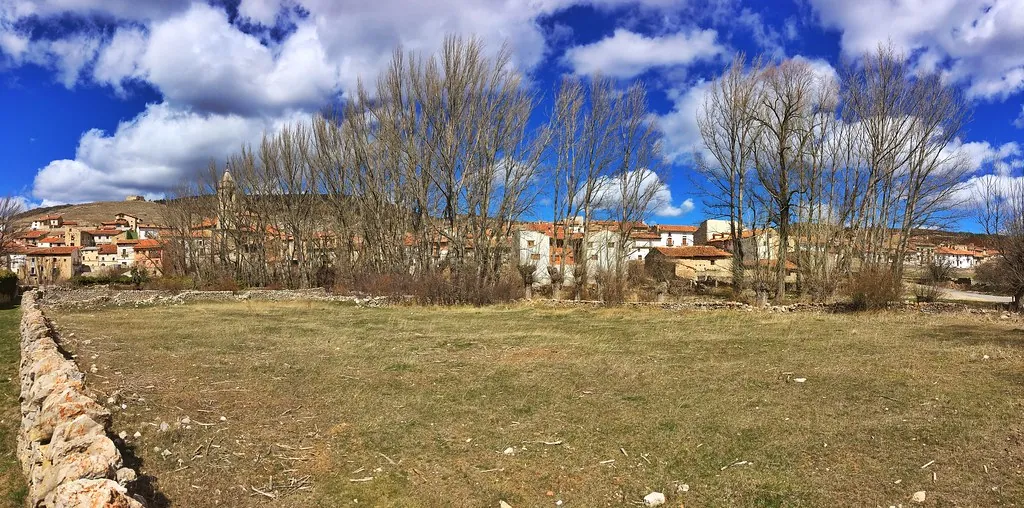
The climb is short but requires decent shoes; the path is uneven with loose stone near the old walls. At the top, the wind is a constant sound. The view is not a breathtaking panorama but a slow reveal. You see the ordered patches of pine forest, the rough gorges, and the occasional hamlet clinging to a distant sierra. The village itself looks compact, a cluster of stone and tile pressed into the hillside. It feels less like scenery and more like geography.
The texture of the old quarter
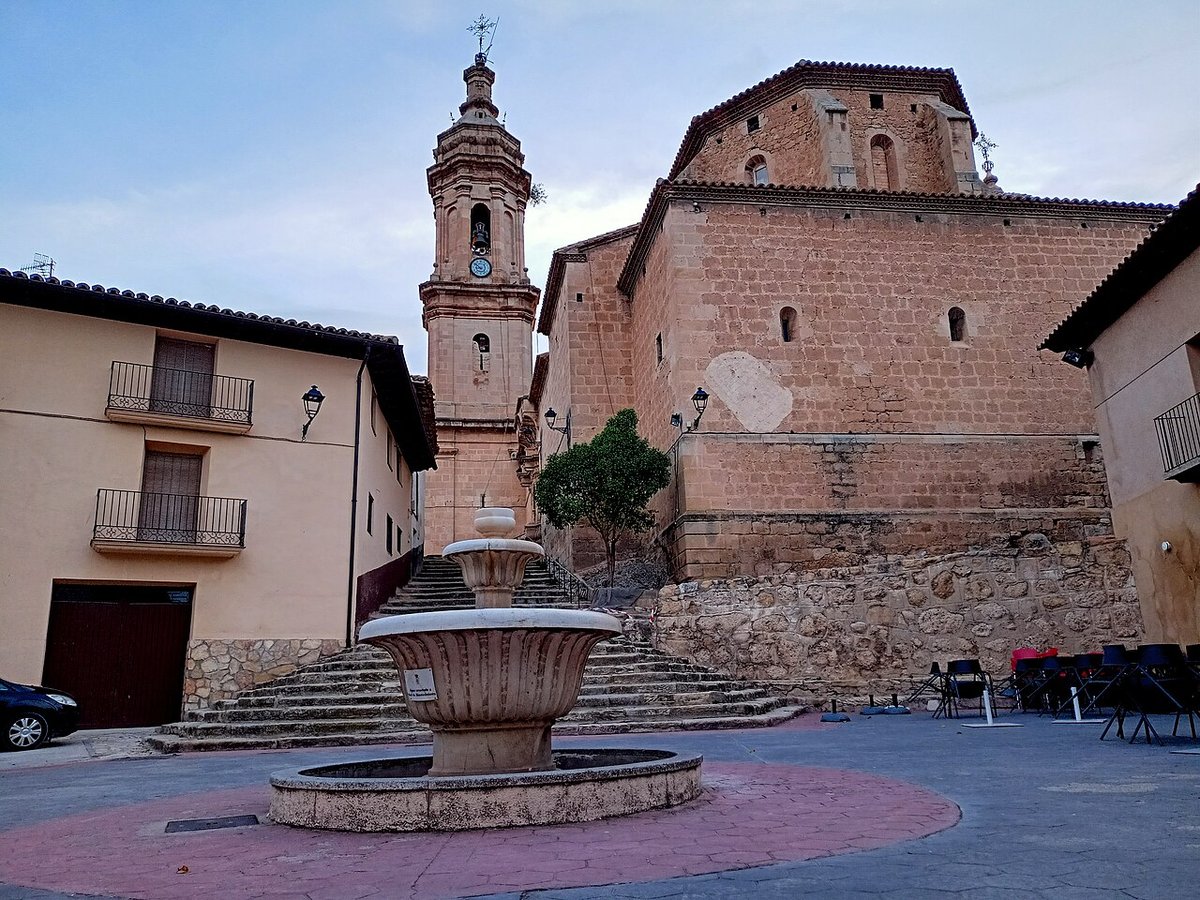
Down in the streets, movement is slower. You notice things: a coat of arms worn smooth in a doorway lintel, the particular creak of an old wooden door, iron balcony railings darkened by time. The parish church of San Miguel Arcángel, with its bell tower of reddish tiles, becomes a landmark when the lanes twist back on themselves. The material truth here is stone, wood, and shadow. Light falls in narrow shafts, carving pockets of cool air even on a hot day.
Beyond the archway
The Portal de San Roque is how you enter the old centre. Walking under its arch at dusk has a specific quality—the temperature drops, sounds soften, and in colder months, there’s often the scent of burning oak from a hearth nearby. Just outside town, set among olive and almond groves, are the ruins of the ermita de la Virgen del Agua. It’s a simple structure where local religious gatherings are held on certain dates. The land here shifts gradually from cultivated fields to low mountain scrub; it feels managed but not tamed.
Walking the terrain
This is walking country. The most direct route circles from the village up to the castle. Its character changes with the hour—the rock faces are grey and shadowed in morning light, turning ochre and rusty red by late afternoon. There are also marked paths linking to nearby villages through scrubland. Check conditions before you go; after rain, some stretches turn to mud, and waymarking can be faint. These aren’t epic trails. They’re a way to understand the rhythm of this land: its slopes, its dry vegetation, the tangible distance between settlements.
A kitchen of few ingredients
The food mirrors the landscape. It’s straightforward. Lamb roasted with little more than garlic and herbs. Migas, made from yesterday’s bread, fried with garlic and dried pepper. When winter comes, many families still carry out the matanza, the traditional pig slaughter, producing chorizos and longanizas to cure in the cold air. Sweets are homely—almond cakes or simple pastries, often for a family gathering.
Rhythm of the year
The town’s pace changes with the calendar. In late September, for the fiestas of San Miguel, the main square fills with voices and traditional music that lingers into the night. Semana Santa brings solemn processions through those narrow streets. Summer sees open-air concerts in the plazas, taking advantage of the warm evenings.
Come between late spring and early autumn if you want to walk comfortably. In July and August, start early; the midday sun is fierce and shade becomes a commodity. Winter is for stillness. Frost is common, movement in the streets slows to almost nothing, and the cold air sharpens the scent of woodsmoke and damp stone.
Castellote doesn’t announce itself. You find it in the warmth retained in a wall, in the sound of your own footsteps on cobbles, in watching where the light falls last