Full Article
about Ráfales
Hide article Read full article
Early light in the Matarraña
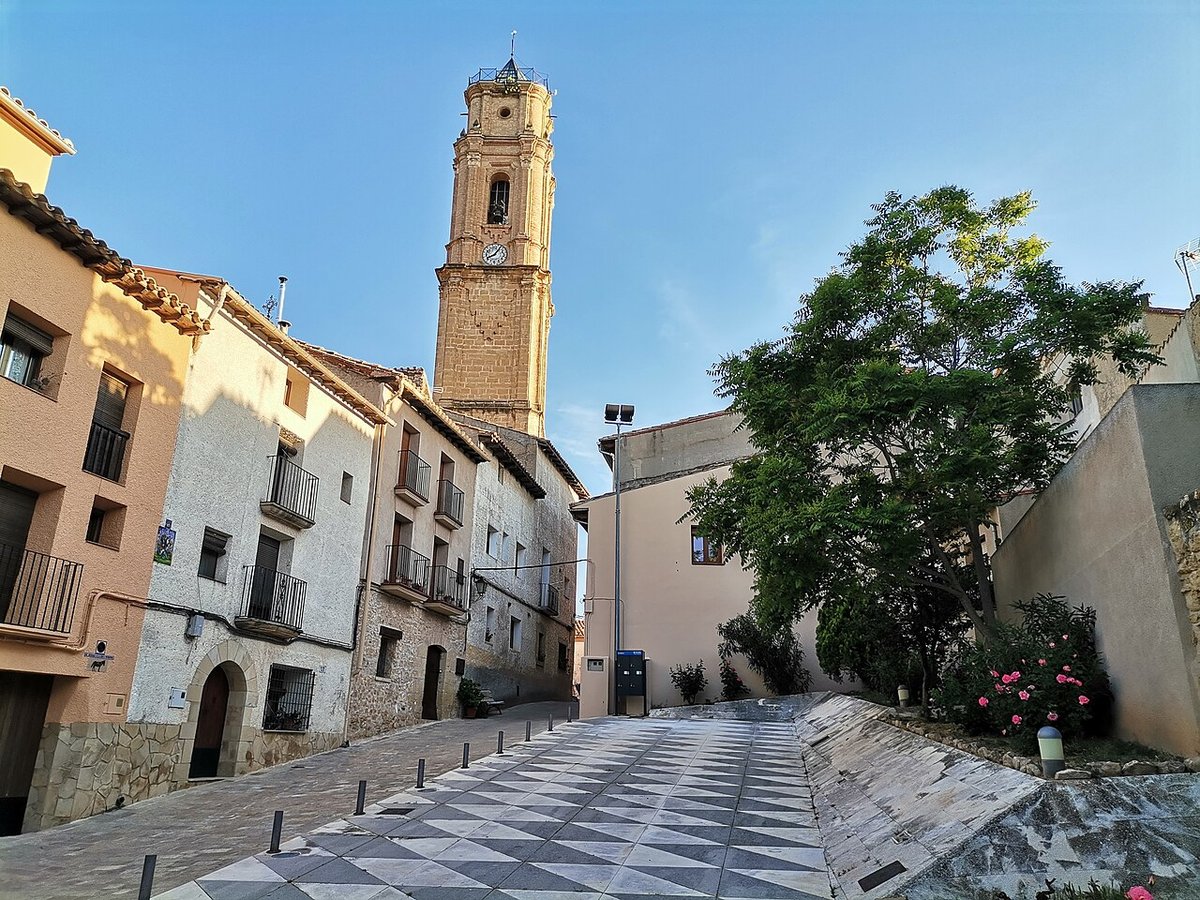
At eight in the morning, Ráfales is still quiet. Light slips in low around the corners and settles on the pale stone façades, which at that hour take on an almost honeyed tone. A few footsteps echo beneath the arcades, along with the sharp clatter of a shutter being lifted. Tourism in Ráfales begins best like this, early, when the village still keeps to its usual rhythm.
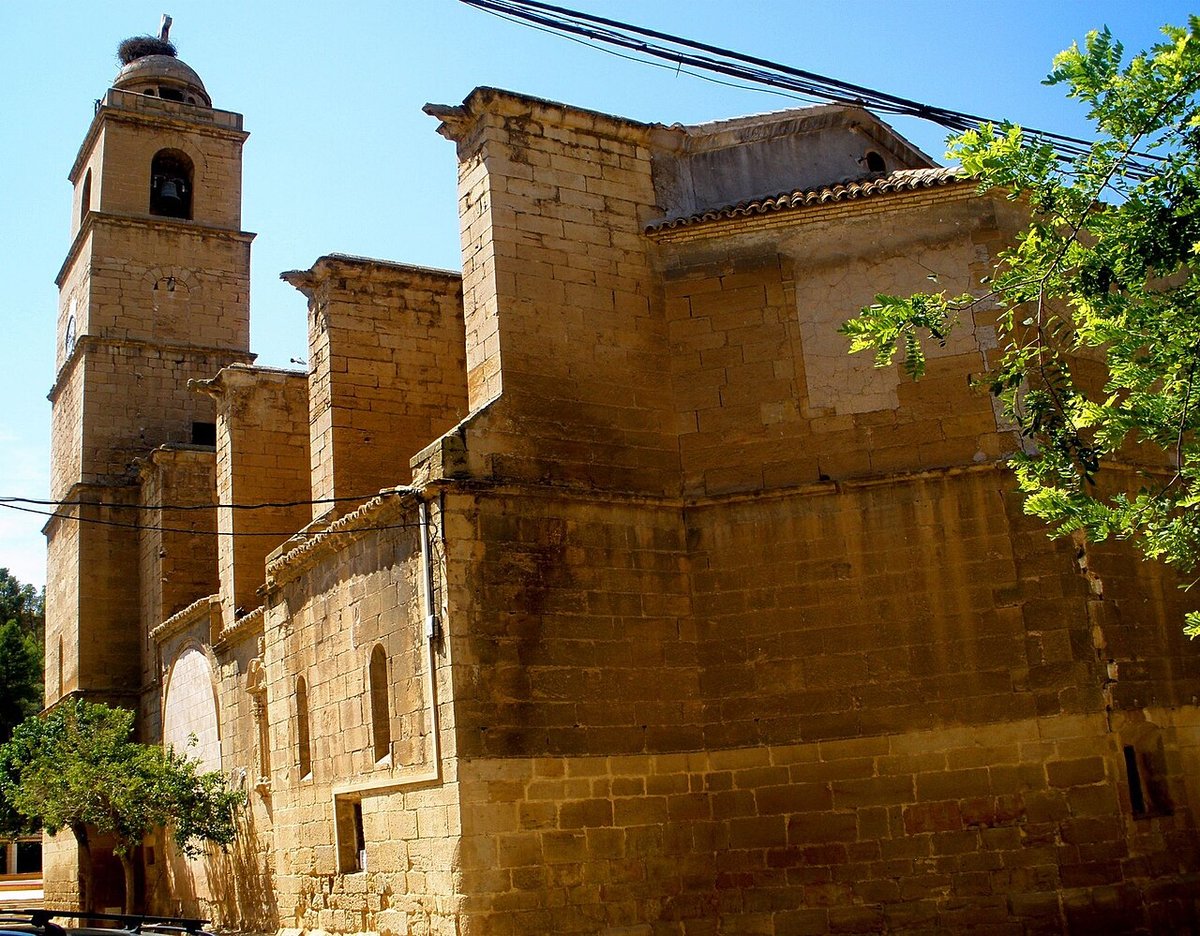
Ráfales has around 149 inhabitants and stands just over six hundred metres above sea level, in the eastern part of the Matarraña region. The old centre preserves the area’s restrained architecture: thick stone walls, wide entrances once designed for carts and storage, wooden beams darkened over time. Nothing feels arranged for display. It gives the impression that everything still serves the same purpose it did decades ago.
The main square is compact and irregular, acting as a meeting point. By mid-morning, quiet conversations drift across it, chairs scrape softly on the ground, and footsteps sound hollow under the arcades. People do not rush through here. They tend to stay a while.
Stone streets and small details
The centre of Ráfales rises and dips in short slopes between tightly packed houses. In some stretches, the streets narrow enough for shade to linger for most of the day, which is welcome when the heat builds.
Details draw the eye if you take the time to notice them: worn door knockers, arches slightly skewed by the passing years, small windows with pots where red geraniums break up the monotony of stone. In the evening, as the sun drops in the west, the walls deepen into a strong ochre colour.
Arriving by car is straightforward, but it usually makes sense to leave it in the lower part of the village and continue on foot. The historic centre is small, and some streets are too narrow to navigate easily.
The land beyond the houses
Beyond the last buildings, the land opens into terraces and gentle hills. Olive trees, almond trees and some cereal fields form the familiar patchwork of the Matarraña. In spring, green returns with force, and almond trees scatter white across the slopes. Towards the end of summer, the landscape turns drier and dustier, shifting into tones of gold and reddish earth.
Scattered among the fields are masías, traditional rural farmhouses, many of them several centuries old. Some remain tied to agricultural work, while others have been restored over time. From certain points along the tracks, the folds of the terrain become clear, along with small ravines that run down towards the valley.
Paths shaped by use
Several rural tracks lead out from Ráfales, used for generations to move between fields and masías. They are not always signposted, but they are generally easy to follow at a relaxed pace.
The ground begins gently and becomes more stony in higher areas. From there, the village sits below, compact, with the bell tower rising above the rooftops.
Summer walks require some care. Carrying water and wearing a hat is advisable, as there are long stretches without shade and the heat can become intense from midday onwards.
When the village fills out
For much of the year, Ráfales is quiet, especially on weekdays. Summer changes that rhythm slightly. Families who have ties to the village return for a few days or weeks, and the streets grow busier towards the evening.
The patron saint festivities usually take place at that time. Traditional events, music and gatherings in the square extend the nights. It never turns into constant bustle, but the increase in people is noticeable for a while.
Other dates in the calendar, particularly religious ones, bring processions and community events that pass through the streets of the old centre.
Choosing the moment
Spring and autumn tend to be the most comfortable seasons for walking in the surrounding area. Temperatures allow for unhurried movement, and the landscape shifts in colour from one month to the next.
Summer can be very hot during the day, although nights often cool down. Those looking for a livelier atmosphere will find more people in August. Anyone who prefers quiet should consider another time of year or simply start early. In the first hours of the day, Ráfales returns to near silence.