Full Article
about Abejuela
Ocultar artículo Leer artículo completo
The church bell strikes noon, yet only the wind answers back. In Abejuela, population fifty-six, even sound travels alone.
This stone hamlet clings to a ridge in Aragon's Gúdar-Javalambre range, an hour's nerve-testing drive north-east of Teruel. At 1,167 metres, the air thins and the temperature drops a good five degrees below the provincial capital. The name translates roughly as "little bee," a reminder that honey once paid the rent here. Today the hives are fewer, but the bee motif still turns up on hand-painted tiles and the odd front door, a quiet boast that someone, somewhere, is keeping the tradition alive.
Stone, Slope and Silence
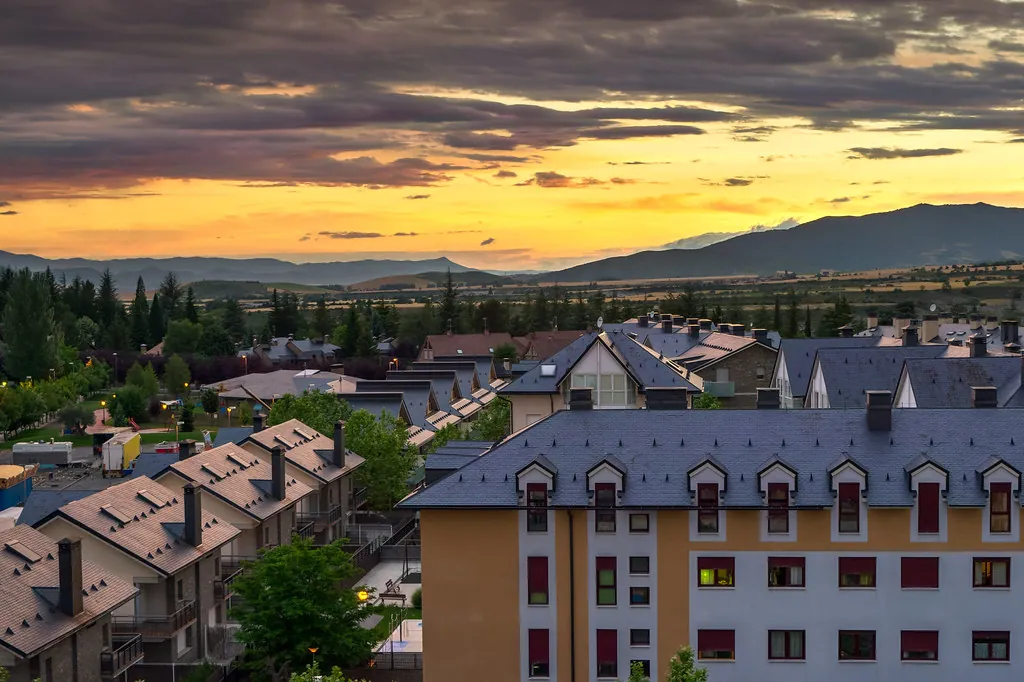
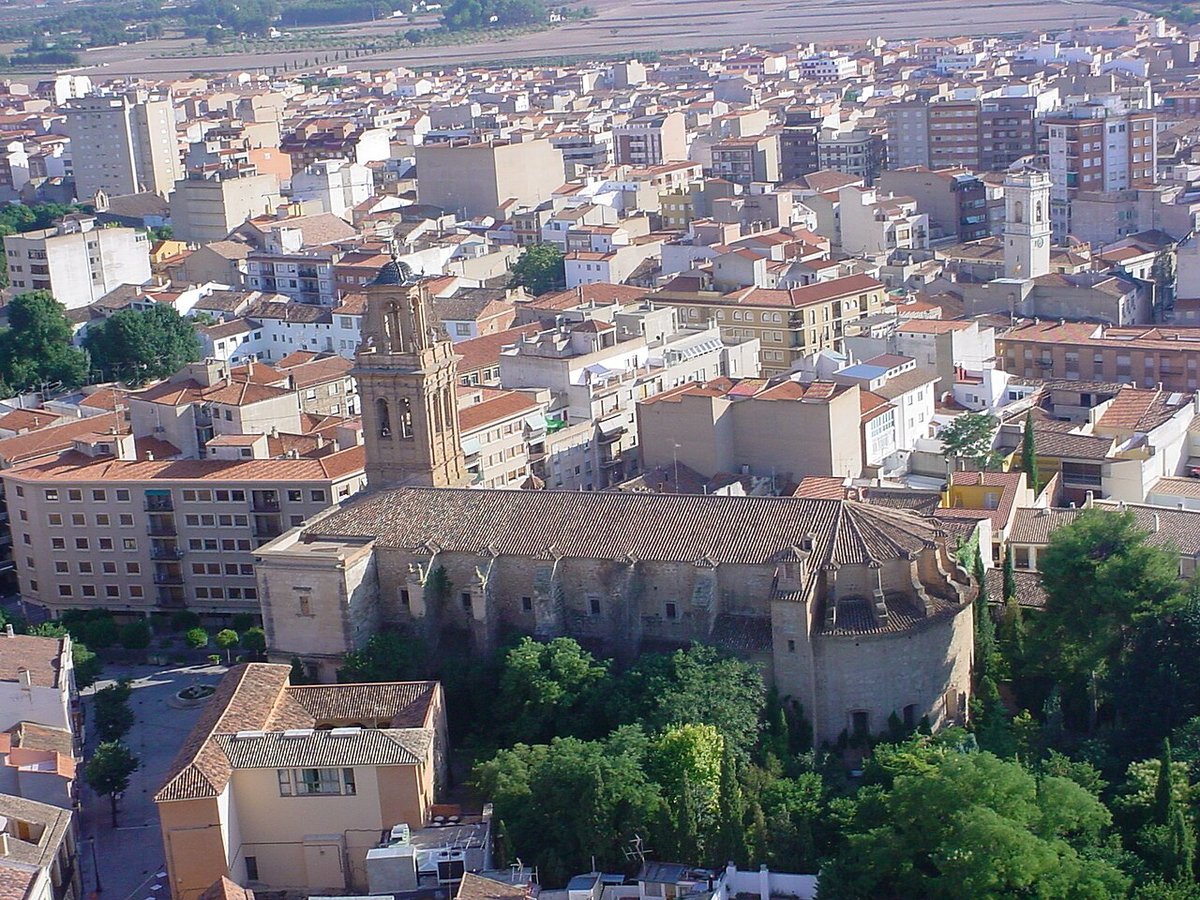
Abejuela spills down its hillside like dried lentils on a tablecloth—irregular, compact, inevitable. Limestone walls two feet thick shoulder against narrow lanes that tilt at angles no British planning officer would sanction. Roofs of curved Arab tile dip and rise, funneling winter snowmelt away from bedrooms. Look closely and you'll spot the old agricultural grammar: a manger window here, a grain chute there, the low arch of a byre now converted into a garage for a dusty Seat. The village takes perhaps twenty minutes to circumnavigate on foot, assuming you stop to peer into the half-ruined corral where fig trees have colonised the manger.
There is no centre in the British sense—no green, no war memorial, no bench with a view. Instead, the parish church acts as gravitational hub. Built in the rural Aragonese style (thick walls, modest tower, timber roof), it stays locked unless mass is imminent. When the doors do open, the interior is refreshingly plain: no baroque excess, just whitewashed plaster, a simple altar and the faint smell of beeswax candles that may, or may not, be local.
Outside, the only commercial presence is a vending machine bolted to the ayuntamiento wall. It dispenses tinned tuna, detergent and, rather hopefully, fly swats. For anything more exotic—fresh milk, a newspaper, paracetamol—you face a 26-kilometre run to Mora de Rubielos along the A-1702, a road that coils like a dropped Slinky. Fill the tank in Teruel; petrol stations up here regard credit cards as witchcraft.
Forests without Footfall
Abejuela's real monument is the surrounding forest. Black pine and sabina albar juniper cloak the ridges, interrupted by limestone outcrops that glow chalk-white against the evergreen. Marked trails exist, but the paint blisters and the waymarks wander. The most reliable strategy is to download the free 1:25,000 map from the Spanish IGN site before you leave home, then follow the forest service tracks that radiate south towards the shallow canyon of the Río Camarena.
A straightforward circuit leaves the upper village lane, cuts through three gates—remember to close them—and climbs gently to the Collado de la Serna, a sheep pass at 1,450 metres. From here you can see the wave after wave of sierra stretching to the horizon, the higher summits already brushed with December snow. Allow two hours there and back; carry at least a litre of water per person and something windproof even in July, when afternoon storms bubble up without warning. If the sky turns brassy, head down: the limestone drains fast, turning dusty paths into ankle-deep torrents within minutes.
Wildlife rewards the patient. Dawn and dusk bring roe deer to the meadow edges; wild boar churn the verges overnight. Griffon vultures cruise the thermals, and the occasional golden eagle drifts across the higher corniches. There are no hides, no interpretation boards, no gift shops selling laminated checklists. Just you, the breeze and the risk of silence so complete your ears begin to invent noise.
Honey, Stews and Other Calories
Food is farmhouse rather than fancy. The nearest restaurant, Casa Fran in Torrijas (12 km), serves a respectable conejo al ajillo for €12, but opening hours shrink outside weekends. Self-catering is simpler: stock up in Teruel's Mercadona on the way up. If you arrive in October, villagers sometimes sell excess mushrooms from their doorstep—setas de cardo, thick as bread plates, at €5 a kilo. Wrap them in newspaper and fry with garlic within 24 hours; they blacken fast.
Honey remains the village's edible calling card. Look for the handwritten "Miel de Abejuela" notice pinned to the noticeboard by the fountain; ring the mobile number and someone's cousin appears with a 500 g jar for €6. The flavour is dark, almost treacly, with a faint rosemary edge—superior to the supermarket blends, and it travels well in hold luggage if you pad it inside a walking sock.
Should you visit in January for the feast of San Antonio, expect a bonfire the size of a double-decker bus and villagers leading horses, dogs and the occasional bemused sheep through aromatic smoke. It's a working blessing, not a photo opportunity; keep a respectful distance and accept the plastic cup of anise liqueur pressed into your hand. British visitors have been known to describe the drink as "liquid Fisherman's Friend." They weren't wrong.
Winter Rules
From December to March the village belongs to the cold. Night temperatures of minus eight are routine, and the TF-813 from the main road is treated with grit only after the snowplough has cleared the arterial routes. A four-wheel-drive is helpful, winter tyres mandatory, snow chains wise. If the wind swings to the north-east, drifts can seal the single access lane for days; the grocery van stops coming, and bread is baked in farmhouse ovens last used during the Civil War.
Yet winter has its rewards. Sunsets smear violet across the ridges, and the clarity of light lets you pick out the communications mast on Sierra de Javalambre thirty kilometres away. Accommodation options shrink to three village houses fitted with wood-burning stoves and Wi-Fi that flickers whenever someone uploads a photograph. Expect to pay €70–€90 a night for a two-bedroom casa rural booked through the regional tourism portal. Hosts leave the hearth stacked and a note: "Leña seca en el costado." Dry firewood is stacked at the side; you'll need it.
The Honest Verdict
Abejuela offers no souvenir tea towels, no craft ale taproom, no Instagram-ready viewpoints. Mobile coverage is patchy, the nearest pharmacy is a twenty-minute drive, and if you require evening entertainment beyond counting stars you will be disappointed. What the village does provide is an uncomplicated encounter with a Europe that package tours skirted and guidebooks forgot. Come prepared—water, map, full tank—and the silence might just speak louder than the noise you left behind.