Full Article
about Aguaron
Ocultar artículo Leer artículo completo
The morning bus from Calatayud carries more grapes than passengers during harvest season. Local growers pile crates of garnacha and cariñena berries onto the rear seats, their purple juice already staining the worn upholstery. This is how you'll know you've arrived in Aguaron: when agricultural produce travels in more comfort than tourists.
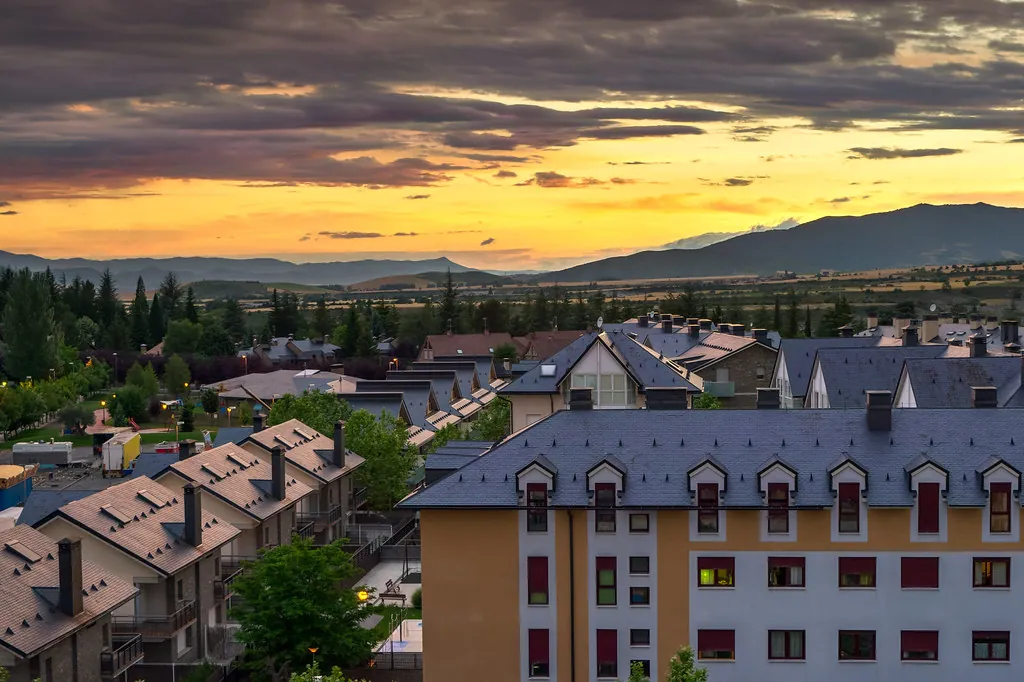
At 649 metres above sea level, this modest village of 610 souls sits squarely in Campo de Cariñena's wine country, forty-five minutes south-east of Zaragoza. The surrounding landscape unfolds like a patchwork quilt—emerald cereal fields stitched between rows of regimented vines that stretch to every horizon. There are no dramatic peaks or coastal vistas here, just the honest Aragonese countryside doing what it's done for centuries: growing things.
The Village That Wine Built
Aguaron's architecture tells its story in brick and sandstone. Two-storey houses line narrow streets, their ground floors once stabled animals while families lived above. Wooden balconies sag under the weight of geraniums, and carved eaves display the craftsmanship of masons who understood that decoration needn't compromise function. The Iglesia de San Pedro Apóstol squats at the village centre, its Mudejar tower a reminder that medieval builders knew how to make stone sing.
Walk the streets at 2pm and you'll wonder if anyone actually lives here. Shutters remain closed against the fierce summer heat, and the only sound comes from swifts nesting in roof tiles. But return at 6pm when temperatures drop, and doorways suddenly fill with residents exchanging village gossip. The rhythm follows agricultural time, not tourist schedules.
The village lacks the chocolate-box prettiness that travel writers fawn over, and that's precisely its appeal. Aguaron functions as a working agricultural community where visitors observe rather than interrupt daily life. Farmers still thresh wheat in traditional stone circles called eras, though modern machinery has replaced the mules that once circled for hours. These circular platforms double as natural viewpoints—climb onto one and you'll understand why locals refer to their landscape as "el mar de viñas" (the sea of vines).
Wine Without the Pretension
Cariñena's denomination of origin, established in 1932, ranks among Spain's oldest. The region's signature grape, also called cariñena, produces robust reds that pair naturally with local lamb and pork dishes. Unlike Rioja's polished wine routes, tastings here happen in working bodegas where concrete floors smell of fermentation and there's no gift shop.
Several small producers operate within Aguaron itself, though you'll need to knock on doors rather than follow signposts. The Garcia family, three generations working three hectares, offers informal tastings in their garage-cum-cellar. Their 2018 Crianza, aged fourteen months in American oak, costs €8 a bottle—roughly what you'd pay for a supermarket Rioja of lesser quality.
For more structured visits, Cariñena town sits ten minutes away by car. Bodegas San Valero operates tours in English with 24 hours' notice, charging €12 for three wines and tapas. Their 1940s concrete fermentation tanks, cathedral-sized and still functional, provide Instagram opportunities without the crowds found in more famous regions.
Walking Through Worked Land
The GR-90 long-distance footpath skirts Aguaron's northern edge, connecting Cariñena with Villanueva de Huerva via twelve kilometres of gentle terrain. The route follows farm tracks between vineyards, passing abandoned stone huts where workers once sheltered from summer heat. Spring brings poppies and wild asparagus; autumn paints the vines copper and gold.
Morning walks reward early risers—sunrise transforms the landscape into something approaching sublime. By 11am between June and August, temperatures reach 35°C, making afternoon excursions foolhardy. The village sits in a natural wind tunnel, however, and evening breezes provide relief that coastal resorts would envy.
Serious hikers should manage expectations. Elevations barely top 700 metres, and the most challenging aspect involves navigating unsigned farm tracks. Download offline maps before setting out—mobile reception proves patchy between fields, and asking directions requires Spanish beyond most phrasebooks.
Eating What the Land Provides
Aguaron's culinary scene extends to two bars and a bakery. Bar El Parque opens at 6am for farmers needing coffee and brandy before vineyard work. Their tortilla española arrives still warm from a neighbour's kitchen, the eggs collected that morning. Lunch might be migas—fried breadcrumbs with chorizo and grapes—washed down with house wine costing €1.50 a glass.
For proper meals, you'll need transport. Restaurante La Cavea in Cariñena serves exceptional ternasco (milk-fed lamb) roasted in wood-fired ovens. Their €18 menú del día includes wine, water, and dessert—roughly half what comparable quality would cost in Barcelona or Madrid.
The village bakery produces exceptional empanadas filled with local tuna and piquillo peppers. Arrive before 10am or face disappointment—these sell out fast, purchased by residents who've queued since childhood.
When to Come, When to Stay Away
Late September brings vendimia (grape harvest), when the village briefly swells with returning family members. Streets fill with the sweet smell of crushed grapes, and even teetotallers appreciate the communal effort of bringing in the harvest. This isn't staged folk culture—expect to work if you accept an invitation.
Winter visits reveal a different Aguaron. Mist clings to the vineyards, and temperatures drop below freezing. The village bar becomes the social hub—elderly men play dominoes while discussing rainfall statistics with the intensity others reserve for football. It's atmospheric but bleak, and most accommodation closes between November and March.
Spring offers the best compromise. April's average 18°C proves ideal for walking, and the vineyards show their first green shoots. Wild asparagus appears in markets, and locals still speak to strangers with the enthusiasm of people who've endured winter isolation.
The Practicalities Nobody Mentions
Getting here requires planning. Ryanair flies direct to Zaragoza from Stansted—hire cars await at the airport, though prepare for Spanish driving where indicators remain optional. The A-23 autopista charges €6.20 in tolls but saves thirty minutes versus country roads.
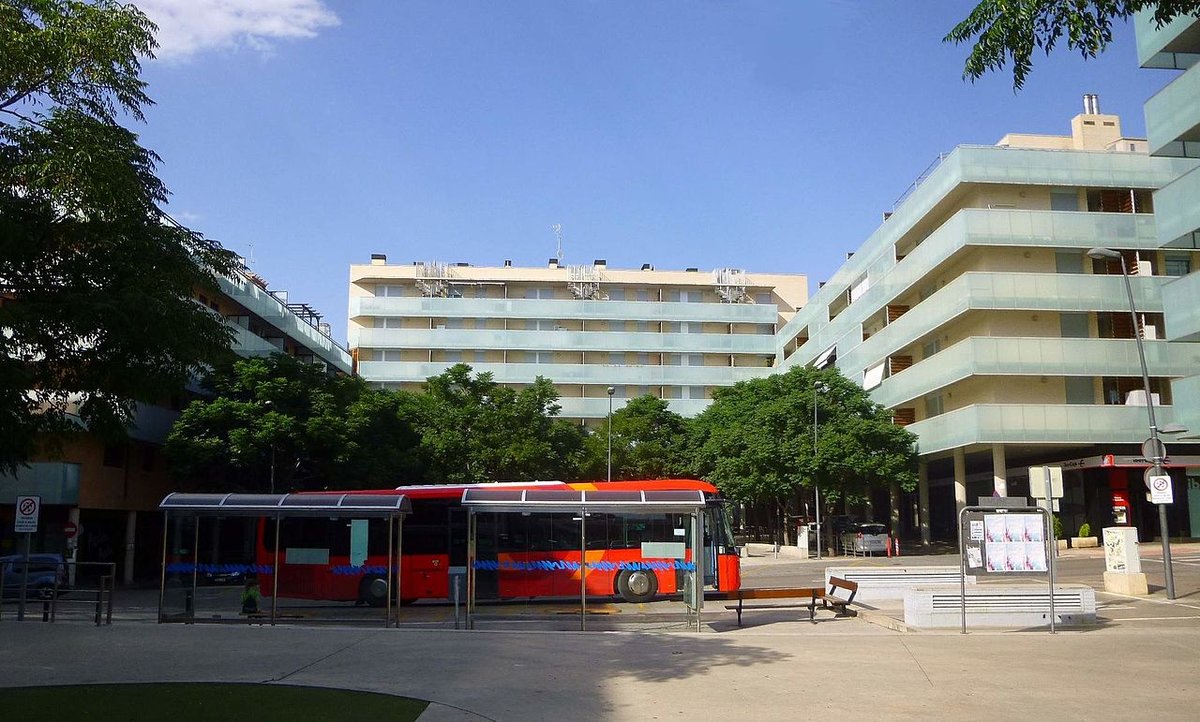
Public transport exists in theory. A weekday bus departs Calatayud at 7:15am, returning at 2pm. Miss it and you're stranded—taxis from Cariñena cost €25 each way. Sunday service doesn't run, making weekend visits impossible without wheels.
Accommodation options remain limited. Two Airbnb apartments offer clean, modern spaces from €45 nightly, though neither provides breakfast. The nearest hotel sits thirty minutes away in Calatayud—bookable via English websites but requiring Spanish to modify reservations.
Aguaron won't suit everyone. Those seeking boutique hotels, guided tours, or souvenir shopping should look elsewhere. But for travellers content to observe rural Spanish life at its most authentic—where wine flows from neighbours' taps and the landscape changes colour with the seasons—this modest village delivers experiences that polished destinations cannot manufacture.
Come with Spanish phrases, comfortable walking shoes, and realistic expectations. Leave with wine-stained lips, vineyard dust on your clothes, and understanding of why some places need neither promotion nor praise—they simply continue, season after season, grape after grape.